Are you finding that your engine isn’t performing as smoothly as it should? The spark plug gap might be the culprit.
This tiny space plays a crucial role in igniting the fuel-air mixture in your engine. If it’s not set correctly, your vehicle could experience poor fuel efficiency, sluggish acceleration, or even misfires. But don’t worry, adjusting the spark plug gap is simpler than you might think, and you can do it yourself with a few basic tools.
In this guide, you’ll discover step-by-step instructions to close the spark plug gap correctly, ensuring your engine purrs like a kitten. Stick around to transform your vehicle’s performance and avoid unnecessary trips to the mechanic.

Credit: kmotorperformance.com
Tools Needed
Closing the spark plug gap precisely requires the right tools. Without them, you risk damaging the spark plug or setting an incorrect gap, which affects engine performance. Let’s look at what tools you’ll need to get the job done accurately and safely.
Gap Gauge Types
Choosing the right gap gauge is crucial. There are several types available, each suited for different preferences and precision levels.
- Feeler Gauge:Thin metal strips of varying thicknesses, ideal for measuring exact gaps. You slide in the strip that fits snugly to check the gap.
- Wire Gauge:Flexible wires of different diameters that you insert between the electrodes. Many mechanics prefer this for its ease and accuracy.
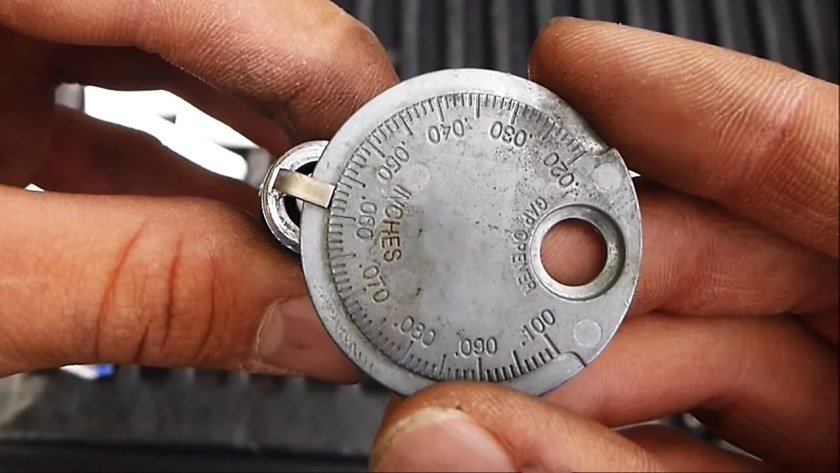
- Coin-Style Gauge:A simple plastic or metal disc with notches of specific thicknesses, useful for quick checks but less precise.
Which one you choose depends on your comfort and the level of precision you need. Personally, I always keep a wire gauge handy because it’s easy to use and adjusts the gap without scratching the electrode.
Additional Equipment
Besides a gap gauge, you’ll want tools that make the adjustment smooth and safe.
- Spark Plug Gap Tool:A small tool designed to bend the side electrode gently. Avoid using pliers or other tools that can damage or weaken the electrode.
- Cleaning Brush or Sandpaper:Sometimes, the electrodes have carbon buildup. Cleaning them before adjusting the gap ensures a better spark.
- Protective Gloves:Handling spark plugs can be sharp or dirty work, so gloves protect your hands while giving better grip.
Have you ever tried bending the electrode with pliers? It feels sturdy until the next engine misfire. Using the right tool avoids that risk and keeps your spark plug working perfectly.

Credit: www.f150ecoboost.net
Check Existing Gap
Checking the existing spark plug gap is a crucial first step before making any adjustments. The gap affects engine performance, fuel efficiency, and emissions. If the gap is off, your engine might misfire or struggle to start, so it’s worth taking the time to measure it carefully.
Measuring Techniques
To measure the spark plug gap, you’ll need a feeler gauge or a gap tool. These tools come with thin metal blades of varying thicknesses that slide between the spark plug electrodes.
Insert the appropriate blade between the center electrode and the ground electrode. It should slide in with slight resistance — not too tight, not too loose.
If you don’t have a feeler gauge, some mechanics use a business card or a thin piece of paper as a rough estimate, but this isn’t very accurate. Investing in a proper gauge is better if you want consistent results.
Ideal Gap Sizes
Each engine and spark plug type has a recommended gap size, usually found in your vehicle’s owner manual or on the spark plug packaging.
| Engine Type | Recommended Gap Size (inches) | Recommended Gap Size (mm) |
|---|---|---|
| Standard Gasoline Engine | 0.028 – 0.060 | 0.7 – 1.5 |
| High-Performance Engine | 0.035 – 0.040 | 0.9 – 1.0 |
| Diesel Engine | Varies (Check Manual) | Varies |
Have you ever wondered why such small differences in gap size matter? Even a few thousandths of an inch can change how well the spark ignites the fuel-air mix. That’s why measuring your existing gap accurately is a step you shouldn’t skip.
Adjusting The Gap
Adjusting the spark plug gap is a simple yet crucial task that impacts your engine’s performance. If the gap is too wide or too narrow, your engine might misfire or run inefficiently. Understanding how to adjust this gap correctly puts you in control of your vehicle’s smooth operation.
Bending The Ground Electrode
The most common way to close the spark plug gap is by carefully bending the ground electrode. This small metal arm extends over the center electrode and controls the space where the spark jumps.
Use your fingers or a small tool to gently bend the electrode closer to the center. Be cautious—too much force can damage the electrode or change its shape, affecting spark quality.
Have you ever noticed your engine hesitating after a rough adjustment? That’s usually because the gap was altered unevenly. Take your time and make small adjustments to avoid this.
Using A Gap Tool
A gap tool makes measuring and adjusting the spark plug gap much easier. These tools come in various forms, such as feeler gauges, wire gauges, or coin-style gap adjusters.
Insert the tool between the electrodes to check the current gap. If the gap is too wide, press the electrode gently against the tool to close it. If it’s too tight, carefully pry it open just enough.
Using a gap tool can save you from guesswork and ensure precision. Have you tried using one before? You might find it makes the whole process less frustrating and more accurate.
Recheck The Gap
Rechecking the spark plug gap is a crucial step after adjusting it. It confirms the gap is set correctly for optimal engine performance. A precise gap ensures better combustion and smoother running.
Even small errors in the gap size can affect engine efficiency. Double-checking helps catch any mistakes made during the adjustment process. It prevents issues like misfires or poor fuel economy.
Ensuring Accuracy
Use a reliable feeler gauge for the most accurate measurement. Insert the gauge carefully between the spark plug electrodes. The gauge should slide in with slight resistance but not too tight.
Check the gap from different angles to ensure consistency. Measure multiple times to confirm the correct size. If the gap is off, adjust it gently and recheck until perfect.
Common Mistakes
- Using worn or incorrect feeler gauges.
- Applying too much force when bending the electrode.
- Not cleaning the spark plug before measuring.
- Measuring the gap at an angle instead of straight.
- Forgetting to recheck after final adjustment.
These errors can lead to inaccurate gap settings. Avoid rushing and take your time for the best results.
Tips For Better Ignition
Better ignition helps your engine run smoothly and efficiently. Closing the spark plug gap correctly plays a key role. Small adjustments can make a big difference in engine performance. Follow simple tips to keep your ignition system in good shape.
Regular Maintenance
Check spark plugs often to prevent ignition problems. Dirt and wear affect the gap and spark quality. Clean the plugs with a wire brush to remove deposits. Measure the gap using a feeler gauge for accuracy. Adjust the gap carefully to the manufacturer’s specifications. Tighten the spark plugs properly to avoid damage. Regular checks help keep your engine firing strong.
When To Replace Spark Plugs
Old spark plugs cause misfires and poor fuel economy. Replace them if you notice rough idling or hard starts. Look for worn electrodes or heavy deposits on the plugs. A spark plug that is cracked or damaged must be replaced. Follow the vehicle’s service schedule for timely replacement. Fresh plugs ensure better ignition and engine health.
Credit: www.lightningrodder.com
Frequently Asked Questions
What Is The Ideal Spark Plug Gap Size?
The ideal spark plug gap size varies by vehicle. Check your owner’s manual for exact specifications. Proper gap ensures efficient combustion and engine performance.
How Do I Measure A Spark Plug Gap Correctly?
Use a spark plug gap tool or feeler gauge. Insert it between the electrodes gently. Adjust until the tool fits snugly without forcing.
Can An Incorrect Spark Plug Gap Cause Engine Problems?
Yes, an incorrect gap can cause misfires, poor fuel economy, and hard starts. Proper gap ensures optimal spark and engine efficiency.
How Often Should I Check The Spark Plug Gap?
Check the spark plug gap every time you replace plugs or during routine maintenance. Regular checks prevent engine issues and maintain performance.
Conclusion
Closing the spark plug gap correctly keeps your engine running well. It helps improve fuel efficiency and engine power. Use the right tool and measure carefully each time. Avoid forcing the gap too much to prevent damage. Regular checks keep your vehicle in good shape.
Small steps make a big difference in engine health. Keep practicing for better results and smoother rides.





