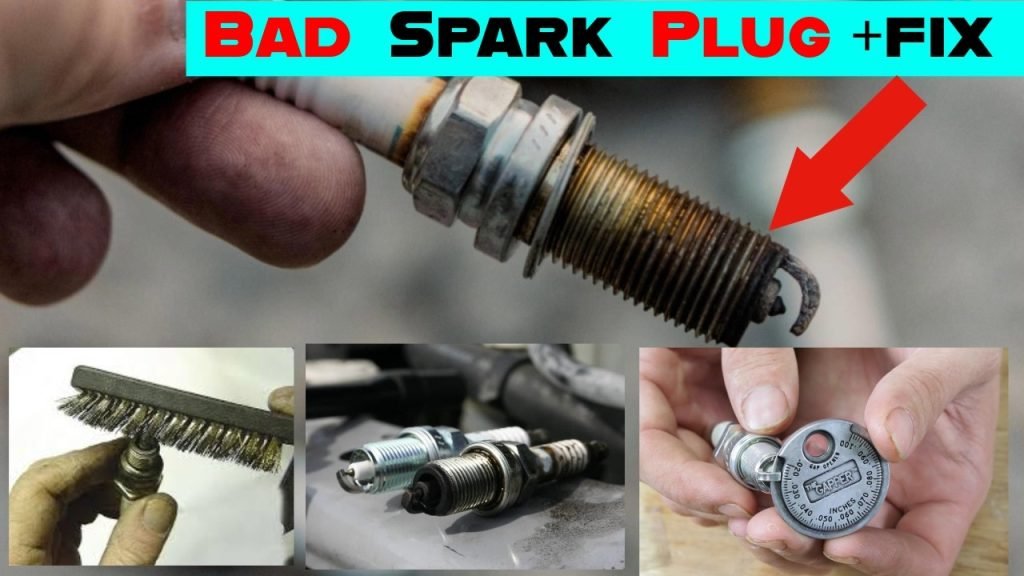
Have you ever turned the key in your car’s ignition and felt a moment of doubt as it hesitated to start? Or maybe you’ve noticed your vehicle isn’t running as smoothly as it used to.
These could be signs that something’s not quite right under the hood. One of the most common culprits? Bad spark plugs. But how do you know if your spark plugs are bad? Identifying the problem early can save you from costly repairs and keep your car running smoothly.
We’ll dive into the telltale signs of worn-out spark plugs and what you can do about it. Don’t let a small issue become a big problem—read on to learn how to keep your engine purring like a kitten.
Symptoms Of Bad Spark Plugs
Recognizing the symptoms of bad spark plugs can save you from costly repairs and unexpected breakdowns. Spark plugs play a crucial role in your engine’s performance, and when they start to fail, your vehicle will send clear signals. Paying attention to these signs helps you catch problems early and keep your car running smoothly.
Engine Misfires
One of the most obvious signs of worn spark plugs is engine misfires. You might feel your car jerk or hesitate while driving, especially during acceleration. Misfires occur because the spark plugs fail to ignite the fuel-air mixture properly, causing a loss of power.
Reduced Fuel Efficiency
Have you noticed your fuel gauge dropping faster than usual? Bad spark plugs can cause incomplete combustion, which means your engine burns more fuel to maintain power. This inefficiency directly affects your wallet at the pump and signals it’s time to check your spark plugs.
Difficulty Starting The Engine
Struggling to start your car can be frustrating, especially on cold mornings. Faulty spark plugs make it harder for the engine to ignite the fuel mixture, leading to longer cranking times or failure to start. If your engine feels sluggish or requires multiple attempts to fire up, your spark plugs might be the cause.
Rough Idling
Does your engine shake or sound uneven when idling? Rough idling happens when spark plugs don’t fire consistently, causing the engine to run irregularly. This symptom is often noticeable when your car is stopped at a light or in park and can indicate spark plug wear or deposits.
Poor Acceleration
If your car doesn’t respond quickly when you press the gas pedal, faulty spark plugs could be behind it. Poor acceleration means your engine isn’t firing on all cylinders as it should. You might feel sluggishness or hesitation, especially when merging or overtaking on highways.
Engine Surging Or Hesitation
Have you felt your engine suddenly speed up or slow down without changing the throttle? Engine surging or hesitation can be traced back to inconsistent spark plug performance. This irregular firing disrupts smooth power delivery and can make driving unpredictable and unsafe.
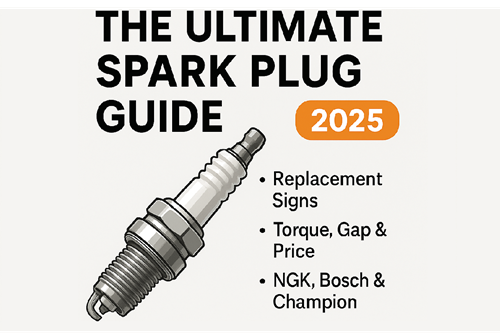
Credit: modernautoparts.co.za
Common Causes Of Spark Plug Failure
Spark plugs play a key role in engine performance. They ignite the fuel-air mixture inside the engine cylinders. Over time, spark plugs can fail and cause engine problems. Knowing common causes of spark plug failure helps with timely maintenance. This avoids costly repairs and keeps the engine running smoothly.
Wear And Tear Over Time
Spark plugs wear down with use. The electrodes slowly erode from constant sparks. This creates a larger gap that weakens the spark. Ignition becomes inconsistent, causing rough idling or misfires. Regular replacement is necessary to maintain performance.
Carbon Buildup
Carbon deposits form on spark plugs from incomplete fuel burning. This buildup insulates the electrode and blocks sparks. It causes poor fuel economy and engine hesitation. Cleaning or replacing plugs clears this issue and restores spark quality.
Oil Contamination
Oil leaks into the combustion chamber can coat spark plugs. This contamination prevents proper spark formation. It often signals engine problems like worn valve seals. Changing spark plugs and fixing leaks stops further damage.
Overheating
Excessive engine heat damages spark plugs quickly. Overheating melts the electrode and insulator. This leads to misfires and hard starts. Causes include wrong heat range plugs or cooling system issues. Using the correct plugs and checking cooling helps prevent this.
Incorrect Spark Plug Type
Using the wrong spark plug harms engine performance. Each engine needs specific plug sizes and heat ratings. Incorrect plugs cause poor combustion and engine knocking. Always choose plugs recommended by the vehicle manufacturer.
How To Inspect Spark Plugs
Inspecting spark plugs helps detect engine problems early. Regular checks keep your vehicle running smoothly. This guide shows how to inspect spark plugs safely and effectively.
Removing The Spark Plug
Start by letting the engine cool down completely. Locate the spark plugs using your car manual. Use a spark plug socket and ratchet to loosen each plug. Turn counterclockwise gently until the plug is free. Handle plugs carefully to avoid damage.
Visual Signs To Look For
Check the spark plug’s tip and body for these signs:
- Black, oily deposits indicate oil leaks.
- White or ash-colored deposits suggest overheating.
- Cracks or chips on the ceramic insulator show damage.
- Rust or corrosion on metal parts means moisture exposure.
- Worn or burnt electrodes signal a need for replacement.
Checking Electrode Wear
Focus on the center and ground electrodes. Look for rounded or eroded edges. Compare wear to a new spark plug for reference. Excessive wear reduces spark efficiency. Replace plugs that show significant electrode degradation.
Measuring Spark Plug Gap
Use a spark plug gap tool or feeler gauge. Insert the tool between the center and ground electrodes. The gap should match your vehicle’s specifications. Adjust the gap carefully by bending the ground electrode. Incorrect gaps cause poor engine performance.

Credit: www.r6messagenet.com
Tools Needed For Spark Plug Inspection
Inspecting your spark plugs is a hands-on task that demands the right tools. Using proper equipment not only makes the job easier but also ensures you get accurate results. Without these tools, you might miss signs of wear or damage that affect your engine’s performance.
Spark Plug Socket
A spark plug socket is specially designed to fit snugly around the plug, protecting it during removal and installation. It usually has a rubber insert or magnet inside to grip the plug securely, preventing it from dropping and breaking. Using a regular socket can damage the plug or make the process more difficult, so investing in a spark plug socket pays off.
Gap Gauge
Checking the gap between the spark plug electrodes is crucial for proper engine function. A gap gauge helps you measure this space with precision. If the gap is too wide or too narrow, the spark might be weak or inconsistent, causing misfires or poor fuel economy.
Torque Wrench
Over-tightening or under-tightening spark plugs can cause engine damage or poor sealing. A torque wrench lets you tighten the plugs to the manufacturer’s exact specifications. This tool helps you avoid stripping threads or causing cracks in the cylinder head.
Ratchet And Extensions
A ratchet paired with extensions makes accessing hard-to-reach spark plugs much easier. Cars often have plugs located deep within the engine bay where space is tight. Extensions give you the reach and flexibility needed to work without forcing or damaging surrounding parts.
Solutions For Bad Spark Plugs
Dealing with bad spark plugs can feel frustrating, especially when your car suddenly starts misfiring or losing power. The good news is that you have clear options to fix the issue and get your engine running smoothly again. Whether you choose to clean them, replace them, or seek professional help, understanding these solutions will save you time and money.
Cleaning Spark Plugs
Sometimes, spark plugs don’t need replacing—they just need a good cleaning. Dirt, carbon deposits, and oil can build up on the electrodes, causing poor performance.
You can clean spark plugs by gently scrubbing the electrodes with a wire brush or using a specialized spark plug cleaner. Avoid harsh chemicals that could damage the plugs. After cleaning, check for cracks or excessive wear; if you find any, replacement is a better choice.
Replacing Spark Plugs
If cleaning doesn’t restore your spark plugs, it’s time to replace them. Old or worn-out plugs lose their ability to create a strong spark, leading to rough idling and decreased fuel efficiency.
When replacing spark plugs, make sure to follow your vehicle’s manual for the correct gap size and torque specifications. Using the wrong spark plug can cause engine damage or poor performance, so handle this step with care.
Choosing The Right Spark Plug
Choosing the right spark plug isn’t just about matching your car’s model; it’s about matching your driving conditions and engine type. There are various types like copper, platinum, and iridium, each with different lifespans and performance benefits.
Consider your daily driving habits—do you often drive in stop-and-go traffic or take long highway trips? This affects the type of spark plug you should pick. Consulting your vehicle’s manual or a trusted mechanic can help you make the best choice for your engine.
Professional Maintenance Tips
Even if you prefer DIY fixes, scheduling regular professional inspections can prevent spark plug issues before they start. Mechanics can spot subtle signs of wear and diagnose engine problems linked to spark plugs.
Ask your mechanic to check the ignition system during routine maintenance. They can also ensure the plugs are properly gapped and installed, which greatly affects engine performance and fuel economy. Don’t overlook this step—your car will thank you.
Credit: www.toyotanation.com
Preventing Spark Plug Problems
Preventing spark plug problems saves time and money. Good care helps your engine run smoothly. Simple habits keep spark plugs healthy and avoid breakdowns.
Regular Maintenance Schedule
Check spark plugs at regular intervals. Follow your car’s service manual. Replace plugs before they wear out. Clean plugs to remove dirt and deposits. Regular checks prevent unexpected engine issues.
Using Quality Fuel
Fuel quality affects spark plug performance. Low-grade fuel leaves harmful deposits. Use recommended fuel types for your car. Clean fuel keeps spark plugs and engine parts safe. Avoid fuels with high impurities.
Avoiding Engine Overheating
Overheating damages spark plugs and engine parts. Keep your cooling system in good shape. Check coolant levels often. Fix leaks and replace old coolant. Cool engine means longer spark plug life.
Following Manufacturer Recommendations
Car makers provide clear guidance for spark plug care. Use the right type and size of plugs. Follow suggested replacement intervals strictly. Use proper tools for installation. This keeps engine performance optimal and avoids damage.
Frequently Asked Questions
How Can I Tell If My Spark Plugs Are Failing?
You may notice engine misfires, rough idling, or poor acceleration. Check for decreased fuel efficiency and difficulty starting the engine. These signs indicate spark plugs might need replacement.
What Are Common Symptoms Of Bad Spark Plugs?
Common symptoms include engine hesitation, reduced power, and increased fuel consumption. You may also hear knocking sounds or experience hard starts, signaling worn or fouled spark plugs.
How Often Should Spark Plugs Be Replaced?
Spark plug replacement varies by vehicle but generally occurs every 30,000 to 100,000 miles. Consult your car’s manual for specific intervals to maintain optimal engine performance.
Can Bad Spark Plugs Cause Engine Misfires?
Yes, worn or dirty spark plugs can cause misfires. Misfires lead to rough engine performance and can damage the catalytic converter if ignored.
Conclusion
Bad spark plugs cause engine trouble and poor fuel use. Watch for rough starts, low power, or engine misfires. Check plugs often to keep your car running smooth. Clean or replace worn plugs to avoid bigger problems. Simple care saves money and keeps your ride safe.
Don’t wait until issues get worse. Stay alert and maintain your spark plugs well. Your car will thank you with better performance and less fuel waste. Easy steps lead to a smoother drive every day.





