Are you wondering how often you should replace your car’s spark plugs? You’re not alone.
Many drivers overlook these small but mighty components, yet they play a crucial role in keeping your vehicle running smoothly. Ignoring them can lead to poor engine performance, decreased fuel efficiency, and even costly repairs. But how do you know when it’s time for a change?
We’ll uncover the secrets behind spark plug maintenance and help you keep your car in top shape. Stay with us to discover the signs of worn-out spark plugs and the best practices for ensuring your engine stays purring like a kitten.
Signs Your Spark Plugs Need Replacing
Recognizing the signs that your spark plugs need replacing can save you from unexpected breakdowns and costly repairs. Spark plugs play a crucial role in your engine’s performance, and worn-out plugs can affect many aspects of your vehicle’s operation. Paying attention to these warning signs helps you maintain smooth driving and avoid further engine damage.
Engine Misfires And Rough Idling
If your engine feels like it’s skipping or jerking during acceleration, your spark plugs might be the culprit. Misfires happen when the spark plugs don’t ignite the fuel-air mixture properly, causing rough idling or inconsistent engine performance.
You might notice the car shaking or hesitating, especially at low speeds. Have you experienced that sudden jerk or stutter while driving? That’s a clear hint to check your spark plugs.
Reduced Fuel Efficiency
Are you filling up your tank more often than usual? Worn spark plugs can cause incomplete combustion, which leads to wasted fuel. This inefficiency not only hits your wallet but also increases emissions.
Tracking your mileage can reveal a drop in fuel economy, signaling it’s time for new spark plugs. Small savings here add up over time, so don’t ignore this sign.
Trouble Starting The Engine
Struggling to start your car, especially in cold weather? Faulty spark plugs may fail to produce the spark needed to ignite the engine, making starts slow or difficult.
If you find yourself turning the key multiple times before the engine catches, inspect the spark plugs. This problem often escalates quickly, so addressing it early prevents bigger headaches.
Unusual Engine Noises
Listen closely to your engine’s sounds. Popping, sputtering, or knocking noises can indicate spark plug issues. These noises come from incomplete combustion or misfires disrupting the engine’s rhythm.
Ignoring these sounds might lead to more severe engine damage. Have you ever noticed strange noises and wondered if they were serious? Spark plugs are often the source and a simple fix.
Credit: www.slashgear.com
Factors Affecting Spark Plug Lifespan
The lifespan of your spark plugs isn’t fixed. Several factors play a key role in how long they last before needing replacement. Understanding these can save you time, money, and keep your engine running smoothly.
Type Of Spark Plug
Not all spark plugs are created equal. Copper plugs, for instance, tend to wear out faster—usually around 20,000 to 30,000 miles. On the other hand, platinum and iridium plugs can last 60,000 to 100,000 miles or more.
Choosing the right type for your vehicle and driving style affects how often you’ll replace them. Have you checked what spark plug type your car uses? It’s a simple step that can extend your maintenance intervals.
Driving Conditions
Your daily driving environment heavily influences spark plug wear. Frequent short trips don’t allow the engine to reach optimal temperature, causing deposits to build up faster on the plugs.
Dusty roads, stop-and-go traffic, or heavy towing put extra stress on spark plugs. If you drive in these conditions, expect to replace them more often than the average interval.
Engine Type And Age
Older engines often run less efficiently, which can foul spark plugs more quickly. Some high-performance engines generate more heat, affecting plug longevity differently than standard engines.
Think about your engine’s specific needs and how long you’ve been using it. A well-maintained, modern engine might give you longer spark plug life than an older, high-mileage vehicle.
Maintenance Habits
How you maintain your vehicle directly impacts spark plug lifespan. Regular oil changes, air filter replacements, and timely tune-ups keep your engine clean and running efficiently.
Neglecting these can lead to carbon buildup and spark plug fouling, forcing earlier replacements. Are you sticking to your car’s maintenance schedule or skipping steps that could cost you more in the long run?
Recommended Replacement Intervals
Knowing the right time to replace your spark plugs can save you from unexpected car troubles and keep your engine running smoothly. Different types of spark plugs have varying lifespans, so it’s important to match your replacement schedule with the specific kind you’re using. Let’s break down the recommended intervals for the most common spark plugs to help you make smarter maintenance decisions.
Standard Copper Spark Plugs
Copper spark plugs are known for their excellent conductivity but tend to wear out faster. Typically, you should replace copper plugs every 20,000 to 30,000 miles. If your car’s manual recommends copper plugs, sticking to this interval will keep your engine firing efficiently.
Have you noticed rough idling or difficulty starting your car before? It might be a sign that your copper plugs are overdue for replacement.
Platinum And Iridium Spark Plugs
Platinum and iridium plugs last much longer than copper ones because they resist wear better. You can expect to replace platinum plugs around 60,000 miles, while iridium plugs often go up to 100,000 milesbefore needing a change.
While these plugs cost more upfront, their durability means fewer replacements and less hassle over time. Think about how often you want to visit your mechanic — longer intervals might be worth the investment.
High-performance Spark Plugs
High-performance spark plugs, designed for sports cars or modified engines, have unique demands. Their replacement intervals vary widely, often between 30,000 and 50,000 miles, depending on usage and engine type.
Do you push your car hard on the track or in stop-and-go traffic? This kind of driving can shorten the lifespan of these plugs. Regular inspection is crucial to avoid performance drops and engine issues.
How To Inspect Spark Plugs
Inspecting your spark plugs is a key part of vehicle maintenance that can save you from unexpected engine trouble. It’s not just about replacement; knowing how to check their condition helps you decide if they need cleaning or swapping out. Let’s look at the tools and techniques you need to make a clear judgment on your spark plugs’ health.
Tools Needed For Inspection
Before you start, gather these essential tools:
- Socket wrench with spark plug socket:To remove and reinstall spark plugs safely.
- Feeler gauge:To measure the spark plug gap accurately.
- Wire brush or spark plug cleaner:For removing carbon buildup if cleaning is possible.
- Gloves and safety glasses:To protect your hands and eyes during the process.
Having the right tools makes the inspection smooth and prevents damage to the plugs or engine components.
Visual Signs Of Wear And Damage
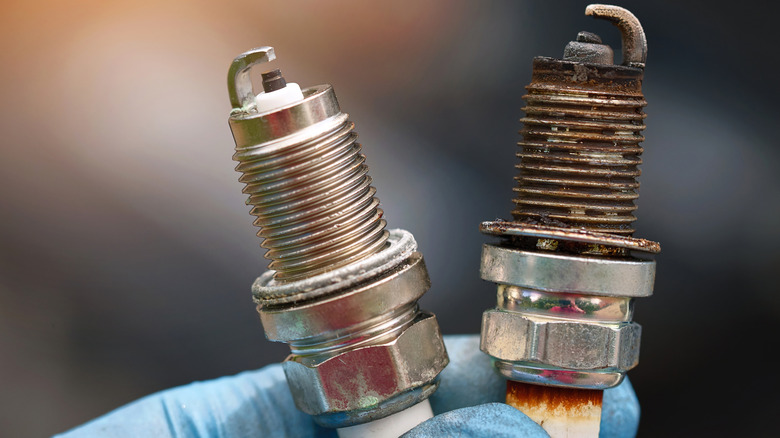
Look closely at the spark plug tip and electrodes. If you see heavy black soot or oily deposits, it could indicate engine oil leaks or improper fuel mixture.
Cracks, chips, or melted electrodes are clear signs the spark plug needs immediate replacement. Also, check for corrosion or rust on the metal parts, which can affect performance.
Have you noticed your engine misfiring or struggling to start? These visual clues often explain why.
Measuring Spark Plug Gap
The gap between the center and ground electrode must match your vehicle’s specifications for optimal performance. Use a feeler gauge to measure this gap precisely.
If the gap is too wide, the spark may be weak; too narrow, and the spark may misfire. Adjusting the gap carefully can improve engine efficiency.
Keep your vehicle’s manual handy—you’ll find the exact gap size needed for your specific spark plugs.
When To Clean Vs Replace
Cleaning spark plugs can extend their life if the wear is minor and deposits are light. Use a wire brush or spark plug cleaner to gently remove carbon buildup.
However, if the plug shows physical damage, heavy deposits, or a worn electrode, replacement is the safer choice. Don’t risk engine damage or poor fuel economy by holding onto bad plugs.
Ask yourself: is the plug’s condition affecting your car’s performance? If yes, replacement is usually the best option.
Steps To Replace Spark Plugs
Replacing spark plugs might seem intimidating, but breaking it down into clear steps makes it manageable. Knowing exactly how to prepare your vehicle, remove the old plugs, install the new ones, and apply the right torque can save you time and money. Let’s walk through each part carefully so you can handle this maintenance confidently.
Preparing Your Vehicle
Start by parking your car on a flat surface and turning off the engine. Make sure the engine is cool to avoid burns, as spark plugs are located near hot engine parts.
Gather the tools you’ll need: a spark plug socket, ratchet wrench, extension bar, and a gap gauge. Have the new spark plugs ready, and consider cleaning around the plugs to keep dirt from falling into the cylinder.
Removing Old Spark Plugs
Locate the spark plugs by following the ignition wires or coil packs. Gently disconnect the ignition wires or coils without pulling on the wires themselves to avoid damage.
Use the spark plug socket and ratchet to carefully loosen and remove each old spark plug. If one feels stuck, apply a little penetrating oil and wait before trying again.
Installing New Spark Plugs
Check the gap on your new spark plugs with a gap gauge to match the manufacturer’s specifications. This ensures proper firing and engine efficiency.
Thread each new plug by hand at first to avoid cross-threading. Once hand-tight, use the ratchet and socket to snug them down securely but don’t overtighten.
Torque Specifications And Tips
Torque specifications vary by vehicle, so consult your owner’s manual or a reliable repair guide. Using a torque wrench helps you tighten plugs to the exact recommended setting, preventing damage or poor performance.
- Too loose? You risk engine misfires and poor fuel economy.
- Too tight? You might strip the threads or break the plug.
Have you ever struggled with a stuck spark plug or unsure if you tightened it enough? Using the right tools and torque can avoid these common pitfalls and keep your engine running smoothly.

Credit: www.acg.aaa.com
Benefits Of Regular Spark Plug Replacement
Replacing spark plugs regularly helps keep your car running smoothly. It stops small problems from turning into big issues. Clean and efficient spark plugs make the engine work better. This saves money on fuel and repairs. It also helps the environment by lowering harmful gases.
Improved Engine Performance
New spark plugs create a strong spark to ignite the fuel. This makes the engine run with more power and less hesitation. Your car starts easier and drives smoother. You feel the difference in acceleration and overall engine response.
Better Fuel Economy
Old spark plugs can waste fuel by not burning it fully. Fresh plugs burn fuel more completely. This means your car uses less gas to go the same distance. You spend less on fuel and get more miles per gallon.
Reduced Emissions
Proper spark plug function lowers harmful exhaust gases. Burning fuel fully means fewer pollutants released into the air. This helps meet emissions rules and keeps the air cleaner. A cleaner engine means a greener drive.
Longer Engine Life
Worn spark plugs cause engine strain and damage. Regular replacement reduces engine stress and wear. This helps prevent costly repairs and extends engine life. Your car stays reliable for many more miles.
Common Mistakes To Avoid
Avoiding common mistakes when replacing spark plugs can save you time, money, and a lot of frustration. Many drivers underestimate how critical the right spark plug maintenance is for your engine’s performance. Understanding what to avoid helps you keep your vehicle running smoothly and prevents costly repairs down the road.
Using Incorrect Spark Plugs
Using the wrong spark plugs can damage your engine or reduce fuel efficiency. Each vehicle has specific spark plug types, heat ranges, and sizes recommended by the manufacturer. Installing a plug that doesn’t match these specs can cause misfires or poor combustion.
Have you ever grabbed the cheapest spark plug at the store only to find your engine running rough afterward? It’s tempting to cut corners, but matching the exact spark plug type is essential for your engine’s health.
Over-tightening Or Under-tightening
Many people either crank the spark plugs too tight or don’t secure them enough. Over-tightening can strip the threads in the cylinder head, leading to expensive repairs. On the other hand, under-tightening might cause poor contact or even cause the plug to loosen while driving.
Use a torque wrench and follow the recommended torque settings to avoid these issues. It’s a small step that prevents major headaches later.
Ignoring Manufacturer Guidelines
Skipping the manufacturer’s guidelines for spark plug replacement intervals can shorten your spark plugs’ lifespan. These guidelines are based on extensive testing to ensure optimal performance and longevity. Ignoring them might mean replacing plugs too late, causing engine knocking or inefficient fuel use.
Think about your last spark plug change—did you check your owner’s manual or just rely on guesswork? Sticking to the schedule keeps your engine in top shape.
Skipping Regular Inspections
Waiting until your spark plugs completely fail is a costly mistake. Regular inspections can catch early signs of wear, fouling, or damage before they affect your engine’s performance. Simple checks every 20,000 to 30,000 miles can prevent breakdowns and improve fuel economy.
Do you inspect your spark plugs during oil changes or ignore them until there’s a problem? Making inspections part of your routine helps you stay ahead of issues and avoid emergency repairs.
Credit: beachautomotive.com
Frequently Asked Questions
How Often Should Spark Plugs Be Replaced?
Spark plugs typically need replacement every 30,000 to 100,000 miles. Check your vehicle’s manual for exact intervals. Regular replacement ensures better engine performance and fuel efficiency.
What Signs Indicate Worn-out Spark Plugs?
Common signs include engine misfires, rough idling, poor acceleration, and reduced fuel economy. If you notice these, inspect or replace your spark plugs promptly.
Can Old Spark Plugs Damage My Engine?
Yes, worn spark plugs can cause misfires and poor combustion. This leads to engine damage over time and costly repairs. Timely replacement protects your engine’s health.
Are All Spark Plugs Replaced At The Same Time?
Yes, it’s best to replace all spark plugs simultaneously. This ensures uniform performance and prevents engine issues caused by uneven wear.
Conclusion
Regular spark plug replacement keeps your engine running smooth. Check your car manual for the recommended interval. Worn spark plugs can cause poor fuel economy and engine trouble. Changing them on time saves money and avoids big repairs. Pay attention to signs like rough idling or hard starts.
Simple maintenance helps your car last longer and perform better. Don’t wait for problems—stay ahead with timely spark plug care. It’s a small step that makes a big difference.





