A great lawn starts with the right mower. Whether you're pushing a small reel cutter across a postage-stamp yard or piloting a wide-deck rider across an acre, the machine you choose determines how your grass looks, how long the job takes, and how much of your weekend you get back. The market has never been more crowded—gas, battery, corded electric, robotic, and riding models compete at every price point, and each has genuine strengths.
That's why this guide cuts through the noise. Below, we break down the types of mowers, the features that actually matter, the brands that consistently deliver, and the best picks for yards of every size. We'll also cover the upkeep and safety practices that keep your investment running strong for years. By the end, you'll know exactly which mower belongs in your shed.
Types of Lawn Mowers
The type of mower you need depends less on brand loyalty and more on the size and terrain of your lawn, your physical comfort, and your tolerance for maintenance. Here's how the main categories stack up.
Push Mowers
Manual push mowers—especially reel mowers—are the simplest machines available. You supply the power, and the spinning reel clips grass cleanly without gas, oil, or electricity. They're quiet, lightweight, and perfect for small, flat yards under about 2,000 square feet.
The tradeoff is effort. On anything hilly or oversized, a manual mower becomes a workout you didn't sign up for. But if your lawn is compact and you want zero emissions and minimal upkeep, a quality reel mower can deliver a manicured, striped finish that rivals any powered option. For slightly larger lots, a gas-powered push mower still works well and offers more cutting power without the need to charge or recharge.
Self-Propelled Mowers
Self-propelled mowers use a drive system—usually front-wheel, rear-wheel, or all-wheel drive—to move the mower forward while you simply guide it. Rear-wheel drive models offer the best traction and handling on slopes, while front-wheel drive models feel lighter and more nimble on flat ground.
These machines are the sweet spot for medium lawns (roughly 2,000 to 8,000 square feet) and for anyone who wants the option to ease off on steep terrain. Many models include variable speed control, so you can walk at a comfortable pace. They still require you to steer, turn, and handle the bagging or mulching yourself, but they remove most of the physical strain.
Riding Mowers
When your yard exceeds half an acre, a riding mower starts to make sense. You sit, steer, and let the engine do the heavy lifting. Traditional garden tractors feature a front engine and a wide cutting deck, usually 42 to 54 inches, making short work of large open areas.
Zero-turn mowers take things further with incredible maneuverability—rear steering wheels let you pivot on a spot, which cuts mowing time dramatically on lawns with trees, flower beds, and tight corners. Flat terrain is where zero-turns shine, as we cover in our guide to zero-turn mowers on flat ground. For those with larger properties who value ride comfort and stability, a rear-engine rider offers a lower profile and easier mounting, which we discuss in our rear-engine riding mower recommendations.
Robotic Mowers
Robotic mowers have matured from novelty to genuinely viable. A boundary wire (or GPS mapping on newer models) defines your lawn, and the bot returns to its dock to charge between mows. These machines maintain a consistent cut by mowing frequently—sometimes daily—which keeps clippings short enough to leave as natural fertilizer.
The upfront cost is significant, and installation takes some effort, but the time savings are real. If you'd rather spend Saturday mornings with coffee than a mower deck, a robotic model is the ultimate convenience play.
Key Features to Consider
Once you've narrowed the mower type, focus on the features that separate a frustrating tool from a joy to use.
Cutting Width and Height
Cutting width determines how many passes you need to cover your lawn. A 21-inch deck is standard for push and self-propelled mowers; riders range from 38 to 60 inches or more. Wider decks save time on open lawns but make tight spaces and narrow gates awkward.
Height adjustability matters just as much. Different grass species and seasons call for different cutting heights. For example, Kentucky bluegrass thrives at a specific mowing height, and summer heat demands you raise the deck to protect the roots. Look for a mower with tool-free, single-lever height adjustment to make these changes effortless.
Power Source Options
Here's the big fork in the road: gas, corded electric, or battery.
- Gas mowers deliver maximum power and runtime. They handle thick, wet grass and large yards without breaking a sweat. The downsides are noise, emissions, and regular maintenance—oil changes, air filter cleaning, and fuel management.
- Corded electric mowers are light, quiet, and zero-emission, but the cord limits your range. They work well on small, flat yards close to an outlet.
- Battery mowers offer the best of both worlds: cordless freedom, low noise, and no direct emissions. Modern lithium-ion models with 40V or 56V batteries rival gas power for medium lawns, though runtime can dwindle on thick grass or slopes.
If you're leaning toward an electric model, our best electric mowers for small yards guide highlights top performers. For larger properties, gas remains the workhorse choice—explore the top gas riders for big lawns to see what stands out.
Maneuverability and Weight
A mower that feels heavy from the first push will feel impossible by the tenth. Lightweight models with aluminum decks reduce fatigue, while self-propulsion compensates for added weight. Test the handle height and ensure the controls fall naturally under your hands. On uneven ground, look for larger rear wheels that improve traction and stability.
Durability and Build Quality
Steel decks outperform plastic and even stamped aluminum when it comes to longevity, though they add weight. Check the frame, wheels, and blade housing for solid construction. Read owner reviews for long-term reliability reports, and pay attention to the warranty—a longer warranty signals manufacturer confidence. Routine care like cleaning the mower deck after each use prevents corrosion and keeps the underside smooth.
Top Lawn Mower Brands
Some manufacturers have earned reputations for consistent quality, reliable engines, and smart design. Here are the names trust most often.
Honda
Honda's GCV engines are legendary for their reliability and easy starting. Their mowers are quiet for gas units, fuel-efficient, and built to last a decade or more with basic care. The twin-blade MicroCut system produces fine clippings that mulch effectively, and the Versamow system allows quick switching between bagging, mulching, and discharging.
Toro
Toro pioneered the recycler mowing deck that re-circulates clippings for a natural feeding, and they continue to innovate with features like electric start, personal pace self-propulsion that matches your walking speed automatically, and reliable SmartStow folding handles for compact storage. Toro covers everything from push mowers to high-end zero-turns.
John Deere
For large properties, John Deere's riding mowers are a benchmark. Their tractors offer smooth hydrostatic transmissions, comfortable high-back seats, and robust frames. If you're comparing brands for a rider, our Honda vs. John Deere comparison breaks down the key differences to help you decide.
Greenworks
Greenworks has become a leader in the battery mower space, offering a broad lineup of 40V and 60V cordless mowers at competitive prices. Their tools are lightweight, quiet, and well-suited to suburban lawns. If you're already in the Greenworks battery platform, adding a mower is a no-brainer.
EGO
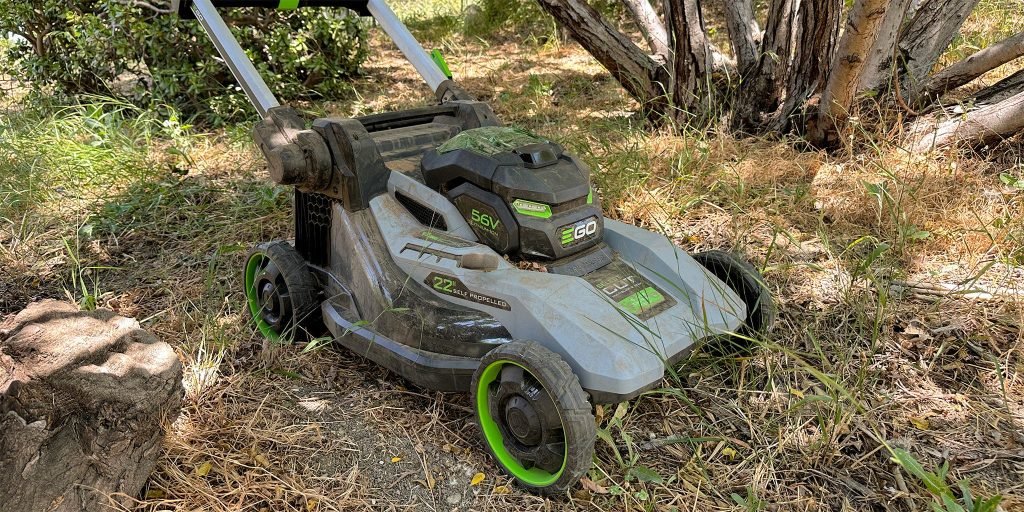
EGO's 56V Arc-Lithium batteries set the standard for cordless performance. Their Peak Power technology can deliver up to 11 horsepower equivalent, tackling thick grass that struggles against lesser battery mowers. EGO also offers a full line of compatible outdoor tools using the same battery platform.
Best Lawn Mowers for Small Lawns
Small lawns reward compact, efficient machines that don't overwhelm the space.
Compact and Lightweight Models
For yards under 2,500 square feet, a push mower—gas, electric, or manual—is ideal. Look for a cutting deck around 14 to 16 inches, which makes maneuvering around flower beds and tight corners simple. Many models fold upright for effortless storage in a shed or corner of the garage. Keep the safe operation tips for small mowers in mind, particularly the importance of reading the manual and understanding your mower's controls.
Electric and Battery-Powered Options
Cordless mowers shine here. A 40V model with a 16-inch deck typically mows a small lawn several times per charge. They start instantly, need no fuel, and produce minimal noise—so you can mow early without upsetting neighbors. Corded models cost less and offer unlimited runtime, but plan your extension cord route before you start.
Quick Recommendations for Small Lawns:
| Mower type | Best for | Typical runtime/deck |
|---|---|---|
| Manual reel | Flat, lawns under 1,500 sq ft | Unlimited (you power it) |
| Corded electric | Lawns under 2,000 sq ft near outlets | Unlimited (cord-bound) |
| Cordless battery | Lawns up to 4,000 sq ft | 30–60 min charge |
| Small gas push | Lawns up to 4,000 sq ft | 45–60 min per tank |
For more detail, our guide to medium-yard mowers covers options that bridge the gap between small and large properties.
Best Lawn Mowers for Large Lawns
Big properties demand machines built for endurance and speed. A mower that takes three hours on an acre is a time sink; the right one can cut that in half.
High-Powered Gas Mowers
For lawns from half an acre to one acre, a self-propelled gas mower with a 21- or 22-inch deck and an engine of 160cc or more provides the power you need. Look for features like electric start, large rear wheels for traction, and a durable steel deck. These mowers handle thick grass and moderate slopes with ease, and they don't require an outlet or a battery swap mid-job.
Riding Mowers with Wide Cutting Decks
For anything over one acre, a rider is the way forward. An entry-level riding mower with a 42-inch deck can finish a one-acre lawn in about an hour—roughly half the time of a walk-behind. Zero-turn models with 48- or 54-inch decks slash even that time, though they come at a premium.
Key considerations for riders:
- Deck width: Match deck size to your lawn. Wider decks reduce mowing time but may not fit through gates.
- Engine power: 18 to 24 horsepower is plenty for residential mowing.
- Transmission: Hydrostatic (automatic) transmissions are smoother and easier than manual shifts.
- Comfort: Look for adjustable seats, armrests, and ergonomic controls for hours of comfortable mowing.
For outstanding maneuverability on open, flat lawns, a zero-turn mower is the top choice. If budget is the priority, however, a traditional riding mower offers excellent value and reliability.
Maintenance and Care Tips
Even the best mower will disappoint if neglected. A simple seasonal routine prevents breakdowns and keeps your cut crisp.
Blade Sharpening
A sharp blade is the single most important factor in a clean cut. Dull blades tear grass, leaving ragged edges that brown and invite disease. Sharpen your blade every 20 to 25 hours of mowing—or whenever you notice frayed tips. Remove the blade, secure it in a vise, and file or grind the edge to match the original angle. Balance the blade before reinstalling to avoid vibration.
Engine Care
For gas mowers, change the oil at the start of each season or after every 25 hours of use. Replace the air filter if it's dirty, and inspect the spark plug annually. Use fresh fuel, and add a fuel stabilizer to the tank before long-term storage.
Cleaning and Storage
After each mow, clear clippings and debris from the deck and underside. A build-up of wet grass accelerates rust and reduces cutting efficiency. Use a scraper or a hose attachment designed for this purpose—just don't blast water directly at the engine or electrical components. Let the mower dry fully before storing it in a dry location. For cold-climate storage, drain the fuel or run the mower with stabilized fuel to prevent gumming.
Safety Tips While Mowing
Mowing is routine, but it's also an activity that sends tens of thousands of people to emergency rooms each year. A few habits keep you safe.
Protective Gear
Always wear closed-toe shoes with good grip—steel-toed boots are even better. Safety glasses protect your eyes from flying debris, and hearing protection is wise for any gas mower. Gloves reduce blistering and improve grip. Small children should never be on or near a running mower; wait until they're old enough to understand the dangers before involving them.
Safe Operating Practices
- Clear the lawn first. Pick up sticks, stones, toys, and pet waste before mowing. These objects become dangerous projectiles when struck by a blade.
- Never mow wet grass. Wet grass clumps, clogs the deck, and increases slip and fall risks on slopes.
- Push, don't pull. Mowing backward can pull the mower over your feet.
- Mow across slopes, not up and down, when using a walk-behind mower to prevent tipping.
- Turn off the engine and disconnect the spark plug before checking the blade or removing clogs.
Frequently Asked Questions
What factors determine the best lawn mowers?
Lawn size is the primary factor. Small, flat yards suit manual or electric push mowers; medium yards benefit from self-propelled or battery models; large yards call for riding mowers. Terrain, storage space, noise tolerance, and maintenance willingness all factor in.
Which lawn mower type suits small yards best?
Electric push mowers—corded or battery—are ideal for small yards under 3,000 square feet. They're light, quiet, low-maintenance, and easy to store. A manual reel mower is an excellent zero-emission option for very flat, small lawns.
How often should you service a lawn mower?
Perform basic maintenance—oil changes, air filter checks, blade sharpening—at the start of each season and after roughly 25 hours of use. Clean the mower after every use. Refer to your owner's manual for specific intervals.
Are cordless lawn mowers worth buying?
Yes, for most lawns under half an acre. Modern battery mowers deliver strong power, instant start, and zero emissions. Their main limitation is runtime on large properties, but a spare battery solves that. They also require far less maintenance than gas mowers.
Conclusion
Choosing the right lawn mower comes down to honestly assessing your lawn's size, terrain, and your own preferences. Small flat yards can get by with a lightweight electric or manual mower. Medium properties benefit from the convenience of self-propelled or battery-powered models. Large acreage demands the speed and comfort of a riding mower, ideally with a wide deck.
Brands like Honda, Toro, John Deere, EGO, and Greenworks have proven track records. Pair your purchase with a simple maintenance routine—sharpen the blade, keep the deck clean, change the oil regularly—and your mower will reward you with a healthy, beautiful lawn season after season. Take your time, do the research, and invest in the machine that fits your yard. The end result is worth it: more time enjoying your lawn, and less time fighting it.





