Are you wondering when to change your spark plugs? This small but crucial component of your engine can have a big impact on your car’s performance.
If your vehicle feels sluggish, struggles to start, or is using more fuel than usual, it might be time for a spark plug check-up. Replacing them at the right time can save you money and headaches down the road. We’ll explore the signs that indicate it’s time for a change and how you can ensure your car runs smoothly.
Stick around to find out how you can keep your engine in top shape and avoid costly repairs. Your car deserves it, and so do you.
Credit: jerry.ai
Signs Of Worn Spark Plugs
Worn spark plugs can silently cause trouble for your vehicle, affecting how it runs and how much fuel it uses. Recognizing the signs early helps you avoid costly repairs and keeps your car performing smoothly. Let’s look at some clear symptoms that your spark plugs might need changing.
Engine Misfires And Rough Idling
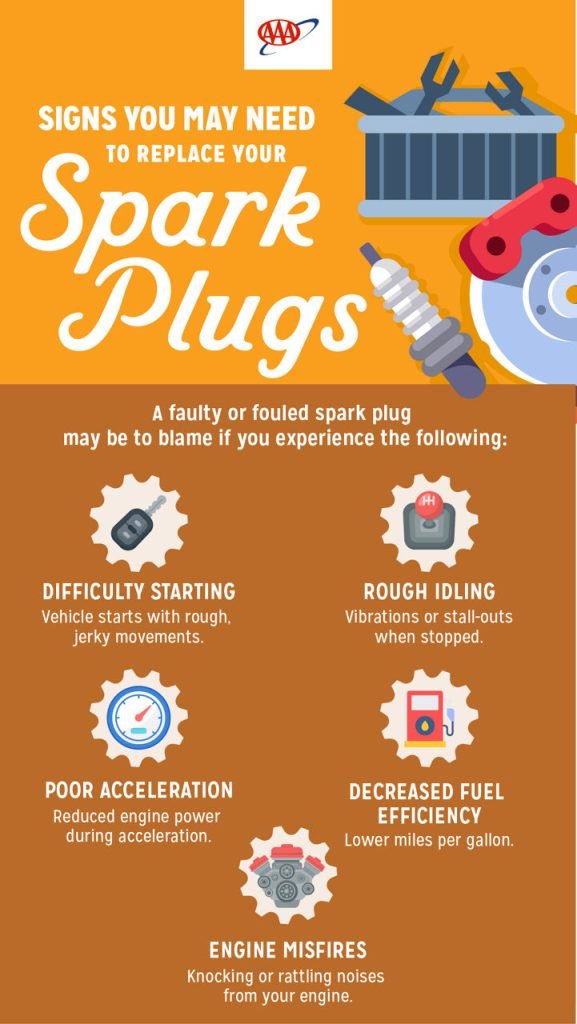
Have you noticed your engine jerking or hesitating while driving? This often happens because worn spark plugs can’t ignite the fuel-air mixture properly.
When the spark is weak or inconsistent, the engine misfires. You might also feel rough idling, where the engine shakes or sounds uneven when your car is stopped but still running.
Ignoring this can lead to more serious engine damage. Do you feel a difference in how your engine sounds or runs lately?
Reduced Fuel Efficiency
Are you filling up your tank more often than usual? Worn spark plugs can cause poor fuel combustion, which means your engine burns more fuel to get the same power.
This inefficiency directly impacts your wallet with higher fuel costs. Keeping your spark plugs in good shape helps you get the most miles per gallon and saves money over time.
Difficulty Starting The Engine
Struggling to start your car is a frustrating experience, especially in the morning. If your engine cranks but won’t start easily, worn spark plugs might be the culprit.
Old plugs can fail to create the spark needed to ignite the fuel, leaving you waiting or trying multiple times. Have you noticed your car hesitating before it finally starts?
Credit: www.terrylabontechevy.com
Manufacturer’s Recommended Intervals
Manufacturer’s recommended intervals guide you on the best time to change spark plugs. Following these intervals helps maintain engine performance and fuel efficiency. Each car maker tests and sets these schedules based on extensive research. Sticking to these intervals can prevent engine misfires and rough idling.
Standard Replacement Timelines
Most manufacturers suggest changing spark plugs every 30,000 to 100,000 miles. The exact number depends on the spark plug type and vehicle design. Copper spark plugs usually need replacement closer to 30,000 miles. Iridium or platinum plugs can last up to 100,000 miles.
Variations By Vehicle Type
Different vehicles require different spark plug schedules. Small cars often have longer intervals because of lighter engine loads. Trucks and SUVs may need earlier replacements due to heavier use. High-performance cars might need more frequent changes to keep peak power.
Impact Of Driving Conditions
Driving habits affect spark plug life. Short trips and stop-and-go traffic cause faster wear. Harsh climates, like extreme heat or cold, also reduce spark plug lifespan. Regular highway driving usually helps spark plugs last longer.
Inspecting Spark Plugs Yourself
Inspecting spark plugs yourself can save money and help maintain your car’s performance. It is a simple process that anyone can do with basic tools. Regular checks can prevent engine issues and improve fuel efficiency.
Before starting, make sure the engine is cool to avoid burns. Removing and examining each spark plug gives clues about the engine’s health. Here is how to inspect spark plugs step by step.
Tools You’ll Need
- Spark plug socket wrench
- Ratchet or breaker bar
- Feeler gauge for gap measurement
- Wire brush or spark plug cleaner
- Gloves to protect your hands
- Flashlight for better visibility
Visual Clues Of Damage
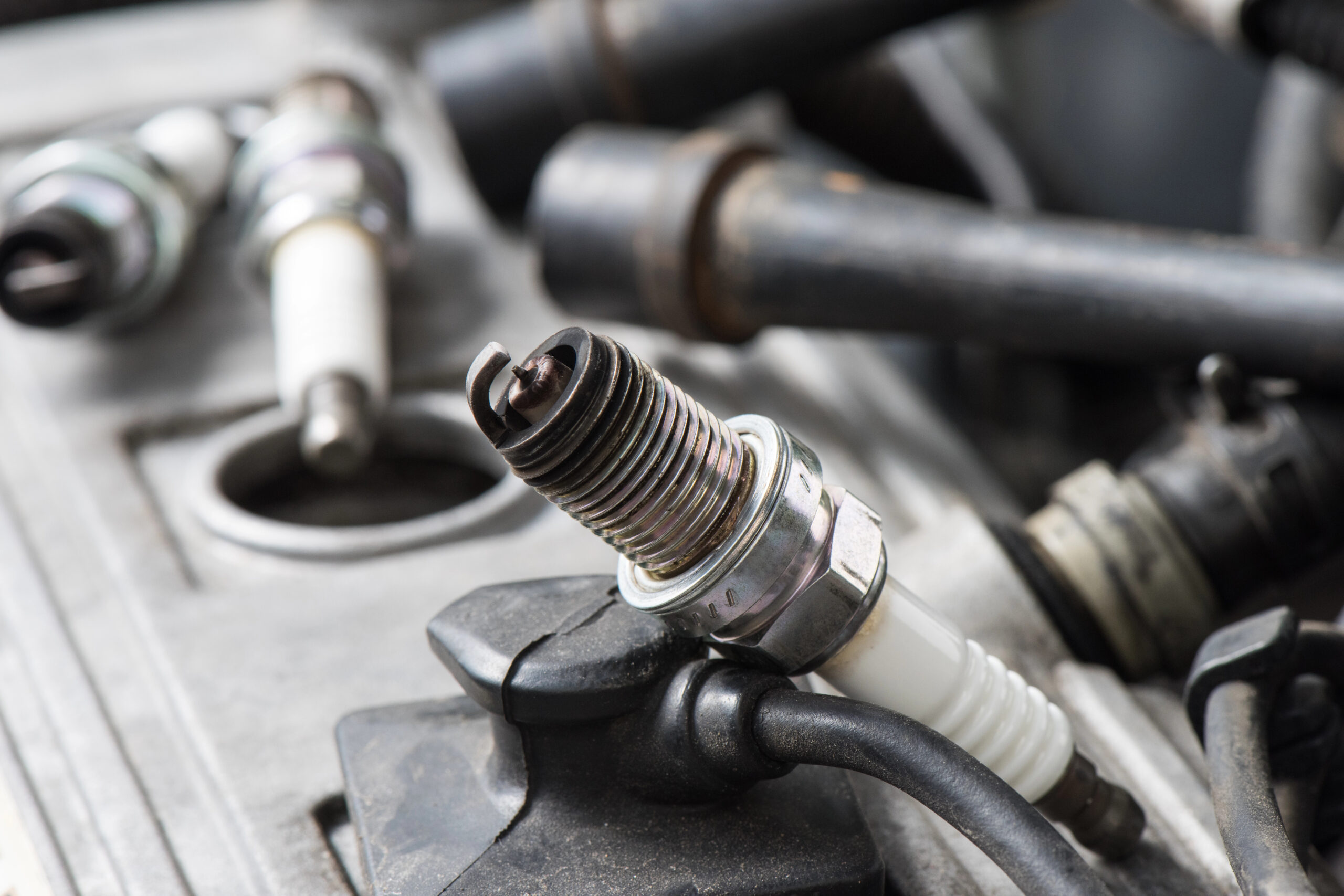
Look for cracks or chips on the ceramic insulator. Black soot or oily deposits indicate fouling. A white, blistered tip may show overheating. Check for worn or rounded electrodes. Rust or corrosion on the metal parts is a bad sign. These clues suggest the spark plug needs replacement.
Measuring Electrode Wear
Use a feeler gauge to check the spark plug gap. The gap is the distance between the center and side electrodes. Compare the measurement to your vehicle’s manual specs. A gap that is too wide or narrow affects engine performance. Adjust the gap gently or replace the plug if needed.
Effects Of Delayed Spark Plug Replacement
Delaying the replacement of spark plugs can lead to noticeable and costly issues in your vehicle. Spark plugs play a critical role in igniting the fuel-air mixture inside your engine, and when they wear out, the consequences quickly add up. Ignoring their condition doesn’t just reduce performance; it can harm your car in ways you might not expect.
Engine Performance Decline
When spark plugs get old, they struggle to produce a strong spark. This weak spark causes incomplete combustion, making your engine run rough or misfire. You may notice your car hesitates during acceleration or feels sluggish overall.
Have you ever felt your car jerk unexpectedly or lose power going uphill? That’s often a sign your spark plugs need attention.
Increased Emissions
Worn spark plugs lead to poor fuel burning, which increases harmful exhaust emissions. This not only affects the environment but can also cause your vehicle to fail emission tests. Higher emissions mean your engine is working inefficiently, wasting fuel and money.
Think about how much you spend on fuel monthly—could worn spark plugs be silently draining your wallet?
Potential Engine Damage
Ignoring spark plug replacement can cause unburned fuel to enter the exhaust system, damaging components like the catalytic converter. Over time, this can lead to expensive repairs that far exceed the cost of new spark plugs. Engine knocking and overheating are other risks that can seriously harm your car.
Are you willing to risk a major engine repair just to skip a simple maintenance step?
Benefits Of Timely Spark Plug Changes
Changing spark plugs on time keeps your car running well and saves money. It helps your engine work properly and reduces wear. Timely changes prevent bigger problems and keep your vehicle reliable.
Improved Engine Efficiency
Fresh spark plugs create a stronger spark for better combustion. This helps the engine burn fuel fully. As a result, the engine runs smoother and produces more power. Old spark plugs cause misfires and rough idling, lowering engine efficiency.
Better Fuel Economy
Efficient combustion uses less fuel for the same power output. New spark plugs help maintain the correct air-fuel mix. This reduces wasted fuel and lowers fuel costs. Worn plugs increase fuel consumption and hurt gas mileage.
Smoother Driving Experience
Timely spark plug changes reduce engine hesitation and stalling. Your car accelerates smoothly without jerks or rough spots. You get steady performance and less vibration. Driving feels easier and more comfortable.
Choosing The Right Spark Plugs
Choosing the right spark plugs is key to keeping your engine running smoothly. The correct spark plug improves fuel efficiency, engine power, and reduces emissions. Picking the wrong type can cause poor performance and damage. Understanding spark plug types, vehicle compatibility, and cost versus quality helps make the best choice.
Types Of Spark Plugs
Spark plugs come in various types based on materials and design. Common types include:
- Copper: Good conductivity, low cost, but wears out faster.
- Platinum: Longer lifespan than copper, better for modern engines.
- Iridium: Very durable, efficient spark, usually more expensive.
- Double Platinum or Iridium: Designed for waste spark systems, lasts longest.
Each type suits different engine needs and driving styles.
Compatibility With Your Vehicle
Every car requires specific spark plug types and sizes. Check your vehicle’s manual or manufacturer’s website for recommended plugs. Using the wrong plug can cause misfires or engine damage. Pay attention to:
- Thread size and length
- Heat range
- Gap size
Correct compatibility ensures optimal engine performance and longevity.
Quality Vs. Cost Considerations
High-quality spark plugs last longer and perform better. Cheap plugs may save money upfront but wear out quickly. Consider these points:
- Durability: Premium plugs resist wear and corrosion.
- Performance: Better ignition leads to smoother engine operation.
- Maintenance: Longer-lasting plugs reduce replacement frequency.
Investing in quality saves money and hassle over time.
Professional Replacement Vs. Diy
Deciding between professional spark plug replacement and doing it yourself can feel tricky. Both options have their merits, but understanding when to rely on expert help or roll up your sleeves can save you time, money, and stress. Let’s break down the key points to help you choose the best approach for your vehicle and skill level.
When To Seek Expert Help
If your engine has unusual symptoms like persistent misfires, rough idling, or difficulty starting, professional diagnostics are a smart choice. Mechanics can spot hidden issues beyond worn spark plugs, such as ignition coil problems or wiring faults.
Also, if your vehicle’s spark plugs are hard to reach or require special tools, a mechanic can prevent damage during removal or installation. Don’t underestimate the value of their experience, especially with modern cars that have complex engine layouts.
Finally, if you’re short on time or unsure about your skills, paying for a professional replacement ensures the job is done right the first time. Would you risk causing engine damage just to save an hour?
Step-by-step Diy Guide
Start by consulting your vehicle’s manual to find the right spark plug type and recommended replacement interval. Gather necessary tools: a spark plug socket, ratchet, torque wrench, and a gap gauge.
- Locate the spark plugs by removing the engine cover or ignition coil boots.
- Carefully unscrew and remove old spark plugs one at a time to avoid mix-ups.
- Check the gap on new plugs and adjust it if needed to match manufacturer specs.
- Install new spark plugs by hand to avoid cross-threading, then tighten them with a torque wrench.
- Reconnect ignition components and start the engine to test for smooth operation.
This process may sound straightforward, but attention to detail is critical. Missing a single step can cause poor engine performance or damage.
Safety Precautions
Always work on a cool engine to prevent burns. Disconnect the battery to avoid electrical shocks or accidental short circuits.
Wear gloves and safety glasses to protect your hands and eyes from debris or chemicals. Use the correct tools to prevent slipping or stripping spark plugs.
Ensure your workspace is well-lit and free from distractions. Have a fire extinguisher nearby just in case. Are you prepared to handle unexpected complications safely?
Credit: beachautomotive.com
Frequently Asked Questions
How Often Should Spark Plugs Be Replaced?
Spark plugs typically need replacement every 30,000 to 100,000 miles. Check your vehicle’s manual for exact intervals. Worn spark plugs reduce engine efficiency and fuel economy.
What Are Signs Of Failing Spark Plugs?
Common signs include engine misfires, rough idling, poor acceleration, and increased fuel consumption. If you experience these, inspect or replace spark plugs promptly.
Can Old Spark Plugs Damage My Engine?
Yes, worn spark plugs can cause misfires and poor combustion. This leads to engine damage over time and costly repairs if ignored.
How Do I Know If Spark Plugs Are Dirty?
Dirty spark plugs show black, sooty deposits or oil fouling on the electrodes. This indicates combustion issues needing cleaning or replacement.
Conclusion
Changing spark plugs on time keeps your engine running smooth. Worn plugs cause poor fuel use and hard starts. Check your car’s manual for the right interval. Watch for signs like rough idling or low power. Regular checks save you money on bigger repairs.
Clean, good spark plugs help your car last longer. Don’t wait for problems to grow. Stay ahead with simple maintenance. Your engine will thank you.





