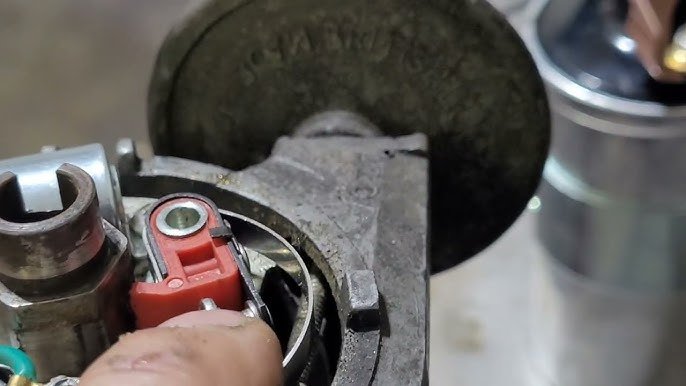
Are you struggling with engine misfires or a car that just won’t start? It might be time to check your spark plug coil.
This small but mighty component plays a crucial role in your vehicle’s ignition system. If it’s not functioning properly, your car can experience all sorts of issues. But fear not! Testing your spark plug coil is a straightforward task that you can do yourself, saving you time and money.
In this guide, you’ll learn how to test your spark plug coil quickly and easily, ensuring your engine runs smoothly and efficiently. Keep reading to uncover the simple steps that can restore your vehicle’s performance and put you back on the road with confidence!

Credit: www.slkworld.com
Spark Plug Coil Basics
Understanding the basics of a spark plug coil is essential before you test it. This small but powerful component plays a critical role in your vehicle’s ignition system. Knowing how it works and what problems it faces will help you spot issues early and keep your engine running smoothly.
Function And Importance
The spark plug coil, also called the ignition coil, transforms your car battery’s low voltage into a high voltage. This high voltage creates the spark needed to ignite the fuel-air mixture inside the engine cylinders.
Without a properly working coil, your engine won’t start or run efficiently. It affects fuel economy, engine power, and emissions. Have you ever wondered why your car hesitates or stalls unexpectedly? It could be a sign of a failing spark plug coil.
Common Issues
Spark plug coils often face wear and tear due to heat and vibration. Common problems include:
- Cracks in the coil casing that cause voltage leaks
- Internal short circuits reducing spark strength
- Corrosion on coil terminals leading to poor connections
These issues can cause symptoms such as rough idling, misfires, or difficulty starting your vehicle. Recognizing these signs early can save you from costly repairs. Have you checked your spark plug coil after experiencing any of these symptoms?
Tools Needed For Testing
Testing a spark plug coil requires specific tools to get accurate results. Having the right equipment makes the process easier and safer. You do not need many tools, but the essential ones must be reliable. Below are the key tools needed for testing spark plug coils.
Multimeter Use
A multimeter is the main tool for testing spark plug coils. It measures electrical resistance and voltage. Use it to check coil continuity and primary resistance. A digital multimeter is easy to read and more accurate. Set the multimeter to the ohms (Ω) setting before testing. Probes help connect the multimeter to coil terminals. This tool shows if the coil is working or faulty.
Additional Equipment
- Insulated Screwdrivers:For safely removing and handling coil parts.
- Spark Tester:To see if the coil generates a spark during engine start.
- Protective Gloves:To avoid electric shocks and keep hands clean.
- Service Manual:Provides coil resistance values and testing procedures specific to your vehicle.
Preparation Before Testing
Before testing your spark plug coil, getting everything ready is crucial. Proper preparation helps you avoid mistakes and keeps the process smooth. It also ensures your safety and the accuracy of your results.
Safety Precautions
Working with engine parts can be risky if you’re not careful. Always disconnect the car battery to prevent accidental shocks or sparks. Wear insulated gloves and safety goggles to protect your hands and eyes from electrical hazards and flying debris.
Make sure the engine is cool before you start. Hot parts can cause burns, and a cold engine prevents unexpected ignition while you work. Clear your workspace of any flammable materials to reduce fire risks.
Locating The Spark Plug Coil
Knowing exactly where the spark plug coil is located saves you time and frustration. Most vehicles have the coil mounted directly on top of each spark plug or in a coil pack assembly. Check your car’s manual or look online for images specific to your vehicle model.
Use a flashlight if the engine bay is dark or cluttered. Sometimes, dirt and grease can hide the coil, so clean the area gently before testing. Have your tools ready, like a ratchet and socket set, to remove any covers or components blocking access.

Credit: www.amazon.ca
Step-by-step Testing Process
Testing a spark plug coil isn’t as complicated as it might seem. With the right tools and a clear process, you can quickly find out if your coil is working properly or needs replacement. Let’s walk through the essential steps that will help you diagnose the coil’s condition effectively.
Checking Primary Resistance
Start by disconnecting the coil from the vehicle to avoid any electrical hazards. Use a multimeter set to the ohms (Ω) setting to measure the primary resistance. Place the multimeter probes on the coil’s primary terminals and note the reading.
Compare your measurement to the manufacturer’s specifications, usually found in the vehicle’s manual or online. A reading significantly outside the recommended range indicates a faulty coil. Have you ever been surprised by how a small resistance difference can affect engine performance?
Measuring Secondary Resistance
Next, check the secondary resistance, which tests the coil’s ability to deliver the high voltage needed for spark generation. Attach one probe to the coil’s secondary terminal (where the spark plug wire connects) and the other to a primary terminal.
Again, refer to the specified resistance range for your coil model. A higher or lower reading than expected means the coil might be weak or damaged inside. This step often reveals hidden issues that primary resistance tests alone can miss.
Inspecting For Physical Damage
Visual inspection is crucial before and after electrical testing. Look carefully for cracks, burns, corrosion, or melted plastic on the coil’s body and terminals. Even minor damage can cause misfires or poor engine performance.
Remember, some damage might be internal and invisible, but obvious external signs often point directly to coil failure. Have you checked your coil’s physical condition recently? It’s an easy step that can save you a lot of troubleshooting time.
Interpreting Test Results
Interpreting the results after testing your spark plug coil is crucial to know if it’s working properly or needs replacement. The numbers you get from your multimeter aren’t just random—they tell a story about the coil’s health. Understanding these values helps you avoid unnecessary parts swaps and saves you time and money.
Resistance Value Ranges
Every spark plug coil has specific resistance ranges you should expect when testing. Typically, the primary coil resistance is low, usually between 0.4 to 2 ohms, while the secondary coil resistance is higher, often ranging from 6,000 to 15,000 ohms. These values can vary based on the coil model, so checking your vehicle’s manual is always a smart move.
When your multimeter shows readings significantly outside these ranges, it’s a clear sign something’s wrong. Slightly high resistance might indicate worn insulation inside the coil, while a reading close to zero or infinite resistance suggests a short circuit or an open coil winding. Have you ever been surprised by a coil that seemed fine but failed these tests?
Identifying Faulty Coils
Spotting a faulty coil is easier than you think once you know what to look for. If your resistance readings are too high or too low, the coil likely won’t generate the proper spark your engine needs. This can cause misfires, rough idling, or even prevent your engine from starting.
Besides resistance tests, observe physical signs like cracks, corrosion, or burn marks on the coil body. Sometimes, coils pass resistance tests but still fail under load, so consider a spark tester or swapping with a known good coil for final confirmation. Have you checked your coils after experiencing engine hiccups? It might be the quickest fix you haven’t tried yet.
Troubleshooting Common Problems
Troubleshooting common problems with spark plug coils helps keep your engine running smooth. These coils send electricity to the spark plugs, igniting the fuel-air mix inside the engine. Faulty coils can cause engine troubles that affect performance and fuel efficiency.
Knowing how to spot and test these problems saves time and money on repairs. Below are typical issues and ways to identify them.
No Spark Issues
No spark means the coil fails to send electricity to the spark plug. This stops the engine from starting or running. Check the coil’s wiring for damage or loose connections first. Use a spark tester to see if the coil produces a spark.
- Inspect coil for cracks or burns
- Test coil resistance with a multimeter
- Check battery voltage to ensure proper power
If the coil shows no spark or wrong resistance, replace it. Sometimes dirt or moisture causes no spark. Clean and dry the coil before testing again.
Intermittent Misfires
Intermittent misfires cause the engine to hesitate or jerk during driving. The coil may work sometimes but fail at other times. Look for loose wires or corrosion on coil connectors.
- Shake the coil gently and listen for changes
- Check coil’s primary and secondary resistance
- Use an oscilloscope to observe coil signals if available
Replace coils with inconsistent readings or visible damage. Misfires can also come from worn spark plugs or faulty ignition modules. Test these parts as well to find the exact cause.
When To Replace The Spark Plug Coil
Knowing when to replace the spark plug coil is key to keeping your engine running smoothly. A worn coil can cause misfires, poor fuel economy, and rough idling. Timely replacement avoids bigger engine problems and saves money on repairs. Understanding the signs of wear and the benefits of replacement helps you maintain your vehicle effectively.
Signs Of Wear
- Engine misfires or runs unevenly
- Difficulty starting the engine
- Reduced fuel efficiency
- Check engine light turns on
- Visible cracks or damage on the coil
- Engine hesitation during acceleration
Benefits Of Replacement
- Improves engine performance and power
- Enhances fuel efficiency and saves money
- Prevents damage to other engine parts
- Reduces emissions and pollution
- Ensures smoother and more reliable starts
- Increases overall vehicle lifespan

Credit: www.youtube.com
Frequently Asked Questions
How Do I Test A Spark Plug Coil At Home?
You can test a spark plug coil using a multimeter. Measure primary and secondary resistance. Compare readings with manufacturer specifications for accuracy.
What Tools Are Needed To Test Spark Plug Coils?
A digital multimeter and a spark tester are essential. These tools help measure coil resistance and spark strength efficiently.
What Are Common Signs Of A Faulty Spark Plug Coil?
Engine misfires, poor fuel economy, and difficulty starting indicate coil issues. These symptoms suggest the coil may need testing or replacement.
Can A Bad Spark Plug Coil Damage The Engine?
Yes, a faulty coil can cause misfires, leading to engine damage. Prompt testing and replacement prevent costly repairs and maintain performance.
Conclusion
Testing a spark plug coil is simple with the right steps. Use a multimeter to check resistance and continuity. Look for cracks or damage on the coil. A good coil helps the engine run smoothly. Regular checks prevent engine problems and save money.
Take time to test carefully and stay safe. Knowing how to test spark plug coils keeps your vehicle reliable. Small efforts lead to better performance and fewer breakdowns. Keep your engine healthy by testing spark plug coils often.





