When was the last time you thought about your car’s spark plugs? If you’re like most drivers, they might not be top of mind.
However, these tiny components play a huge role in your vehicle’s performance. Ignoring them can lead to bigger problems down the road. Wouldn’t you want to ensure your car runs smoothly and efficiently? Knowing when to replace spark plugs can save you money, time, and headaches.
We’ll break down everything you need to know about spark plug replacement. Whether you’re a car enthusiast or a casual driver, understanding this simple maintenance task can extend your vehicle’s life and improve its performance. Ready to dive in? Let’s get started.
Role Of Spark Plugs
Spark plugs play a crucial role in your vehicle’s engine. Without them, the engine simply won’t run. Understanding their function helps you realize why timely replacement matters for your car’s health and performance.
How Spark Plugs Work
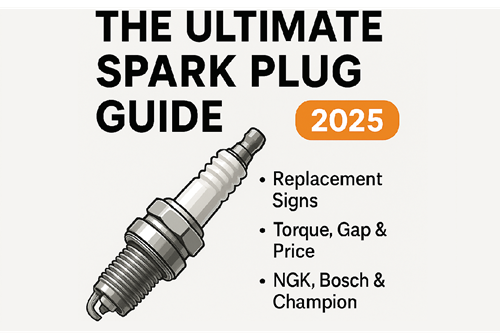
Spark plugs create the spark needed to ignite the air-fuel mixture inside your engine’s cylinders. This tiny spark triggers combustion, powering your car forward.
Each spark plug is designed to withstand extreme heat and pressure while delivering consistent sparks. When a spark plug wears out, the spark weakens or stops altogether, causing engine misfires or rough starts.
Impact On Engine Performance
Worn spark plugs reduce fuel efficiency and make your engine work harder. You might notice your car hesitating during acceleration or idling roughly.
Have you ever felt your car lagging or stalling unexpectedly? Poor spark plug performance could be the culprit. Replacing them restores smooth acceleration and can even reduce harmful emissions.
Credit: beachautomotive.com
Signs Of Worn Spark Plugs
Worn spark plugs can silently affect your car’s performance before you even realize there’s a problem. Recognizing the signs early can save you from costly repairs and frustrating breakdowns. Here are some clear indicators that your spark plugs might need replacing.
Engine Misfires And Rough Idle
Have you noticed your engine hesitating or jerking while driving? This is often a sign of spark plugs losing their spark power. When plugs wear out, they fail to ignite the fuel-air mixture properly, causing the engine to misfire.
A rough idle feels like the engine is shaking or running unevenly when your car is stopped. This can make your drive uncomfortable and may lead to further engine damage if ignored.
Reduced Fuel Efficiency
Do you find yourself at the gas station more often than usual? Worn spark plugs can reduce your vehicle’s fuel efficiency significantly. When plugs don’t fire efficiently, your engine burns more fuel to compensate, which means you spend more money filling up.
Keeping an eye on your mileage can help you catch this early. If your car’s fuel economy drops without any other explanation, worn spark plugs are a likely culprit.
Difficulty Starting The Engine
Struggling to start your car in the morning or after it’s been sitting? This common symptom often points to spark plug problems. Worn plugs can cause weak or inconsistent sparks, making it harder for the engine to ignite the fuel.
You might feel the engine cranking longer than usual before it catches. If this happens frequently, checking your spark plugs could save you from being stranded unexpectedly.
Recommended Replacement Intervals
Knowing the right time to replace spark plugs helps keep your engine running well. Spark plugs wear down over time and can cause poor engine performance. Following recommended replacement intervals helps prevent engine misfires and lowers fuel consumption. These intervals depend on factors like vehicle make, model, and spark plug type.
Manufacturer Guidelines
Car makers provide specific replacement schedules in the owner’s manual. These guidelines are based on tests for engine type and driving conditions. Most manufacturers suggest changing spark plugs between 30,000 and 100,000 miles. Some newer cars with advanced spark plugs allow longer intervals. Always check your manual to follow the exact recommendations for your vehicle.
Differences By Spark Plug Type
Spark plugs vary in material and design, which affects lifespan. Copper plugs usually last about 20,000 to 30,000 miles. Platinum plugs have a longer life, around 60,000 miles. Iridium plugs last the longest, often 100,000 miles or more. Choosing the right spark plug type helps set the right replacement schedule for your car.
Factors Affecting Replacement Timing
The timing to replace spark plugs depends on several key factors. Understanding these can help maintain your vehicle’s performance and fuel efficiency. Ignoring these factors may cause engine problems and increased fuel use. Knowing what affects spark plug wear helps you plan timely replacements.
Driving Conditions And Habits
Harsh driving conditions speed up spark plug wear. Short trips do not allow the engine to reach full temperature. This causes carbon build-up on plugs, reducing their efficiency.
Stop-and-go traffic also stresses spark plugs. Frequent acceleration and braking increase engine load. This wears out spark plugs faster than steady highway driving.
- City driving with heavy traffic
- Cold weather starts
- Driving with heavy loads or towing
These habits shorten spark plug life. Regular checks are important if you often drive in such conditions.
Vehicle Age And Mileage
Older vehicles usually need spark plug changes more often. Worn engines cause plugs to foul quickly. Higher mileage means more wear and tear on spark plugs.
Manufacturers suggest replacement intervals based on mileage. Many recommend changing plugs between 30,000 and 100,000 miles. This range depends on the spark plug type and vehicle model.
- Iridium or platinum plugs last longer
- Copper plugs wear out sooner
- Follow your vehicle’s maintenance schedule
Tracking your car’s age and mileage helps avoid sudden spark plug failure.
How To Check Spark Plug Condition
Checking the condition of spark plugs helps maintain engine performance. It prevents misfires and poor fuel economy. Simple checks reveal if plugs need replacement or cleaning. Regular inspection saves time and money on repairs.
Visual Inspection Tips
Remove the spark plug carefully using a wrench. Clean off dirt and oil before inspecting. Look for these signs on the plug:
- Black, sooty deposits:Indicates a rich fuel mixture or oil leakage.
- White, blistered insulator:Shows overheating or wrong heat range plug.
- Worn or rounded electrodes:Means the plug is old and less effective.
- Cracks or chips on ceramic:Requires immediate replacement to avoid engine issues.
Check the gap between electrodes using a feeler gauge. It should match the car manual’s specifications. Incorrect gaps cause poor ignition and engine trouble.
Using Diagnostic Tools
Advanced tools give more precise spark plug analysis. An OBD-II scanner reads engine codes related to ignition problems. It detects misfires caused by faulty plugs.
A multimeter measures spark plug resistance and continuity. High resistance means the plug is failing. Ignition testers simulate spark to confirm if plugs fire correctly.
Diagnostic tools help spot hidden issues. They save guessing and unnecessary replacements. Use them regularly for better engine health.

Credit: www.acg.aaa.com
Benefits Of Timely Replacement
Replacing spark plugs on time offers many benefits for your vehicle. It keeps the engine running smoothly and helps avoid bigger problems. Timely replacement improves performance, reduces pollution, and protects your engine’s lifespan.
Improved Engine Efficiency
New spark plugs create a stronger spark for better fuel burning. This means the engine works with less effort and uses fuel more wisely. Cars start easier and run smoother, saving fuel and money.
Lower Emissions
Worn spark plugs cause incomplete fuel burning, increasing harmful gases. Fresh spark plugs reduce these emissions. Cleaner burning fuel helps your car meet pollution rules and protects the environment.
Extended Engine Life
Old spark plugs can cause engine misfires and rough running. This adds stress and wear to engine parts. Replacing spark plugs on time keeps the engine healthy and lasts longer.
Diy Vs Professional Replacement
Deciding between replacing spark plugs yourself or hiring a professional depends on your comfort and skills. DIY replacement can save money and give a sense of accomplishment. Yet, it needs the right tools and knowledge. Professionals have experience and can spot other issues. Knowing the difference helps you choose what fits best for your car and budget.
Tools Needed For Diy
Replacing spark plugs at home requires some basic tools. Having the correct equipment makes the job easier and safer. Here are the essential tools you need:
- Spark plug socket with rubber insert
- Socket wrench and extension bar
- Torque wrench for proper tightening
- Gap gauge to check spark plug gap
- Anti-seize lubricant (optional but helpful)
- Dielectric grease to protect connections
- Protective gloves and safety glasses
- Owner’s manual to check specifications
Using the right tools reduces the risk of damaging the spark plugs or engine parts. It also makes the process smoother and faster.
When To Seek Professional Help
Some situations call for a mechanic’s expertise. Complex engine layouts can make spark plug access difficult. A professional knows the exact spark plug type and gap settings for your car. They can spot worn ignition coils or wiring issues that affect performance.
Choose professional replacement if:
- You lack the right tools or space
- The engine design is complicated
- You notice misfires or rough idling
- It’s your first time working on spark plugs
- Manufacturer recommends special procedures
Professionals use diagnostic tools to ensure the new plugs work correctly. They save time and help avoid costly mistakes.

Credit: simonsautorepairtaunton.com
Frequently Asked Questions
When Do Spark Plugs Typically Need Replacing?
Spark plugs usually need replacing every 30,000 to 100,000 miles. This depends on the type and vehicle usage. Regular checks help maintain engine efficiency and performance.
What Are Signs Of Worn Spark Plugs?
Worn spark plugs cause engine misfires, rough idling, and poor fuel economy. They may also make starting the engine difficult. Timely replacement prevents these issues.
How Does Driving Affect Spark Plug Lifespan?
Frequent short trips and heavy loads wear spark plugs faster. Highway driving tends to extend their life. Adjust replacement intervals based on your driving habits.
Can Bad Spark Plugs Damage The Engine?
Yes, faulty spark plugs can cause misfires and damage engine components. This leads to reduced performance and higher repair costs. Replacing them promptly protects your engine.
Conclusion
Spark plugs wear out over time and affect engine performance. Check them every 30,000 miles or as your car manual says. Worn plugs can cause rough starts and lower fuel efficiency. Replacing spark plugs on time keeps your car running smooth and saves money.
Don’t wait for problems; regular checks help avoid bigger repairs. Keep your engine healthy with simple spark plug care. Easy to do and worth the effort.





