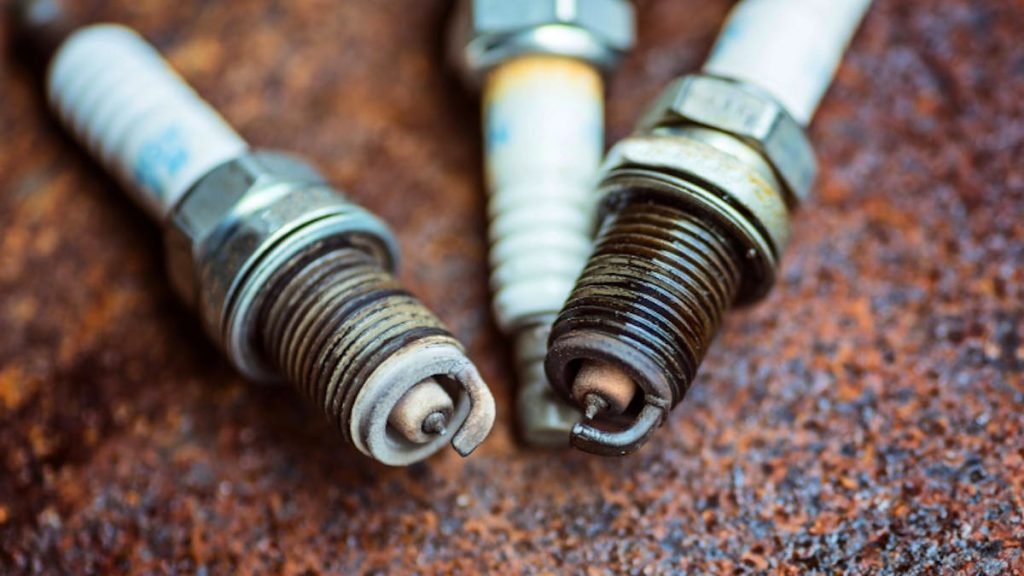
Choosing the right spark plugs for your car can feel like solving a puzzle with missing pieces. You might wonder, “What spark plugs fit my car?”
And that’s a question many drivers ask. Making the wrong choice can lead to poor performance, engine issues, or even damage over time. But imagine the peace of mind you’ll have knowing you’ve selected the perfect fit. This guide is designed to help you make that choice easily and confidently.
By the time you finish reading, you’ll not only know which spark plugs are right for your car, but you’ll also understand why they’re crucial for keeping your engine running smoothly. Stay with us, and let’s make sure your car’s engine purrs like a kitten.
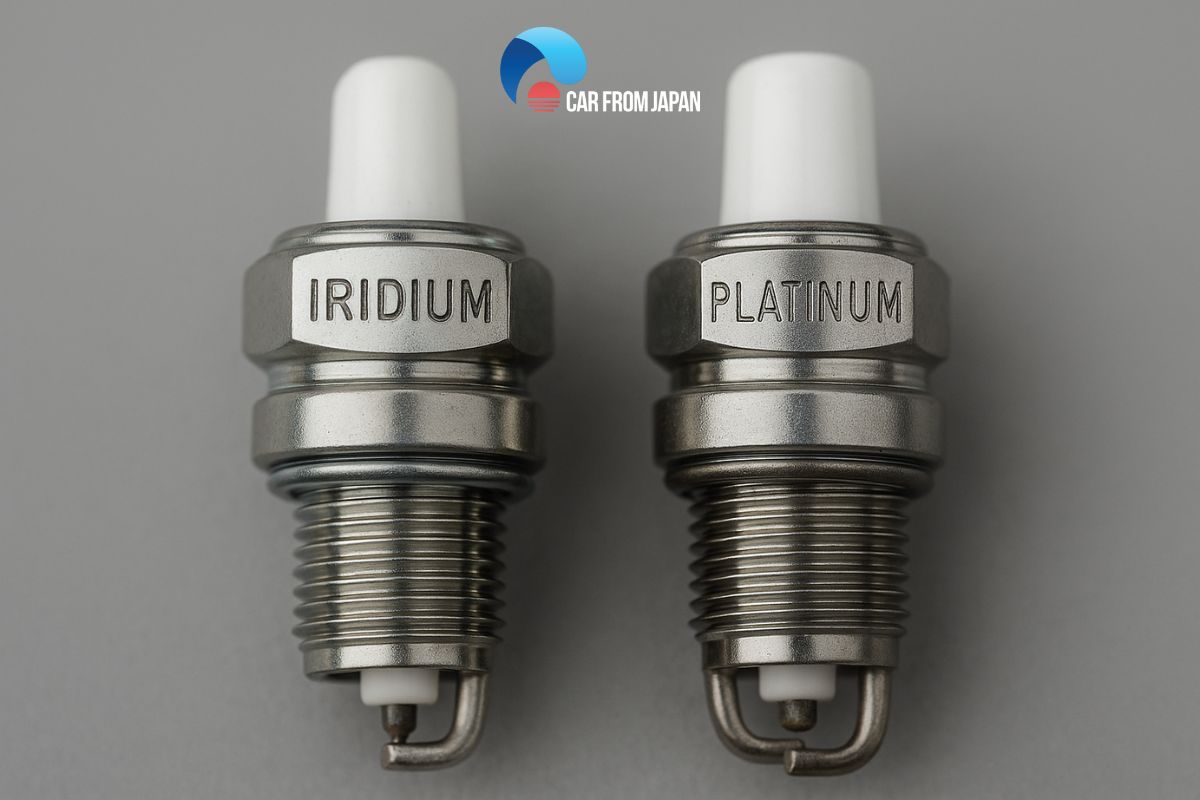
Credit: carfromjapan.com
Types Of Spark Plugs
Choosing the right spark plug for your car can feel confusing with so many options available. Understanding the different types of spark plugs helps you pick one that matches your engine’s needs and driving style. Each type offers unique benefits that affect performance, fuel efficiency, and longevity.
Copper Spark Plugs
Copper spark plugs have a solid copper core that conducts electricity well. They are usually the most affordable option and provide a strong spark. However, they wear out faster than other types, often needing replacement every 20,000 to 30,000 miles.
If you drive an older car or one with a carbureted engine, copper plugs might be a good fit. Have you noticed your car hesitating or losing power? It could be time to check if copper plugs are still the best choice for your ride.
Platinum Spark Plugs
Platinum spark plugs feature a platinum disc welded to the center electrode. This design boosts durability and allows the plugs to last longer—usually up to 60,000 miles. They also provide better ignition and fuel efficiency compared to copper plugs.
Many modern vehicles benefit from platinum plugs, especially if you want fewer maintenance trips. If you’re looking for a balance between cost and performance, platinum is often a smart upgrade.
Iridium Spark Plugs
Iridium spark plugs are the high-performance choice. With a fine iridium tip, they provide a more focused spark and improved ignition. They last even longer than platinum plugs—sometimes up to 100,000 miles—making them a favorite for drivers who want reliability and efficiency.
Have you ever wondered why some cars feel smoother or start more quickly? Iridium plugs can make a noticeable difference in engine response and overall driving experience.
Double Platinum And Double Iridium
Double platinum and double iridium spark plugs have precious metal on both the center and ground electrodes. This design enhances durability and spark consistency even more. Double iridium plugs, in particular, offer top-tier performance and longevity.
If your vehicle’s manufacturer recommends these plugs, it’s worth following that advice to protect your engine. Do you want to reduce misfires and improve fuel economy? These advanced plugs might be the key.
Factors Affecting Spark Plug Fit
Choosing the right spark plug depends on several important factors. These factors ensure the spark plug fits perfectly and works efficiently in your car’s engine. Using the wrong spark plug can cause poor engine performance or damage. Understanding these elements helps you pick the correct spark plug for your vehicle.
Thread Size And Pitch
The thread size must match the engine’s spark plug hole. If the thread is too large or small, it won’t fit properly. The pitch is the distance between threads. Incorrect pitch causes cross-threading and damage. Always confirm thread size and pitch before buying.
Reach And Seat Type
Reach is the length of the threaded part that screws into the engine. Too short or too long reach affects combustion chamber clearance. Seat type is how the spark plug seals against the engine. It can be flat or tapered. Using the wrong seat type leads to leaks or poor sealing.
Heat Range
Heat range shows the spark plug’s ability to dissipate heat. A plug too hot can cause pre-ignition and engine knocking. A plug too cold can foul quickly. Choose a heat range suitable for your engine’s design and driving conditions.
Electrode Gap
Electrode gap is the space between the center and ground electrodes. It affects spark strength and ignition. A gap too wide or narrow causes misfires and poor fuel efficiency. Adjust or select a gap that fits your car’s specifications.
Finding The Right Spark Plug For Your Car
Choosing the right spark plug for your car is essential to keep your engine running smoothly and efficiently. Using an incorrect spark plug can lead to poor performance, increased fuel consumption, or even engine damage. Knowing where to start your search can save you time, money, and frustration.
Checking Manufacturer Specifications
Your car’s manufacturer provides detailed specifications for spark plugs that work best with your engine. These specs include the correct size, heat range, thread reach, and gap size. Ignoring these details might result in a plug that doesn’t fit or perform well.
Look for the recommended spark plug model in your vehicle’s service manual or manufacturer’s website. These recommendations are based on extensive testing to ensure optimal engine function and longevity.
Using Online Fitment Tools
Many websites offer online fitment tools where you input your car’s make, model, and year to find compatible spark plugs. These tools often list multiple brands and part numbers, giving you options within your budget.
Be cautious and double-check the fitment details as some tools may have outdated or incomplete data. Have you ever ordered a part online only to find it didn’t fit? These tools aim to prevent that hassle.
Consulting Vehicle Owner’s Manual
Your vehicle’s owner’s manual is a handy resource that usually contains spark plug specifications. It’s often overlooked but provides trustworthy and specific information directly from the car maker.
Check the manual for details like recommended spark plug type, gap measurements, and replacement intervals. This can help you avoid guesswork and ensure you’re using the right part.
Seeking Professional Advice
Sometimes the best way to confirm the right spark plug is by asking a trusted mechanic or auto parts specialist. Their experience with your car model can guide you to the best choice, especially if your vehicle has unique requirements.
They can also help if you want to upgrade to performance plugs or need help with installation. Have you ever benefited from expert advice that saved you from a costly mistake?

Credit: www.ngk.com
Popular Spark Plug Brands
Choosing the right spark plug brand can improve your car’s performance. Quality spark plugs help your engine run smoothly and efficiently. Many drivers trust well-known brands for reliability and durability. Below are some popular spark plug brands that fit a wide range of vehicles.
Ngk
NGK is a top choice for many car owners. Their spark plugs offer excellent ignition and long life. NGK plugs fit most car models and deliver consistent performance. They use advanced technology for better fuel efficiency and engine power.
Bosch
Bosch spark plugs are known for their durability and precision. They often feature unique designs to reduce wear and tear. Bosch plugs improve cold starts and reduce emissions. These plugs suit many European and Asian car brands well.
Denso
Denso spark plugs provide reliable ignition and fuel savings. They use fine wire electrodes for better spark and combustion. Denso plugs help engines run cleaner and last longer. Many Japanese car manufacturers recommend Denso spark plugs.
Acdelco
ACDelco spark plugs are popular among American car owners. They offer good performance and value for money. ACDelco plugs fit many General Motors vehicles perfectly. These plugs help maintain engine power and reduce misfires.
Signs You Need To Replace Spark Plugs
Spark plugs play a key role in your car’s engine. They create the spark that ignites the fuel. Over time, spark plugs wear out and lose efficiency. Recognizing the signs of worn spark plugs helps avoid bigger engine problems.
Worn spark plugs affect engine performance. They can cause rough running or poor fuel use. Paying attention to these signs can save time and money on repairs.
Engine Misfires
Engine misfires happen when the spark plug fails to ignite fuel. This causes the engine to jerk or stall. You may hear unusual noises during acceleration. Misfires reduce power and cause vibrations. Replacing spark plugs often stops these misfires.
Poor Fuel Economy
Bad spark plugs burn more fuel than needed. This lowers your car’s miles per gallon. If you notice a sudden drop in fuel economy, check the plugs. New spark plugs help the engine burn fuel more efficiently. This saves money at the pump.
Difficulty Starting
Old spark plugs can make starting the engine hard. The engine may crank but not start easily. This happens because the spark is weak or missing. Changing spark plugs improves ignition and smooths starting. You will see quicker engine starts.
Rough Idling
When spark plugs wear out, the engine may idle roughly. You might feel shaking or hear uneven sounds. Rough idling shows incomplete combustion inside the engine. New spark plugs restore smooth idling and reduce vibrations.
Credit: modernautoparts.co.za
Tips For Installing Spark Plugs
Installing spark plugs may seem straightforward, but small details can make a big difference in your car’s performance. Paying attention to the right tools, gap settings, and installation techniques ensures your engine runs smoothly and efficiently. Here are practical tips to help you install spark plugs like a pro.
Gathering Necessary Tools
Before you start, gather all the tools you need to avoid interruptions. A spark plug socket, ratchet wrench, and an extension bar are essentials. You might also want a gap gauge, torque wrench, and some anti-seize lubricant ready.
Having everything on hand keeps your work organized and saves time. Think about where you’ll place removed plugs—using a magnetic tray can prevent losing small parts. Have you ever dropped a spark plug in a hard-to-reach place? Avoid that hassle by preparing your workspace.
Checking And Setting Gap
Every spark plug has a specific gap that matches your engine’s requirements. Use a gap gauge to measure the distance between the electrodes precisely. If the gap is off, your engine might misfire or run inefficiently.
Adjust the gap gently by bending the side electrode, not the center. Remember, a perfect gap improves combustion and fuel efficiency. Would you risk damaging the plug by forcing it? Take your time and handle it carefully.
Proper Torque Application
Tightening spark plugs correctly is crucial. Too loose, and you risk poor contact; too tight, and you may strip threads or break the plug. A torque wrench is the best tool to get this right.
Check your vehicle’s manual for the exact torque specification. If you don’t have a torque wrench, tighten the plug snugly, then give it a quarter turn more by hand. This balance ensures the plug seats properly without damage.
Avoiding Cross-threading
Cross-threading can ruin your cylinder head and cost a lot to fix. Start threading the plug by hand to feel for smooth engagement. Don’t force it if you feel resistance; backing out and realigning is safer.
Once the plug threads in easily, use your ratchet to tighten it. This careful approach protects your engine and gives you peace of mind. Have you ever struggled with a stuck spark plug? Taking the time to avoid cross-threading prevents that frustration.
Frequently Asked Questions
What Factors Determine The Right Spark Plugs For My Car?
The right spark plugs depend on your car’s make, model, engine type, and year. Always check the manufacturer’s guide for exact specifications to ensure optimal performance and fuel efficiency.
How Often Should I Replace Spark Plugs In My Vehicle?
Typically, spark plugs should be replaced every 30,000 to 100,000 miles, depending on the type. Regular checks prevent engine misfires and maintain smooth operation.
Can I Use Any Spark Plug Brand For My Car?
Not all spark plug brands fit every car. It’s important to use brands recommended by your vehicle manufacturer to ensure compatibility and avoid engine damage.
What Happens If I Use The Wrong Spark Plugs?
Using incorrect spark plugs can cause poor engine performance, reduced fuel efficiency, and potential engine damage. Always select plugs that match your car’s specifications.
Conclusion
Choosing the right spark plugs helps your car run smooth and strong. Check your car’s manual for exact fit and type. Using the correct spark plug saves fuel and avoids engine problems. Regularly changing spark plugs keeps your car healthy and efficient.
Small parts, big difference. Keep your engine happy by picking spark plugs that fit well. Simple steps lead to better driving and fewer repairs.





