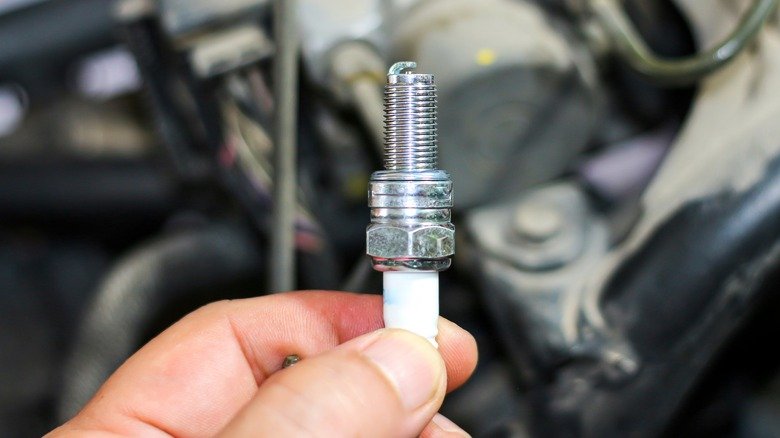
Are you curious about how diesel engines function without a part that seems essential for most engines—spark plugs? If you’ve ever wondered why your gasoline car needs them but your diesel truck doesn’t, you’re not alone.
Understanding the inner workings of diesel engines can not only satisfy your curiosity but also help you make informed decisions about vehicle maintenance and fuel efficiency. This article will unravel the mystery behind diesel engines and explain why they don’t rely on spark plugs like their gasoline counterparts.
Stick around, and you’ll gain valuable insights that could transform the way you think about engine technology. Let’s dive in!

Credit: www.chase.com
How Diesel Engines Work
Understanding how diesel engines work helps clear up common questions, like whether they use spark plugs. Diesel engines run differently from gasoline engines, relying on unique processes to ignite the fuel. Let’s break down these processes so you can see why spark plugs aren’t part of the equation.
Compression Ignition Process
Diesel engines ignite fuel through compression, not sparks. Air inside the cylinder is compressed to a very high pressure, which raises its temperature significantly—often above 500°C.
When diesel fuel is injected into this hot, compressed air, it ignites on contact. This process is called compression ignition. Since the heat generated by compression alone ignites the fuel, there’s no need for spark plugs.
Fuel Injection System
The fuel injection system in a diesel engine is critical. It sprays diesel fuel directly into the combustion chamber at precise moments and in exact amounts.
This system controls how efficiently the engine runs and how much power it produces. You might find multiple injectors in modern diesel engines to ensure the fuel mixes well with the hot air and burns completely.
Have you ever noticed how diesel engines have a distinctive sound? It’s partly due to this direct injection and compression ignition working together.
Role Of Spark Plugs In Engines
The role of spark plugs in engines is crucial, especially in gasoline-powered vehicles. These small components are often overlooked, but they play a key part in starting your engine and keeping it running smoothly. Understanding their function helps you appreciate why diesel engines operate differently and why they don’t use spark plugs.
Function In Gasoline Engines
Spark plugs deliver the electric spark needed to ignite the air-fuel mixture inside the engine’s cylinders. Without this spark, the fuel won’t burn, and your engine won’t start. They also help maintain efficient combustion, which affects your car’s performance and fuel economy.
Think about the last time your car struggled to start or ran roughly. That could be due to worn or dirty spark plugs failing to create a strong spark. Regular inspection and replacement can save you from these common issues.
Ignition Mechanism
The ignition mechanism in gasoline engines relies on a high-voltage current sent to the spark plug. This current jumps the gap at the plug’s tip, creating a spark that ignites the compressed air-fuel mixture. This process happens thousands of times per minute while your engine runs.
Have you ever wondered why diesel engines don’t have spark plugs? Unlike gasoline engines, diesel engines compress air so much that it heats up enough to ignite the fuel without a spark. This difference in ignition method explains the absence of spark plugs in diesel engines.
Why Diesel Engines Don’t Use Spark Plugs
Understanding why diesel engines don’t use spark plugs can change how you view engine design and performance. It’s not just a technical detail; it’s about how these engines ignite fuel and keep your vehicle running smoothly. Let’s break down the reasons behind this key difference.
Differences In Combustion
Diesel engines rely on a process called compression ignition, unlike gasoline engines that use spark ignition. In a diesel engine, air is compressed to a very high pressure, which raises its temperature significantly. When diesel fuel is injected into this hot, compressed air, it ignites spontaneously without needing a spark.
This means the combustion happens naturally due to the heat from compression, not from an electrical spark. The high compression ratio is a crucial design feature that allows this to happen. Have you ever noticed how diesel engines often sound different and feel more powerful at low speeds? That’s partly because of this combustion process.
Alternative Ignition Methods
Since diesel engines don’t use spark plugs, they depend on fuel injectors to deliver fuel at the right moment. These injectors spray diesel directly into the combustion chamber at high pressure. The timing and precision of this injection control the engine’s power and efficiency.
In cold weather, starting a diesel engine can be tricky because the air might not get hot enough from compression alone. That’s where glow plugs come in. Glow plugs are small heating elements that warm the air in the combustion chamber before starting, ensuring the fuel ignites properly.
- Fuel injection pressure and timing replace the spark plug’s role.
- Glow plugs help in cold starts but do not replace spark plugs.
- Diesel combustion relies on heat from compression, not a spark.
What does this mean for you as a driver or mechanic? It means diesel engines are built to work differently, with components designed to handle high pressure and temperature, not electrical sparks. This difference affects maintenance, performance, and even fuel economy in ways you might not expect.

Credit: m.youtube.com
Glow Plugs Vs Spark Plugs
Diesel engines and gasoline engines use different methods to start combustion. The main difference lies in the type of plugs they use. Diesel engines have glow plugs, while gasoline engines use spark plugs. Understanding the differences helps explain why diesel engines do not need spark plugs.
Purpose Of Glow Plugs
Glow plugs help start diesel engines, especially in cold weather. They heat the air in the combustion chamber to a high temperature. This heat allows the diesel fuel to ignite without a spark. Glow plugs ensure the engine runs smoothly at startup. They also reduce smoke and emissions during cold starts.
Operational Differences
Spark plugs create a spark to ignite the air-fuel mix in gasoline engines. This spark causes combustion and powers the engine. Glow plugs do not create sparks. Instead, they glow red hot to heat the air in diesel engines. Diesel engines rely on compression to ignite fuel, not a spark. Glow plugs only assist during startup and turn off once the engine warms up.
Common Misconceptions About Diesel Ignition
Many people think diesel engines use spark plugs like gasoline engines. This is not true. Diesel engines work differently. They do not need spark plugs to start or run. Misunderstandings about how diesel ignition works cause this confusion.
Confusing Glow Plugs With Spark Plugs
Glow plugs are often mistaken for spark plugs. Glow plugs heat the air inside the engine. This helps start the engine in cold weather. Spark plugs create sparks to ignite fuel in gasoline engines. Diesel engines rely on heat from compressed air, not sparks. Glow plugs only assist during startup. They do not ignite the fuel directly.
Impact On Engine Performance
Diesel engines perform well without spark plugs. Their design uses high pressure to ignite fuel. This makes engines more efficient and powerful. Using spark plugs would change how the engine runs. Glow plugs improve cold starts but don’t affect running performance. Understanding these facts helps avoid common myths. Proper knowledge ensures better engine care and maintenance.
Maintenance Tips For Diesel Ignition Systems
Diesel ignition systems differ from gasoline engines but still need regular care. Proper maintenance helps your engine start smoothly and run efficiently. Checking key parts and recognizing early signs of trouble saves time and money. Regular attention keeps your diesel engine reliable in all conditions.
Caring For Glow Plugs
Glow plugs heat the diesel fuel for ignition. Clean them gently to avoid damage. Replace worn or broken plugs to keep starting easy. Check connections for rust or dirt. Use a multimeter to test plug resistance. Replace any plug that shows unusual readings. Keep your glow plugs in good shape for faster starts and less smoke.
Signs Of Ignition Problems
Watch for slow engine starts or rough idling. Excessive white or black smoke can signal glow plug issues. Engine misfires or stalls may show ignition faults. Warning lights on the dashboard often indicate problems. Strange noises during startup suggest ignition trouble. Early detection helps prevent bigger repairs later.

Credit: medium.com
Frequently Asked Questions
Do Diesel Engines Use Spark Plugs For Ignition?
No, diesel engines do not use spark plugs. They rely on compression to ignite the fuel-air mixture. High pressure and temperature in the cylinder cause spontaneous combustion without a spark.
How Do Diesel Engines Ignite Fuel Without Spark Plugs?
Diesel engines compress air to very high pressure and temperature. This causes the injected diesel fuel to ignite spontaneously. This process is called compression ignition and does not require spark plugs.
Can Diesel Engines Run Without Glow Plugs?
Diesel engines can run without glow plugs but may struggle in cold conditions. Glow plugs help preheat the combustion chamber for easier starting in low temperatures.
Why Don’t Diesel Engines Need Spark Plugs?
Diesel engines use compression ignition, not spark ignition. The fuel ignites due to high temperature from compressed air. This eliminates the need for spark plugs entirely.
Conclusion
Diesel engines do not use spark plugs to ignite fuel. They rely on high compression to start the combustion process. This makes them different from gasoline engines. Diesel engines use glow plugs to help start in cold weather. Knowing this helps understand how diesel engines work.
It also clears up common confusion about engine parts. Diesel engines are built for power and fuel efficiency. Their design suits heavy-duty vehicles and machinery well. Understanding these basics makes it easier to talk about engines. It also helps when choosing the right vehicle for your needs.





