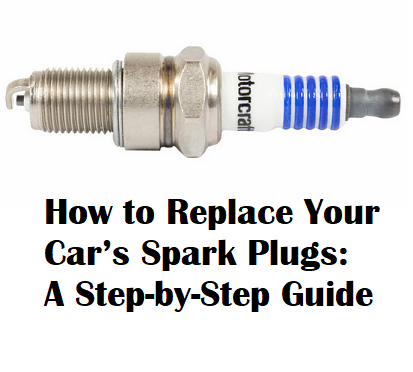
Is your engine feeling a little sluggish lately? Have you noticed it’s not running as smoothly as it once did?
You might be dealing with worn-out spark plugs. Often overlooked, these small yet mighty components play a crucial role in the performance of your vehicle. Knowing when to replace them can save you time, money, and a lot of frustration down the road.
We’re going to help you identify the telltale signs that your spark plugs might need replacing. Stick around to learn how this simple maintenance task can keep your car running like a dream and prevent unexpected breakdowns. Let’s dive into the world of spark plugs and discover when it’s time for a change!

Credit: www.slashgear.com
Signs Of Worn Spark Plugs
Recognizing the signs of worn spark plugs can save you from unexpected car troubles and costly repairs. Spark plugs play a crucial role in igniting the fuel-air mixture in your engine. When they wear out, your vehicle’s performance noticeably suffers.
Pay close attention to how your car behaves. Unusual symptoms often point directly to spark plugs needing replacement. Are you noticing changes in how your engine runs? Here are key signs to watch for.
Engine Misfires
One of the clearest signs of worn spark plugs is engine misfires. Your engine may jerk or hesitate during acceleration. This happens because old plugs fail to ignite the fuel properly.
If you feel a sudden loss of power or hear popping sounds from the engine, it’s a red flag. Have you ever experienced a rough ride that smoothens out after a tune-up? That could be the spark plugs at work.
Poor Fuel Economy
Are you filling up your tank more often than usual? Worn spark plugs cause incomplete combustion, which leads to wasted fuel. This means your car burns more gas but gives you less mileage.
Tracking your fuel consumption closely can reveal if your spark plugs are underperforming. A drop in fuel economy by just a few miles per gallon can add up over time. Think about how much you could save by replacing old plugs promptly.
Difficulty Starting
Struggling to start your car is another common sign of spark plug wear. When plugs are fouled or damaged, they can’t create the strong spark needed to ignite the engine easily. You might notice your engine cranks longer than usual or fails to start on the first try.
Consider how often you need multiple attempts before your car fires up. Early replacement can prevent those frustrating mornings when your vehicle won’t start.
Rough Idling
Does your engine shake or vibrate when idling? Rough idling often points to spark plugs that aren’t firing consistently. This uneven combustion leads to an unstable engine at low speeds.
If your car feels like it’s struggling just to sit still, it’s time to check the spark plugs. Smooth idling is a simple way to know your ignition system is healthy.
Credit: www.terrylabontechevy.com
Recommended Replacement Intervals
Knowing the right time to replace spark plugs keeps your engine running smooth. Spark plugs wear down over time and affect performance. Following recommended replacement intervals helps avoid engine problems and saves money on repairs.
Manufacturer Guidelines
Car makers set specific spark plug replacement intervals. These are based on the engine design and spark plug type. You can find this info in your vehicle’s owner manual or service guide. Staying within these limits ensures your engine runs efficiently. Ignoring these recommendations may cause poor fuel economy and rough idling.
Impact Of Driving Conditions
Driving habits affect how fast spark plugs wear out. Short trips, stop-and-go traffic, and dusty roads increase wear. Frequent cold starts also strain spark plugs. Harsh conditions may require earlier replacement than the manual suggests. Regular checkups help catch wear from tough driving environments.
Types Of Spark Plugs And Lifespan
| Type | Average Lifespan (miles) | Notes |
|---|---|---|
| Copper | 20,000 to 30,000 | Good conductor but wears out faster |
| Platinum | 60,000 to 100,000 | Longer life, better for modern engines |
| Iridium | 100,000+ | Most durable and efficient spark plugs |
Choosing the right spark plug type affects replacement timing. Higher quality plugs last longer and improve engine performance.
Checking Spark Plug Condition
Checking the condition of spark plugs helps keep your engine running smoothly. Worn or damaged spark plugs can cause poor fuel efficiency and rough idling. Regular inspections can catch problems early and save repair costs. Use simple tools and your eyes to assess spark plug health.
Visual Inspection Tips
Remove the spark plug carefully for a clear view. Look for cracks, chips, or worn electrodes. Check the ceramic insulator for any burns or discoloration. A healthy plug appears clean with a light tan color. Dark soot or oily deposits signal trouble. Note any broken or bent parts.
Measuring Electrode Wear
Use a feeler gauge to check the electrode gap. Compare the gap size to your vehicle’s manual. A larger gap means the plug is worn out. Uneven wear on the electrodes reduces spark quality. Replace plugs with excessive wear for better engine performance. Keep the gap within specified limits for best results.
Detecting Carbon Deposits
Carbon deposits appear as black, dry soot on the plug. This buildup can cause misfires or hard starts. It often indicates a rich fuel mixture or weak ignition. Clean light deposits with a wire brush carefully. Heavy buildup requires spark plug replacement. Watch for oily deposits, which suggest engine oil leaks.
Credit: modernautoparts.co.za
Benefits Of Timely Replacement
Replacing spark plugs on time brings noticeable benefits that go beyond just preventing engine trouble. When you keep up with timely replacement, your car runs smoother, uses less fuel, and even helps the environment. These advantages add up to a better driving experience and lower maintenance costs.
Improved Engine Performance
Your engine relies on spark plugs to ignite the fuel-air mix correctly. Worn-out spark plugs cause misfires, rough idling, and sluggish acceleration. When you replace them as needed, your engine fires evenly and responds quickly, giving you smoother rides and more power when you press the gas.
Think about the last time your car felt sluggish or hesitated. Chances are, old spark plugs were part of the problem. Fresh plugs restore that punch your engine needs.
Enhanced Fuel Efficiency
Old or dirty spark plugs make your engine work harder to burn fuel fully. This inefficiency wastes gas and hits your wallet at the pump. Timely replacement ensures a clean, strong spark that burns fuel completely, helping you get more miles per gallon.
Have you noticed your fuel costs creeping up without obvious reasons? Checking your spark plugs could save you money and boost your car’s fuel economy.
Reduced Emissions
Incomplete combustion caused by faulty spark plugs increases harmful emissions from your car. Replacing spark plugs on schedule helps your engine burn fuel cleaner, reducing pollutants released into the air. This not only benefits the environment but also helps your car pass emissions tests.
Would you want to drive a car that pollutes less and runs cleaner? Keeping your spark plugs fresh is a simple step toward that goal.
Diy Vs Professional Replacement
Deciding between DIY and professional spark plug replacement depends on your skill level and tools. Replacing spark plugs yourself saves money and offers a sense of accomplishment. It also requires patience and the right equipment. Professional replacement guarantees proper installation and avoids mistakes. It suits those without time or mechanical skills. Knowing the difference helps you choose the best option for your car and budget.
Tools Needed For Replacement
- Spark plug socket
- Ratchet wrench
- Torque wrench
- Extension bar
- Gap gauge
- Anti-seize lubricant
- Compressed air or brush
- Safety gloves
Step-by-step Diy Guide
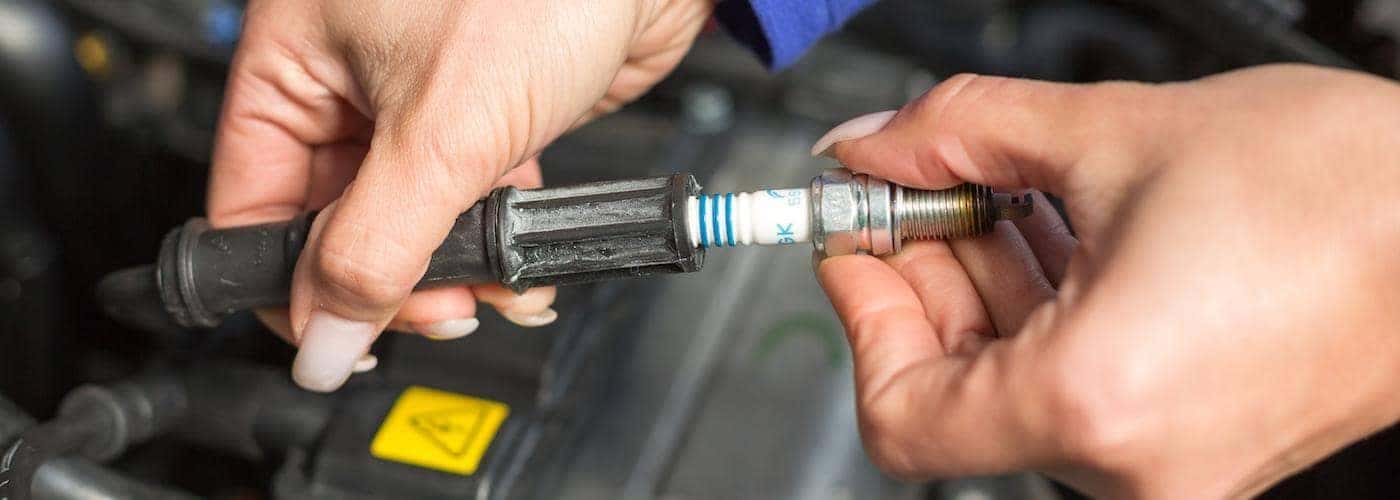
Start by letting the engine cool completely. Remove the spark plug wire or coil carefully. Use compressed air or a brush to clean around the spark plug. Attach the spark plug socket to the ratchet wrench. Turn counterclockwise to remove the old spark plug. Check the gap on the new spark plug with a gap gauge. Apply anti-seize lubricant to the plug threads. Insert the new spark plug by hand to avoid cross-threading. Use a torque wrench to tighten the spark plug to the correct specification. Reattach the spark plug wire or coil firmly. Repeat for each spark plug. Test the engine for smooth operation after replacement.
When To Seek Professional Help
- Engine is hard to access
- Using wrong tools risks damage
- Unfamiliar with spark plug gap settings
- Signs of engine misfiring persist
- Time constraints or lack of confidence
- Car warranty requires professional service
Spark Plug Maintenance Tips
Keeping your spark plugs in top shape can save you from costly repairs and keep your engine running smoothly. Simple maintenance habits can extend the life of your spark plugs and improve your vehicle’s performance. Let’s look at some practical tips to help you take care of these small but crucial components.
Regular Inspection Schedule
Checking your spark plugs regularly helps catch problems before they worsen. Aim to inspect them every 20,000 to 30,000 miles, or more often if you notice rough engine idling or poor fuel economy.
Look for signs like worn electrodes, heavy carbon buildup, or cracks in the porcelain insulator. These issues can cause misfires and reduce engine efficiency. Keeping a maintenance log can remind you when it’s time to check your plugs again.
Using Quality Spark Plugs
Choosing the right spark plugs matters more than you might think. High-quality plugs last longer and perform better, helping your engine start easily and run efficiently.
Don’t just grab the cheapest option; consult your vehicle’s manual or a trusted mechanic to find the best fit. Brands like NGK, Bosch, and Denso offer reliable spark plugs that can handle different driving conditions.
Avoiding Common Mistakes
Many drivers overlook simple errors that can damage spark plugs. For instance, over-tightening can crack the plug or damage the threads, while under-tightening might cause poor contact and misfires.
Also, never reuse old spark plugs after cleaning them; worn plugs rarely perform like new. If you’ve ever tried to clean and reinstall plugs, you know the frustration of recurring engine issues—don’t fall into that trap.
Frequently Asked Questions
How Often Should Spark Plugs Be Replaced?
Spark plugs typically need replacement every 30,000 to 100,000 miles. Check your vehicle’s manual for exact intervals. Regular replacement ensures optimal engine performance and fuel efficiency.
What Are Signs Of Worn-out Spark Plugs?
Common signs include engine misfires, rough idling, poor acceleration, and decreased fuel efficiency. If you notice these, inspect or replace your spark plugs promptly.
Can Old Spark Plugs Damage The Engine?
Yes, worn spark plugs can cause misfires and poor combustion. This leads to engine damage over time. Replacing them on time prevents costly repairs.
How To Check If Spark Plugs Need Replacement?
Inspect spark plugs for worn electrodes, carbon buildup, or corrosion. Use a spark plug gap tool to measure the gap. If damaged or worn, replace immediately.
Conclusion
Spark plugs wear out over time and affect engine performance. Replace them every 30,000 to 50,000 miles or as your car’s manual says. Watch for signs like rough idling, poor fuel economy, or trouble starting. Regular replacement keeps your engine running smooth and saves money on repairs.
Don’t wait until problems start. Keep your car healthy with timely spark plug changes. Simple steps can prevent bigger issues down the road. Stay safe and enjoy a better driving experience.





