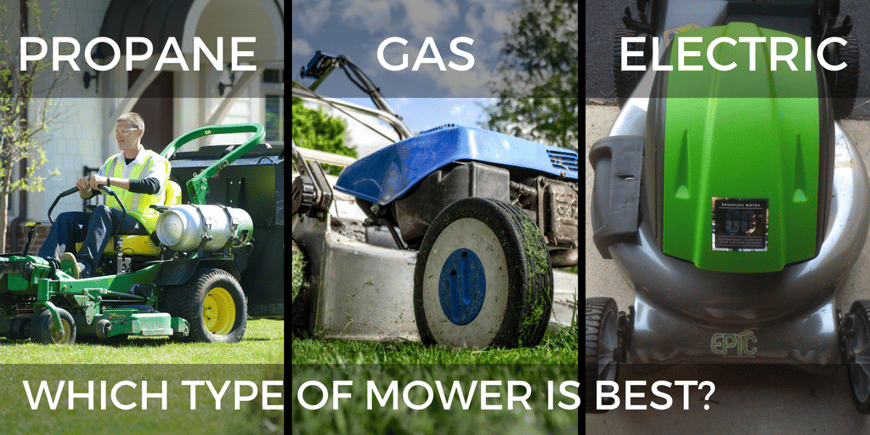
Choosing the right type of gas for your lawn mower can feel like a puzzle. With so many options available, it’s easy to wonder if you’re feeding your mower the best fuel for optimal performance.
Imagine how much smoother your mowing sessions could be if you knew exactly what your mower needed. The right fuel isn’t just about keeping your lawn looking its best; it’s about extending the life of your mower and saving you money in the long run.
By the end of this article, you’ll have the insights you need to make an informed decision. Let’s dive into what type of gas is best for your lawn mower and how it can transform your lawn care routine.
Credit: www.familyhandyman.com
Gasoline Types For Lawn Mowers
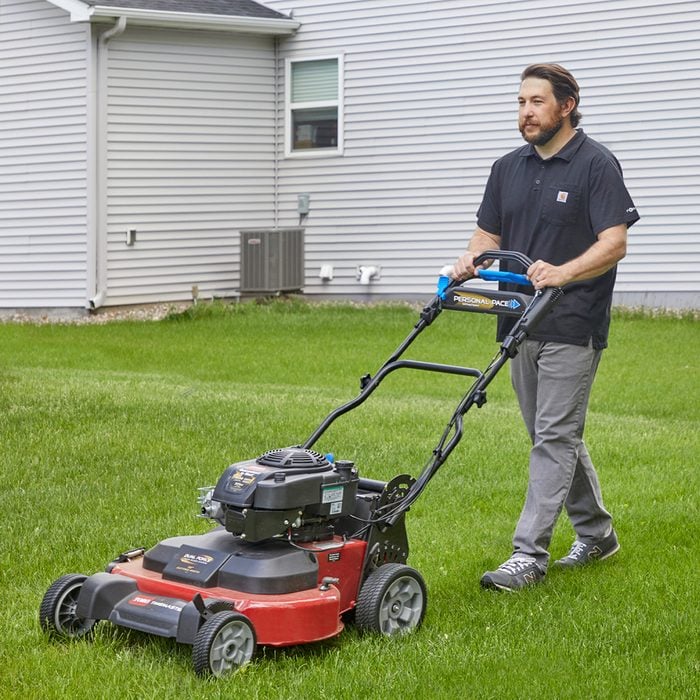
Choosing the right gasoline type for your lawn mower affects its performance and lifespan. Different fuels burn differently and impact your engine’s health. Understanding gasoline types helps you keep your mower running smoothly and efficiently.
Regular Unleaded Gas
Regular unleaded gasoline is the most common fuel for lawn mowers. It usually has an octane rating of 87. This fuel is affordable and works well for most small engines. Many manufacturers recommend regular unleaded gas for standard lawn mowers. It provides good power without causing engine knocking.
Premium Gasoline
Premium gasoline has a higher octane rating, often 91 or above. It burns cleaner and can improve engine performance in some cases. Premium gas is typically more expensive than regular unleaded. Use premium fuel only if your mower’s manual suggests it. Otherwise, it may not offer extra benefits and increases your fuel cost.
Ethanol-blended Fuels
Ethanol blends are common in many gasoline types, often labeled as E10 or E15. These fuels contain 10% or 15% ethanol mixed with gasoline. Ethanol can attract moisture, leading to engine problems in small mowers. Some engines do not handle ethanol well, causing damage or poor performance. Check your mower’s manual to see if ethanol-blended fuel is safe to use.
Credit: www.familyhandyman.com
Impact Of Fuel On Engine Performance
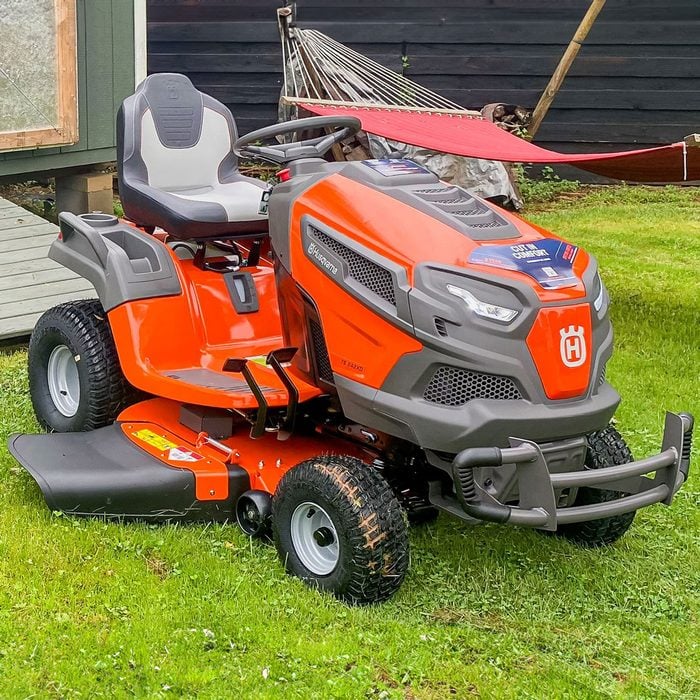
The type of gas used in lawn mowers directly affects how the engine performs. Fuel quality influences power, efficiency, and the life of the engine. Choosing the right fuel can make your mower run smoother and last longer. Poor fuel can cause problems like engine knocking or reduced power.
Power Output Differences
The type of gas changes the mower’s power output. Higher octane fuels burn cleaner and provide more consistent power. Lower octane gas may cause knocking or misfiring. This reduces the overall power available for cutting grass. Using the recommended fuel ensures the engine runs at its best strength.
Fuel Efficiency
Fuel quality impacts how efficiently the mower uses gas. Clean, high-quality fuel burns more completely, giving better mileage. Poor fuel leads to incomplete combustion and wastes gas. This means you fill the tank more often and spend more money. Good fuel keeps your mower running longer on each tank.
Engine Longevity
The right gas protects the engine over time. Clean fuel reduces deposits inside the engine parts. Dirty or old fuel causes buildup that wears down components faster. Using the correct fuel helps avoid costly repairs and extends mower life. Regular use of good fuel keeps the engine healthy for many seasons.
Two-stroke Vs Four-stroke Engines
Choosing the right gas for lawn mowers depends on the engine type. Two-stroke and four-stroke engines run differently and need different fuels. Understanding these engines helps maintain mower performance and longevity.
Fuel Requirements
Two-stroke engines need a mix of gasoline and oil. This mix lubricates the engine parts during operation. Four-stroke engines use regular unleaded gasoline only. They have a separate oil system for lubrication. Using the correct fuel type prevents engine damage and ensures smooth running.
Oil And Gas Mixtures
Two-stroke engines require a precise oil-to-gas ratio. Common ratios are 50:1 or 40:1, depending on the mower’s manual. Mixing oil and gas before filling the tank is important. Four-stroke engines do not need oil mixed with gas. Instead, check oil levels regularly and change oil as instructed.
Common Fuel Mistakes
- Using pure gasoline in two-stroke engines causes poor lubrication.
- Mixing the wrong oil ratio can clog or damage the engine.
- Filling four-stroke engines with mixed fuel leads to engine failure.
- Using old or stale gas reduces mower performance.
Proper fuel use protects your mower and keeps it running longer.
Environmental Considerations
Choosing the right gas for your lawn mower isn’t just about engine performance or cost—it also impacts the environment around you. Understanding how different fuels affect air quality and comply with regulations can help you make a better decision. Let’s take a closer look at the environmental side of lawn mower fuels.
Emissions From Different Fuels
Gasoline-powered mowers release carbon monoxide, nitrogen oxides, and hydrocarbons, contributing to air pollution. Small engines often have fewer emission controls, so their impact can be surprisingly high. Using cleaner fuels or additives can reduce harmful emissions, but even small changes make a difference for your neighborhood air quality.
Biofuels And Alternatives
Biofuels like ethanol blends and biodiesel are growing in popularity for lawn mowers. These options burn cleaner and come from renewable sources like corn or vegetable oil. You might have noticed some gas stations offering E10 or E15—these contain 10% or 15% ethanol and can be used in many mowers without modification.
Have you considered trying a biofuel to lower your mower’s carbon footprint? Switching might also improve fuel efficiency and engine life in some cases.
Regulations Affecting Fuel Choices
Many regions enforce rules to limit emissions from small engines, affecting what fuels you can use. Some states require mowers to meet strict environmental standards, pushing manufacturers to design cleaner-running models. Staying informed about local laws can prevent fines and help you choose fuels that comply with environmental guidelines.
Are you aware of the fuel regulations in your area? Checking this before buying fuel can save you trouble and support a healthier environment.
Fuel Storage And Maintenance Tips
Storing and maintaining fuel for your lawn mower is crucial for its performance and longevity. Poor storage can lead to degraded fuel, causing engine problems and frustrating breakdowns. Understanding how to store fuel properly and maintain it can save you time, money, and hassle during mowing season.
Proper Storage Techniques
Store gasoline in a cool, dry place away from direct sunlight and heat sources. Use containers specifically designed for fuel storage, preferably ones that are tightly sealed to prevent evaporation and contamination.
Keep fuel containers out of reach of children and pets, and avoid storing large amounts of fuel indoors. Consider smaller quantities that match your mowing schedule to reduce the chance of stale fuel.
Preventing Fuel Degradation
Gasoline begins to break down within 30 days, especially when exposed to air and moisture. This degradation can cause your mower’s engine to run rough or fail to start.
Drain your mower’s fuel tank if you won’t be using it for more than a month. Running the engine until it stops helps clear out old fuel and prevents gum buildup in the carburetor.
Using Fuel Stabilizers
Fuel stabilizers are additives that slow down gasoline breakdown and keep it fresh for up to 12 months. Adding stabilizer to your fuel can prevent starting issues and engine damage caused by stale gas.
Mix the stabilizer into fresh gasoline before storing it, and always follow the product instructions for the correct amount. This simple step can extend the life of your fuel and protect your mower’s engine.
Choosing The Right Fuel For Your Mower
Choosing the right fuel for your lawn mower affects its performance and lifespan. Using the correct gas keeps the engine running smoothly. It also prevents damage and costly repairs. Each mower may have different needs based on its design and engine type.
Manufacturer Recommendations
Always check the mower’s manual for fuel advice. Manufacturers specify the best gas type for the engine. Most lawn mowers run on regular unleaded gasoline with an octane rating of 87. Some high-performance models require premium fuel.
Using the recommended fuel ensures proper engine function. It also avoids voiding the warranty. Never use gas with more than 10% ethanol unless the manual allows it. Ethanol can harm small engines over time.
Cost Vs Performance
Regular unleaded gas is cheaper and widely available. It suits most lawn mowers well. Premium gas costs more but may improve engine efficiency slightly. For most users, the extra cost does not provide enough benefit.
Consider the mower’s age and condition before choosing expensive fuel. Older or simple engines rarely need premium gas. Use clean, fresh fuel to keep the engine running efficiently. Stale gas causes starting problems and engine damage.
Seasonal Fuel Choices
Fuel blends change with seasons to reduce emissions and improve performance. Summer blends resist vapor lock in hot weather. Winter blends help cold starts and prevent gelling in low temperatures.
Buy fuel suitable for your climate to protect the engine year-round. Store gas in a cool, dry place in sealed containers. Avoid storing fuel for more than 30 days. Add fuel stabilizer if longer storage is necessary.

Credit: ahmcorp.com
Frequently Asked Questions
What Type Of Gas Is Best For Lawn Mowers?
Regular unleaded gasoline with an octane rating of 87 is ideal. Avoid using gasoline with more than 10% ethanol to prevent engine damage and performance issues.
Can I Use Ethanol-free Gas In My Lawn Mower?
Yes, ethanol-free gas is better for lawn mowers. It reduces engine corrosion, improves performance, and extends the mower’s lifespan.
Is Premium Gasoline Necessary For Lawn Mowers?
No, premium gasoline is not needed. Most lawn mowers run efficiently on regular unleaded gas with an octane rating of 87.
How Does Ethanol Affect Lawn Mower Engines?
Ethanol attracts moisture, causing corrosion and fuel system damage. It can lead to poor engine performance and costly repairs.
Conclusion
Choosing the right gas keeps your lawn mower running well. Regular unleaded gas with no more than 10% ethanol works best. Avoid old or mixed fuel to protect the engine. Clean fuel means fewer problems and longer mower life. Simple care helps your mower stay strong season after season.
Keep gas fresh and use the right type every time. Your lawn mower will thank you with better performance and less trouble.





