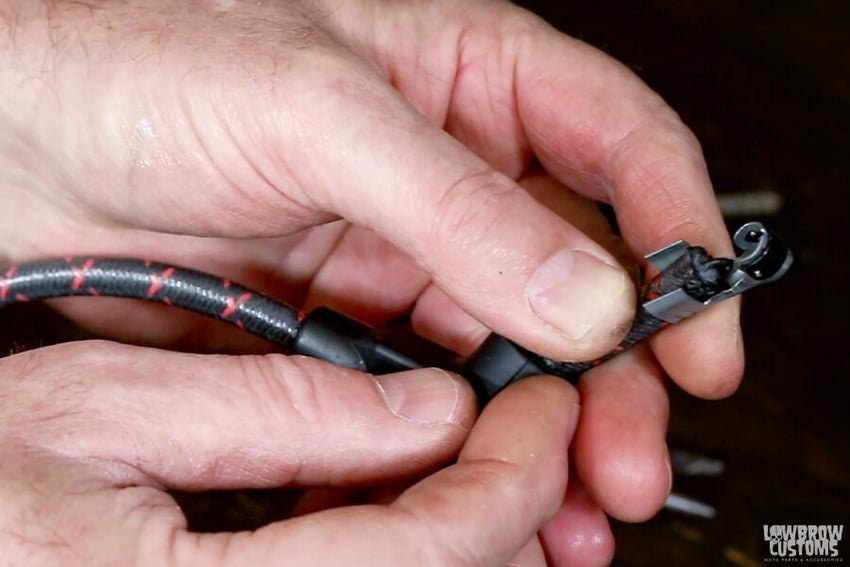
Are you tired of dealing with misfiring engines or poor performance from your vehicle? One of the simplest solutions might be right under your hood—crimping spark plug wires.
This might sound technical, but with the right guidance, you can master it in no time. Imagine the satisfaction of knowing your engine is running smoothly because of a little hands-on work you did yourself. In this guide, you’ll discover the step-by-step process to crimp spark plug wires effectively, using tools that might already be in your garage.
By the end of this article, you’ll feel empowered and ready to tackle this essential maintenance task, ensuring your vehicle runs at its best. Dive in to learn how to enhance your car’s performance with just a few simple tweaks!

Credit: haisstronica.com
Tools Needed For Crimping
Crimping spark plug wires requires specific tools to ensure a secure and reliable connection. Using the right tools makes the job easier and improves performance. Having good quality equipment helps avoid damage to wires and connectors. Preparing with the right tools saves time and effort.
Essential Crimping Tools
Start with a proper crimping tool designed for spark plug wires. It must match the size of the wire and connector. A wire stripper is necessary to remove the insulation without cutting the wire itself. Needle-nose pliers help hold small parts tightly during crimping. A good quality wire cutter ensures clean cuts on wires. A multimeter can test connections for continuity after crimping.
Choosing Quality Wire And Connectors
Select wires made from durable, heat-resistant materials. Silicone insulation is a good choice for spark plug wires. Choose connectors that fit snugly on both the wire and the spark plug. Copper connectors offer excellent conductivity and corrosion resistance. Avoid cheap materials that can cause poor connections or break easily. Proper wire and connectors improve engine performance and longevity.
Preparing Spark Plug Wires
Preparing spark plug wires correctly is essential for a secure connection and optimal engine performance. Handling the wires with care during this stage prevents future issues like misfires or voltage leaks. Let’s break down the preparation process into two crucial parts: measuring and cutting the wire, and stripping the insulation.
Measuring And Cutting Wire
Start by measuring the exact length of the wire needed to reach from the spark plug to the ignition coil without excess slack. Too long, and the wire may get tangled or damaged; too short, and it won’t fit properly. Hold the wire along the engine path to get a precise length, then mark the spot where you’ll cut.
Use a sharp wire cutter to make a clean, straight cut. Jagged or uneven cuts can cause poor connections and lead to electrical problems. Have you noticed how a small mistake here can cause hours of troubleshooting later? Taking your time now saves frustration down the line.
Stripping Wire Insulation
Next, strip about half an inch of insulation from each wire end to expose the metal core. Use a wire stripper tool set to the correct gauge for your spark plug wire to avoid nicking or damaging the core. If you don’t have a wire stripper, scissors can work, but be very careful not to cut into the wire itself.
Remove the insulation gently to keep the wire strands intact and ensure a solid connection when crimping. Damaged strands reduce conductivity and can cause intermittent spark issues. Have you ever struggled with a loose connection only to find the wire was frayed? Proper stripping can eliminate that headache.
Crimping Techniques
Crimping spark plug wires requires precision and care to ensure a strong, reliable connection. The right technique helps prevent electrical issues and improves engine performance. Focus on how to position the connector, apply pressure, and avoid common errors for the best results.
Positioning The Connector
Place the connector properly on the wire’s exposed end. Align the metal sleeve inside the connector with the wire strands. Make sure the wire is fully inserted to avoid loose contacts. The connector should sit straight, not tilted or off-center.
Applying The Right Pressure
Use a crimping tool designed for spark plug wires. Squeeze firmly but avoid too much force, which can damage the connector or wire. The goal is a tight, secure crimp that holds the wire without cutting it. Check the crimp by gently pulling the wire to confirm it stays in place.
Avoiding Common Mistakes
- Do not strip too much insulation from the wire.
- Avoid crimping on the insulation instead of the wire strands.
- Never reuse old connectors; always use new ones.
- Don’t rush the process; take time to align and press correctly.
- Check for any sharp edges that could cut the wire later.
Testing Crimped Connections
Testing crimped connections is a crucial step to ensure your spark plug wires perform reliably. Without proper testing, even a well-crimped wire might fail at the worst moment. Let’s dive into how you can check your work carefully and confidently.
Visual Inspection Tips
Start by closely examining the crimped area. Look for any signs of uneven compression or gaps between the wire and the terminal.
A properly crimped connection should have the wire strands tightly secured inside the terminal without any loose ends poking out. The metal should be smoothly compressed without cracks or sharp edges.
Does the terminal sit flush against the wire insulation? If it doesn’t, the crimp might not be tight enough. Inspect the insulation for any damage caused during crimping, as this can lead to exposure and shorts.
Conducting Electrical Tests
Visual checks are important but they don’t tell the whole story. Use a multimeter set to the resistance or continuity mode to test your crimped connections.
- Touch one probe to the spark plug terminal and the other to the wire end or distributor terminal.
- A reading close to zero ohms means the connection has low resistance and is good.
- If you see a high resistance or no continuity, the crimp might be loose or poorly made.
Have you ever trusted a crimp based only on looks and then faced engine misfires? Testing with a multimeter saves time and frustration by confirming a solid electrical path before installation.
Maintenance And Troubleshooting
Maintaining and troubleshooting spark plug wire crimps is key to keeping your engine running smoothly. Poor crimps can cause misfires, rough idling, or even engine damage over time. Paying close attention to how your crimps hold up can save you from costly repairs and frustrating downtime.
Signs Of Poor Connections
Have you noticed your engine hesitating or stalling unexpectedly? These could be signs of poor spark plug wire crimps. Look out for:
- Engine misfires or loss of power
- Visible corrosion or rust on the crimps
- Wires that feel loose or wiggle at the connection point
- Unusual engine noises like sputtering or backfiring
Even a small gap or corrosion at the crimp can interrupt the electrical flow. It’s easy to overlook these signs until they cause bigger problems. Are you regularly checking your wire crimps for these issues?
Fixing Loose Or Corroded Crimps
Loose or corroded crimps don’t have to be a headache. You can fix them with a few simple tools and a bit of patience. Start by disconnecting the wire and inspecting the crimp carefully.
- If corrosion is present, clean it gently using a wire brush or fine sandpaper.
- For loose crimps, use a proper crimping tool to tighten the connection securely without damaging the wire.
- If the crimp is beyond repair, cut off the damaged section and create a new crimp using a high-quality connector.
Remember, a tight and clean crimp ensures strong electrical conductivity. Have you tried tightening a crimp only to find it still feels loose? Using the right tool makes all the difference.

Credit: www.amazon.ca
Safety Precautions
Safety is the foundation of any successful project involving spark plug wires. Ignoring precautions can lead to injury or damage to your vehicle’s electrical system. Taking a moment to prepare properly helps you work confidently and efficiently.
Working With Electrical Components
Always disconnect the car battery before you start crimping spark plug wires. This prevents accidental shocks or short circuits that could harm you or the vehicle. Are you sure the engine is cool? Hot components can cause burns without warning.
Wear insulated gloves to protect your hands from electrical hazards. Keep your work area dry—water and electricity don’t mix well. Double-check that your tools and wires are rated for automotive use to avoid unexpected failures.
Handling Tools Safely
Use crimping tools that fit the connectors precisely; forcing a tool can damage both the tool and the wires. Keep your fingers clear of the crimping jaws to avoid pinching injuries. Have you ever felt the sting of a slipped tool? It’s avoidable with careful handling.
Store your tools properly after use to prevent accidents later. Inspect your crimpers regularly for wear or damage—faulty tools make your job harder and risk poor connections. Remember, a secure crimp is as much about the tool condition as your technique.

Credit: wirefyshop.com
Frequently Asked Questions
What Tools Do I Need To Crimp Spark Plug Wires?
You need wire strippers, crimping pliers, spark plug terminals, and a wire cutter. These tools ensure a secure and precise crimp connection.
How Do I Strip Spark Plug Wires Correctly?
Use wire strippers to remove about 1/4 inch of insulation without damaging the wire strands. Proper stripping ensures a strong electrical connection.
Can I Reuse Old Spark Plug Wire Terminals?
No, always use new terminals. Old terminals may cause poor connections and spark misfires, reducing engine performance and reliability.
How Tight Should The Crimp Be On Spark Plug Wires?
The crimp should be firm but not crush the wire. A tight crimp ensures good conductivity and prevents wire pull-out.
Conclusion
Crimping spark plug wires is a simple task anyone can learn. Use the right tools and follow each step carefully. Good crimps help your engine run smoothly and prevent misfires. Take your time to ensure tight, secure connections. Practice makes perfect, so don’t rush the process.
Properly crimped wires save money and improve car performance. Try it yourself and see the difference it makes.





