Have you ever felt the frustration of a car that just won’t start smoothly? You’re not alone.
Many drivers face this issue, often caused by faulty spark plug wires. These essential components are crucial for your vehicle’s ignition system, and when they fail, your car’s performance can take a hit. But don’t worry—repairing spark plug wires is not as daunting as it sounds.
In fact, with a bit of guidance, you can tackle this task yourself and get back on the road with confidence. This article will walk you through the process step-by-step, ensuring you have the knowledge to handle this common car issue. Ready to take control of your car’s performance? Let’s dive in and discover how you can repair spark plug wires like a pro!
Signs Of Faulty Spark Plug Wires
Faulty spark plug wires can cause various problems in your vehicle. These wires carry electricity from the ignition coil to the spark plugs. When they fail, the engine may not run smoothly. Recognizing signs of bad spark plug wires helps fix issues early and avoid bigger repairs.
Common Symptoms
- Engine misfires or runs rough
- Difficulty starting the engine
- Visible cracks or wear on wires
- Engine hesitation during acceleration
- Strong smell of gasoline
- Engine warning light turns on
Impact On Engine Performance
Bad spark plug wires reduce engine power. The spark may be weak or inconsistent. This leads to poor fuel burning and lower fuel efficiency. The engine can stall or hesitate under load. Emissions may increase due to incomplete combustion. Overall, the car will feel sluggish and less responsive.
Tools And Materials Needed
Before you dive into repairing your spark plug wire, gather the right tools and materials. Having everything on hand makes the process smoother and helps avoid unnecessary frustration. The right equipment not only saves time but also ensures your repair is done correctly and safely.
Essential Repair Tools
- Wire Strippers:These help you remove the insulation from the wire without damaging the conductor inside.
- Crimping Tool:Use this to securely attach new connectors to the wire ends.
- Multimeter:This tool checks for continuity and ensures your spark plug wire is conducting electricity properly.
- Heat Gun or Lighter:Useful for shrinking heat shrink tubing to protect the repaired section.
- Screwdrivers and Pliers:Basic hand tools to help disconnect and reconnect spark plug wires.
- Safety Gloves:Protect your hands from sharp wire ends and accidental electric shocks.
Recommended Replacement Parts
- Spark Plug Wire Set:A full or partial replacement set designed specifically for your vehicle model.
- Wire Connectors:High-quality connectors compatible with spark plug wires to ensure a reliable connection.
- Heat Shrink Tubing:Provides insulation and protection to the repaired wire, preventing moisture and dirt entry.
- Dielectric Grease:Helps prevent corrosion inside connectors and improves electrical conductivity.
Have you checked if your replacement parts are compatible with your engine? Using the wrong parts can cause more harm than good. Investing in quality tools and materials upfront makes your repair more durable and your engine happier.
Preparing For The Repair
Preparing to repair spark plug wires is a crucial step that sets the tone for the entire process. Taking time to get ready ensures a smoother repair and helps avoid unnecessary mistakes. Before you start, focus on understanding the layout and safety measures to protect yourself and your vehicle.
Safety Precautions
Always disconnect the car battery before handling spark plug wires. This prevents accidental electric shocks, which can be dangerous even when the engine is off.
Wear insulated gloves to protect your hands from sparks and heat. Also, make sure the engine is completely cool—working on a hot engine can cause burns.
Work in a well-ventilated area. Fumes from the engine or cleaning agents can be harmful if inhaled in a closed space.
Locating Spark Plug Wires
Find the spark plug wires by tracing them from the ignition coil to the spark plugs themselves. These wires are usually thick and rubber-coated, standing out against the engine components.
Label each wire with masking tape and a marker before removal. This step is a lifesaver—it ensures you reconnect each wire to the correct spark plug, preventing engine misfires.
Take a photo of the wire layout if you don’t have labels handy. This visual aid can help you avoid confusion during reassembly.
Credit: www.ebay.com
Step-by-step Repair Process
Repairing spark plug wires might seem tricky, but breaking the process into clear steps makes it manageable. You’ll save money and extend the life of your engine’s ignition system by handling this task yourself. Let’s walk through the essential steps to get your spark plug wires back in top shape.
Removing Old Wires
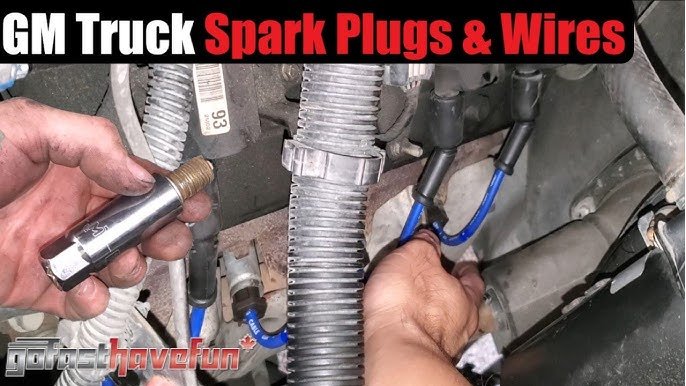
Start by gently pulling the wires off the spark plugs and distributor or coil pack. Avoid yanking the wires by the cord; instead, grip the boot firmly and twist it slightly while pulling. This prevents damage to the wire or the spark plug itself.
It’s helpful to remove one wire at a time to keep track of where each one goes. Labeling wires with tape can save confusion during reinstallation. Have you ever mixed up wires and noticed your engine running rough? This simple step avoids that headache.
Inspecting And Cleaning Connections
Check both ends of each wire for cracks, burns, or corrosion. Look inside the boots for signs of dirt or oil buildup, which can interfere with the electrical connection. Cleaning these areas with a wire brush or a cloth soaked in electrical cleaner can restore proper contact.
Don’t overlook the spark plug terminals themselves. Use a gap gauge to ensure your spark plugs are in good condition, as damaged plugs can mimic wire problems. How often do you examine these hidden spots that affect your car’s performance?
Repairing Or Replacing Damaged Sections
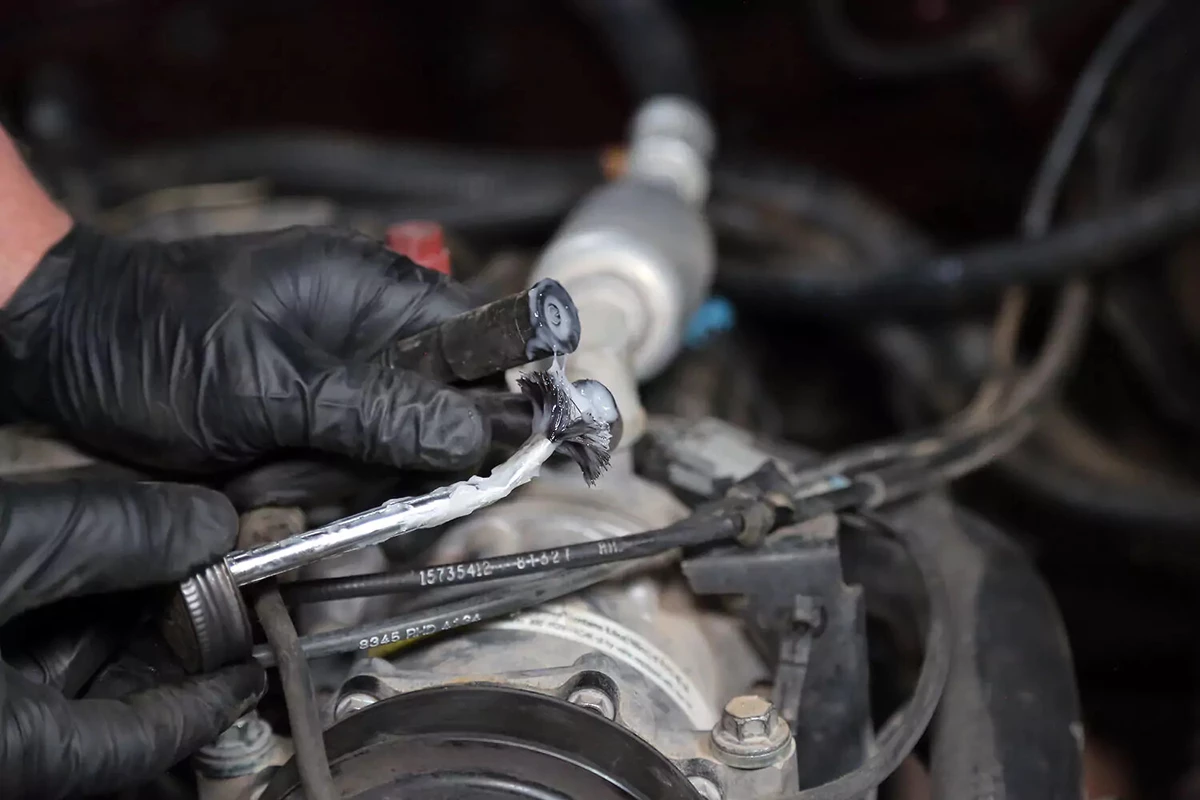
If you spot frayed wire or broken insulation, you can either repair or replace the wire. Small cracks can be sealed with high-temperature electrical tape or heat shrink tubing for a temporary fix. However, cutting out damaged sections and splicing in new wire is a better long-term solution.
Keep in mind that spark plug wires have specific resistance ratings to match your engine. Using the wrong type can cause misfires. If the damage is extensive, replacing the entire wire set is often more cost-effective and reliable.
Reinstalling Wires Correctly
Match each wire to its original spark plug and terminal using your labels or a wiring diagram. Push the boots firmly onto the plugs and distributor terminals until you feel a click or snug fit. Loose connections can cause poor engine performance and frustrating misfires.
Route the wires away from hot engine parts and moving components to prevent future damage. Use wire separators or clips to keep them organized and avoid cross-firing. Have you checked your wire routing lately? Proper placement can save you from unexpected breakdowns.
Testing The Repair
Testing the repair is a crucial step to confirm the spark plug wire works properly. This ensures the engine runs smoothly and reliably. Checking the repair helps catch any issues early and saves time. Follow simple steps to verify the fix and enjoy better engine performance.
Starting The Engine
Turn the ignition key or press the start button. Listen closely to the engine as it starts. The engine should crank smoothly without hesitation. No unusual noises or backfires should occur. If the engine struggles, the wire repair might need rechecking.
Checking For Improved Performance
Watch how the engine runs after starting. Look for steady idling without sputtering or stalling. The vehicle should accelerate smoothly without misfires. Fuel efficiency may improve slightly as well. If performance is poor, inspect the spark plug wire again for any damage or loose connections.

Credit: www.carsales.com.au
Maintenance Tips For Spark Plug Wires
Maintaining your spark plug wires is key to keeping your engine running smoothly. They carry the electrical current needed to ignite the fuel-air mixture in your engine’s cylinders. Neglecting their care can lead to misfires, poor fuel economy, and engine performance issues.
Regular Inspection
Check your spark plug wires regularly for cracks, burns, or corrosion. A quick visual inspection every few thousand miles can catch small problems before they cause bigger issues. Gently wiggle the wires to feel for brittleness or stiffness—both signs they may be ready for replacement.
Have you ever experienced engine hesitation during acceleration? Sometimes, worn spark plug wires are the hidden culprit. Using a spark tester can help you identify weak or broken wires that don’t deliver proper voltage.
Preventing Future Damage
Protect your spark plug wires from heat and physical damage by routing them properly away from hot engine parts. Using wire separators or clips can prevent rubbing and chafing against the engine block or other components.
Keep oil and grease off the wires since these can degrade the insulation over time. Applying dielectric grease to the inside of the wire boots creates a moisture barrier and helps ensure a secure, corrosion-free connection.
Ask yourself—how often do you replace your spark plug wires? Planning replacements based on your vehicle’s recommended maintenance schedule can save you from unexpected breakdowns and costly repairs.

Credit: www.youtube.com
Frequently Asked Questions
What Tools Are Needed To Repair Spark Plug Wires?
You need a spark plug wire puller, replacement wires, dielectric grease, and basic hand tools. These help safely remove and install wires without damage. Using the right tools ensures a proper and secure fit, improving engine performance and preventing misfires.
How Do I Identify A Faulty Spark Plug Wire?
Look for cracks, burns, or corrosion on the wire’s surface. Also, check for engine misfires, rough idling, or poor acceleration. Faulty wires cause weak or no spark, leading to performance issues and increased fuel consumption.
Can I Repair Spark Plug Wires Instead Of Replacing Them?
Minor damage like small cracks can be temporarily fixed with dielectric grease and electrical tape. However, most damaged wires should be replaced for safety and optimal performance. Repairs are usually short-term solutions and not recommended long-term.
How Often Should Spark Plug Wires Be Replaced?
Generally, replace spark plug wires every 30,000 to 50,000 miles. Check your vehicle’s manual for specific intervals. Regular inspection helps prevent engine problems caused by worn or damaged wires.
Conclusion
Repairing spark plug wires helps your engine run smoothly. Clean and check wires often for best results. Replace damaged wires quickly to avoid engine problems. Use the right tools and follow safety steps carefully. A little care saves you time and money later.
Keep your vehicle in good shape with simple repairs. You can do this yourself with patience and focus. Stay safe and enjoy a better driving experience.





