Have you ever stood in front of your lawn mower, puzzled about what type of fuel it actually needs? You’re not alone.
Choosing the right fuel for your lawn mower is crucial for its performance and longevity. Using the wrong kind can lead to frustrating engine problems and costly repairs. But don’t worry, understanding what fuel your lawn mower uses is simpler than you might think.
We’ll dive into the different fuel types, their benefits, and how choosing the right one can save you time and money. So, are you ready to fuel your knowledge and keep your lawn mower running smoothly? Let’s get started!
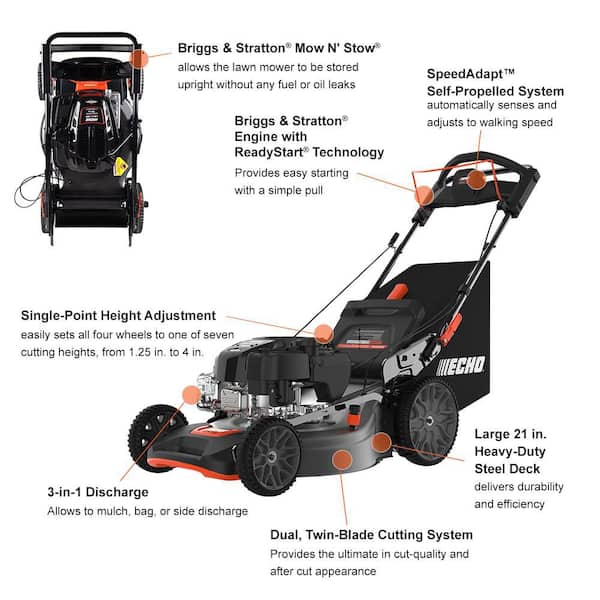
Credit: www.homedepot.com
Types Of Lawn Mower Fuels
Lawn mowers use different fuels depending on their design and power source. Each fuel type has its own benefits and drawbacks. Knowing these types helps you pick the right mower for your needs.
Gasoline
Gasoline is the most common fuel for lawn mowers. It provides strong power and quick refueling. Most push and riding mowers use gasoline engines. It is easy to find and affordable. Gasoline engines need regular maintenance like oil changes.
Diesel
Diesel is less common but used in heavy-duty mowers. It offers better fuel efficiency and longer engine life. Diesel engines are more durable and produce more torque. They are ideal for large lawns or commercial use. Diesel fuel can be harder to find and more expensive.
Propane
Propane mowers are cleaner and quieter than gasoline models. They burn fuel more efficiently, producing fewer emissions. Propane tanks are refillable and last longer per fill. These mowers are popular for environmental reasons. Propane may cost more initially but saves money over time.
Electric And Battery Power
Electric mowers run on power cords or batteries. Battery-powered mowers offer freedom of movement without fumes. They are quiet and easy to start with no fuel needed. Batteries require charging but have improved in life and power. Electric mowers suit small to medium lawns well.
Gasoline Lawn Mowers
Gasoline lawn mowers are popular for their power and mobility. They do not need a cord or battery to work. This makes them great for large yards and uneven ground. Understanding the type of gasoline and engine your mower uses helps in its care and performance.
Regular Vs. Premium Gasoline
Most gasoline lawn mowers run well on regular unleaded gasoline. Premium gasoline has a higher octane rating. It is usually not necessary for standard lawn mowers. Using premium gas in a mower designed for regular gas does not improve performance. It only adds extra cost. Always check the mower’s manual for the recommended fuel type.
Two-stroke Vs. Four-stroke Engines
Two-stroke and four-stroke engines are common in gasoline mowers. Two-stroke engines are lighter and simpler. They mix oil with gasoline for lubrication. Four-stroke engines have separate compartments for oil and gas. They run cleaner and quieter. Four-stroke engines need regular oil changes. Two-stroke engines require fuel mixed with oil, so no separate oil change is needed.
Mixing Gasoline With Oil
Two-stroke engines require a gasoline and oil mix. This mix lubricates the engine parts during operation. Use the correct oil type and mix ratio as stated in the mower’s manual. Too much oil causes smoke and fouling. Too little oil can damage the engine. Mix the fuel and oil in a clean container before filling the mower. Never mix oil with gasoline in the mower’s tank directly.
Diesel Lawn Mowers
Diesel lawn mowers use diesel fuel, a heavier type of fuel than gasoline. They are built with engines designed to run on diesel, offering a different mowing experience. These mowers are common in commercial landscaping and large properties. They provide strong power and durability for tough mowing jobs. Understanding when diesel is preferred helps decide if this mower fits your needs.
When Diesel Is Preferred
Diesel lawn mowers suit large areas and heavy-duty tasks. They work well on uneven or rough terrain. These mowers are great for long mowing hours without frequent refueling. Diesel engines handle tougher jobs with less wear and tear. They are often chosen by professionals for reliability and endurance.
Advantages And Drawbacks
- Advantages:Diesel mowers use less fuel than gasoline mowers. They have higher torque, which means better cutting power. Diesel engines last longer and need less maintenance. They perform well in cold weather and handle heavy grass easily.
- Drawbacks:Diesel mowers usually cost more upfront. They can be heavier and harder to maneuver. These mowers may produce more noise and emissions. Diesel fuel might not be as easy to find as gasoline in some areas.

Credit: www.reddit.com
Propane-powered Mowers
Propane-powered mowers are gaining attention as a reliable alternative to traditional gasoline models. They run on propane gas stored in a tank, offering a different approach to fueling your lawn care routine. If you’re considering a propane mower, understanding its efficiency and environmental effects can help you decide if it fits your needs.
Fuel Efficiency
Propane mowers often deliver better fuel efficiency compared to gasoline engines. This means you get more mowing time per tank, which can save you money in the long run. I once switched to a propane mower and noticed fewer fill-ups, letting me finish my yard without constant interruptions.
Additionally, propane engines tend to maintain performance over time with less frequent maintenance. You won’t have to worry as much about stale fuel or carburetor issues common with gasoline mowers. Have you ever struggled with starting a mower after sitting unused? Propane can reduce those frustrating moments.
Environmental Impact
Using propane cuts down on harmful emissions. It produces fewer greenhouse gases and pollutants compared to gas-powered engines. This means cleaner air around your home and neighborhood.
Propane mowers also burn cleaner, reducing engine deposits and extending the mower’s lifespan. If you care about minimizing your carbon footprint, propane is a practical choice. How important is environmental impact when choosing your lawn mower?
Electric And Battery Lawn Mowers
Electric and battery lawn mowers have become a popular choice for many homeowners looking to simplify lawn care. These mowers run on electricity stored in batteries or plugged directly into a power source, making them quieter and cleaner compared to gas-powered options.
If you’ve ever felt overwhelmed by the noise and maintenance of a gas mower, switching to electric might be a game-changer for your yard work routine. But understanding the types of batteries, how long they last, and their pros and cons will help you decide if this is the right mower for your needs.
Types Of Batteries
Most battery-powered lawn mowers use lithium-ion batteries because they hold charge longer and weigh less than older types like nickel-cadmium. These batteries come in different voltages, with 40V to 80V being common for residential mowers.
Higher voltage usually means more power, which can handle thicker grass better. Some brands offer interchangeable batteries, so you can swap a drained battery with a fully charged one to keep mowing without interruption.
Charging And Runtime
Charging times vary, but many lithium-ion batteries take about 1 to 2 hours to fully charge. Some models include fast chargers that reduce wait time significantly.
Runtime depends on the battery capacity and the thickness of the grass. On average, expect 30 to 60 minutes of mowing per charge, enough for small to medium yards.
Planning your mowing schedule around charging times can keep your workflow smooth. Do you have an extra battery to extend your mowing session, or will you need to wait for a recharge?
Benefits And Limitations
- Benefits:Electric mowers produce zero emissions, are quieter, and require less maintenance than gas mowers. You won’t need to mix fuel or change spark plugs.
- Limitations:Battery life can limit mowing time, and performance may drop as the battery drains. Also, they may struggle with very tall or wet grass.
Choosing an electric mower means balancing convenience with the size and condition of your lawn. Have you considered how your yard’s specific needs match the strengths and weaknesses of battery-powered mowers?
Choosing The Right Fuel
Choosing the right fuel for your lawn mower affects its performance, efficiency, and even the health of your yard. It’s not just about picking any fuel; it’s about matching the fuel type to your mower’s needs and your lawn’s conditions. Let’s break down the key factors to consider so you can make the best choice for your mower and your outdoor space.
Lawn Size And Terrain
The size and type of your lawn play a big role in fuel selection. Small lawns with flat terrain often do well with electric or battery-powered mowers, which don’t need traditional fuel at all.
For larger or uneven lawns, gas-powered mowers using gasoline or a gas-oil mix provide more power and longer run times. If your lawn has hills or thick grass, you might need a fuel that supports a stronger engine to handle the extra work without frequent refueling.
Environmental Considerations
Think about how your fuel choice impacts the environment. Gasoline mowers emit more pollutants, which can affect air quality and your neighborhood’s health.
Electric or battery-powered mowers reduce emissions and noise pollution. They are a great choice if you want to minimize your carbon footprint and keep your yard quiet.
Some newer mowers run on propane or biofuels, which burn cleaner than traditional gasoline. Have you considered how your fuel choice fits with your commitment to eco-friendly living?
Cost And Maintenance
Fuel type affects how much you spend and the kind of care your mower needs. Gasoline is usually cheaper upfront, but engines that run on it often require more maintenance like regular oil changes and spark plug replacements.
Electric mowers can save money over time since electricity costs less than gas, and they need fewer repairs. However, batteries may need replacement after a few years, which adds to the cost.
Weigh the ongoing costs and time you’re willing to spend on upkeep against your budget and schedule. What matters more to you: saving money on fuel or saving time on maintenance?
Fuel Storage And Safety Tips
Storing fuel for your lawn mower correctly is crucial not only for the machine’s performance but also for your safety. Improper storage can lead to fuel degradation or even dangerous accidents. Let’s look at how you can keep your fuel fresh and your environment safe.
Proper Storage Methods
Keep fuel in a clean, tightly sealed container designed specifically for gasoline. Avoid using old or rusted cans that might leak or contaminate the fuel.
Store these containers in a cool, well-ventilated area away from direct sunlight and heat sources. This prevents fuel evaporation and reduces fire risk.
Think about your garage or shed: is it dry and cool enough to store fuel safely? If not, consider investing in a small fuel cabinet or a dedicated storage box.
Handling Fuel Safely
Always refuel your lawn mower outdoors or in a well-ventilated space. Gasoline fumes can build up quickly and ignite with a tiny spark.
Never smoke or use electronic devices near fuel. Even static electricity can cause a fire.
Use a funnel to pour fuel to avoid spills, and if a spill occurs, clean it immediately with an absorbent material like cat litter or sand.
Disposal Of Old Fuel
Fuel that’s been stored for more than a month starts to lose its effectiveness and can damage your mower. Don’t just pour it down the drain or on the ground.
Check if your local recycling center accepts old gasoline. Many communities have hazardous waste collection days where you can safely dispose of unused fuel.
Think about the last time you cleaned out your fuel containers—could old fuel be lurking inside, waiting to cause trouble? Regularly inspect and refresh your fuel supply to keep your mower running smoothly.

Credit: www.ebay.com
Fuel Troubleshooting
Fuel issues can quickly turn a simple lawn mowing task into a frustrating challenge. Understanding how to troubleshoot fuel problems helps you get your mower running smoothly again. Let’s dive into common issues, how to spot them, and what you can do to avoid fuel troubles altogether.
Common Fuel-related Issues
Fuel problems often stem from stale gasoline, contamination, or improper mixing of fuel and oil in two-stroke engines. Old fuel loses its effectiveness and can clog your mower’s carburetor, causing it to stall or fail to start.
Another frequent issue is water or debris entering the fuel tank, which can lead to poor engine performance or sudden shutdowns. Sometimes, the fuel filter or lines get blocked, restricting fuel flow and making your mower sputter.
Signs Of Fuel Problems
- Difficulty Starting:Your mower struggles to turn over or takes several attempts to start.
- Engine Stalls:The engine runs briefly then stops, especially when you increase the throttle.
- Rough Idling:The mower shakes or runs unevenly while idling.
- Loss of Power:Your mower feels weak and can’t cut grass effectively.
- Strong Fuel Smell:Excessive gasoline odor can indicate leaks or improper fuel mixture.
Have you ever had your mower die in the middle of a job? Recognizing these signs early could save you hours of frustration.
Preventive Measures
Use fresh gasoline and avoid storing fuel for more than 30 days. Adding a fuel stabilizer can help keep your fuel fresh if you need to store it longer.
Always drain old fuel before storing your mower for winter. Clean or replace the fuel filter regularly to prevent blockages.
Keep the fuel tank sealed tightly and store your mower in a dry place to avoid moisture contamination. Checking fuel lines for cracks or leaks before each use can prevent unexpected breakdowns.
How often do you inspect your mower’s fuel system? Small, consistent care can keep your mower ready to cut without hiccups.
Frequently Asked Questions
What Type Of Fuel Do Lawn Mowers Use?
Most lawn mowers use unleaded gasoline with an octane rating of 87 or higher. Some models require a fuel-oil mix, especially two-stroke engines. Always check the manufacturer’s guidelines to use the correct fuel type for optimal mower performance.
Can I Use Diesel Fuel In My Lawn Mower?
No, diesel fuel is not suitable for most lawn mowers. Lawn mowers typically run on gasoline or electric power. Using diesel can damage the engine and void the warranty. Always use the recommended fuel type specified in the mower’s manual.
Are Electric Lawn Mowers Better Than Gas-powered Ones?
Electric mowers are quieter, require less maintenance, and produce no emissions. Gas mowers offer more power and longer run times. Your choice depends on lawn size, noise preferences, and environmental concerns. Both have specific fuel or energy requirements.
How Should I Store Fuel For My Lawn Mower?
Store gasoline in an approved container in a cool, dry place away from direct sunlight. Use fuel stabilizers to extend shelf life, especially for seasonal storage. Always keep fuel away from heat sources and out of children’s reach to ensure safety.
Conclusion
Choosing the right fuel helps your lawn mower run well. Gasoline suits most mowers, giving strong power. Some mowers use electric batteries, which are quieter and cleaner. Always check your mower’s guide for the correct fuel type. Using the wrong fuel can cause damage.
Keep fuel fresh and store it safely. Proper fuel use saves time and money. Enjoy a healthy lawn with the right mower fuel. Simple steps make mowing easier and better.





