
Have you ever found yourself ready to mow the lawn, only to be stumped by a simple question: “Where is the lawn mower spark plug?” You’re not alone.
Many people face this challenge, and it’s more common than you might think. Understanding where your lawn mower’s spark plug is located can save you time, effort, and perhaps even a bit of frustration. This tiny component plays a crucial role in keeping your mower running smoothly.
So, if you’re eager to get your lawn looking its best without unnecessary delays, you’re in the right place. Stick around, and we’ll guide you through finding that elusive spark plug, ensuring your mower is always ready for action.
Credit: www.familyhandyman.com
Locate The Spark Plug
Locating the spark plug on your lawn mower is the first step toward maintaining its engine health. Knowing exactly where it sits can save you time and frustration, especially if you’ve never opened up the mower before. Let’s break down how to find this small but vital component quickly and easily.
Common Spark Plug Positions
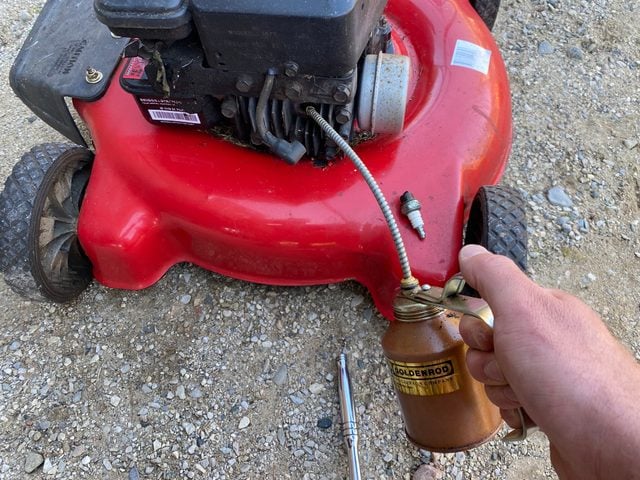
Most lawn mower spark plugs are found on the side or top of the engine. They usually stick out and have a thick wire attached, which makes them easier to spot. In some models, the plug might be partially hidden under a protective cover or shroud.
Think about your mower’s engine shape. Is it a single-cylinder or multi-cylinder? Single-cylinder engines often have one spark plug visible near the cylinder head, while multi-cylinder engines may have multiple plugs spaced around the engine block.
Accessing The Engine Area
Before you try to locate the spark plug, make sure the engine is off and cool to avoid burns. Remove any grass clippings or debris around the engine area to get a clear view.
Sometimes, you need to remove the engine cover or air filter assembly to see the spark plug clearly. Use a screwdriver or socket wrench to carefully take off any panels blocking your view.
Have you checked under the engine cover yet? It’s often the hidden spot where the spark plug waits. Clearing this space not only helps you find the plug but also lets you spot other parts that might need attention.
Identify Spark Plug Components
Knowing the key parts of your lawn mower’s spark plug helps you handle maintenance with confidence. Identifying these components correctly prevents mistakes like disconnecting the wrong wire or damaging the plug. Let’s take a closer look at the spark plug wire and the spark plug boot—two parts you’ll encounter every time you check or replace your spark plug.
Recognizing The Spark Plug Wire
The spark plug wire is a thick, insulated cable that delivers electricity from the ignition system to the spark plug. It’s usually black or dark-colored and feels sturdy in your hand. If you follow the wire from the ignition coil, it leads straight to the spark plug, making it easier to spot.
One tip I learned the hard way: never yank the wire itself when disconnecting. Pulling on the wire can damage it, causing poor spark and engine trouble. Instead, grip the end firmly—where it connects to the spark plug—to avoid costly repairs.
Spotting The Spark Plug Boot
The spark plug boot is the rubber or silicone cover that fits snugly over the spark plug’s top. It acts like a protective shield, keeping dirt and moisture away while ensuring a solid electrical connection. The boot often looks like a small cap and matches the color of the wire.
When removing the boot, twist it gently before pulling to avoid tearing. Have you noticed how some boots become brittle over time? Replacing a cracked boot can save you from starting issues and rough engine performance.
Tools For Spark Plug Access
Accessing the spark plug on your lawn mower requires the right set of tools. Without these, you might struggle or even damage parts of your mower. Preparing ahead with the proper equipment makes the job smoother and safer.
Essential Tools Needed
First, you need a spark plug socket, which is usually a deep socket with rubber inside to grip the plug. Sizes can vary, but 5/8 inch or 13/16 inch are the most common for lawn mowers.
A ratchet wrench pairs perfectly with the spark plug socket, giving you the leverage to loosen or tighten the plug easily. Sometimes, an extension bar helps reach plugs that sit deep in the engine.
Don’t forget a gap gauge. It measures the distance between the spark plug electrodes. Ensuring the correct gap is critical for your mower’s engine to run efficiently.
Safety Equipment
Before you start, protect yourself with safety glasses. Small debris or dirt can fly out when you remove the spark plug, and you don’t want it in your eyes.
Wear gloves to keep your hands clean and shielded from sharp parts or hot surfaces. Working with a cool engine also prevents burns, so make sure your mower has had time to cool down.
Do you have a well-lit workspace? Good lighting helps you see the spark plug clearly and avoid mistakes. Using a portable work light can make a big difference, especially if you’re working in shaded or dim areas.
Step-by-step Removal Guide
Removing the spark plug from your lawn mower is simpler than it sounds. With the right approach, you can handle this task quickly and safely. Here’s a clear guide to help you through the process without any confusion or damage.
Disconnecting The Spark Plug Wire
Before you touch the spark plug, make sure the lawn mower is off and cooled down. Locate the spark plug wire—it usually has a thick rubber boot covering the plug. Grip the boot firmly and pull it straight off; avoid yanking the wire itself to prevent damage.
If the wire feels stuck, try twisting the boot gently while pulling. Sometimes dirt or corrosion can make it hard to remove, so a little patience helps. Have you noticed how many people accidentally pull the wire and end up with a loose connection? Don’t be one of them.
Unscrewing The Spark Plug
Once the wire is off, grab a spark plug socket or a deep socket wrench that fits snugly around the plug. Turn counterclockwise to loosen the spark plug. It might feel tight at first, but steady pressure works better than force.
Keep the spark plug aligned straight as you unscrew it to avoid damaging the threads. When it’s loose, remove it by hand. Have you ever tried to force a spark plug out at an angle? That’s a quick way to ruin your mower’s engine.
Inspecting The Spark Plug
Inspecting the spark plug is a key step in maintaining your lawn mower’s engine. It helps you spot problems before they cause engine trouble or poor performance. By checking the spark plug regularly, you can save time and avoid costly repairs.
Signs Of Wear And Damage
Look closely at the spark plug’s tip and insulator. If you see black soot or oily deposits, it means the engine is running too rich or burning oil. Cracks in the ceramic insulator or a worn electrode can stop the spark from firing properly.
Have you noticed your mower hesitating or struggling to start? That might be a clear sign your spark plug is worn out. Also, excessive carbon buildup or corrosion on the metal parts signals it’s time to take action.
Cleaning Or Replacing
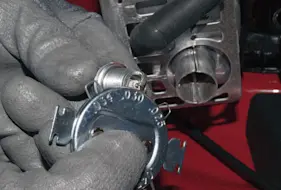
If the spark plug looks dirty but still intact, cleaning it can bring your mower back to life. Use a wire brush or spark plug cleaner to gently remove carbon deposits. Avoid scraping too hard as it can damage the electrode.
But if you find cracks, heavy corrosion, or the electrode is worn down, replace the spark plug. It’s a simple and affordable fix that often improves engine performance immediately. Keep a spare plug on hand so you can swap it out whenever needed.
Credit: www.searspartsdirect.com
Reinstalling The Spark Plug
Reinstalling the spark plug is a crucial step to get your lawn mower running smoothly again. It requires care to avoid damaging the threads or the plug itself. Taking your time here pays off with reliable starts every time you mow.
Proper Threading Techniques
Start by gently screwing the spark plug back into the cylinder head by hand. This helps you feel if the threads are aligned correctly. Never force the spark plug; cross-threading can strip the threads and cause costly repairs.
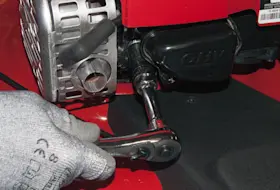
Once the plug is hand-tight, use a spark plug socket and ratchet to snug it down. Most plugs require about a quarter to half turn after hand-tightening, but check your mower’s manual for exact specs. Over-tightening can crack the plug or damage the cylinder head, so less is often more.
Reattaching The Wire
After the spark plug is secure, reconnect the spark plug wire firmly. It should snap onto the plug’s terminal with a bit of resistance. A loose connection here can cause your mower to sputter or fail to start altogether.
If the wire feels stuck or won’t seat properly, inspect it for dirt or corrosion. Cleaning or replacing the boot can make a big difference in performance. Have you ever had a mower fail just because the wire wasn’t fully connected? It’s a simple fix that saves you from frustration.
Tips For Easy Spark Plug Access
Finding the spark plug on your lawn mower can be tricky without the right approach. Easy access saves time and effort during maintenance. Follow simple tips to keep your spark plug within reach and your mower running smoothly.
Regular Maintenance Habits
Check the spark plug regularly for dirt and wear. Cleaning it often prevents buildup that blocks access. Tighten or replace the spark plug as needed. Doing this keeps the mower in good condition and avoids hard-to-reach problems later.
Organizing Your Workspace
Keep tools and parts in one spot near your mower. Use containers or small boxes to store spark plug tools. Clear away clutter so you can work easily and quickly. A tidy area means less hassle when you need to reach the spark plug.
Credit: www.searspartsdirect.com
Frequently Asked Questions
Where Is The Spark Plug Located On A Lawn Mower?
The spark plug is usually found on the engine’s cylinder head. It connects to a thick wire called the ignition lead. Look near the air filter or fuel tank area to spot it easily.
How Do I Access The Spark Plug On My Mower?
First, turn off the mower and disconnect the spark plug wire. Remove any covers or shields blocking access. Use a spark plug socket wrench to unscrew and inspect or replace the plug.
What Does A Lawn Mower Spark Plug Look Like?
A spark plug is a small metal component with a ceramic insulator. It has a threaded end that screws into the engine and a terminal where the ignition wire connects.
Can A Dirty Spark Plug Affect Mower Performance?
Yes, a dirty or fouled spark plug can cause poor engine starting. It leads to rough idling and reduced power. Regular inspection and cleaning help maintain mower efficiency.
Conclusion
Finding the spark plug on your lawn mower is easier than you think. It sits near the engine, often on the side or top. Knowing its location helps with regular checks and replacements. A clean, working spark plug keeps your mower running well.
Keep your mower ready for the next cut. Simple steps make maintenance less stressful and more effective. Remember, a small part can make a big difference. Stay confident and enjoy a smooth mowing experience.





