You’re driving down the road, and suddenly, your car starts to jerk. Maybe it’s idling roughly, or your gas mileage has taken a nosedive.
These could be signs that your spark plugs are wearing out. Recognizing when you need new spark plugs can save you from unexpected breakdowns and costly repairs. You’ll discover simple ways to identify if your spark plugs are the culprits behind your car troubles.
Stick around, because knowing when to change them can keep your vehicle running smoothly and efficiently, giving you peace of mind and a safer ride.

Credit: www.slashgear.com
Role Of Spark Plugs
Spark plugs play a crucial role in your vehicle’s engine performance. They create the tiny sparks needed to ignite the air-fuel mixture inside the engine cylinders. Without this ignition, your engine simply won’t run.
Each spark plug must deliver a consistent spark at the right moment to ensure smooth combustion. This process directly affects your car’s power, fuel efficiency, and emissions. If the spark plugs wear out or fail, you’ll notice changes in how your vehicle drives.
How Spark Plugs Ignite The Engine
Spark plugs generate an electrical spark that ignites the compressed air-fuel mixture inside the combustion chamber. This controlled explosion pushes the piston down, creating the power needed to move your car.
Think about it: if the spark is weak or inconsistent, the fuel won’t burn completely. This leads to rough idling, misfires, and poor acceleration. Have you ever experienced your car hesitating when you press the gas? That hesitation could be tied to failing spark plugs.
Impact On Fuel Efficiency And Emissions
When spark plugs don’t fire properly, the engine burns more fuel than necessary. This reduces your miles per gallon and increases harmful emissions. Old or damaged spark plugs can make your car less eco-friendly and more expensive to run.
Even a small drop in spark plug efficiency can add up over time. Imagine the extra fuel costs you could avoid by simply replacing worn plugs on schedule.
Signs Of Spark Plug Wear And Tear
- Difficulty starting the engine
- Engine misfires or rough idling
- Poor acceleration or reduced power
- Increased fuel consumption
- Engine knocking or pinging sounds
Noticing these symptoms? It’s a clear hint that your spark plugs might need attention. Addressing the problem early can save you from more expensive repairs down the road.
Common Spark Plug Issues
Common spark plug issues can quietly impact your car’s performance before you even notice a problem. Spark plugs play a crucial role in igniting the fuel-air mixture in your engine. When they start failing, you might experience subtle signs that are easy to overlook but hard to ignore once you know what to watch for.
Worn Or Fouled Electrodes
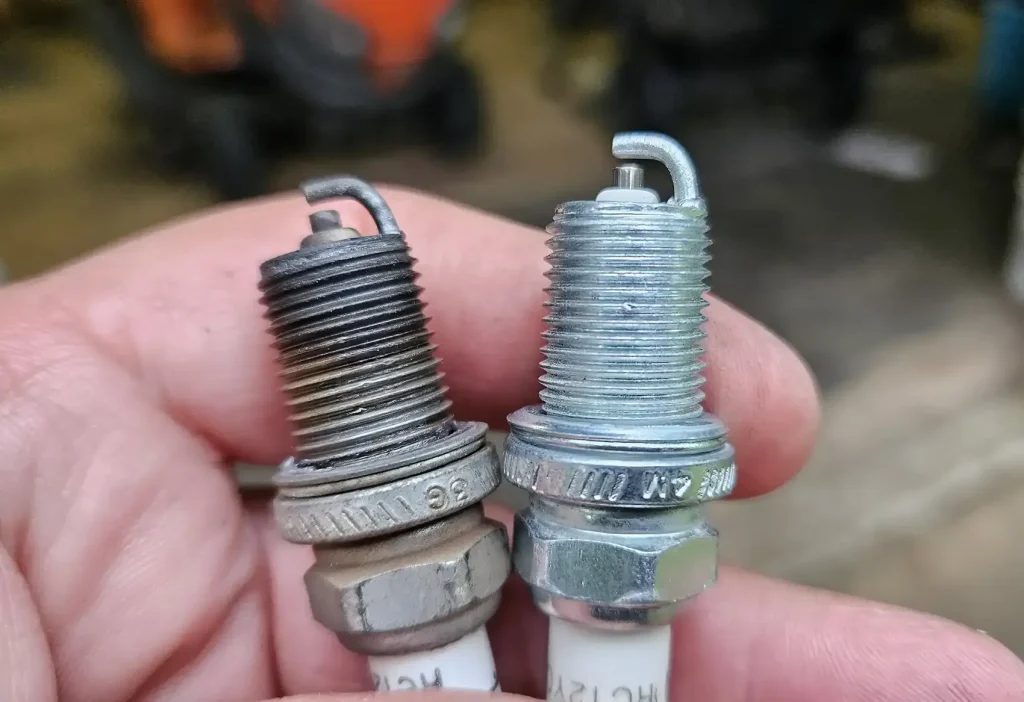
Over time, the electrodes on spark plugs wear down or get coated with deposits from fuel additives and oil. This wear reduces the spark’s strength, causing your engine to misfire or hesitate. If you see black, oily, or sooty deposits on the plugs, it’s a clear sign they aren’t firing properly.
Difficulty Starting Your Engine
If your car struggles to start or takes longer to turn over, spark plugs might be the culprit. Weak or damaged plugs fail to ignite the fuel-air mix efficiently, leading to slow starts. Have you noticed your engine cranking more than usual? It’s time to check those plugs.
Poor Fuel Economy
Failing spark plugs can cause incomplete combustion, which means your engine burns more fuel than necessary. This leads to decreased gas mileage and more frequent stops at the pump. If your car’s fuel efficiency drops suddenly, worn spark plugs could be the cause.
Engine Misfires And Rough Idling
When spark plugs don’t fire consistently, your engine can misfire or idle roughly. You might feel the car shaking or hear popping noises during acceleration. These symptoms often point to spark plugs that need replacement before they cause bigger engine problems.
Check Engine Light Activation
Your vehicle’s onboard diagnostics can detect spark plug issues and trigger the check engine light. Ignoring this warning means risking further damage to the engine. If that light comes on, don’t delay—get your spark plugs inspected as part of the diagnostic process.
Engine Performance Changes
Engine performance changes often signal problems with your spark plugs. These small parts play a big role in how smoothly your car runs. Worn or dirty spark plugs can cause noticeable shifts in engine behavior. Watch for signs like rough idling, trouble starting, and less fuel efficiency. These symptoms can help you decide if new spark plugs are necessary.
Rough Idling
Your engine should run smoothly when idling. If it shakes or feels uneven, spark plugs might be the cause. Old plugs can misfire, causing the engine to jerk or stall. This rough idling wastes fuel and stresses the engine. Checking spark plugs can often solve this issue quickly.
Difficulty Starting
Difficulty starting the car is a common spark plug symptom. Worn plugs struggle to ignite the fuel-air mix in the engine. You may hear clicking sounds or experience delayed starts. Replacing spark plugs usually restores quick and easy starts.
Reduced Fuel Efficiency
Fuel efficiency drops when spark plugs don’t work well. Faulty plugs cause incomplete combustion, wasting gas. You may notice your car needs fuel more often than before. Changing spark plugs helps improve mileage and saves money on fuel.

Credit: www.reddit.com
Physical Inspection Tips
Inspecting your spark plugs physically is one of the most direct ways to know if they need replacement. It gives you a clear view of their condition without guessing based on engine performance alone. With just a few simple checks, you can spot early signs of trouble and avoid costly repairs later.
Check For Wear And Deposits
Start by removing the spark plugs and examining the metal tip and insulator. Look for buildup like carbon deposits, oil, or ash, which can affect the plug’s ability to fire correctly. A light tan or grayish color on the electrode is normal, but heavy black soot or oily residue signals a problem.
Wear on the electrodes, such as rounded edges or a gap that’s wider than recommended, means the spark plug can’t create a strong spark. Have you ever noticed your engine misfiring or losing power? This could be the reason, and worn electrodes are often the culprit.
Look For Cracks Or Damage
Carefully check the ceramic insulator for any cracks or chips. Even small cracks can cause misfires because they allow electricity to escape before reaching the spark gap. Physical damage might also mean the spark plug was installed incorrectly or exposed to extreme engine conditions.
Also, inspect the metal threads for signs of corrosion or stripping. Damaged threads can cause poor contact with the cylinder head and lead to engine performance issues. If you find any cracks or damage, it’s a clear sign you need to replace your spark plugs immediately.
Mileage And Maintenance Schedule
The mileage on your vehicle plays a big role in deciding when to change spark plugs. Every car has a recommended maintenance schedule set by the manufacturer. This schedule tells you how often to replace parts like spark plugs.
Following the maintenance schedule helps keep your engine running smoothly. Spark plugs wear out over time and lose their ability to ignite the fuel properly. Old spark plugs can cause poor fuel economy and engine misfires.
Mileage Guidelines For Spark Plug Replacement
Most spark plugs need changing between 30,000 and 100,000 miles. The exact mileage depends on the spark plug type and your car model. Check your vehicle manual for the recommended interval.
- Standard copper spark plugs: usually 20,000 to 40,000 miles
- Platinum spark plugs: around 60,000 miles
- Iridium spark plugs: up to 100,000 miles
Why Following The Maintenance Schedule Matters
Ignoring spark plug replacement can lead to engine problems. Worn plugs cause rough idling, slow acceleration, and hard starts. Sticking to the schedule prevents these issues.
Regular checks also help spot early signs of wear. Mechanics can replace spark plugs before they fail completely. This keeps your vehicle reliable and fuel-efficient.
How To Find Your Vehicle’s Maintenance Schedule
Look inside your car’s owner manual for a maintenance chart. Most manuals list when to replace spark plugs and other parts. You can also check online or ask a trusted mechanic.
Keeping track of your mileage and maintenance helps avoid costly repairs. A simple spark plug change can improve engine performance and save money in the long run.
Tools For Testing Spark Plugs
Testing spark plugs helps find out if they work well or need changing. Using the right tools makes this task simple and accurate. Two common tools for this job are the spark plug tester and the multimeter. Each tool checks different parts of the spark plug’s function.
Spark Plug Tester
The spark plug tester shows if the plug creates a spark. Connect the tester to the spark plug and the ignition wire. When you crank the engine, look for a strong blue spark inside the tester. A weak or no spark means the plug might be bad. This tool helps see spark quality quickly without removing the plug from the engine.
Multimeter Usage
A multimeter measures electrical resistance in the spark plug. Set the multimeter to the ohms (Ω) setting. Touch one lead to the tip of the spark plug and the other to the metal shell. A high or infinite reading means the plug is faulty. A low reading shows the plug still conducts electricity well. This test checks the plug’s internal condition without starting the engine.
When To Replace Spark Plugs
Spark plugs play a vital role in your vehicle’s engine. They ignite the air-fuel mixture for combustion. Over time, spark plugs wear out and lose efficiency. Knowing when to replace them can prevent engine problems and save money.
Replacing spark plugs at the right time keeps your engine running smoothly. It improves fuel efficiency and reduces emissions. Ignoring worn spark plugs can lead to rough idling, hard starts, and poor acceleration.
Signs Of Worn Spark Plugs
- Engine misfires or jerks during acceleration
- Difficulty starting the engine
- Decreased fuel economy
- Rough or uneven idling
- Engine stalls unexpectedly
Manufacturer’s Recommended Replacement Interval
Check your vehicle’s owner manual for spark plug replacement intervals. Most spark plugs last between 30,000 and 100,000 miles. Iridium or platinum spark plugs tend to last longer than copper ones.
Visual Inspection Of Spark Plugs
Remove and examine spark plugs for wear signs. Look for:
- Carbon deposits or soot buildup
- Burnt or damaged electrodes
- Cracks in the ceramic insulator
- Oil or fuel fouling on the plug
Impact Of Driving Conditions
Frequent short trips and stop-and-go traffic can wear spark plugs faster. Driving in dusty or harsh environments also affects spark plug life. Replace spark plugs sooner if you drive under tough conditions regularly.

Credit: www.reddit.com
Frequently Asked Questions
How Often Should Spark Plugs Be Replaced?
Spark plugs typically last 30,000 to 100,000 miles. Check your vehicle’s manual for specific intervals. Replace them if you notice performance issues.
What Are Common Signs Of Bad Spark Plugs?
Signs include engine misfires, poor fuel economy, difficulty starting, and rough idling. These symptoms often indicate worn or faulty spark plugs.
Can Worn Spark Plugs Damage My Engine?
Yes, worn spark plugs can cause incomplete combustion. This leads to engine strain, reduced performance, and potential long-term damage.
How Do I Visually Inspect Spark Plugs?
Remove the spark plug and check for deposits, wear, or cracks. A clean, light tan color indicates good condition.
Conclusion
Worn spark plugs can cause engine trouble and poor fuel use. Watch for rough idling, slow starts, or engine misfires. Regular checks help keep your car running smooth. Changing spark plugs on time saves money and stress. Don’t wait for big problems to appear.
Keep your vehicle healthy and enjoy safer drives. Simple care makes a big difference. Stay alert to signs and act soon. Your engine will thank you.





