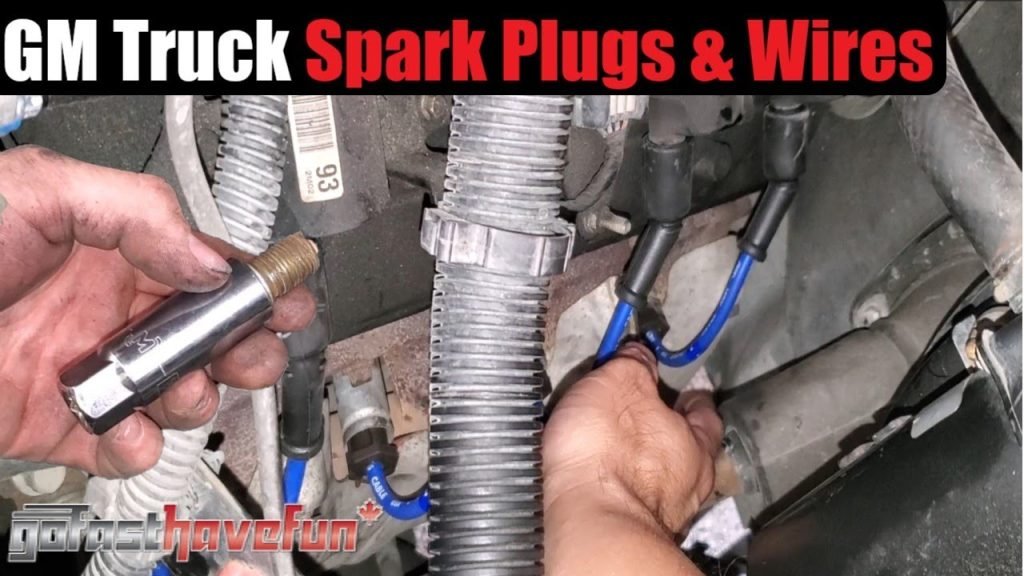
Are your car’s engine troubles making you pull your hair out? If so, it might be time to consider changing your spark plug wires.
This simple maintenance task can breathe new life into your engine, ensuring smooth performance and better fuel efficiency. But how exactly do you go about it? Don’t worry; you’re not alone in wondering about this. Many drivers are unsure about the process, but with the right guidance, you can tackle this on your own and save a trip to the mechanic.
Stick around, and discover how you can easily change your spark plug wires, enhancing your car’s performance and possibly saving you a bundle in repair costs. Get ready to roll up your sleeves and give your car the care it deserves!

Credit: beachautomotive.com
Tools Needed
Before you start changing your spark plug wires, gathering the right tools is essential. Having everything ready saves time and prevents frustration during the job. You don’t want to be halfway through and realize you’re missing a crucial tool.
Basic Hand Tools
Start with a good set of hand tools. A ratchet wrench with the correct socket size is vital for removing spark plugs if you plan to replace them along with the wires.
- Ratchet wrench– Usually 5/8-inch or 13/16-inch sockets fit most spark plugs.
- Screwdrivers– Flathead or Phillips for removing any covers or clips securing wires.
- Needle-nose pliers– Helpful for gripping and pulling wires gently without damage.
Spark Plug Wire Puller
This tool isn’t mandatory but makes your life easier. It grips the boot firmly and pulls it off without stressing the wire itself. Using your hands alone can risk tearing the wire’s insulation.
Dielectric Grease
Applying dielectric grease ensures a better electrical connection and protects the wires from moisture and corrosion. It’s a small tube that goes a long way in extending the life of your spark plug wires.
Wire Marker Or Labeling Tape
Keeping track of wire order is crucial. Labeling wires before you remove them prevents mix-ups during reinstallation. You can use masking tape and a marker or specialized wire labels.
Have you checked your toolbox lately to see if you have these tools? Skipping even one can turn a simple wire swap into a frustrating ordeal.
When To Replace Wires
Knowing when to replace your spark plug wires is crucial for keeping your engine running smoothly. Worn or damaged wires can cause misfires, poor fuel economy, and rough idling. Paying attention to the signs can save you time and money on repairs down the road.
Signs Of Wear And Damage
Check your spark plug wires regularly for visible damage like cracks, burns, or corrosion. If the insulation looks brittle or the wires feel stiff, it’s a clear signal they’re losing their effectiveness. I once ignored a small crack, and it led to engine misfires during a long trip—definitely not a situation you want to face.
Performance Issues To Watch For
If your engine starts to hesitate, stall, or struggles to start, your spark plug wires might be the culprit. These wires carry the electrical charge to ignite the fuel-air mixture, so any disruption can affect performance. Have you noticed a sudden drop in power or strange engine noises? It might be time to inspect those wires.
Recommended Replacement Intervals
Most manufacturers suggest replacing spark plug wires every 30,000 to 50,000 miles, but this can vary depending on your vehicle and driving conditions. Harsh environments like extreme heat or moisture can shorten their lifespan. Checking your owner’s manual can give you a good baseline for when to schedule replacements.
Testing Spark Plug Wires
Not sure if your wires need replacement? Use a multimeter to check for resistance. A high reading means the wire is failing to conduct electricity properly. This simple test can save you from unnecessary replacements and pinpoint the exact wire causing trouble.
Preparing Your Vehicle
Preparing your vehicle is the first important step before changing spark plug wires. This process helps avoid damage and ensures safety. Taking time to get ready makes the task easier and faster.
Start by parking your car on a flat surface. This keeps it stable while you work. Turn off the engine and let it cool completely. Hot engine parts can cause burns and injuries.
Gather all necessary tools and materials before starting. Having everything ready saves time and frustration. Make sure you have new spark plug wires that fit your car model.
Locate The Spark Plug Wires
Open the hood and find the spark plug wires. They connect the spark plugs to the ignition system. Trace each wire from the distributor or ignition coil to the spark plugs.
Note the order and position of each wire. This helps avoid mixing them up during installation. Labeling the wires with tape and a marker can be useful.
Disconnect The Battery
Safety is key. Disconnect the negative battery cable to prevent electric shocks. Use a wrench to loosen the cable clamp and remove it. This step protects you and the vehicle’s electrical system.
Clean The Work Area
Remove dirt and debris around the spark plugs and wires. Use a clean cloth or compressed air to clear dust. A clean area prevents dirt from entering the engine during wire replacement.

Credit: www.youtube.com
Removing Old Spark Plug Wires
Removing old spark plug wires is a crucial step before installing new ones. It helps ensure your engine runs smoothly by maintaining proper electrical connections. Handling the wires carefully prevents damage to the ignition system and saves you time during reinstallation.
Locate The Spark Plug Wires
First, open your vehicle’s hood and find the spark plug wires. They usually run from the distributor cap or ignition coil to each spark plug on the engine. Depending on your engine model, these wires can be arranged in a straight line or wrapped around the engine block.
Take a moment to trace each wire from the spark plug to its connection point. This makes it easier to reconnect the new wires correctly. If your wires are dirty or greasy, wipe them gently with a cloth for better visibility.
Disconnect Wires Safely
Never pull on the wire itself; always grip the boot at the end of the wire where it connects to the spark plug or distributor. Pulling on the wire can damage the internal conductor, leading to misfires later.
Twist the boot gently to loosen it, then pull it straight off. If a wire feels stuck, a quick wiggle or a little penetrating spray can help. Remember, removing one wire at a time prevents mixing up the firing order.
Have you ever tried to pull off all the wires at once and ended up confusing their positions? Taking your time with each wire saves frustration and ensures your engine fires correctly after replacement.
Installing New Spark Plug Wires
Installing new spark plug wires is a key part of car maintenance. Proper installation ensures your engine runs smoothly and efficiently. This process requires attention to detail. Incorrect installation can cause engine misfires and poor performance.
Match Wire Lengths
Start by matching each new wire to the old one. Each wire has a specific length. Using the wrong length can cause tension or slack. Tension may damage the wire or connector. Slack can cause the wire to touch hot engine parts.
Lay the new wires side by side with the old wires. Check that lengths match exactly. Replace one wire at a time to avoid confusion. This step keeps the firing order correct.
Attach Wires Correctly
Attach wires firmly to both the spark plug and the distributor or ignition coil. The connectors should click or snap into place. Loose connections cause weak sparks and engine problems.
Push the wire boot fully onto the spark plug tip. Use gentle twisting to seat the boot without damage. Secure the other end to the ignition source. Double-check all connections before closing the hood.
Double-checking Connections
Double-checking connections after changing spark plug wires is crucial. A loose or wrong connection can cause your engine to misfire or run poorly. Taking a few extra minutes to verify everything can save you from frustration and extra work later.
Identify Each Wire Correctly
Before reconnecting, make sure each wire matches the correct spark plug and ignition coil terminal. Mixing them up leads to misfires and poor engine performance.
Use your labels or take pictures before removing old wires. This simple step helps you put everything back in the right order without guesswork.
Check For Secure Fit
Ensure every wire snaps firmly onto the spark plug and coil. A loose connection can cause sparks to jump, creating engine trouble.
Try gently tugging each wire after installation. If it slips off easily, push it back until it clicks into place securely.
Inspect Wire Routing
Look at how wires run from the ignition coil to the spark plugs. They should not touch hot engine parts or sharp edges.
Proper routing prevents premature wear and electrical shorts. Use clips or ties to keep wires neat and away from heat sources.
Test Engine Performance
After double-checking connections, start your engine and listen closely. Is it running smoothly without hesitation?
If you notice rough idling or stalling, turn off the engine and recheck the wires. Sometimes a single connection is the key to solving the problem.
Testing Your Work
Testing your work after changing spark plug wires is crucial. This step ensures your engine runs smoothly and efficiently. Poorly connected wires can cause misfires, rough idling, or poor fuel economy. Spend time checking your work carefully.
Visual Inspection Of Connections
Look closely at each spark plug wire connection. Make sure wires are fully seated on the spark plugs and ignition coil. Check for any visible damage or cracks on the wires. Clean connections help maintain a strong spark.
Start The Engine And Listen
Turn on the engine and listen for any unusual noises. A steady, smooth sound means the wires are working well. Rough running or sputtering could indicate a loose wire or a poor connection.
Check Engine Light And Error Codes
Watch for the check engine light on your dashboard. If it turns on, use an OBD-II scanner to read error codes. Codes related to misfires or ignition problems often point to spark plug wire issues.
Test Engine Performance On The Road
Drive your vehicle gently to test performance. Notice if the engine runs smoothly without hesitation. Acceleration should feel normal, and there should be no stalling or jerking.
Use A Spark Tester For Accuracy
Employ a spark tester tool for a precise check. This device shows if each wire delivers a strong spark. Testing each wire helps confirm the quality of your work.
Tips For Maintenance
Maintaining spark plug wires is key to keeping your engine running smoothly and avoiding unexpected breakdowns. Proper care helps you extend their life and ensures your vehicle performs at its best. Let’s look at some practical tips that make maintenance straightforward and effective.
Regular Inspection For Wear And Tear
Check your spark plug wires every few months. Look for cracks, burns, or corrosion on the wires and connectors. Even small damage can cause misfires, so catching it early saves you from bigger problems.
Have you ever noticed your engine hesitating or stalling? That’s often a sign your wires need a closer look.
Keep Wires Clean And Dry
Dirt and moisture can cause spark plug wires to short out. Wipe them down with a clean cloth during your regular car wash or oil change. Avoid spraying water directly on the wires to prevent moisture from seeping into the connectors.
A quick clean can prevent electrical shorts and keep your ignition system reliable.
Use Dielectric Grease On Connectors
Applying a small amount of dielectric grease on the wire boots helps seal out moisture and prevents corrosion. It also makes future removal easier without damaging the wires. Just a thin layer on the inside of each boot will do the trick.
This simple step can save you time and frustration the next time you change your spark plug wires.
Replace Wires In Sets
Changing one wire at a time might seem easier, but replacing all spark plug wires at once ensures consistent performance. It prevents mismatched wire resistance, which can cause uneven engine firing. You’ll also avoid repeated visits to the mechanic.
Think about the last time you replaced just one component and later had to come back to fix related issues—avoiding that saves money and hassle.
Handle Wires Gently During Maintenance
Pull wires from the boot, not the wire itself, to avoid damage. Tugging on the wire can break the internal conductor or cause loose connections. Use a twisting motion to loosen the boot if it feels stuck.
Have you ever broken a wire because you pulled too hard? Careful handling keeps your wires intact and working properly.

Credit: www.youtube.com
Frequently Asked Questions
How Often Should Spark Plug Wires Be Replaced?
Spark plug wires should be replaced every 30,000 to 50,000 miles. Regular checks help avoid engine misfires and poor performance. Inspect wires for cracks or wear to ensure proper ignition and fuel efficiency.
What Tools Do I Need To Change Spark Plug Wires?
You need a spark plug wire puller, dielectric grease, and a socket wrench. These tools help safely remove and install wires without damaging connectors or spark plugs. Proper tools ensure a smooth and secure replacement process.
Can I Change Spark Plug Wires Myself Safely?
Yes, changing spark plug wires is a simple DIY task with basic mechanical skills. Always disconnect the battery before starting. Follow the firing order and handle wires gently to avoid engine damage.
How Do I Identify The Correct Spark Plug Wire Order?
Match each wire to its corresponding spark plug and distributor terminal by the firing order. Refer to the vehicle’s manual for the exact sequence. Correct order ensures proper engine timing and smooth performance.
Conclusion
Changing spark plug wires is simple with the right steps. Always work on one wire at a time to avoid mistakes. Check each wire for damage before installing new ones. Proper installation keeps your engine running smoothly and saves money.
Regular maintenance helps prevent engine problems later. Now, your car’s ignition system will work better and last longer. Give yourself credit for doing a job many avoid. A small effort can make a big difference in performance. Keep your car in good shape with simple care.





