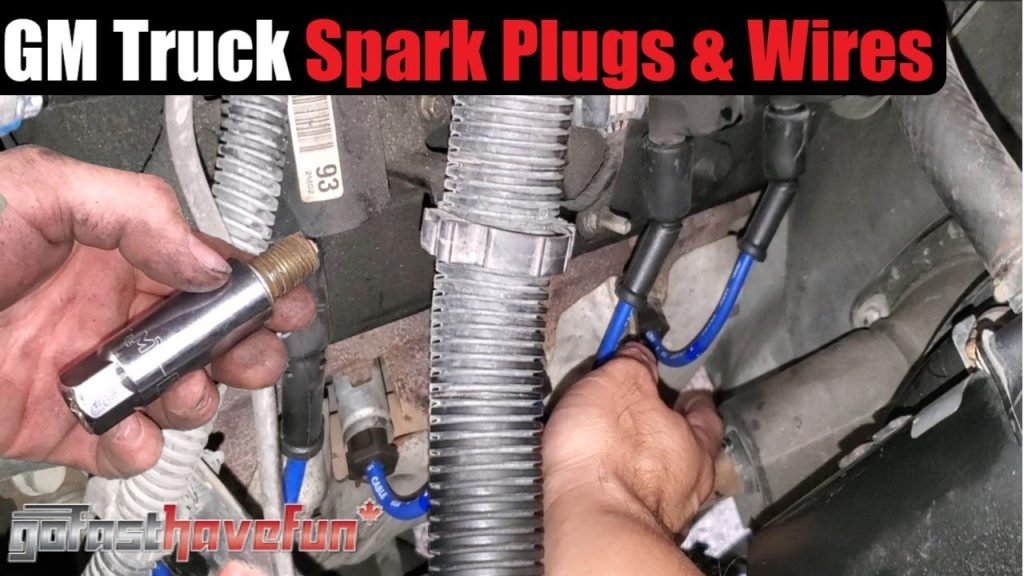
Are your spark plug wires causing trouble? Replacing them might seem daunting, but it’s easier than you think.
Imagine driving without that annoying misfire or rough idle, enjoying a smooth and efficient ride. By learning how to replace spark plug wires yourself, you not only save money but also gain confidence in maintaining your vehicle. This guide will walk you through every step, ensuring you get it right the first time.
Your car deserves the best, and with the right tips, you’ll have it running like new. Ready to become your car’s hero? Let’s dive in and get those spark plug wires replaced!
Tools And Materials Needed
Replacing spark plug wires requires having the right tools and materials on hand. Using the proper equipment makes the job faster and safer. Without these essentials, you might struggle or cause damage to your engine components.
Think about the last time you worked on your car. Did you have everything ready, or did you waste time searching for tools? Preparing beforehand helps you stay focused and efficient.
Essential Tools For Replacing Spark Plug Wires
- Spark Plug Wire Puller:This tool helps you safely remove old wires without damaging the connectors.
- Ratchet and Socket Set:Needed to loosen and tighten spark plugs if you decide to check them during the wire replacement.
- Dielectric Grease:Applying this to wire boots prevents moisture and ensures a good electrical connection.
- Multimeter:Useful for testing wire continuity and verifying that new wires work correctly.
- Gloves:Protect your hands from dirt, heat, and sharp engine parts.
- Shop Towels or Rags:Keep your workspace clean and wipe off any grease or debris.
Materials Required For The Job
- Replacement Spark Plug Wires:Choose wires that match your vehicle’s make and model for best performance.
- Service Manual or Wiring Diagram:Helps you identify the correct firing order and wire routing.
- Wire Loom or Clips (optional):Keeps wires organized and away from hot engine parts, extending their lifespan.
Where To Find These Tools And Materials
Most auto parts stores carry everything you need, including spark plug wires and tools. Online retailers also offer kits with all the essentials bundled for convenience.
Have you ever started a repair only to realize you’re missing a crucial tool? Avoid that frustration by gathering all items before you begin. It’s a small step that saves a lot of hassle.

Credit: www.youtube.com
Identifying Spark Plug Wires
Identifying spark plug wires is essential before you replace them. These wires carry the electrical current from the ignition system to the spark plugs, igniting the fuel in your engine. Knowing exactly which wires to handle prevents confusion and ensures your engine runs smoothly after the replacement.
Locating The Spark Plug Wires
Start by opening your vehicle’s hood and looking for the engine block. The spark plug wires usually run from the distributor cap or ignition coil to the spark plugs themselves. These wires are typically thick and insulated, often black or colored for easy identification.
Each wire connects directly to a spark plug on one end and to the ignition source on the other. If your engine has multiple cylinders, count the wires to match the number of spark plugs. This helps you avoid mixing them up during replacement.
Checking Wire Condition
Inspect each spark plug wire carefully before removing them. Look for visible cracks, burns, or worn spots on the insulation. Damaged wires can cause misfires or poor engine performance.
Feel along the length of the wire for any soft or brittle areas. These weak spots often indicate internal damage that isn’t visible at first glance. Have you ever noticed your engine hesitating or stalling? Faulty spark plug wires might be the cause.
Preparing For Replacement
Preparing to replace your spark plug wires is a crucial step that sets the stage for a smooth and safe repair. Taking the right precautions can prevent injury and avoid damage to your vehicle’s engine components. Let’s look at key actions you need to take before you start swapping out those wires.
Ensuring Engine Is Cool
Always make sure your engine is completely cool before touching anything under the hood. Hot engine parts can cause burns, and spark plug wires themselves can retain heat for a while after the car has been running.
Wait at least 30 minutes after turning off the engine, or longer if the weather is warm. You can test the temperature by lightly touching a metal part of the engine block. If it feels warm or hot, give it more time to cool down.
Disconnecting Battery
Disconnecting your car battery is a simple step that adds a layer of safety. It prevents accidental shocks and stops the engine from starting unexpectedly while you’re working.
Use a wrench to loosen the negative battery terminal first, then remove it completely. Keep the cable away from the battery terminal during your work to avoid any accidental reconnection.
Have you ever skipped this step and experienced a spark or shock? Taking this precaution saves you from potentially dangerous surprises and gives you peace of mind throughout the replacement process.

Credit: www.youtube.com
Removing Old Spark Plug Wires
Removing old spark plug wires is a crucial step before installing new ones. It ensures you don’t mix up the connections, which can cause engine misfires. Taking your time during this process can save you from unnecessary headaches later.
Removing Wires One At A Time
Always remove spark plug wires one at a time. This helps you keep track of each wire’s position. If you pull off all wires at once, you risk mixing up their order and causing engine issues.
Start by gently pulling the boot, not the wire itself. This prevents internal damage to the wire. Once removed, lay the wire next to the corresponding spark plug to keep things organized.
Avoiding Wire Damage
Be careful not to tug on the wire directly. Pulling the wire can damage the internal conductor and insulation. Instead, grip the boot firmly and twist slightly to loosen it before pulling.
If a wire feels stuck, apply a little penetrating oil around the boot base. Wait a few minutes, then try again. Using tools like pliers can help, but cover the wire with a cloth to avoid crushing it.
Installing New Spark Plug Wires
Installing new spark plug wires is a key step in maintaining your vehicle’s engine performance. Fresh wires ensure a strong spark, improving fuel efficiency and power. The process involves careful handling to avoid damaging the wires or connections. Follow each step closely for a smooth installation.
Matching Wire Lengths
Start by comparing the new wires to the old ones. Each wire must match the length of the original. Proper length prevents stretching or slack, which can cause misfires or shorts. Lay the wires side by side on a flat surface. Check that each new wire matches the old wire exactly. Do not swap wires between cylinders.
Connecting To Spark Plugs
Attach one end of each wire to its spark plug. Push the boot firmly over the spark plug tip. You should feel or hear a click when it seats properly. Avoid pulling the wire itself; grip the boot to prevent damage. Ensure each wire fits snugly to keep the connection secure.
Connecting To Distributor Or Coil
Connect the other end of each wire to the distributor cap or ignition coil. Match each wire to its original terminal to keep the firing order correct. Press the boot onto the terminal until it snaps in place. Check all connections for tightness. Loose wires can cause engine misfires and poor performance.
Testing The New Wires
Testing the new spark plug wires is a crucial step to ensure your engine runs smoothly. It’s not just about fitting the parts correctly; you need to confirm that they function as intended under real conditions. This phase helps catch any issues early, saving you time and frustration down the road.
Starting The Engine
Once you’ve installed the new wires, start your engine and listen carefully. A smooth start without hesitation or unusual noises is a good sign that the wires are conducting electricity properly.
If the engine struggles to start or sounds rough, it could indicate a problem with the wires or connections. Double-check each wire’s connection to the spark plugs and distributor cap or ignition coil.
Checking For Misfires Or Issues
Pay attention to how the engine runs as it warms up. Misfires often feel like sudden jolts or pauses in power and can cause the engine light to come on.
If you notice misfires, try swapping wires around to isolate the faulty one. Sometimes a single bad wire causes all the trouble, and identifying it quickly helps you fix the problem without replacing everything.
Have you ever experienced a misfire that only appeared after driving for a few minutes? That delay can point to heat-related issues with the wires, which you should address immediately.
Maintenance Tips For Spark Plug Wires
Maintaining your spark plug wires is key to keeping your engine running smoothly. Neglecting them can lead to misfires, reduced fuel efficiency, and even engine damage. Paying attention to simple maintenance steps can save you time and money on repairs down the road.
Regular Inspections
Take a close look at your spark plug wires every few months. Check for cracks, burns, or any signs of wear that might cause poor connections. If wires feel brittle or look damaged, it’s a clear sign they need attention.
Don’t forget to inspect the boots at both ends of the wires. Sometimes, corrosion or dirt can build up there and prevent proper contact. Have you ever noticed rough idling or engine hesitation? This often points to spark plug wire issues that a quick inspection can catch early.
Replacing Wires Periodically
Even if your wires appear fine, replacing them at recommended intervals ensures peak performance. Manufacturers often suggest changing spark plug wires every 30,000 to 50,000 miles, depending on your vehicle and driving conditions.
Using high-quality replacement wires designed for your engine makes a big difference. Cheap wires may save money upfront but can cause more problems later. Remember, investing in good spark plug wires is investing in your vehicle’s health.
Have you marked your calendar for the next wire replacement? Setting reminders can prevent you from overlooking this vital maintenance task.

Credit: beachautomotive.com
Frequently Asked Questions
What Tools Are Needed To Replace Spark Plug Wires?
You need spark plug wire pliers, a ratchet set, dielectric grease, and a spark plug wire set. These tools ensure safe, efficient replacement without damaging wires or connectors.
How Do You Identify Old Spark Plug Wires?
Old wires often have cracks, burns, or corrosion. They may cause engine misfires or rough idling. Inspect wires carefully for visible damage or stiffness.
How Do You Disconnect Spark Plug Wires Safely?
Always pull the boot, not the wire, to avoid damage. Twist gently and pull straight off each spark plug terminal to prevent wire breakage.
How Do You Match New Wires To Old Ones?
Replace wires one at a time to avoid mixing. Match wire length and connector type to ensure proper fit and engine performance.
Conclusion
Replacing spark plug wires is a simple task anyone can do. Follow the steps carefully and take your time. Keep the engine cool before starting to avoid burns. Match each wire to the correct spark plug and coil. Check the wires for damage before installing new ones.
Properly installed wires help your car run smoother and save fuel. Regular maintenance keeps your engine healthy and avoids costly repairs. Try this yourself and feel confident in your car care skills. A little effort goes a long way.





