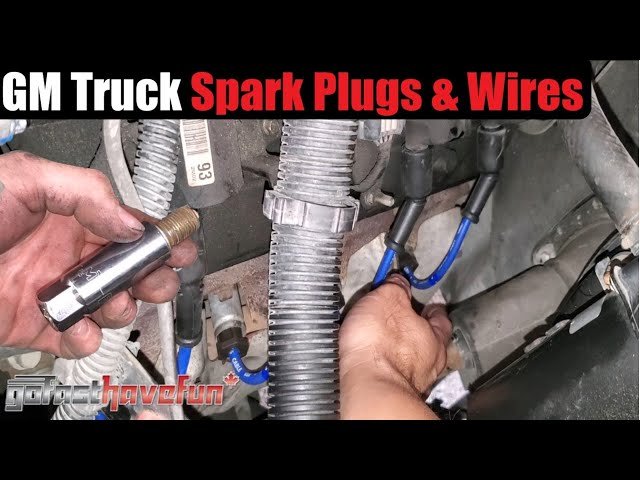
Are your engine misfires starting to become a frequent companion on your drives? Or perhaps your vehicle’s performance isn’t as smooth as it once was?
If you’re nodding along, it might be time to take a closer look under the hood—specifically at your spark plug wires. These unsung heroes play a vital role in your engine’s performance, and knowing how to replace them can not only save you money but also keep your car running efficiently.
Imagine the satisfaction of solving this problem yourself, boosting your car’s performance, and driving worry-free. In this guide, we’ll walk you through the simple steps to replace your spark plug wires, empowering you with the skills to ensure your vehicle purrs like a kitten once more. Dive in and discover how you can take charge of your car’s health with just a little time and effort!

Credit: www.youtube.com
Signs Of Worn Spark Plug Wires
Spotting the signs of worn spark plug wires early can save you from costly repairs down the road. These wires play a crucial role in delivering the electrical spark needed for your engine to run smoothly. Ignoring their condition can lead to frustrating engine issues that are often easy to prevent.
Common Symptoms
You might notice your engine misfires or stumbles during acceleration. This happens because worn spark plug wires fail to deliver a strong, consistent spark. Another clear sign is a rough idle—your car might shake or feel uneven when stopped.
Have you ever smelled a strong fuel odor around your vehicle? That could mean incomplete combustion caused by faulty wires. Sometimes, you might even hear unusual noises like popping or coughing sounds from the engine.
- Engine misfires or hesitation during acceleration
- Rough or uneven idle
- Strong fuel smell near the engine
- Unusual popping or coughing noises
- Visible cracks or wear on the wires themselves
Impact On Engine Performance
Worn spark plug wires don’t just cause minor annoyances—they directly affect how your engine performs. Poor spark delivery means your engine burns fuel less efficiently, reducing your car’s power and fuel economy.
You might notice your vehicle struggles more on hills or during quick starts. This inefficiency can also increase harmful emissions, contributing to pollution and possibly causing your car to fail emissions tests.
Have you felt your car lagging or noticed a drop in miles per gallon? These are clear signs your spark plug wires might be holding your engine back.
Tools And Materials Needed
Replacing spark plug wires requires specific tools and materials. Having everything ready makes the job smooth and safe. Using the right tools protects your vehicle’s engine parts from damage. It also helps complete the work faster and with accuracy.
Essential Tools
- Spark plug wire puller – to remove old wires safely
- Socket wrench with spark plug socket – for removing spark plugs
- Dielectric grease – prevents moisture and ensures good connection
- Wire cutters – to trim wires if needed
- Multimeter – to check wire continuity and resistance
- Work gloves – to protect your hands from heat and dirt
- Rag or cloth – to clean spark plug areas
Choosing The Right Spark Plug Wires
Match the wires to your car’s make, model, and engine type. Check the wire length to avoid stretching or slack. Select wires with good insulation to resist heat and chemicals. Opt for low-resistance wires to improve engine performance. Look for sets that include boots for better fit and protection. Quality wires last longer and reduce misfires.
Preparing Your Vehicle
Preparing your vehicle before replacing spark plug wires is important. It makes the task safer and easier. Taking time to prepare helps avoid damage and mistakes. Follow simple steps to get your car ready for the job.
Safety Precautions
Always work on a cool engine. Hot parts can cause burns. Disconnect the negative battery cable to stop electricity flow. Wear gloves to protect your hands. Use safety glasses to guard your eyes. Work in a well-ventilated area to avoid harmful fumes. Keep tools organized to prevent accidents.
Locating Spark Plug Wires
Open the hood and find the engine. Look for thick wires running from the ignition coil to the spark plugs. Spark plug wires are usually black or colored. They connect to the top of the spark plugs and the distributor or ignition coil. Check your car manual if unsure about locations. Note the order of wires to avoid mixing them up.
Removing Old Spark Plug Wires
Removing old spark plug wires is a crucial step before installing new ones. It requires care to prevent damage to both the wires and the engine components. Knowing the right way to do this can save you time and money on repairs.
Techniques For Safe Removal
Start by working on one wire at a time to avoid mixing up the firing order. Grasp the boot firmly, not the wire itself, and twist gently while pulling it off. This reduces the risk of pulling the wire out of the boot or damaging the connection.
Using a spark plug wire puller tool can make this process easier and safer. If you don’t have one, a pair of needle-nose pliers with rubber tips can help you grip the boot without slipping. Always wear gloves to protect your hands from heat and grime.
Avoiding Damage
Pulling on the wire instead of the boot is a common mistake that can cause internal wire breakage. Avoid yanking or jerking motions; slow, steady pressure works best. If a wire feels stuck, try applying a small amount of penetrating oil around the boot, but wipe it off before reconnecting.
Take note of how the wire is routed before removal. Bending or twisting the wire excessively can crack the insulation, leading to misfires later. Have you ever replaced wires only to find your engine still misfiring? The culprit might be hidden damage from rough removal.
Installing New Spark Plug Wires
Installing new spark plug wires is a task that can improve your engine’s performance and fuel efficiency. It’s not just about swapping old wires for new ones; proper installation ensures your engine fires smoothly and consistently. Let’s look at some key points that make this job easier and more effective.
Matching Wire Lengths
Each spark plug wire must match the length of the wire it replaces. Using a wire that’s too long or too short can cause misfires or damage to the wire.
Before installation, lay out your new wires next to the old ones. This helps you quickly identify which wire goes where without guessing.
Have you ever tried to force a wire that’s too short into place? It’s frustrating and can lead to poor connections. Getting the length right from the start saves time and headaches.
Proper Connection Tips
Ensure each wire snaps securely onto the spark plug and the ignition coil or distributor. Loose connections lead to weak sparks and engine problems.
Use a twisting motion when attaching the wire to the spark plug to help the boot seat properly. Avoid pulling on the wire itself; always pull on the boot to prevent damage.
Check if your wires have built-in resistance. This can reduce electrical interference and improve performance. Are your new wires designed to handle your vehicle’s specific ignition system?
Lastly, route the wires carefully, away from hot engine parts and moving components. Use wire separators if needed to keep them organized and prevent shorts.

Credit: www.youtube.com
Testing And Troubleshooting
Testing and troubleshooting spark plug wires is crucial after replacement. This process ensures your engine runs smoothly and avoids future problems. Checking the wires helps find any faults early. It saves time and money by preventing damage to other engine parts.
Starting The Engine
Turn the key to start the engine. Listen for any unusual sounds like coughing or sputtering. The engine should start smoothly without hesitation. If the engine struggles or stalls, spark plug wires may be faulty. Watch for rough idling or misfires during startup.
Identifying Common Issues
Look for visible signs on the wires such as cracks or burns. Check for loose connections at the spark plugs and distributor. Use a spark plug wire tester to measure resistance. High resistance means the wire is bad and needs replacement.
- Engine misfires or runs rough
- Decreased fuel efficiency
- Visible damage to wires
- Engine warning lights on the dashboard
Replace any wires showing these signs to avoid engine problems.
Maintenance Tips For Longevity
Maintaining your spark plug wires properly can significantly extend their life and keep your engine running smoothly. Simple habits like checking for wear and storing them correctly prevent unnecessary damage and save you money. Let’s look at practical ways you can care for your spark plug wires to get the most out of them.
Regular Inspection
Check your spark plug wires every few months or whenever you notice engine misfires. Look closely for cracks, burns, or brittleness along the wire’s length. Even small damage can cause performance issues and reduce fuel efficiency.
Run your fingers gently along the wires to feel for any stiffness or soft spots. These changes in texture often signal internal damage not visible to the eye. If you find any problems, replace the wires immediately to avoid further engine trouble.
Have you ever ignored a small crack only to face a costly repair later? Catching issues early saves both time and money. Make inspection a quick habit during your routine car checks.
Storage And Handling
When handling spark plug wires, avoid bending or stretching them too much. Wires are designed to flex slightly, but harsh treatment can break the internal core or damage the insulation.
Store spare wires in a cool, dry place away from direct sunlight and chemicals. Excessive heat and moisture weaken the wire’s material and shorten its lifespan.
Use zip ties or wire organizers to keep wires neat and prevent tangling. Tangled wires often get pulled or kinked, leading to premature wear. How you handle and store your wires today influences their performance tomorrow.

Credit: www.youtube.com
Frequently Asked Questions
How Often Should Spark Plug Wires Be Replaced?
Spark plug wires typically need replacement every 30,000 to 50,000 miles. Check your vehicle’s manual for specific intervals. Worn wires can cause engine misfires and reduced fuel efficiency. Regular inspection helps maintain optimal engine performance.
What Tools Are Needed To Replace Spark Plug Wires?
You need a spark plug wire puller, ratchet set, and dielectric grease. A wire puller prevents wire damage during removal. Dielectric grease ensures a secure electrical connection and prevents corrosion.
How To Identify Faulty Spark Plug Wires?
Signs include engine misfires, rough idling, and poor acceleration. Visible cracks or corrosion on wires indicate damage. Testing with a multimeter can confirm electrical resistance issues.
Can I Replace Spark Plug Wires Myself?
Yes, with basic mechanical skills and the right tools, you can replace them. Follow a step-by-step guide to avoid mixing wire order. Ensure the engine is cool before starting the replacement.
Conclusion
Replacing spark plug wires helps your car run smoother and saves money. It takes some time but is simple with the right tools. Always check the new wires match your car’s model. Keep the wires away from hot engine parts to avoid damage.
Regular checks and replacement keep your engine healthy and efficient. Try this easy task to improve your car’s performance today.





