
Are you struggling to find the spark plug on your lawn mower? You’re not alone.
Many people find themselves puzzled when trying to locate this vital component. Whether you’re a seasoned gardener or a beginner, knowing where the spark plug is can save you time and frustration. This tiny part plays a huge role in your mower’s performance, and understanding its location is the first step to ensuring a smooth-running machine.
Stick around as we uncover the exact spot where your lawn mower’s spark plug is hiding, and discover why this simple knowledge can make all the difference in your lawn care routine.
Lawn Mower Spark Plug Basics
The spark plug is a small but crucial part of your lawn mower’s engine. It helps start the engine and keeps it running smoothly. Knowing the basics about the spark plug can help you maintain your mower better and avoid common problems. This section explains the spark plug’s role and the types you might find in lawn mowers.
Role Of The Spark Plug
The spark plug creates the spark needed to ignite the fuel-air mix inside the engine. This ignition powers the engine to start and run. Without a working spark plug, the engine won’t start or will run poorly. The spark plug also helps control the engine’s performance and fuel efficiency. It must be clean and properly gapped for the mower to work well.
Types Of Spark Plugs
Different spark plugs suit different lawn mower engines. Common types include copper, platinum, and iridium spark plugs. Each type has unique features:
- Copper spark plugs:Good conductivity but wear out faster.
- Platinum spark plugs:Longer lifespan and better performance.
- Iridium spark plugs:Most durable and efficient, but cost more.
Choosing the right spark plug helps the engine run efficiently and last longer. Always check your mower’s manual for the recommended type.
Credit: www.familyhandyman.com
Common Spark Plug Locations
The spark plug is a vital part of a lawn mower’s engine. It ignites the fuel-air mixture to start the engine. Knowing common spark plug locations helps with maintenance and repairs. Most lawn mower spark plugs are easy to find once you know where to look.
Side Of The Engine Block
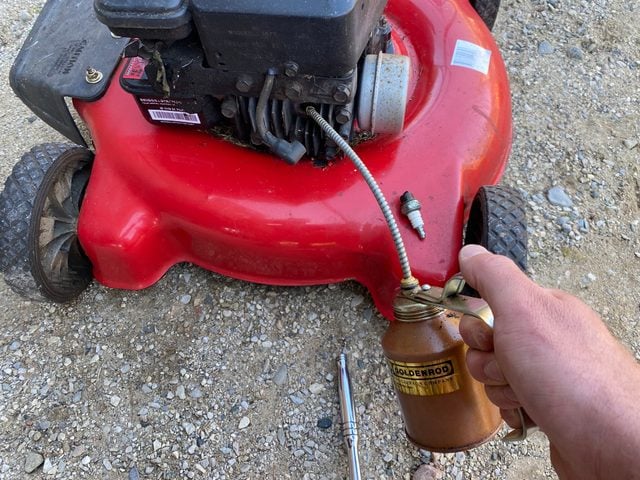
The spark plug often sits on the side of the engine block. It sticks out from the metal surface, making it easy to spot. You may see a thick wire connected to it. This wire carries the electric spark to start the engine.
Near The Cylinder Head
Some spark plugs are placed close to the cylinder head. This area is on top of the engine where combustion happens. The plug screws into the metal near the cylinder for direct ignition. It is usually visible without removing parts.
Under The Engine Cover
Sometimes, the spark plug hides beneath the engine cover. You need to remove the cover to access it. Look for a small wire or boot that connects to the plug. This location protects the spark plug from dirt and debris.
Tools Needed To Find It
Finding the spark plug on your lawn mower is easier when you have the right tools at hand. Having a few basic items ready can save you time and frustration. Plus, using proper safety gear keeps the task risk-free.
Basic Hand Tools
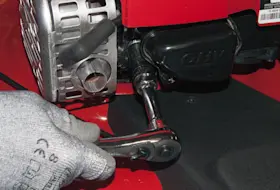
You don’t need a full toolbox for this job. A simple spark plug wrench or a socket wrench with the correct size socket usually fits perfectly. Keep a small flashlight or headlamp nearby to brighten tight, shadowy spots around the engine.
A clean rag or brush is handy for wiping away dirt and debris around the spark plug area before you start loosening it. This prevents any grime from falling into the engine once the plug is removed. Have a pair of pliers ready just in case the spark plug wire is a bit stubborn.
Safety Equipment
Safety should never be an afterthought. Always wear protective gloves to guard your hands from sharp edges and hot engine parts. Eye protection is equally important—dust and small particles can easily fly up when you’re working close to the engine.
Make sure the lawn mower is completely off and cooled down before you begin. Disconnect the spark plug wire to avoid accidental starts. If you have long hair or loose clothing, secure them to prevent any snagging.

Credit: www.reddit.com
Step-by-step Spark Plug Search
Finding the spark plug on a lawn mower can seem tricky. This step-by-step spark plug search makes it simple and clear. Follow these easy steps to locate the spark plug quickly. This helps with maintenance or repair tasks.
Prepare The Mower
Turn off the mower. Disconnect the spark plug wire to avoid accidental starts. Make sure the mower is on a flat surface. Clean any dirt or grass around the engine area. Wear gloves for safety.
Locate The Engine
Look at the mower’s body to find the engine. The engine is usually on top or at the back. It is the largest part with cooling fins or a metal casing. Check for labels or brand names on the engine. This helps identify the main engine area.
Identify The Spark Plug Wire
Look for a thick wire coming from the engine. This wire connects directly to the spark plug. It is usually black or red and ends with a rubber boot. Follow the wire carefully from the engine block. This wire carries the electric current to the spark plug.
Spot The Spark Plug
The spark plug is a small, metal part attached to the engine. It has a hexagonal shape and a rubber boot on the end of the wire. You will see it screwed into the engine block. The spark plug often has a porcelain center. It is easy to spot once you follow the spark plug wire.
Tips For Different Mower Models
Finding the spark plug on your lawn mower can vary depending on the type of mower you have. Each model has its own design quirks that affect where the spark plug is located and how easy it is to access. Knowing these differences can save you time and frustration when it’s time for maintenance.
Push Mowers
On most push mowers, the spark plug is usually located near the top or side of the engine block. It often sticks out, making it fairly easy to spot once you remove the mower’s cover or engine shroud.
Look for a thick wire leading to a small ceramic-tipped metal piece—that’s your spark plug. If you’ve ever struggled with a push mower that just won’t start, checking this plug can be a quick fix.
Riding Mowers
Riding mowers have larger engines, so the spark plug might be a bit harder to reach. Typically, it’s found on the side of the engine block, but you may need to open the hood or remove some panels to get a clear view.
Remember to disconnect the battery before you start poking around. This simple safety step prevents accidental starts while you’re working on the spark plug.
Electric Vs Gas Mowers
Electric mowers don’t have spark plugs at all, which makes maintenance simpler in this area. If you’re using a gas mower, the spark plug is essential for ignition and needs regular checks and cleaning.
Wondering why your mower won’t start but it’s electric? It could be the battery or electrical connections, not the spark plug. Knowing the difference saves you from unnecessary troubleshooting steps.
When To Check Or Replace
Knowing when to check or replace the spark plug on your lawn mower can save you from unexpected breakdowns and keep your mower running smoothly. Ignoring spark plug issues often leads to poor engine performance and frustration during your yard work. Let’s look at how to spot trouble early and keep your maintenance on track.
Signs Of Spark Plug Issues
You might notice your lawn mower struggles to start or stalls unexpectedly. These are common signs that the spark plug isn’t firing properly. Other clues include:
- Engine runs rough or unevenly
- Decreased fuel efficiency
- Visible carbon buildup or damage on the spark plug
- Excessive smoke from the exhaust
If any of these occur, it’s time to take a closer look at your spark plug. Have you ever been halfway through mowing only to find your mower sputtering? That’s usually a spark plug issue waiting to happen.
Maintenance Schedule
How often you check or replace your spark plug depends on how frequently you use your mower. A good rule is to inspect the spark plug every 25 hours of use or at the start of each mowing season. Replacement is generally recommended once a year or after about 100 hours of operation.
Don’t wait until performance drops. Regular inspection helps catch problems early and keeps your mower ready to go. Have you marked your calendar for this simple task? Setting reminders can make maintenance hassle-free and prevent unnecessary repairs.
Credit: www.searspartsdirect.com
Frequently Asked Questions
Where Is The Spark Plug Located On A Lawn Mower?
The spark plug is usually on the engine’s cylinder head. It’s near the top and connected to a thick wire. You can spot it by the rubber boot covering the metal terminal.
How Do I Access The Lawn Mower’s Spark Plug?
First, turn off the mower and disconnect the spark plug wire. Then, locate the spark plug on the engine and remove the boot to access it safely.
Can I Clean The Spark Plug Instead Of Replacing It?
Yes, you can clean the spark plug using a wire brush. Remove dirt and carbon deposits gently. If it’s heavily damaged, replacement is better for performance.
How Often Should I Check The Spark Plug On My Mower?
Check the spark plug every 25 hours of use or at least once a season. Regular checks ensure better mower performance and easier starts.
Conclusion
Finding the spark plug on a lawn mower is easier than it seems. It usually sits near the engine’s top or side. Knowing its location helps with regular checks and maintenance. Clean or replace the spark plug to keep your mower running well.
A healthy spark plug means a strong engine start every time. Keep your mower ready for the season by checking this small but important part. Simple steps like this save you time and money later. Keep your lawn mower in good shape.





