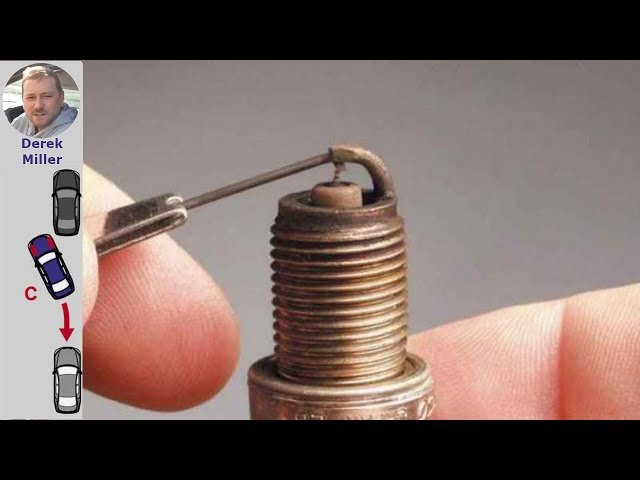
Are you noticing your car’s engine misfiring, struggling to start, or running less efficiently? It might be time to check your spark plugs.
These small yet mighty components play a crucial role in igniting the air-fuel mixture in your car’s engine. Ignoring their condition can lead to reduced performance and higher fuel consumption. But don’t worry—checking a spark plug is simpler than you might think.
By understanding how to inspect them, you can keep your car running smoothly and avoid costly repairs down the road. Ready to become a spark plug expert and ensure your vehicle runs at its best? Let’s dive into the easy steps that can save you time and money.
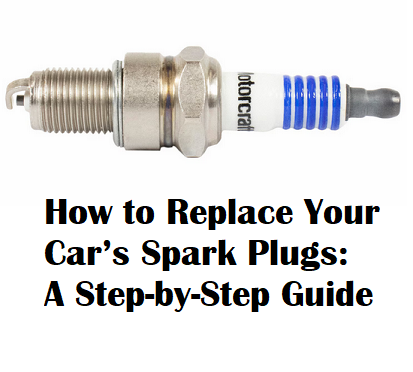
Credit: beachautomotive.com
Tools Needed
Checking a spark plug needs some specific tools. Having the right equipment makes the task easier and safer. This section covers the basic tools required to inspect a spark plug properly.
Essential Equipment
- Spark plug socket wrench – fits spark plug size perfectly
- Ratchet or wrench – to turn the socket easily
- Extension bar – helps reach deep spark plugs
- Wire brush or spark plug cleaner – removes carbon buildup
- Gap gauge – measures the spark plug gap accurately
- Multimeter – checks spark plug electrical resistance
- Compressed air canister – cleans debris around the plug area
Safety Gear
- Safety glasses – protect eyes from dirt and debris
- Gloves – shield hands from sharp parts and dirt
- Protective clothing – avoid stains and burns
- Work light – ensures good visibility in tight spaces
Locating Spark Plugs
Locating spark plugs is the first task before checking or replacing them. Knowing where they are helps you work safely and efficiently. Spark plugs usually sit on top or side of the engine. Their location depends on your car’s engine type.
Finding The Spark Plug Wires
Spark plug wires connect the ignition coil to each spark plug. They are thick, rubber-coated cables. Follow these wires to find the spark plugs. The wires often run from the center of the engine to the spark plugs.
- Look for wires that end with a rubber boot.
- Check the engine’s sides and top for these wires.
- Each wire leads to one spark plug.
Accessing The Spark Plugs
Access can vary based on engine layout. Some spark plugs are easy to reach. Others need removing engine covers or air filters. Clear the area around the spark plugs before working.
- Remove any plastic covers on the engine.
- Detach air intake parts if blocking access.
- Use a flashlight to see tight spaces.
- Keep tools and parts organized for reassembly.
Removing Spark Plugs
Removing spark plugs is a crucial step in checking their condition and ensuring your engine runs smoothly. This task requires the right approach to avoid damage and make the process efficient. Let’s dive into some practical tips on loosening and handling spark plugs safely.
Loosening Techniques
Start by applying a little penetrating oil around the spark plug threads. Let it sit for about 10-15 minutes to loosen any rust or debris that might cause resistance.
Use a spark plug socket with a ratchet for better grip and control. Turn the plug counterclockwise gently but firmly. If you feel too much resistance, don’t force it—stop and apply more penetrating oil.
Sometimes, warming up the engine slightly can help expand the metal and make loosening easier. However, be cautious not to burn yourself or damage components.
Handling Tips
Once the spark plug is loose, remove it carefully by hand to avoid dropping or damaging it. Spark plugs are fragile and can crack if dropped on a hard surface.
Keep track of each plug and its position. Reinstalling them in the wrong cylinder can cause engine misfires and confusion during diagnostics.
Store removed spark plugs in a clean, dry place if you plan to inspect them later. Avoid touching the electrode with greasy or dirty hands to keep the inspection accurate.
Inspecting Spark Plugs
Inspecting spark plugs helps ensure your engine runs smoothly. Regular checks reveal issues early. This saves you time and money on repairs. A simple inspection can show if the spark plug needs cleaning or replacement. Knowing what to look for improves your vehicle’s performance and fuel efficiency.
Checking For Wear And Damage
Look closely at the spark plug’s body and tip. Cracks or chips on the ceramic insulator show damage. Worn threads or broken electrodes affect performance. Check for any signs of corrosion or rust. These can cause poor connections and misfires. A damaged spark plug must be replaced immediately.
Assessing Carbon Deposits
Carbon deposits appear as black, dry soot on the plug. They indicate a rich fuel mixture or incomplete combustion. Light deposits are normal but heavy buildup harms engine function. Thick carbon can cause misfires and rough idling. Cleaning or replacing the plug restores proper ignition.
Evaluating Electrode Condition
The electrode gap affects spark quality. Measure the gap using a feeler gauge for accuracy. A too-wide or too-narrow gap reduces engine power. Check the electrode tip for rounding or erosion. Rounded electrodes produce weak sparks. Replace plugs with worn or damaged electrodes for best results.
Measuring Spark Plug Gap
Measuring the spark plug gap is essential for your engine’s performance. The gap is the space between the center and ground electrodes. This gap affects how well the spark ignites the fuel-air mixture. A correct gap ensures efficient combustion and smooth running. A gap that is too wide or narrow can cause misfires, poor fuel economy, and engine trouble. Checking and adjusting the gap is simple with the right tools and knowledge.
Using A Gap Tool
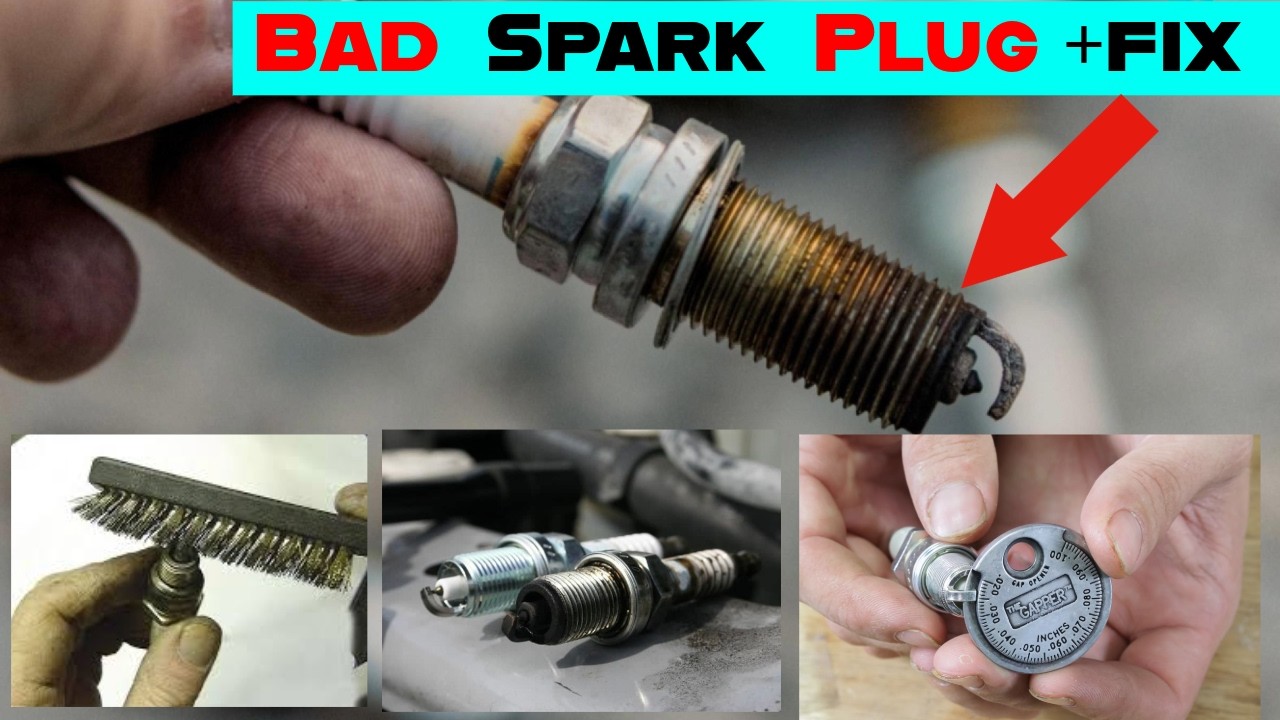
A gap tool helps measure the spark plug gap accurately. There are different types: feeler gauges, wire gauges, and coin-style gauges. Each tool measures the distance in millimeters or thousandths of an inch.
- Clean the spark plug before measuring.
- Slide the gauge between the electrodes.
- Check if the gauge fits snugly without forcing it.
- If the gauge is too tight or loose, the gap needs adjustment.
Using the right tool prevents damage to the electrodes. It also ensures precise measurement for optimal engine function.
Adjusting The Gap
Adjust the gap carefully to avoid bending or breaking the electrodes. Use a spark plug gapper or a small tool designed for this task. Gently bend the ground electrode to widen or narrow the gap.
- Insert the gap tool again to check the new gap size.
- Repeat the adjustment until the gap matches the manufacturer’s specification.
- Do not overbend the electrode; it may weaken or break.
Proper gap adjustment improves ignition and engine efficiency. Always follow the vehicle manual for the correct gap size.
Credit: www.youtube.com
Cleaning Spark Plugs
Cleaning spark plugs is a simple way to improve your engine’s performance and save money. Over time, spark plugs accumulate carbon deposits and grime that affect their ability to ignite fuel efficiently. Taking a moment to clean them can restore their function and extend their lifespan.
Removing Deposits
Start by inspecting the spark plug for black, oily, or sooty deposits. These build-ups block the spark and reduce engine power.
Use a wire brush or a specialized spark plug cleaner to gently scrub the electrodes and threads. Avoid harsh scrubbing that might damage the delicate parts.
If the deposits are stubborn, soak the spark plug in a small container of carburetor cleaner for a few minutes. After soaking, brush again and wipe it clean with a dry cloth.
When To Replace Instead
Cleaning works well only if the spark plug is in decent condition. Look for cracks in the ceramic insulator or worn electrodes — these signs mean it’s time to replace the plug.
If your spark plug has excessive wear, oil fouling, or corrosion, cleaning won’t restore its performance. Continuing to use a damaged plug can cause misfires and reduce fuel efficiency.
Ask yourself: Is the spark plug just dirty, or is it damaged beyond cleaning? Choosing replacement saves you from repeated engine troubles and costly repairs later.
Reinstalling Spark Plugs
Reinstalling spark plugs is a crucial step after checking or replacing them. Doing it right ensures your engine runs smoothly and efficiently. Skipping proper techniques here can lead to engine misfires or damage.
Proper Tightening
Make sure you tighten the spark plug correctly. Too loose, and it might cause poor engine performance or gas leaks. Too tight, and you risk stripping the threads or breaking the plug.
Use a torque wrench if you have one to reach the manufacturer’s specified torque. If not, tighten by hand until snug, then give it a small additional turn—usually about a quarter to half turn. Have you ever felt unsure about how tight is tight enough? Trust your tools and feel the resistance carefully.
Reconnecting Wires
After tightening, reconnect the spark plug wires or ignition coils firmly. Loose connections can cause misfires or weak sparks. Always push the boot onto the plug until you hear or feel a click.
Check that each wire goes back to its original spark plug. Mixing them up can cause your engine to run poorly or not start at all. Do you remember the frustration of a car that just won’t start? This simple step can save you from that headache.

Credit: www.reddit.com
Signs Of Spark Plug Issues
Noticing problems with your vehicle’s performance can often be traced back to spark plug issues. These small components play a big role in your engine’s health. Recognizing the signs early can save you time and money on repairs.
Engine Misfires
Is your engine suddenly jerking or hesitating during acceleration? This could be a sign that your spark plugs are not firing correctly. Misfires happen when the spark plug fails to ignite the fuel-air mixture consistently, causing a rough running engine.
Pay attention to uneven engine sounds or vibrations, especially during idling. These symptoms often indicate worn or fouled spark plugs that need inspection.
Poor Fuel Efficiency
Have you noticed your gas tank empties faster than usual? Faulty spark plugs can cause incomplete combustion, meaning your engine uses more fuel than necessary. This inefficiency directly affects your wallet and the environment.
Improving fuel efficiency is simple once you replace old spark plugs. You might be surprised how much better your mileage gets after a quick check.
Starting Problems
Does your car struggle to start, or does it take multiple attempts before the engine catches? Spark plugs that are worn or covered in deposits can fail to produce the spark needed to start your engine smoothly.
If you experience longer cranking times or a no-start condition, it’s a clear signal to inspect your spark plugs. Don’t wait until you’re stranded—catch the problem early to keep your vehicle reliable.
Regular Maintenance Tips
Regular maintenance of spark plugs keeps your engine running smoothly. It helps prevent poor performance and fuel waste. Checking spark plugs often saves money on repairs. Simple care extends their life and improves engine start-up.
Inspection Frequency
Check spark plugs every 30,000 miles or as your vehicle manual suggests. More frequent checks are needed for older cars or rough roads. Early inspection helps spot wear and dirt buildup. Replace spark plugs if they show cracks or heavy deposits.
Choosing Quality Spark Plugs
Select spark plugs that match your engine’s specifications. Use plugs made from durable materials like iridium or platinum. High-quality plugs last longer and provide better ignition. Avoid cheap plugs as they wear out fast and reduce engine power.
Frequently Asked Questions
How Do I Know If A Spark Plug Is Bad?
A bad spark plug causes engine misfires, poor fuel economy, and rough idling. Check for worn electrodes, cracks, or heavy deposits. If the plug looks damaged or the engine runs poorly, replacement is necessary.
What Tools Do I Need To Check A Spark Plug?
You need a spark plug socket, ratchet wrench, spark plug gap tool, and a flashlight. These tools help you remove, inspect, and measure the spark plug gap accurately.
How Often Should Spark Plugs Be Checked Or Replaced?
Check spark plugs every 30,000 miles or as recommended by your vehicle’s manual. Replace them if worn out or if performance issues occur to maintain engine efficiency.
Can I Check Spark Plugs Without Removing Them?
You can visually inspect spark plugs for external damage without removal. However, to check the gap and electrode condition properly, removal is necessary for an accurate assessment.
Conclusion
Checking your spark plug helps keep your engine running well. It shows you if the plug is dirty, worn, or broken. Clean or replace it to avoid engine problems. Regular checks save money on repairs later. It only takes a few minutes and simple tools.
A healthy spark plug means better fuel use and smoother rides. Keep your vehicle in good shape by checking spark plugs often. Simple steps make a big difference in car care. Try it today for a safer drive tomorrow.





