Imagine you’re driving down the road, enjoying your day, when suddenly, the dreaded check engine light flickers on. Panic sets in.
What could be wrong with your car? If you’re like most people, your mind races through a list of potential issues, and among them, a small but crucial component might come to mind: the spark plugs. Could these tiny parts really be the culprit?
The answer might surprise you. We’ll unravel the mystery of whether spark plugs can cause your check engine light to illuminate. We’ll dive into how these little devices work, the symptoms of failing spark plugs, and why they might be signaling you for attention. Stick with us, and you’ll gain the insights you need to tackle this common automotive puzzle with confidence.
Credit: www.youtube.com
Role Of Spark Plugs
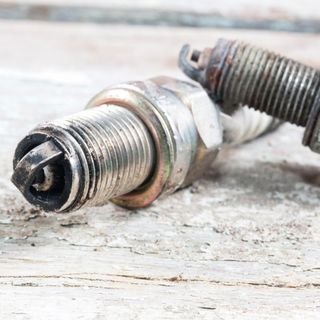
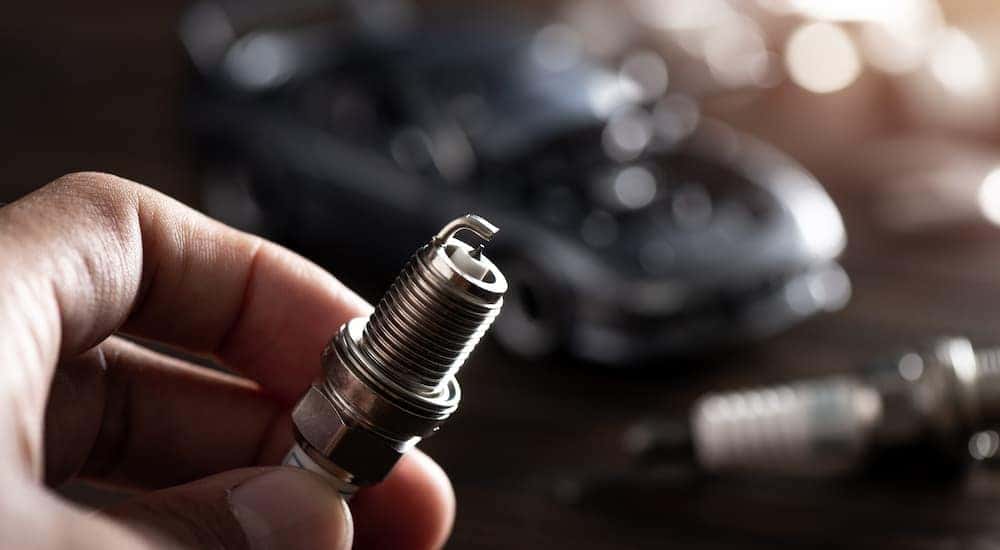
Spark plugs are small but vital parts of a car’s engine. They create the spark needed to ignite the fuel-air mixture. Without this spark, the engine cannot run properly. Spark plugs affect how well the engine starts, runs, and how much fuel it uses.
Faulty spark plugs can cause the engine to misfire, lose power, and even trigger the check engine light. Understanding their role helps explain why they impact the engine’s performance and warning systems.
How Spark Plugs Work
Spark plugs create a spark inside the engine’s combustion chamber. This spark lights the fuel and air mixture. The explosion from this ignition pushes the piston down. This movement powers the car’s wheels.
The spark must be strong and timed correctly for the engine to run smoothly. Spark plugs get very hot and must withstand extreme pressure. Over time, they wear out and need replacement.
Importance In Engine Performance
Good spark plugs ensure the engine runs efficiently. They help maintain smooth acceleration and better fuel economy. Poor spark plugs cause rough idling and reduced power.
Worn or dirty spark plugs cause incomplete combustion. This leads to more emissions and higher fuel consumption. Proper spark plugs keep the engine cleaner and healthier.
Check Engine Light Basics
The Check Engine Light (CEL) is a crucial alert on your dashboard. It signals that your car’s computer has detected an issue affecting emissions, engine performance, or other critical systems. Understanding what triggers this light can help you decide when to take action and prevent small problems from becoming costly repairs.
What Triggers The Light
The Check Engine Light turns on when your vehicle’s onboard diagnostic system detects a fault. This can range from a loose gas cap to serious engine problems. Even minor issues like a misfiring spark plug can cause the light to come on.
Have you ever ignored the light, thinking it was nothing? Many drivers do, but each trigger has a code stored in the car’s computer that points to the exact problem. Getting your car scanned quickly can save you time and money.
Common Sensor Inputs
Your vehicle relies on many sensors to keep the engine running smoothly. These sensors monitor conditions like oxygen levels, temperature, and engine timing. When a sensor detects something out of range, it sends a signal that can trigger the Check Engine Light.
- Oxygen Sensor – Measures oxygen in the exhaust to control fuel mixture.
- Mass Air Flow Sensor – Detects the amount of air entering the engine.
- Throttle Position Sensor – Monitors the position of the throttle for acceleration.
- Engine Coolant Temperature Sensor – Tracks engine temperature to prevent overheating.
Each sensor plays a role in engine efficiency and emissions. If one sensor sends faulty data, your car’s computer reacts by illuminating the Check Engine Light. How often do you check your vehicle’s sensor health before the light comes on?
Spark Plugs And Engine Issues
Spark plugs play a crucial role in your vehicle’s engine performance. They ignite the air-fuel mixture inside the cylinders, allowing your engine to run smoothly. When spark plugs start to fail, they can cause various engine issues that may trigger your check engine light, signaling a problem you shouldn’t ignore.
Signs Of Faulty Spark Plugs
How do you know if your spark plugs are causing trouble? Watch out for these common signs:
- Engine misfires:Your engine might hesitate or jerk while driving.
- Hard starts:The car takes longer to start or struggles to turn over.
- Poor fuel economy:You notice more frequent trips to the gas station.
- Rough idling:The engine vibrates or sounds uneven when idling.
- Loss of power:Acceleration feels sluggish or weak.
If you experience any of these, your spark plugs might be worn out or dirty. Have you checked them recently?
Impact On Combustion
Spark plugs are the spark that starts the combustion process. If they fail to deliver a strong spark, the fuel won’t burn completely. This incomplete combustion causes engine misfires and increases emissions.
Faulty spark plugs can also lead to unburned fuel entering the exhaust system, which might damage the catalytic converter over time. This damage often triggers the check engine light. Keeping your spark plugs in good condition helps maintain efficient combustion and prevents costly repairs.
Credit: www.mccluskeychevrolet.com
Spark Plugs Causing Check Engine Light
Spark plugs play a crucial role in your vehicle’s engine performance. If they are faulty or worn out, they can trigger your check engine light. Understanding how spark plugs cause this warning can help you diagnose and fix engine problems early.
Misfire Detection
Your engine relies on spark plugs to ignite the air-fuel mixture in each cylinder. When a spark plug fails, it can cause the engine to misfire. This misfire disrupts the engine’s smooth operation, which the car’s computer system quickly detects.
Modern vehicles are equipped with sensors that monitor engine performance constantly. When a misfire occurs, the system logs this as a fault and turns on the check engine light to alert you. Have you ever experienced your car hesitating or losing power? That might be linked to spark plug issues causing misfires.
Error Codes Related To Spark Plugs
When the check engine light comes on due to spark plug problems, diagnostic tools will usually show specific error codes. Common codes related to spark plugs include:
- P0300– Random/Multiple Cylinder Misfire Detected
- P0301– Cylinder 1 Misfire Detected
- P0302– Cylinder 2 Misfire Detected
- P0303– Cylinder 3 Misfire Detected
These codes indicate which cylinder is misfiring, helping you pinpoint if a spark plug needs replacement. Checking these codes can save you time and money by avoiding unnecessary repairs. Next time your check engine light flashes, consider whether your spark plugs might be the culprit.
Diagnosing Spark Plug Problems
Diagnosing spark plug problems is a crucial step when your check engine light turns on. Spark plugs play a vital role in your engine’s performance, and any issue with them can trigger warning lights. Knowing how to spot the signs and check the plugs yourself can save you time and money.
Tools And Techniques
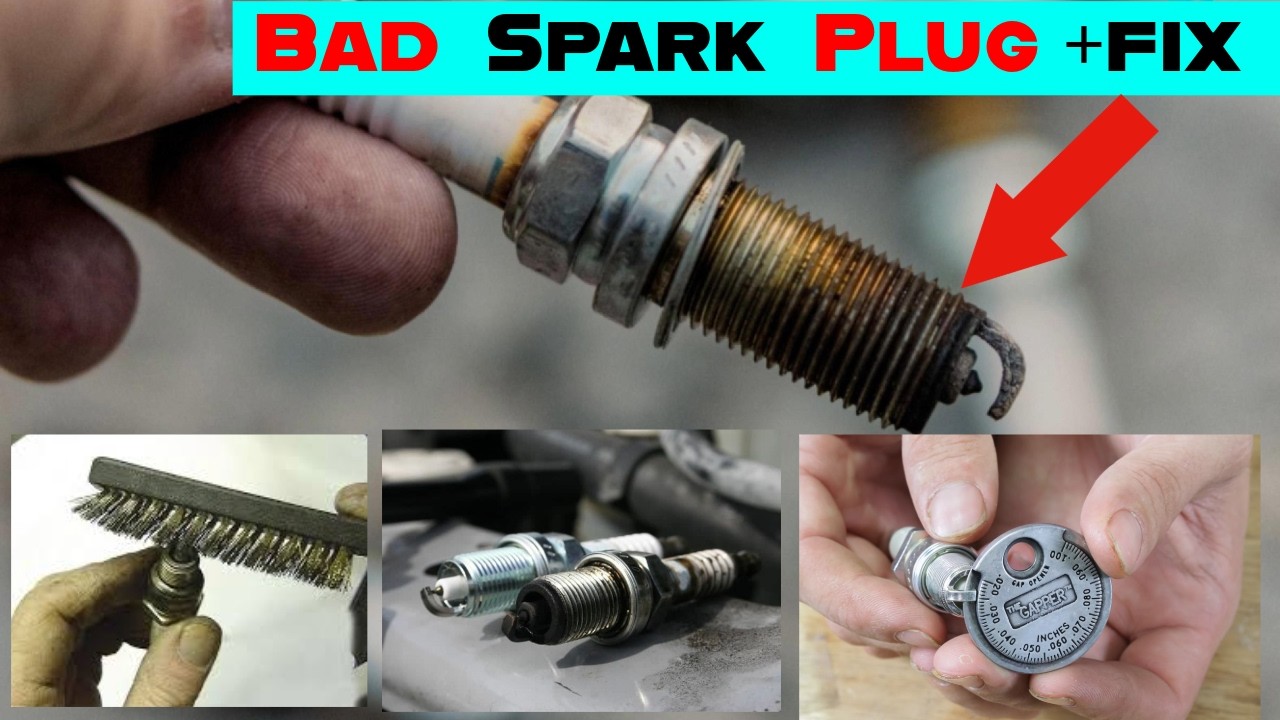
To diagnose spark plug issues, you need some basic tools: a spark plug socket, a ratchet, a gap gauge, and a multimeter. These tools help you remove, inspect, and measure the spark plugs effectively.
Start by removing each spark plug and look for signs like carbon buildup, oil deposits, or worn electrodes. Use the gap gauge to check if the gap matches your vehicle’s specifications. A multimeter can test the spark plug’s resistance to confirm if it’s functioning correctly.
Have you noticed your engine misfires or feels sluggish? These symptoms often point to spark plug problems. Taking a few minutes to inspect can reveal if the plugs are the culprit or if you need to look elsewhere.
When To Replace Spark Plugs
Spark plugs don’t last forever. Most manufacturers recommend replacing them every 30,000 to 100,000 miles, depending on the type. But waiting for the exact mileage might not always be the best approach.
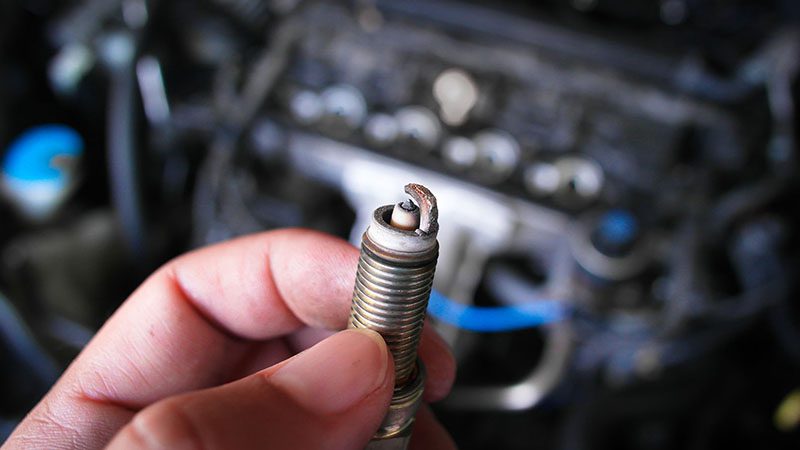
If you see worn electrodes, heavy deposits, or cracks on the spark plug, it’s time to replace them. Also, if your engine struggles to start or idles roughly, don’t ignore these signals. Replacing your spark plugs promptly can restore your engine’s efficiency and prevent the check engine light from coming back on.
Credit: autopartswd.com
Preventive Spark Plug Maintenance
Keeping your spark plugs in good shape can save you from unexpected check engine lights and costly repairs. Regular maintenance helps your engine run smoothly and efficiently. It’s not just about fixing problems, but preventing them before they start.
Recommended Replacement Intervals
Most manufacturers suggest changing spark plugs every 30,000 to 100,000 miles, depending on the type of spark plug and your vehicle’s make. Copper plugs usually need replacement closer to 30,000 miles, while platinum or iridium plugs can last up to 100,000 miles. Check your owner’s manual for your car’s specific recommendation—it’s the best guide for your vehicle’s needs.
Have you ever ignored the replacement schedule and paid for it later? Running spark plugs past their prime can trigger misfires, reduced fuel efficiency, and yes, that dreaded check engine light. Staying ahead with timely replacements keeps your engine healthy and your dashboard clear.
Tips For Longevity
- Keep the engine clean:Dirt and oil buildup can affect spark plug performance.
- Check ignition wires and coils:Damaged wires can cause weak sparks and early plug wear.
- Use the right spark plugs:Always choose plugs that match your car’s specifications.
- Inspect plugs regularly:Look for signs of wear like carbon deposits, cracks, or corrosion.
Simple habits, like cleaning your engine bay or inspecting plugs every few thousand miles, extend their life. Could small daily habits be the key to avoiding unexpected engine trouble? It’s worth considering how much care you give to these tiny components that play such a big role.
Frequently Asked Questions
Can Faulty Spark Plugs Trigger The Check Engine Light?
Yes, faulty spark plugs can cause the check engine light to turn on. They affect engine performance and emissions, prompting the sensor to alert you.
How Do Spark Plugs Affect Engine Performance?
Spark plugs ignite the air-fuel mixture in the engine. Worn or damaged plugs cause misfires, reducing power and fuel efficiency.
What Are Common Spark Plug Issues Causing Engine Alerts?
Common issues include fouling, wear, and improper gap. These problems lead to misfires and trigger the check engine light.
Can Replacing Spark Plugs Turn Off The Check Engine Light?
Replacing bad spark plugs often resolves misfire codes and turns off the check engine light, restoring smooth engine operation.
Conclusion
Spark plugs can trigger the check engine light in many cars. Worn or dirty plugs cause misfires and poor engine performance. This makes the engine control unit detect a problem and turn on the light. Regular spark plug checks help avoid this issue.
Fixing or replacing bad plugs restores smooth driving. Watch for signs like rough idling or poor fuel economy. Staying on top of spark plug health keeps your car running well. Don’t ignore the check engine light; it often points to spark plug trouble.





