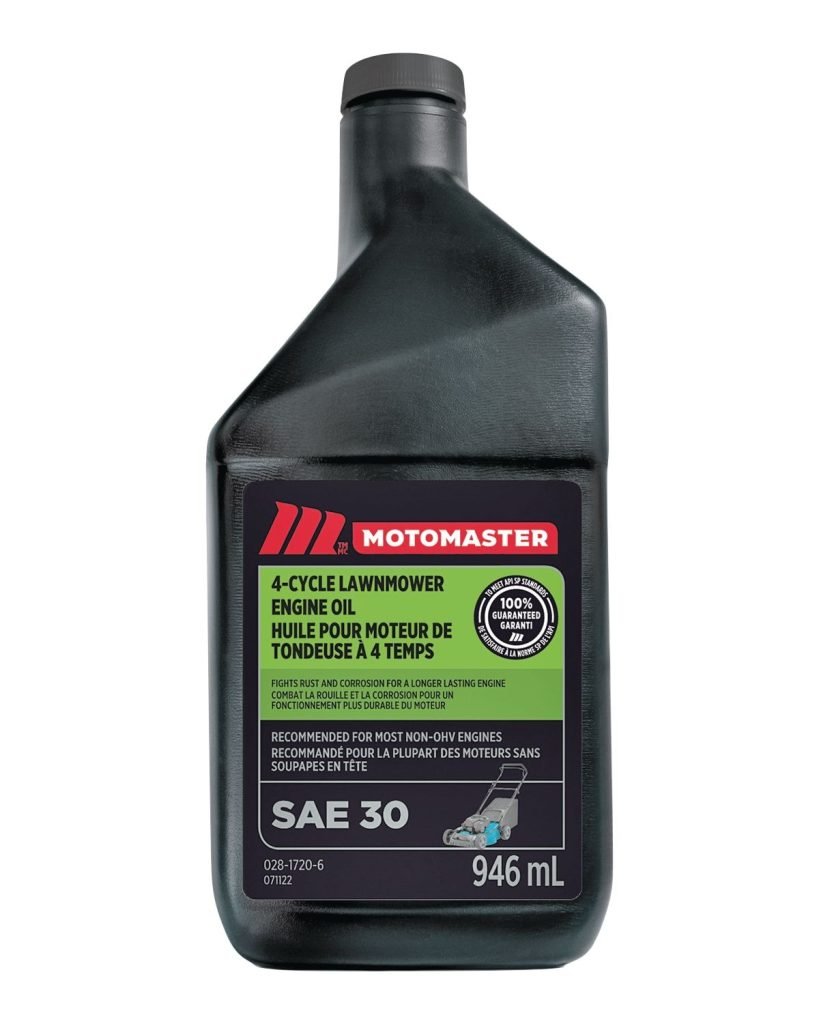
Have you ever found yourself wondering, “What oil do lawn mowers use?” You’re not alone.
Choosing the right oil is crucial for keeping your lawn mower running smoothly and efficiently. Using the wrong type can lead to engine trouble and costly repairs. This guide will help you understand exactly what kind of oil your lawn mower needs, ensuring it stays in peak condition.
Stick around, and you’ll learn the secrets to extending your mower’s lifespan and maintaining that perfectly manicured lawn you love. Your outdoor sanctuary deserves the best care, and it all starts with the right oil. Ready to dive in? Let’s ensure you’re making the best choice for your lawn mower.
Types Of Oil For Lawn Mowers
Choosing the right oil for your lawn mower is crucial for keeping the engine running smoothly and extending its life. Different types of oils offer various benefits depending on your mower’s age, usage, and the climate you live in. Understanding these options helps you make an informed decision that fits your mower’s needs and your maintenance routine.
Conventional Oil
Conventional oil is the most commonly used type of oil for lawn mowers. It’s affordable and works well under normal mowing conditions. If you use your mower occasionally and keep it well-maintained, conventional oil can provide reliable engine protection.
However, this oil breaks down faster in extreme temperatures. If you mow frequently or in very hot or cold weather, you might notice your mower’s performance dipping. Have you checked how often your oil needs changing with conventional types?
Synthetic Oil
Synthetic oil offers superior engine protection compared to conventional oil. It handles temperature changes better, meaning it stays effective even during hot summer afternoons or chilly early mornings. This oil reduces engine wear and can improve fuel efficiency.
Although synthetic oil costs more upfront, it often lasts longer between changes. If you want to spend less time on maintenance or have a high-performance mower, synthetic oil is a smart choice. Could investing in synthetic oil save you time and money in the long run?
High-mileage Oil
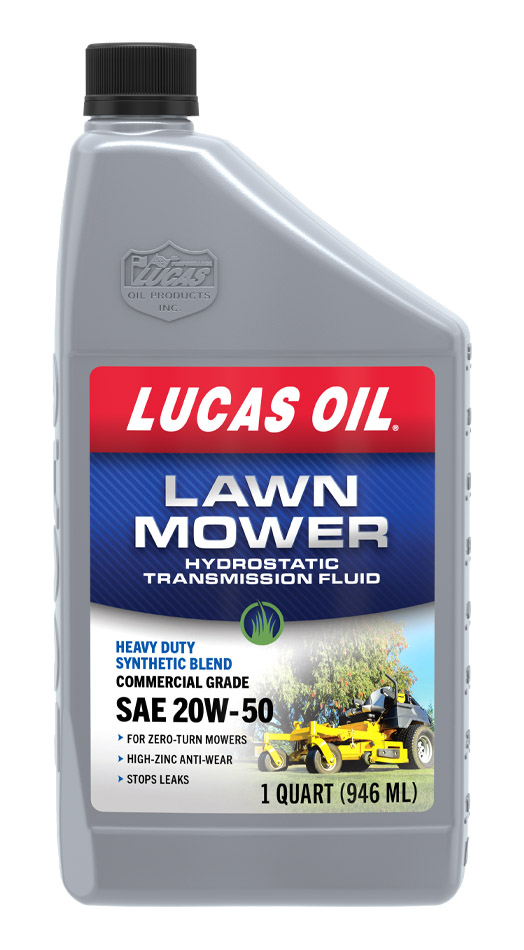
High-mileage oil is specially formulated for engines that have logged many hours or years. It contains additives that help reduce leaks and oil consumption, which can be common in older mowers. Using this oil can help extend the life of an aging engine.
If your mower has seen better days but you’re not ready to replace it, this oil can be a game-changer. It helps maintain engine seals and reduces smoke, keeping your mower running cleaner. Are you giving your older mower the care it needs to keep going?
Credit: www.lucasoil.com
Choosing The Right Oil Grade
Choosing the right oil grade for your lawn mower is crucial to keep the engine running smoothly and extend its life. The oil you pick affects how well your mower performs under different temperatures and conditions. Understanding the types of oil and matching them to your environment can save you from costly repairs and frustrating breakdowns.
Sae 30 For Warm Weather
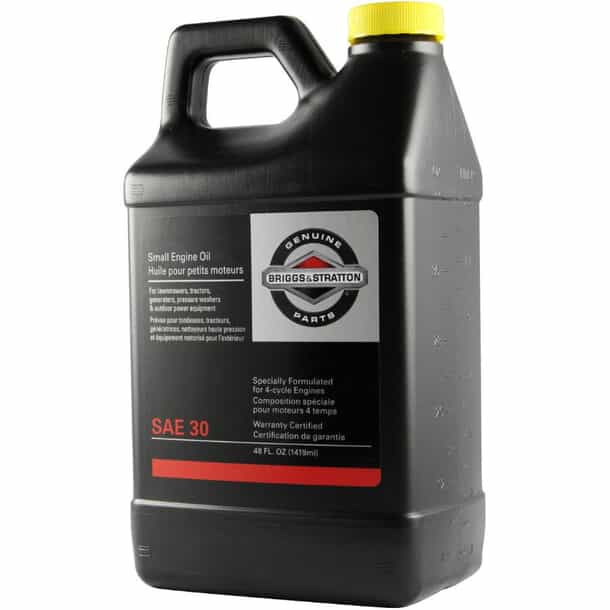
SAE 30 oil works best when the temperature stays consistently warm. If you live in an area where it rarely drops below 40°F (4°C), this oil grade provides excellent lubrication. It’s thick enough to protect the engine but flows well at higher temperatures, making it a popular choice for summer mowing.
Using SAE 30 in cooler weather can cause starting problems or poor engine performance. Think about the last time you struggled to start your mower on a chilly morning—that could be a sign your oil is too thick for the temperature.
10w-30 For Variable Temperatures
10W-30 is a versatile oil grade that adapts to different temperatures. The ’10W’ means it flows well in cold weather, while ’30’ indicates good protection at warmer temperatures. This makes it ideal if you mow throughout spring and fall when temperatures vary widely.
Switching to 10W-30 helped me avoid engine strain during early mornings and hot afternoons. It’s a practical choice if you want one oil that works across seasons without frequent changes.
Checking Manufacturer Recommendations
Your mower’s manufacturer knows the engine best. Always check the owner’s manual for the recommended oil grade before buying. It may suggest specific types or brands tailored to your model’s needs.
Ignoring these recommendations can lead to engine damage and void warranties. Have you checked your manual lately? It might save you more than just time and money.
How To Check And Change Lawn Mower Oil
Checking and changing the oil in your lawn mower keeps the engine running smoothly. Regular oil changes prevent damage and extend your mower’s life. Follow simple steps to maintain your mower’s oil properly.
Preparing Your Mower
Park the mower on a flat surface. Turn off the engine and let it cool for at least 30 minutes. This stops hot oil from burning you. Clean around the oil cap to avoid dirt entering the engine. Gather tools such as a wrench, oil drain pan, and fresh oil suitable for your mower.
Draining Old Oil
Locate the oil drain plug under the mower or tilt the mower carefully to drain oil from the fill hole. Place the drain pan beneath the plug or oil hole. Remove the plug or open the fill hole. Let all the old oil drain into the pan. Dispose of used oil at a recycling center. Wipe the drain plug and replace it tightly.
Adding New Oil Properly
Use the recommended oil type and amount from your mower’s manual. Pour oil slowly into the fill hole using a funnel to avoid spills. Check the oil level with the dipstick or indicator. Add oil gradually until it reaches the full mark. Replace the oil cap securely. Clean any spilled oil on the mower. Start the engine and let it run a few minutes to spread the new oil. Turn off the mower and check the oil level again. Add more if needed.
Credit: www.homehardware.ca
Signs Of Oil Problems
Noticing signs of oil problems in your lawn mower early can save you from costly repairs and downtime. Oil issues often show up as symptoms that affect your mower’s performance and reliability. Being alert to these signs helps you take quick action and keep your mower running smoothly.
Engine Overheating
If your mower’s engine feels hotter than usual or even shuts down unexpectedly, oil problems might be the cause. Oil lubricates the engine parts, reducing friction and heat. Without enough clean oil, parts rub together, generating excessive heat that can damage the engine.
Have you ever felt your mower’s engine getting unusually warm during use? That’s a clear hint to check the oil level and quality immediately.
Excessive Smoke
Seeing thick, blue, or black smoke coming from your mower’s exhaust is a red flag. This often means the oil is burning inside the engine, which usually happens if the oil is too old, contaminated, or overfilled.
Smoke can also point to oil leaks or damaged seals letting oil into the combustion chamber. If your mower starts smoking, stop using it and inspect the oil condition.
Unusual Noises
Strange sounds like knocking, ticking, or grinding from the engine often signal poor lubrication due to oil issues. Oil cushions engine parts and reduces noise, so when oil is low or dirty, metal parts may hit or scrape each other.
Pay close attention if your mower suddenly sounds different. These noises can warn you before serious engine damage occurs.
Tips For Maintaining Peak Engine Performance
Maintaining peak engine performance in your lawn mower is essential for smooth operation and longevity. The right care habits can prevent costly repairs and keep your mower running efficiently season after season. Here are some practical tips to help you achieve this.
Regular Oil Changes
Changing your mower’s oil regularly is one of the simplest yet most effective ways to protect its engine. Old oil loses its ability to lubricate, which can cause the engine to wear out faster. Check your mower’s manual for the recommended oil change intervals, but a good rule is to change the oil after every 25 hours of use or at least once a season.
Don’t forget to warm up the engine before draining the oil—it flows out easier and removes more impurities. Have you noticed your mower running rough after a few seasons? It might be time to replace that old oil.
Using Quality Oil Filters
Not all oil filters are created equal. A high-quality oil filter traps dirt and debris more effectively, preventing contaminants from circulating through the engine. Using cheap or generic filters can lead to buildup inside your engine, reducing its lifespan.
Look for filters that match your mower’s make and model for the best fit and performance. Investing in a good filter now can save you from expensive repairs later.
Storing Mower During Off-season
Proper storage during the off-season keeps your engine in top shape. Before putting your mower away, drain the oil or change it to prevent sludge buildup. Adding a fuel stabilizer and running the engine for a few minutes helps clear the carburetor.
Store your mower in a dry, sheltered area and cover it to avoid dust and moisture. Have you ever picked up your mower after winter only to find it won’t start? Proper storage can prevent that frustration.

Credit: www.homehardware.ca
Frequently Asked Questions
What Type Of Oil Is Best For Lawn Mowers?
Use SAE 30 oil for most lawn mowers in warm weather. For cooler climates, 10W-30 multi-viscosity oil works well. Always check your mower’s manual for the recommended oil type to ensure optimal performance and engine protection.
How Often Should I Change My Lawn Mower Oil?
Change the oil after every 25 to 50 hours of use. For new mowers, change oil after the first 5 hours. Regular oil changes keep the engine running smoothly and extend the mower’s lifespan.
Can I Use Car Engine Oil In Lawn Mowers?
Yes, you can use car engine oil like 10W-30 in lawn mowers. However, avoid synthetic oils unless specified by the manufacturer. Always follow the mower’s manual for the best oil type to maintain engine health.
What Happens If I Use Wrong Oil In Lawn Mower?
Using the wrong oil can cause engine damage and poor performance. It may lead to increased wear, overheating, and reduced mower lifespan. Always use the recommended oil type to keep your mower running efficiently.
Conclusion
Choosing the right oil keeps your lawn mower running well. Use the oil type your mower’s manual suggests. Change oil regularly to avoid engine problems. Clean oil helps the mower work smoothly and last longer. Remember, good care saves time and money.
Keep your mower ready for every mowing day. Simple steps make a big difference in performance. Stay safe and enjoy a healthy, green lawn.





