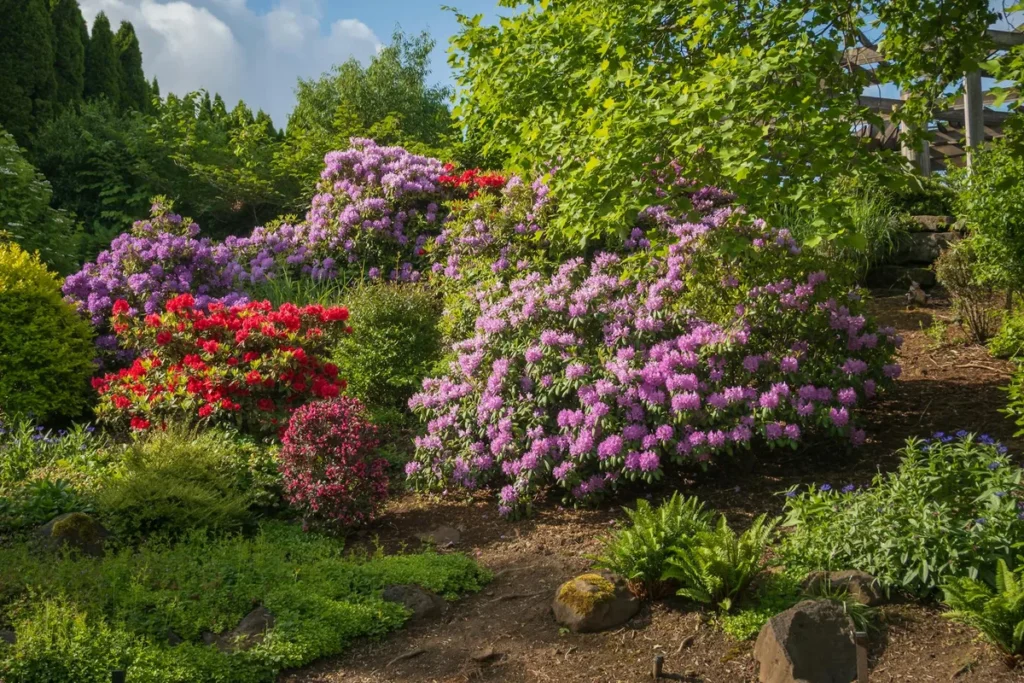
The best time to transplant rhododendrons isn’t just about picking a random weekend in spring or fall, it’s about syncing with your plant’s natural rhythm and your local climate. Rhododendrons have shallow, delicate root systems that hate disturbance, so timing can mean the difference between thriving and struggling. If you’ve ever moved one at the wrong time, you’ll know how quickly they can wilt, drop leaves, or fail to establish.
In our research, we found that successful transplants align with two key biological windows: late fall after leaf drop and early spring before bud break. Per USDA guidelines, soil temperatures between 50, 65°F (10, 18°C) give roots the best chance to settle before extreme heat or cold hits. Let’s walk through how to pick the right moment for your yard.
Why Timing Matters When Transplanting Rhododendrons
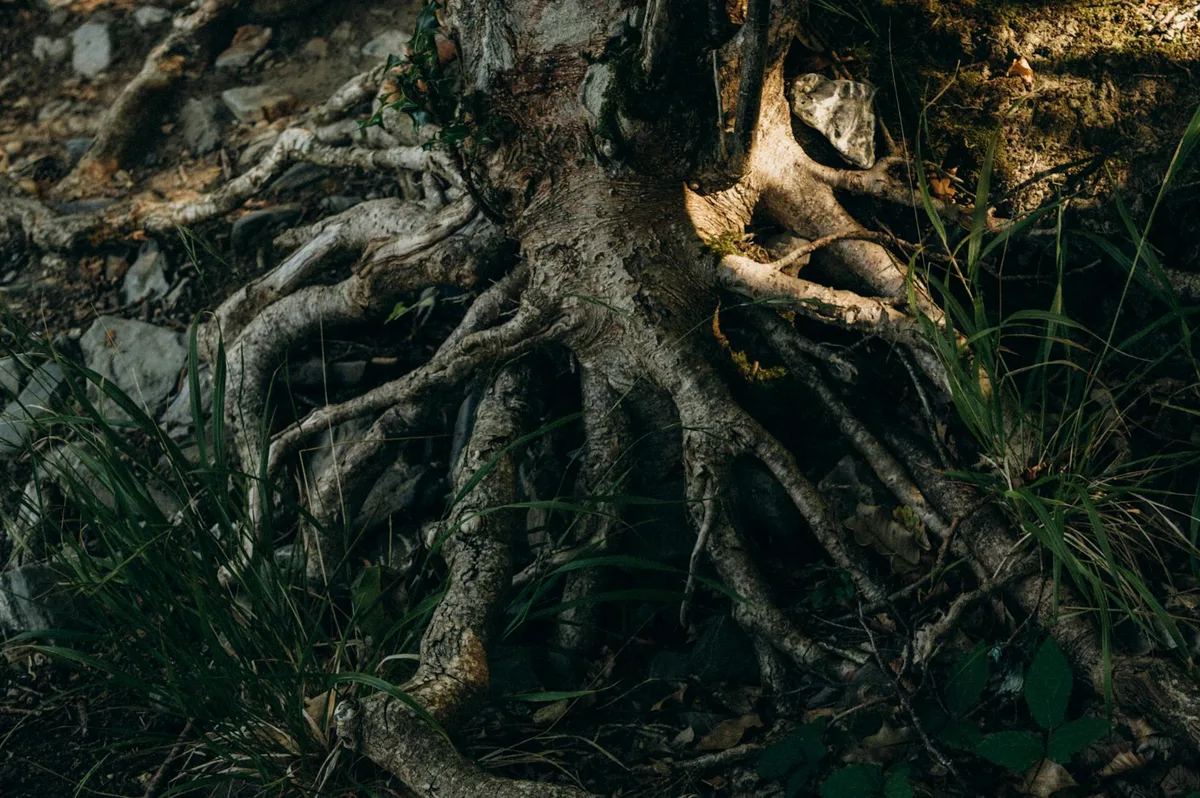
Rhododendrons aren’t like hardy perennials you can dig up anytime. Their roots grow close to the soil surface and lack deep anchoring structures, which makes them especially vulnerable to shock when moved. Transplanting during active growth, when leaves are unfurling or flowers are blooming, forces the plant to split energy between recovery and sustaining foliage. That’s a recipe for stress.
Worse, if you move them in summer heat or mid-winter freeze, the roots can’t absorb water efficiently, leading to rapid dehydration or frost damage. Even container-grown plants, which seem more resilient, suffer if relocated during peak sun or cold snaps. The goal is to transplant when the plant is dormant or nearly dormant, so it can focus all its energy on root recovery without the added burden of supporting leaves or blooms.
The Two Best Windows: Spring vs. Fall
You’ve got two reliable seasons to work with: early spring and late fall. Each has clear advantages depending on your zone and plant type.
Spring transplanting (late March to early May, depending on your zone) gives roots a full growing season to establish before next winter. This is ideal if you’re dealing with a balled-and-burlapped specimen from a nursery, as these are typically dug in fall and stored, so spring planting lets them wake up in place. Just make sure you do it before new buds swell; once growth starts, the clock runs out.
Fall transplanting (October to early November, after leaf drop but before ground freezes) works well in milder climates (Zones 7, 8) where soils stay workable into winter. Cool air temperatures reduce transpiration stress, and consistent moisture helps roots knit into new soil. However, in colder zones (4, 6), fall moves risk exposing tender new roots to early frost.
| Timing | Best For | Risk If Done Late |
|---|---|---|
| Early Spring | B&B plants, cold climates | Heat stress, missed dormancy |
| Late Fall | Container plants, mild winters | Frozen soil, root freeze damage |
How Climate Zones Change the Game
Your USDA hardiness zone isn’t just a suggestion, it’s a transplant calendar. In Zones 4, 5, spring is almost always safer because winters are long and harsh; fall transplants may not get enough time to root before freeze-up. Zones 6, 7 offer a narrow but viable fall window, especially if you mulch heavily after planting.
In Zones 8 and above (think Pacific Northwest or coastal UK), fall becomes the preferred season. Mild winters mean roots keep growing well into December, and spring rains reduce watering chores. But even there, avoid transplanting during summer droughts, rhododendrons hate dry feet.
Always check local frost dates. As of 2026, many extension services now provide real-time soil temperature maps online, use them. If the ground is already below 45°F (7°C) in fall or above 70°F (21°C) in spring, hold off.
Container-Grown vs. Balled-and-Burlapped: Timing Differences
Not all rhododendrons are created equal when it comes to moving day. Container-grown plants live in pots with loose, well-aerated soil, so their roots are already adapted to confinement and handle disturbance better. You can transplant these in spring, summer, or fall, as long as you keep them consistently watered and avoid midday sun.
Balled-and-burlapped (B&B) plants, however, are field-dug and wrapped in burlap with a tight soil core. They’re more fragile because their root systems were naturally spread out before digging. These should only be moved during true dormancy: late fall after leaf drop or very early spring before buds show color. Summer moves almost always fail with B&B stock.
Step-by-Step: How to Decide When to Transplant
Start by asking three questions: Is my plant healthy? Is the soil ready? Am I in the right seasonal window?
First, inspect your rhododendron. If it’s dropping leaves, showing yellowing, or has visible pests, fix those issues before moving it. A stressed plant won’t survive the trauma of transplanting.
Next, test your soil. Rhododendrons need acidic, well-draining soil (pH 4.5, 6.0). If your ground is clay-heavy or alkaline, amend it weeks ahead, not on transplant day. Cold, wet, or frozen soil is a hard no.
Finally, cross-reference your zone with the ideal windows above. Use this simple if/then logic:
- If you’re in Zone 4, 5 → transplant in early spring only
- If you’re in Zone 6, 7 → spring or very late fall (with mulch)
- If you’re in Zone 8+ → fall is often best
- If your plant is container-grown → you have more flexibility, but avoid summer heat
- If it’s B&B → stick strictly to dormancy periods
What to Do Right After You Transplant
Water deeply within the first hour, this isn’t optional. Rhododendron roots dry out fast, especially if the root ball cracked during the move. Give it a slow, thorough soak until water pools slightly at the base, then let it drain. Don’t stop here: keep the soil consistently moist (not soggy) for the next 4, 6 weeks.
Mulch lightly with 2, 3 inches of pine bark or leaf compost, keeping it an inch away from the stem. This cools the roots, slows evaporation, and mimics the forest floor these plants love. Avoid grass clippings or fresh manure, they can heat up and burn tender roots.
Skip fertilizer entirely for at least eight weeks. New roots are fragile and can’t handle nutrients yet. If you must feed, wait until you see new growth in spring and use a diluted, acid-forming formula.
Common Mistakes That Kill Transplants (And How to Avoid Them)
Overwatering is the silent killer. Yes, rhododendrons need moisture, but soggy soil suffocates roots faster than drought. If leaves yellow and drop weeks after transplanting, check for standing water or poor drainage, amend with coarse sand or compost if needed.
Another trap: planting too deep. The root crown (where roots meet stem) should sit level with the soil surface. Burying it invites rot; exposing it dries out roots. When in doubt, err shallow.
Never prune right after transplanting. Many gardeners cut back branches to “reduce stress,” but this actually shocks the plant further. Let it keep its leaves, they’ll photosynthesize and fuel root recovery. Only remove clearly dead or broken stems.
When Not to Transplant—No Matter What
Summer is off-limits except in emergencies. Daytime temps above 80°F (27°C) crank up leaf transpiration while roots struggle to keep up. Even container-grown plants wilt fast in July heat.
Mid-winter is just as bad. Frozen ground makes digging impossible, and roots can’t grow in sub-40°F (4°C) soil. If a hard freeze is forecast within 48 hours, reschedule.
Also avoid transplanting during prolonged dry spells, even in ideal seasons. Without rain or irrigation, roots won’t establish. Check your local 10-day forecast, if it’s all sun and no rain, wait.
Pro Tips from Gardeners Who’ve Done It Right
Dig the new hole before you lift the plant. A pre-dug hole reduces exposure time and keeps roots from sitting in the sun. Make it twice as wide as the root ball but no deeper, rhododendrons hate settling into a depression.
If you’re moving a large shrub, water it heavily 24 hours beforehand. Hydrated roots are more flexible and less likely to snap.
For B&B plants, don’t remove the burlap, it’ll rot away. Just peel it back from the top third of the root ball after placing it in the hole. Wire baskets? Cut and remove them completely to prevent girdling.
Final Decision Guide: Pick Your Perfect Transplant Time
Use this quick flowchart:
- Container-grown in Zone 4, 6? → Early spring (late March, April)
- Container-grown in Zone 7, 8? → Fall (October, November) or early spring
- B&B in any zone? → Late fall (after leaf drop) or very early spring (pre-bud break)
- Unsure of plant type? → Look for burlap or a tight soil core, that’s B&B
If your plant is already struggling, delay until next season. A healthy transplant beats a rushed one every time.





