
The best time to seed Kentucky bluegrass isn’t just about the calendar, it’s about soil, weather, and your local climate. If you plant too early or too late, you’ll waste seed, water, and effort on a lawn that struggles to take root. Kentucky bluegrass thrives in cool conditions, so timing your seeding around soil temperature and seasonal windows makes all the difference.
In our research, the ideal soil temperature for Kentucky bluegrass germination sits between 55°F and 65°F, a range most reliably found in early fall across its native zones. That’s why fall seeding consistently outperforms spring or winter attempts in regions where this grass grows best. Let’s walk through exactly when and how to get it right.

When to Seed Kentucky Bluegrass—The Right Time Depends on Your Climate
Kentucky bluegrass doesn’t respond well to guesswork. It needs cool air, consistent moisture, and soil that’s warm enough to trigger germination but not so hot it stresses young seedlings. That sweet spot shifts depending on where you live. In northern states like Minnesota or Maine, you’ve got a tight window in September.
In milder areas like southern Ohio or northern Virginia, you might stretch into mid-October. The key is aligning your seeding with your region’s first frost date and average soil temps, not just the month on the calendar.
Why Timing Matters More Than You Think
Plant at the wrong time, and you’re fighting an uphill battle. Seed sown in late spring faces summer heat that can bake tender roots before they establish. Summer seeding risks drought stress and weed competition. Even fall has pitfalls, if you wait too long, seedlings won’t develop deep roots before winter dormancy, leaving them vulnerable to frost heave.
Getting it right means giving your grass the longest possible growing season under ideal conditions, which directly impacts density, color, and long-term resilience.
The Golden Window: Fall vs. Spring vs. Dormant Seeding
Fall Seeding: Why It’s Usually Best
Fall offers the most reliable conditions for Kentucky bluegrass. Soil is still warm from summer, rainfall becomes more consistent, and cooler air reduces evaporation. Most importantly, there’s less competition from weeds like crabgrass, which fade as temps drop. Aim to seed 6, 8 weeks before your average first hard frost, this gives seedlings time to develop strong roots without facing winter stress.
Spring Seeding: When It Works (and When It Fails)
Spring can work if you’re in a cooler climate and seed very early, as soon as soil reaches 50°F and frost risk passes. But it’s risky: spring rains may be inconsistent, and by late spring, soil temps climb past 70°F, slowing germination. Plus, summer heat hits just as your lawn is trying to establish. If you must seed in spring, do it in March or April in the North, never May.
Dormant Winter Seeding: A Risky Backup Plan
Dormant seeding means spreading seed in late winter when the ground is frozen, hoping it will germinate once thaw arrives. It’s unpredictable, seed can wash away, get eaten by birds, or sit too long and lose viability. Only consider this if you missed fall and live in a region with reliable snow cover that protects seed until spring.
How to Check If Your Lawn Is Ready to Seed
Before you open that bag of seed, confirm three things: soil temperature, moisture, and prep. Use a soil thermometer inserted 4 inches deep in the morning for three consecutive days, if it reads consistently between 55°F and 65°F, you’re good to go. The soil should be moist but not soggy; if it crumbles when squeezed, it’s ready. Finally, ensure your lawn is prepped: remove thatch, aerate compacted areas, and level any bare patches.
Skipping prep is the fastest way to get patchy results, no matter how perfect your timing.
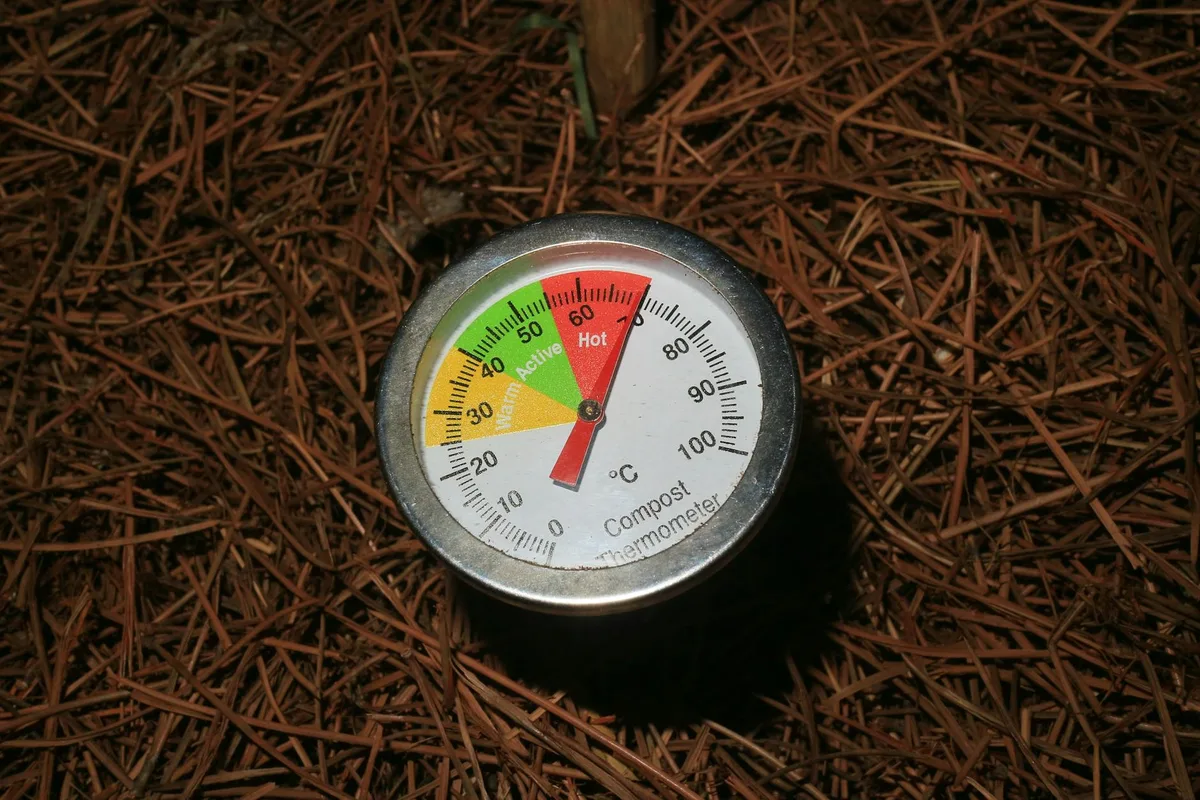
Soil Temperature: The #1 Factor You Can’t Ignore
Soil temperature drives everything, it controls germination speed, root development, and even disease risk. Kentucky bluegrass seed won’t sprout reliably below 50°F or above 70°F. At 55°F, expect germination in 21, 30 days; at 65°F, it drops to 14, 21 days. But don’t rely on air temperature, soil lags behind and stays more stable.
Check local agricultural extension reports or use a dedicated soil thermometer (they cost under $15). If your soil’s still above 70°F in early fall, wait. Rushing in heats risks fungal issues like damping-off, which kills seedlings before they emerge.
Regional Timing Guide by Climate Zone
Your zip code dictates your seeding window more than any calendar date. In USDA zones 3, 4 (think Minneapolis, Fargo, northern Michigan), aim for late August to mid-September, any later and seedlings won’t root deeply enough before freeze-up. Zones 5, 6 (Chicago, Indianapolis, Cleveland) get a bit more leeway: early to mid-September works best. For zones 7 and warmer (Kansas City, St.
Louis, parts of Virginia), you can often push into October, but watch soil temps, once they dip below 50°F, germination slows dramatically. Coastal Pacific Northwest gardeners enjoy extended windows thanks to mild falls, sometimes seeding as late as November.
Step-by-Step: How to Seed at the Right Time
Start with a clean slate: mow short, rake out dead grass, and aerate compacted soil, this ensures seed touches soil, not thatch. Spread seed at the recommended rate (1, 2 lbs per 1,000 sq ft for overseeding, 2, 3 lbs for new lawns) using a drop or broadcast spreader. Lightly rake again to bury seed just ¼ inch deep, too shallow and birds eat it; too deep and it won’t reach light. Roll the area gently to improve contact, then water lightly but frequently: 2, 3 times daily for 2, 3 weeks keeps the top inch moist without washing seed away.
Common Mistakes That Ruin Your Seeding Effort
Overwatering is a silent killer, soggy soil suffocates seeds and invites fungus. Underwatering is just as bad; if the top layer dries out, germination stops dead. Another trap: fertilizing too early. Starter fertilizer at seeding is fine, but high-nitrogen blends in fall push weak top growth that freezes easily.
And don’t skip mowing prep, cutting too low before seeding stresses existing grass and exposes soil to erosion. Finally, ignore “quick fix” mixes with too much perennial ryegrass; they germinate fast but dilute Kentucky bluegrass’s long-term density.
How to Water, Mow, and Feed New Seedlings
Keep the top inch of soil consistently moist until seedlings reach 2 inches, this usually takes 2, 3 weeks. Once sprouts appear, taper watering to deeper, less frequent sessions to encourage roots downward. Mow for the first time when grass hits 3, 4 inches, never removing more than one-third of blade height. Use a sharp blade; torn grass invites disease.
For feeding, apply a balanced starter fertilizer at seeding, then wait 6, 8 weeks before a light fall feeding. Avoid weed-and-feed products, they’re unsafe for new seedlings and often contain herbicides that hinder establishment.
What to Do If You Missed the Ideal Window
If fall slips by, don’t panic, but adjust expectations. Late fall seeding (within 2 weeks of your average frost date) can still work if soil stays above 45°F and you protect seed with straw mulch to retain moisture and deter birds. Spring seeding is riskier but viable if you use a pre-emergent herbicide carefully timed to avoid interfering with germination. In extreme cases, consider dormant seeding in February, but only if snow cover is reliable, otherwise, store your seed properly (cool, dry, sealed) and wait for next fall.
Better a thin lawn than a wasted bag of seed.
Final Decision Guide: Pick Your Seeding Strategy
Choose fall if you’re in zones 3, 7 and can hit that 6, 8 week pre-frost window, it’s the gold standard for strong, uniform establishment. Opt for early spring only if you live in a cooler region and missed fall entirely, but accept higher weed pressure and summer stress risks. Dormant winter seeding? Reserve it for emergencies in snowy climates where seed has a chance of staying put until thaw.
If you’re unsure, check your local extension office’s soil temp reports or use a thermometer, don’t rely on air temperature alone.
What if my soil stays warm into October?
In milder zones like 6b or 7a, you might get away with late-October seeding if soil temps hold above 55°F. But monitor forecasts closely, a sudden cold snap can trap shallow-rooted seedlings. Cover seeded areas with straw mulch to buffer temperature swings and retain moisture.
Can I mix Kentucky bluegrass with other grasses?
Yes, but sparingly. Blending with 10, 20% fine fescue adds shade tolerance, while a touch of perennial ryegrass speeds initial cover. Avoid tall fescue, it competes aggressively and creates texture mismatches. Always check seed labels: pure Kentucky bluegrass should be 90%+ of your mix for best results.
How do I protect seed from birds and erosion?
Lightly top-dress with straw (not hay, it contains weed seeds) or use a biodegradable erosion blanket on slopes. Both keep seed in place and reduce bird interest. Never leave bare seed exposed; even light wind can scatter it.
When should I reseed thin patches next year?
Plan for a light overseeding in early fall, using the same timing rules. Established Kentucky bluegrass spreads via rhizomes, so small gaps often fill in naturally, but bare spots larger than a dinner plate need fresh seed. Aerate first to ensure contact.
What’s the biggest mistake beginners make?
Ignoring soil prep. No amount of perfect timing fixes poor seed-to-soil contact. Skipping aeration, leaving thatch, or failing to level low spots guarantees patchy results. Invest an afternoon in prep, it pays off in a denser, healthier lawn.





