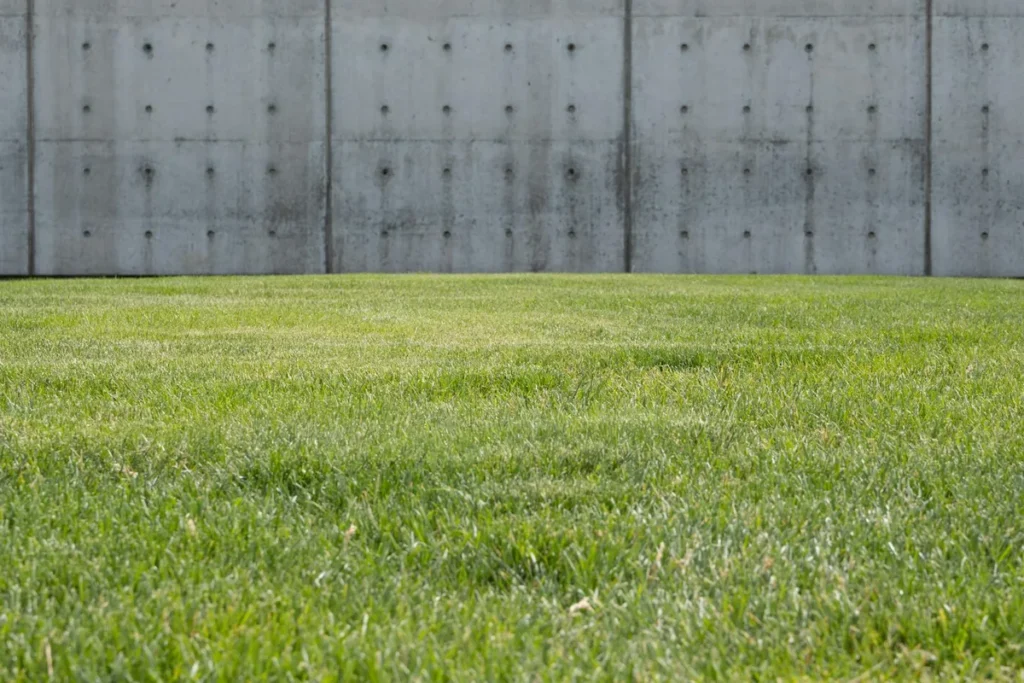
You’ve probably noticed your lawn isn’t bouncing back like it used to, maybe water pools after rain, or grass thins out even with regular care. The best time to aerate lawn in Ohio depends on what’s under your feet: grass type, soil condition, and local climate all dictate when aeration will actually help. Doing it at the wrong time wastes effort and can stress your turf further.
In our research, core aeration during active root growth periods gives the strongest results, with soil temperatures between 55°F and 65°F offering the ideal window. For most Ohio lawns, that means targeting late summer through early fall, but we’ll break down exactly how to match timing to your yard’s specific needs.
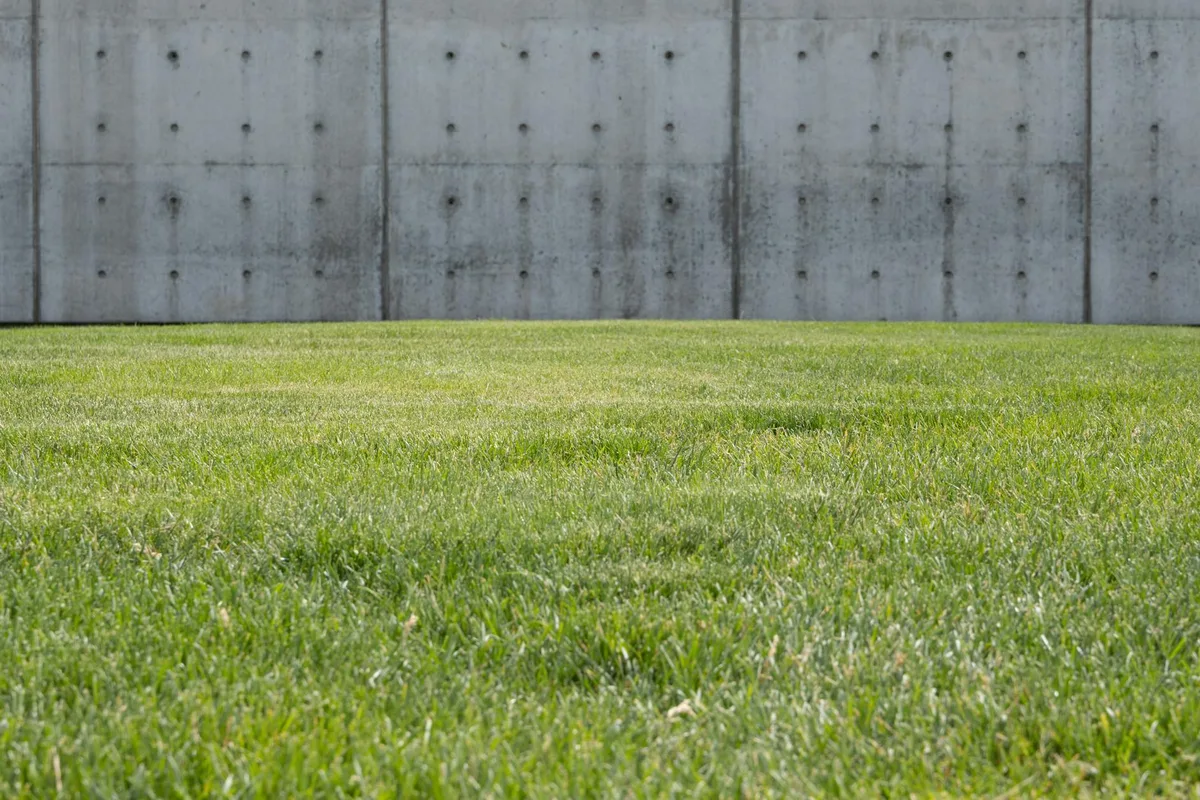
Why Timing Matters for Lawn Aeration in Ohio
Aerating at the right moment isn’t just about convenience, it’s about giving grass the best chance to heal and thrive. If you aerate when grass is dormant or stressed, you’re creating open wounds in the turf without the biological activity needed to fill them back in. In Ohio’s climate, where winters are cold and summers can be hot and dry, hitting that sweet spot ensures roots grow deeper before winter sets in.
Cool-season grasses, which dominate most Ohio lawns, put on their strongest root growth in early fall. That’s when soil is still warm from summer but air temps have cooled enough to reduce heat stress. Aerating then lets new roots develop quickly, making your lawn more resilient through winter and ready to green up strong in spring.
How to Know If Your Lawn Needs Aeration Now
Before you even think about timing, ask: does my lawn actually need aerating? Not every patch of thin grass means compaction. Look for these telltale signs:
- Water pools on the surface instead of soaking in within 10, 15 minutes
- Soil feels hard underfoot, especially in high-traffic areas like paths or play zones
- Grass struggles to establish after seeding, or existing turf looks weak despite proper watering and feeding
- A thatch layer thicker than ½ inch (you’ll see a spongy, brown mat between grass blades and soil)
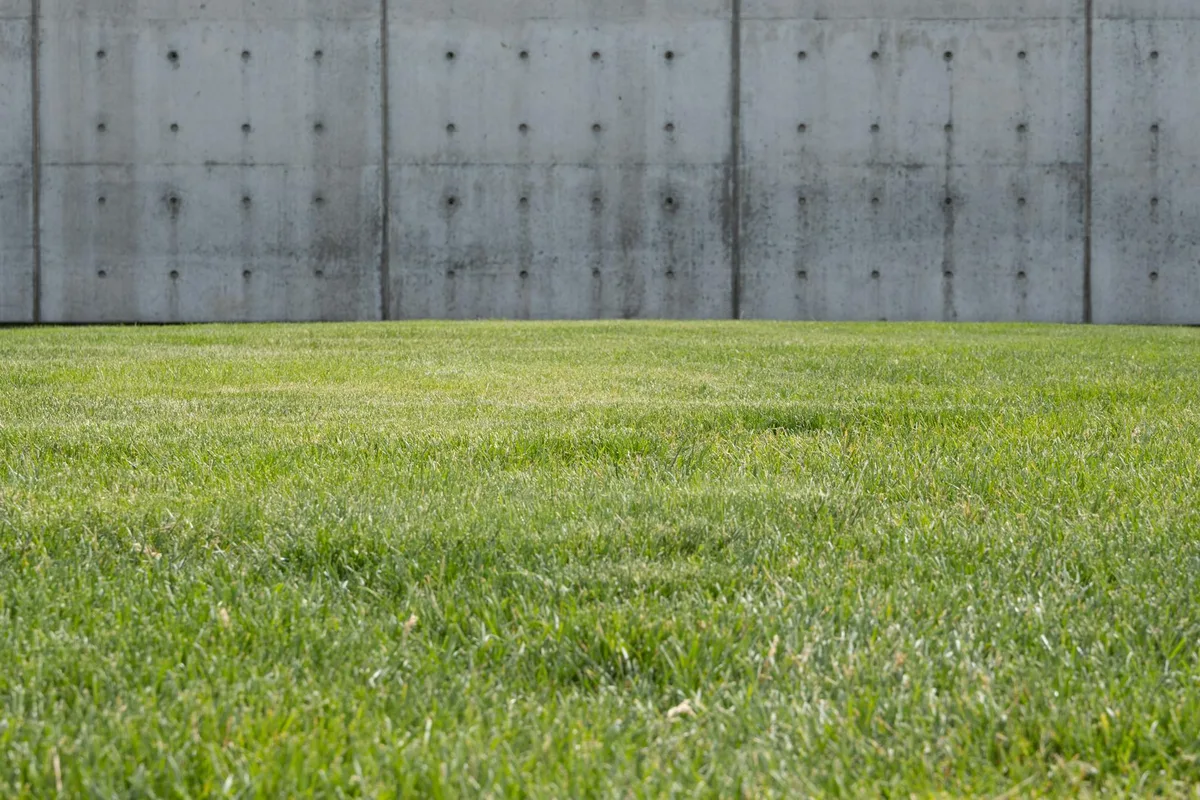
If you’re in central or southern Ohio, clay-heavy soils are common and prone to compaction, even without heavy use. In our research, lawns on clay soils often benefit from annual aeration, while sandy or loamy soils may only need it every two to three years.
Grass Type: The #1 Factor in Choosing Your Aeration Window
Ohio lawns are mostly cool-season grasses, Kentucky bluegrass, tall fescue, and perennial ryegrass, but some southern areas have warm-season types like Zoysia. This distinction is critical because each group grows best at different times of year.
Cool-season grasses peak in spring and fall, with a summer slowdown. For these, late August through mid-October is ideal, soil temps are still warm enough for root growth, but daytime heat won’t scorch newly exposed soil. Warm-season grasses, by contrast, go dormant in cooler weather. If you have Zoysia, aim for late May through July when soil temperatures stay above 70°F.
Don’t guess your grass type, look at your mowing height habits or check with your local extension office. Misidentifying your grass could mean aerating during dormancy, which does more harm than good.
Soil, Weather, and Thatch: Other Key Conditions to Check
Even with the right grass and season, aeration won’t help if conditions aren’t right. Soil moisture is crucial: aerate when the ground is damp but not soggy. If you can form a ball with a handful of soil that crumbles easily when poked, you’re good to go. Aerating dry, hard clay is nearly impossible and risks breaking equipment, or compacting soil further.
Thatch also plays a role. While some thatch (under ½ inch) protects grass, thicker layers block water and nutrients. Aeration helps break it down, but if thatch exceeds ¾ inch, consider dethatching first, otherwise, tines won’t reach the soil.
Ohio’s variable fall weather means checking the forecast matters too. Avoid aerating if heavy rain is expected within 24, 48 hours; saturated soil collapses into holes instead of staying open for air exchange.
The Best Times to Aerate by Grass Type and Region in Ohio
Here’s how to map your aeration window to where you live and what’s growing:
| Region | Dominant Grass Type | Ideal Aeration Window | Notes |
|---|---|---|---|
| Northern Ohio | Cool-season (bluegrass, fescue) | Early Sept – mid-Oct | Earlier start due to colder winters |
| Central Ohio | Cool-season | Mid-Sept – early Oct | Watch for early frost dates |
| Southern Ohio | Cool- or warm-season mix | Sept–Oct (cool), May–Jul (warm) | Extended growing season allows flexibility |
For cool-season lawns statewide, late September offers the Goldilocks zone: soil temps near 60°F, moderate rainfall, and enough daylight for recovery. As of 2026, OSU Extension still recommends this window as the most reliable for root development across USDA zones 5b, 6b.
If you’ve recently overseeded or applied pre-emergent herbicides, adjust accordingly, most pre-emergents create a barrier that blocks seed germination, so aerate before applying them in spring.
Step-by-Step: How to Aerate Your Lawn the Right Way
Start by mowing your lawn slightly shorter than usual two to three days before aeration, this lets tines reach the soil without getting tangled in long grass. Water the area 24 to 48 hours ahead if rain isn’t forecast; damp soil accepts tines better than bone-dry ground. Always call 811 first to mark underground utilities, Ohio law requires it, and hitting a line ruins your day.
Use a core aerator with hollow tines spaced 2 to 6 inches apart and set to penetrate 3 to 4 inches deep. Make two to three passes in different directions (think: north-south, then east-west) to ensure even coverage. Leave the soil cores on the surface, they’ll dry into small plugs that break down naturally or can be chopped up with a rake or mower.
Core Aeration vs. Spike Aeration: Which Actually Works?
Spike aerators just poke holes by pushing soil aside, which can worsen compaction around the entry point, especially in heavy clay common across Ohio. Core aerators remove actual plugs of soil, creating space for air, water, and roots without squeezing surrounding earth.
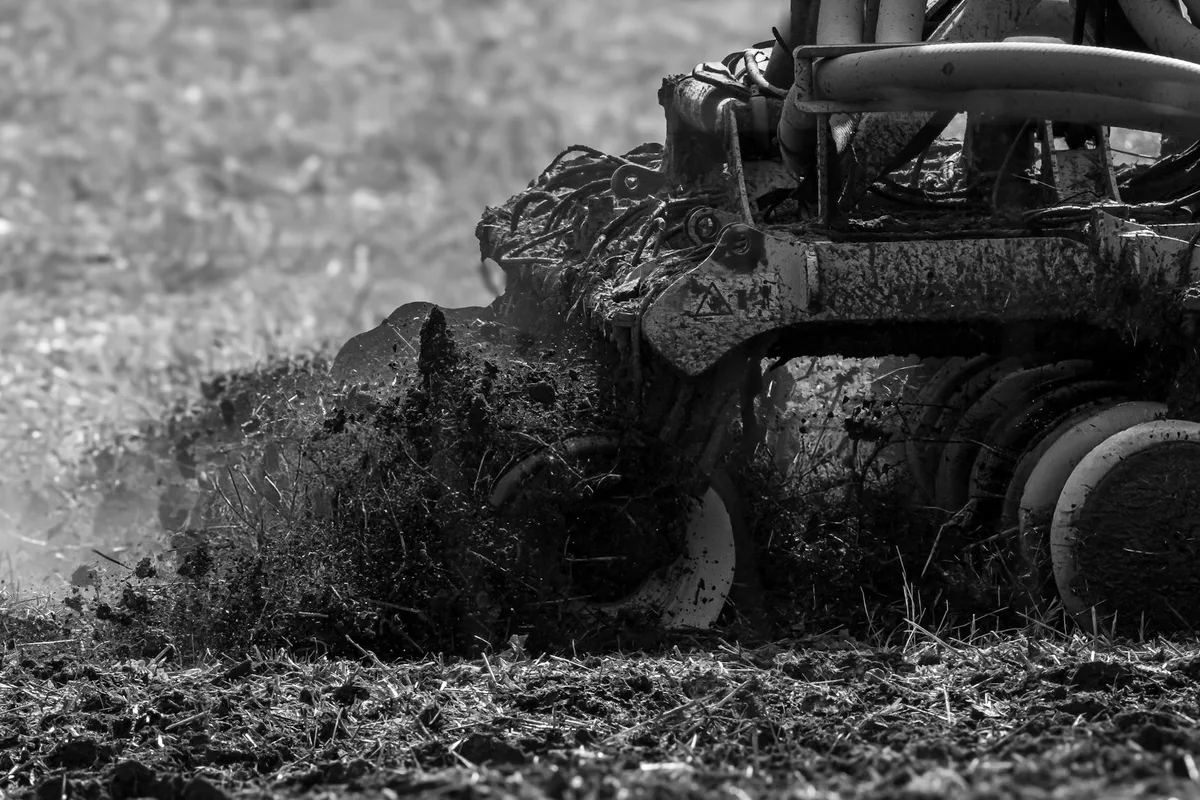
In our research, core aeration consistently improves turf density and moisture infiltration in compacted lawns, while spike models show mixed results, sometimes helping slightly, often doing nothing or making things worse. If you’re renting equipment, confirm you’re getting a true core aerator, not a spiked roller disguised as one.
Common Mistakes That Waste Time and Damage Lawns
Aerating during a drought is a fast track to disappointment, dry, hard soil won’t accept tines properly, and stressed grass can’t recover from the trauma. Similarly, aerating right after heavy rain turns your lawn into a muddy pit where cores collapse instead of staying open.
Another frequent error: overdoing it on high-traffic zones. While paths and play areas need attention, aerating the same spot year after year without addressing the underlying cause (like redirecting foot traffic) just creates more work. And never aerate within two weeks of applying a pre-emergent herbicide, it’ll tear up the protective barrier meant to stop weeds.
When NOT to Aerate: Risks and Red Flags
If your grass is already under stress, brown from summer heat, recovering from disease, or freshly seeded, wait. Aeration opens the canopy and exposes roots, which can accelerate moisture loss or let pathogens in. Cool-season lawns going dormant in July shouldn’t be aerated; warm-season types heading into winter dormancy in October are equally poor candidates.
Also skip aeration if your soil test shows severe nutrient deficiencies or pH imbalances. Fix those first, otherwise, you’re just creating entry points for problems without giving grass the tools to thrive. And avoid slopes steeper than 15% grade; cores won’t stay in place, and erosion risk increases.
Expert Tips for Maximum Results After Aeration
Within 24 hours of aerating, overseed bare or thin patches, especially in fall. The holes provide perfect seed-to-soil contact, and active root growth means faster establishment. Follow up with a light application of starter fertilizer (look for higher phosphorus content) to fuel new seedlings.
Don’t water heavily right away. Keep soil consistently moist but not soaked for the first week to encourage germination and root development. Once new grass reaches 2 inches, resume normal mowing, but raise the blade slightly for the first few cuts to avoid stressing young plants.
Decision Guide: Pick Your Ohio Aeration Plan
If you have cool-season grass and live north of I-70, aim for the first two weeks of September. Soil temps are still warm, and you’ll beat early frosts that can stall recovery. For central Ohio lawns with mixed traffic and moderate compaction, mid-September to early October works best, just check the 10-day forecast to avoid rain delays.
Southern Ohio homeowners with Zoysia should wait until late May when soil hits 70°F consistently. Cool-season lawns down there can stretch aeration into mid-October thanks to milder falls. Always pair timing with soil moisture: if it hasn’t rained in two weeks, water lightly 48 hours before.
How Often Should You Really Aerate?
Healthy lawns on loamy soil with light foot traffic need aeration every two to three years. But if you’ve got clay soil, kids, pets, or frequent gatherings, annual aeration is worth the effort. In our research, lawns aerated yearly showed 20, 30% better water infiltration and thicker turf after three seasons compared to those done sporadically.
Skip the calendar rule, “every September” doesn’t fit every yard. Instead, assess compaction annually: step on the lawn in spring. If your footprint stays visible for more than a few minutes, it’s time.
Renting vs. Buying: What’s Worth It for Ohio Yards?
Renting a core aerator costs $75, $120 per day at most hardware stores and comes with tines sized for residential lawns. That’s plenty for yards under half an acre. Buying makes sense only if you’ve got multiple properties or plan to aerate every year for five-plus years, a decent push model starts around $400.
Check rental units before you leave the lot. Some shops send out worn tines that barely scratch the surface. Ask for a machine with adjustable depth and at least 20 hollow tines, anything less won’t give meaningful results on compacted Ohio clay.
Timing Around Other Lawn Care Tasks
Never aerate within two weeks of applying pre-emergent herbicides in spring, they form a barrier that blocks grass seed germination. If you’re overseeding in fall, do it immediately after aeration when holes are fresh. Fertilize within 24 hours too; nutrients reach roots faster through open channels.
Avoid heavy topdressing right after aeration unless you’re leveling severe dips. Light compost (¼ inch max) can help, but too much smothers new shoots. And don’t dethatch and aerate on the same day, space them two weeks apart to reduce stress on grass.
Final Checks Before You Start
Walk the lawn the morning of and note any soft spots, mole runs, or low areas where water pools. These need attention but may require extra passes. Keep pets off for 48 hours post-aeration, their paws can compact freshly disturbed soil.
If you’re in a drought watch area or under watering restrictions, delay until conditions improve. Aeration increases evaporation, and stressed grass won’t recover well without consistent moisture. When in doubt, wait a week, better late than never.





