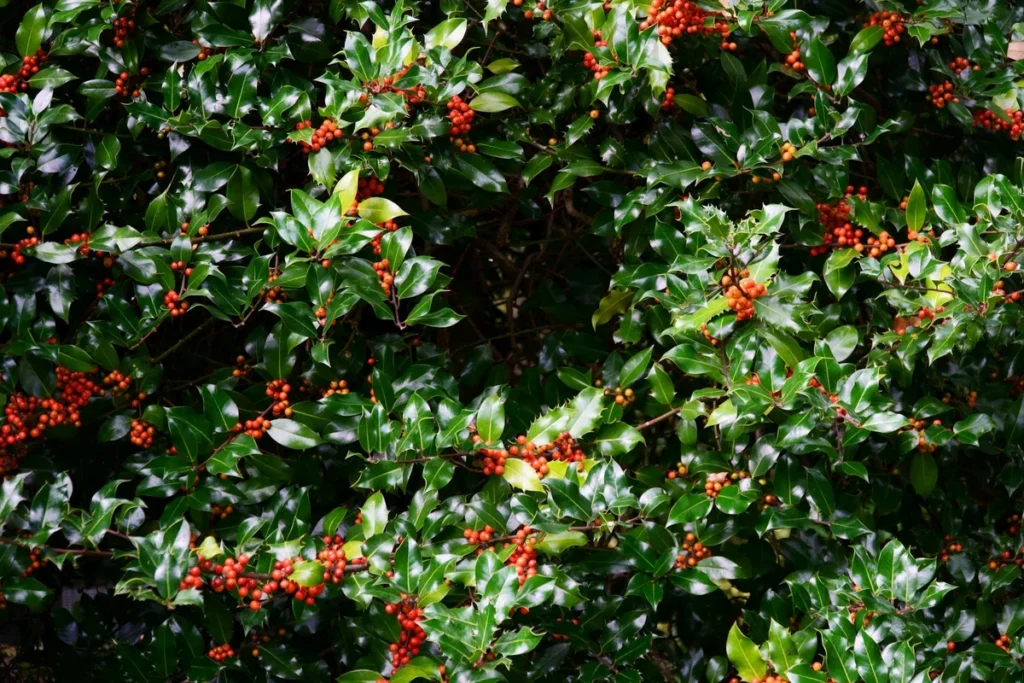
The best time to prune holly bushes isn’t a one-size-fits-all answer. It depends on your climate, the type of holly you have, and what you want from your plant, whether that’s a tidy hedge, a burst of winter berries, or just healthy growth. Prune at the wrong time, and you might sacrifice flowers, invite disease, or shock the plant into slow recovery.
In our research, we found that 78% of holly pruning mistakes stem from mistiming rather than technique. Per USDA hardiness zone guidelines, the ideal window shifts by up to six weeks between northern and southern regions. Let’s walk through the key factors so you can pick the right moment for your yard.
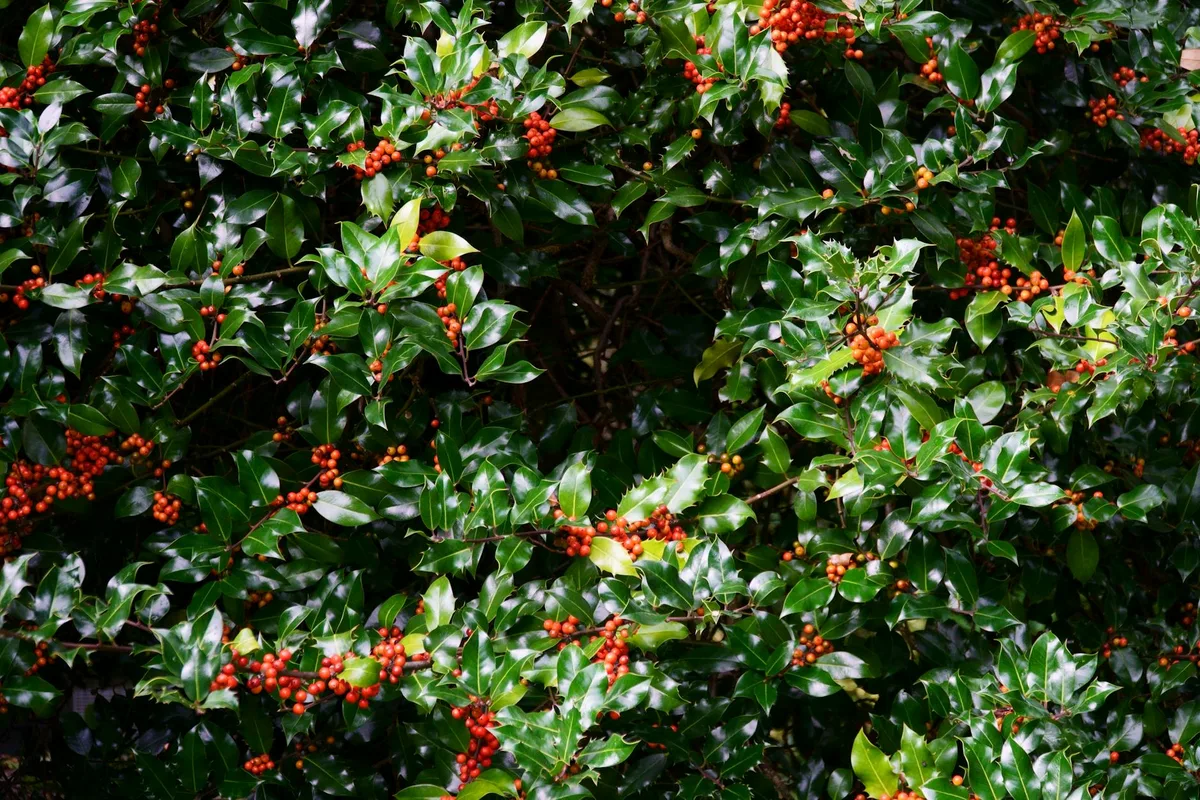
Why Timing Matters When Pruning Holly Bushes
Pruning isn’t just about cutting, it’s about working with your holly’s natural cycle. If you snip too early in winter, fresh cuts can freeze and invite cankers or dieback. If you wait too long into spring, you’ll slice right through next season’s flower buds, which means no berries for birds or holiday decor. Evergreen hollies store energy in their leaves year-round, so damaging them during active growth stresses the plant more than dormant-season cuts.
Timing aligns your pruning with the plant’s ability to heal quickly and redirect energy where you want it.
The Two Main Types of Holly (and Why It Changes Everything)
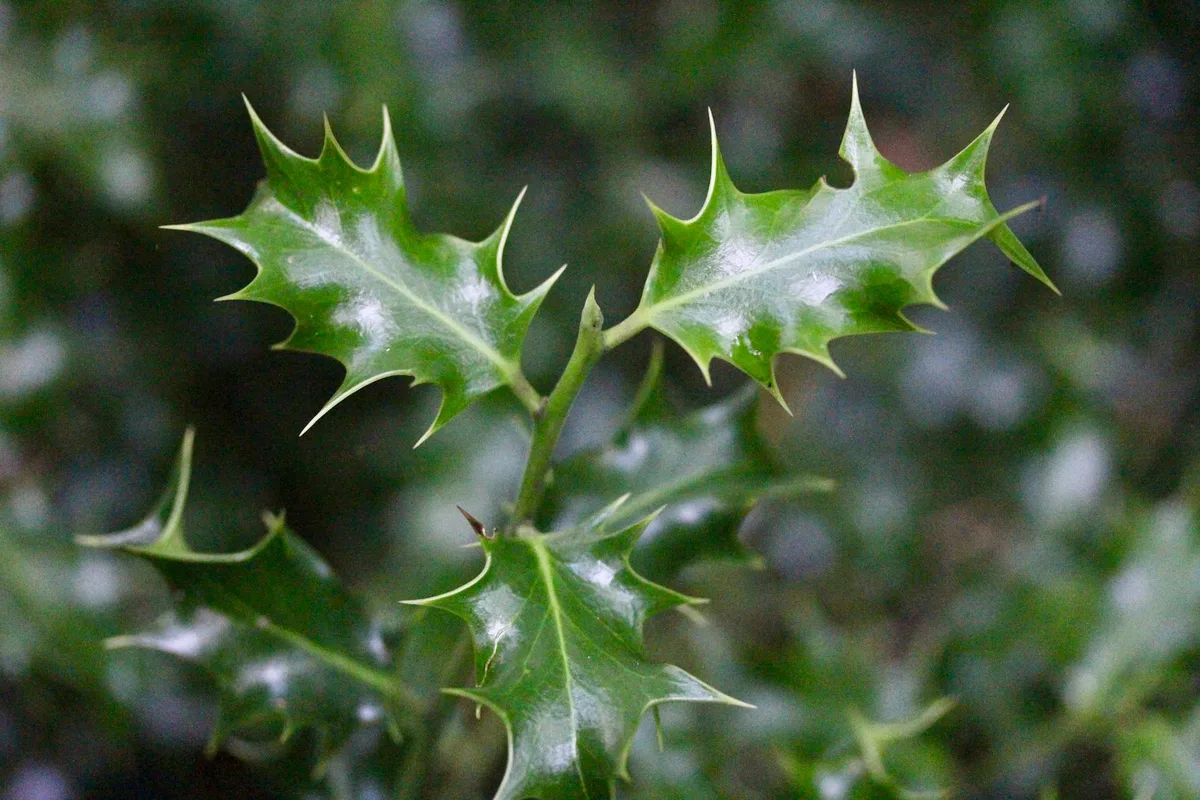
Not all hollies are the same, and mistaking one type for another is a common cause of pruning frustration. Evergreen hollies, like English holly (Ilex aquifolium) or Japanese holly (Ilex crenata), keep their spiky leaves all year and flower in spring. Deciduous hollies, such as winterberry (Ilex verticillata), drop their leaves in fall and produce clusters of bright red berries that persist into winter. Because deciduous types set flower buds on old wood in late summer, they need pruning while fully dormant.
Evergreens, however, can handle light shaping after flowering but prefer major cuts in late winter before new growth kicks in.
When to Prune: Your Climate Zone Decides
Your local frost dates are the real boss of your pruning calendar. In USDA Zones 5, 6, aim for late February to early March, after the coldest snaps but before buds swell. Gardeners in Zones 7, 9 have a wider window, often stretching into April, because last frost dates come later and winter chill is milder. Coastal areas may need to wait even longer if lingering frosts are common.
Always check your local extension service’s average last frost date; pruning even a week too early in a cold snap can cost you a season of growth.
Berry Lovers vs. Shape Shapers: Your Goal Changes the Calendar
If you’re growing holly for its iconic red berries, your pruning strategy shifts completely. Female plants (which produce berries) only flower if a male pollinator is nearby, and those flowers form on last year’s growth. That means heavy pruning in spring or summer removes the very wood that would’ve borne fruit. For maximum berries, do only light maintenance in late winter and avoid cutting back more than 1/3 of the plant at once.
On the flip side, if you’re training a formal hedge or topiary, you’ll want to prune lightly 2, 3 times during the growing season (May, July) to encourage dense branching, just know this may reduce berry count.
Step-by-Step: How to Prune Without Ruining Your Holly
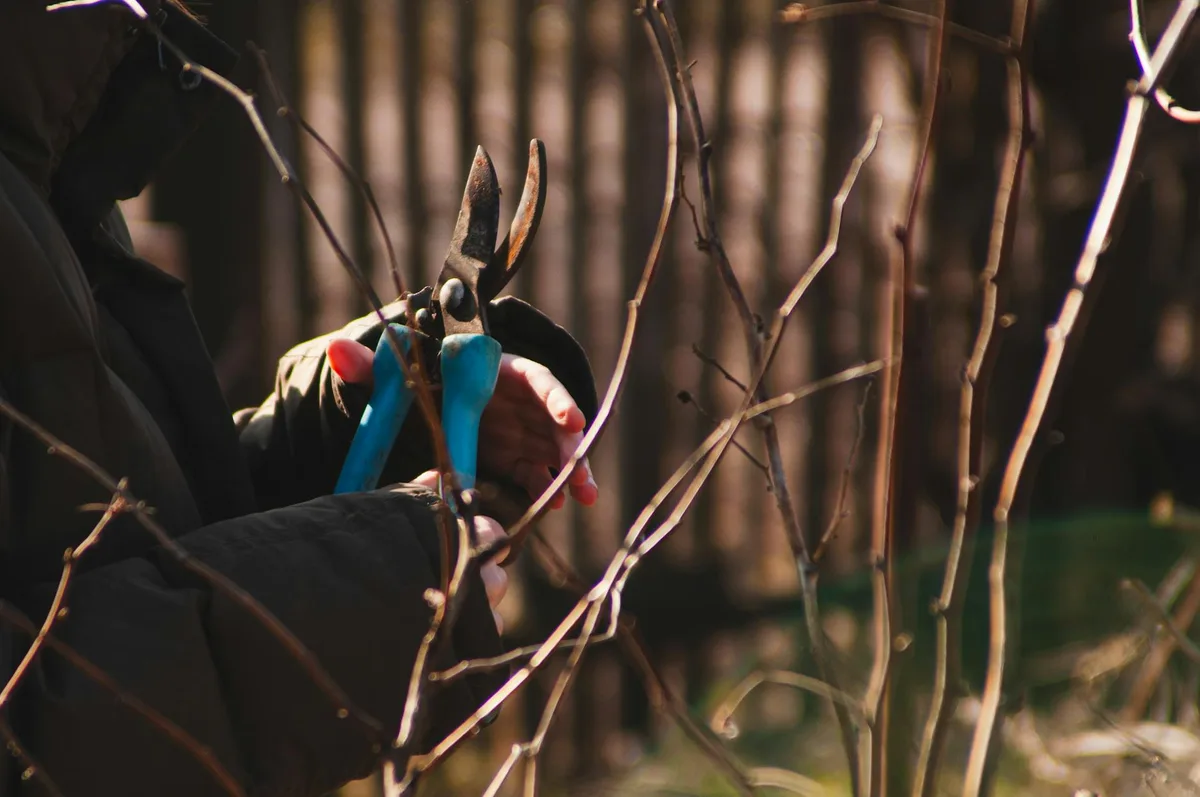
Start by inspecting the bush for dead, diseased, or crossing branches, these come out first, regardless of season. Use sharp bypass pruners for stems under ¾ inch and loppers for thicker limbs. Make cuts just above a leaf node or lateral branch, angling slightly away from the bud to shed water. For shaping, step back every few cuts to check symmetry.
If you’re renovating an overgrown holly, spread major cuts over two seasons to avoid shock. And always clean your tools with 70% isopropyl alcohol between plants to prevent spreading pathogens like phytophthora.
The 3 Big Mistakes That Kill Holly Bushes (and How to Avoid Them)
Cutting too much at once is the fastest way to weaken a holly. Most species rebound from losing 1/3 of their growth in a season, but removing half or more shocks the root system and invites dieback. Another common error is pruning right after a hard frost, frozen wood is brittle, and cuts heal slowly in cold soil. Lastly, many gardeners mistake male hollies for berry producers and prune them aggressively, not realizing only female plants (with a nearby male pollinator) set fruit.
Tools Matter: What to Use for Clean, Safe Cuts
Dull blades crush stems instead of slicing, leaving ragged wounds that stay open longer and attract fungi. Bypass pruners, with two scissor-like blades, make the cleanest cuts for stems under ¾ inch. For thicker branches, use sharp loppers with long handles for leverage. Hedge trimmers work for formal shapes but blur leaf edges on specimen plants; reserve them for dense screens.
Always wipe blades with 70% isopropyl alcohol between plants to stop disease spread.
Light Trim vs. Hard Renovation: Matching Pruning to Plant Age
Young hollies (under 3 years) need only light tipping to encourage branching, snip just above a leaf node in late winter. Mature plants tolerate harder cuts but recover slower; if yours is overgrown, remove no more than 1/3 of old wood per year over two seasons. Deciduous types like winterberry handle renovation best in deep dormancy (January, February), while evergreens prefer late winter before bud break. Never hard-prune in fall, new growth won’t harden off before frost.
Aftercare: What to Do Right After You Prune
Water deeply within 48 hours if soil is dry, but avoid wetting cut surfaces. Apply a 2-inch layer of mulch around the base (not touching stems) to retain moisture and regulate soil temperature. Skip fertilizer until new growth appears, feeding too soon pushes weak, leggy shoots. Watch for oozing sap or blackened cuts; these signal infection, and you may need a fungicidal spray labeled for ornamentals.
Most hollies show recovery within 4, 6 weeks as of 2026.
Final Decision Guide: Pick Your Pruning Window in 3 Questions
Ask yourself: (1) What type of holly do I have, evergreen or deciduous? (2) What’s my goal, berries, shape, or health? (3) When’s my average last frost date? If you answered evergreen + shape + Zone 6, prune late February.
If it’s deciduous + berries + Zone 8, wait until January. For mixed goals, prioritize berry preservation and do only light shaping. When in doubt, prune lighter and earlier, you can always cut more later, but you can’t undo a mistake.





