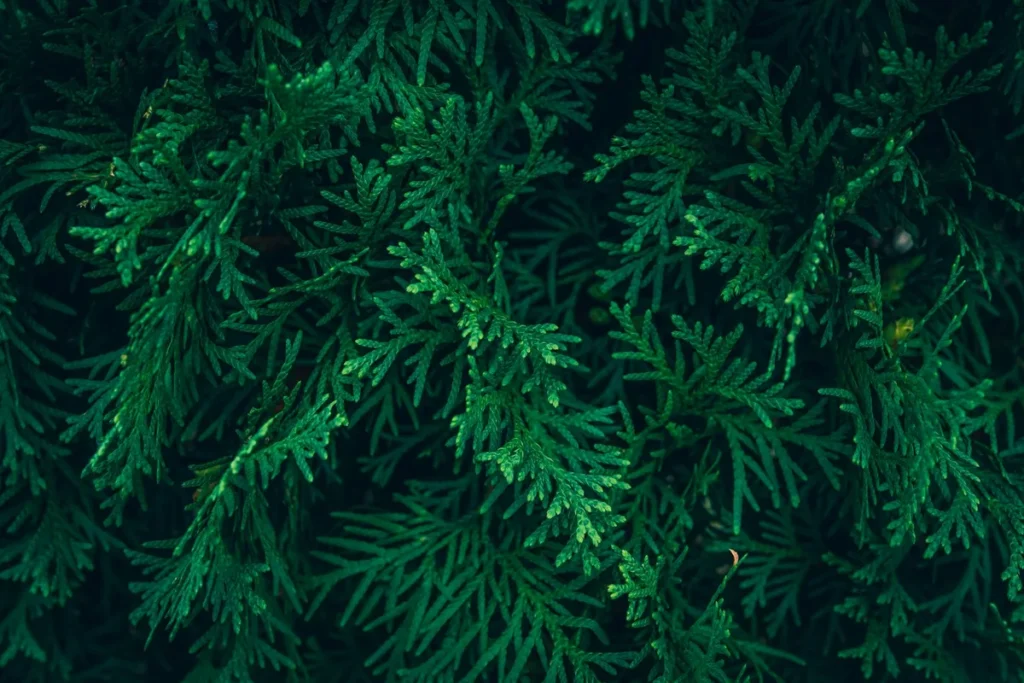
The best time to plant arborvitae in Michigan isn’t just about picking a season, it’s about matching your local conditions to the tree’s needs. If you plant too early or too late, you risk winter burn, transplant shock, or root rot, especially in Michigan’s variable climate. Arborvitae, particularly Thuja occidentalis and Thuja plicata, thrive when planted during windows that let roots establish before extreme weather hits.
In our research, soil temperature between 50, 65°F (10, 18°C) consistently correlates with strong root growth, a critical factor for survival. As of 2026, Michigan’s USDA zones (4a, 6b) mean timing varies significantly from the Upper Peninsula to southern counties, so your decision should start with your specific location and soil.
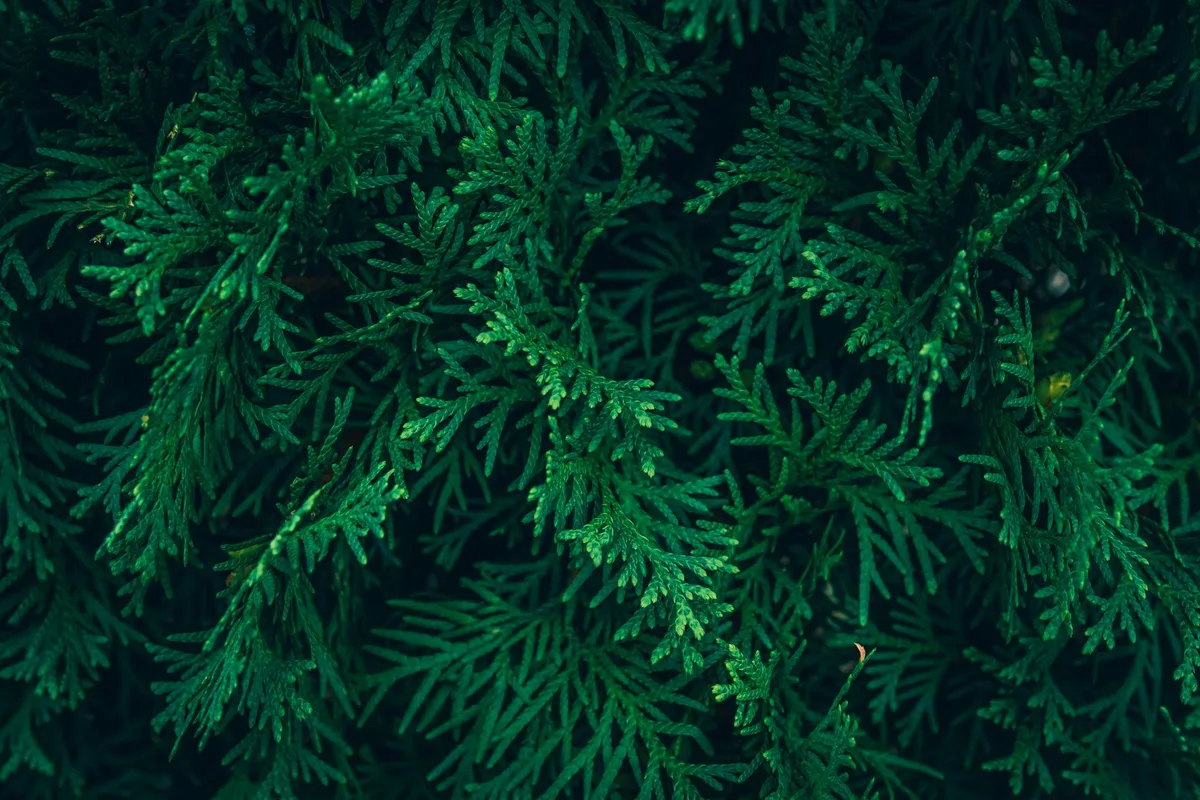
Why Timing Matters for Planting Arborvitae in Michigan
Arborvitae rely on a delicate balance between soil warmth, moisture, and dormancy cycles. Plant during the wrong window, and even healthy trees can struggle to anchor themselves before winter or summer stress sets in. Michigan’s short growing season and lake-effect weather add another layer, what works in Grand Rapids might fail in Marquette.
The goal is simple: give roots enough time to grow before temperatures swing too far in either direction. That means avoiding late fall plantings that don’t allow establishment before freeze-up, and skipping mid-summer installs that expose tender roots to heat and drought. Get the timing right, and your arborvitae will reward you with rapid spring growth and long-term resilience.
The Two Best Windows: Spring vs. Fall
Michigan offers two reliable planting windows, spring and fall, but each comes with trade-offs based on your zone, soil, and tree type. Choosing between them isn’t about which is “better” overall, but which fits your specific situation.
Spring Planting: Pros, Cons, and Timing
Spring planting starts once the ground thaws and soil temperatures reach at least 50°F (10°C), typically between late April and mid-May in most of Michigan. This gives roots a full growing season to establish before winter.
Best for:
- Balled-and-burlapped trees (which suffer more transplant shock)
- Areas with poor drainage or heavy clay soils
- Gardeners who missed the fall window
Risks to watch:
- Late frosts can damage new shoots if buds have already broken
- Summer heat may stress newly planted trees without consistent watering
- Shorter root-establishment period compared to fall
If you’re in the Upper Peninsula or near Lake Superior, aim for early May. In southern Michigan (Zone 6a/b), you might safely start as early as late April.
Fall Planting: Pros, Cons, and Timing
Fall planting works best from mid-September to mid-October in most of Michigan, allowing 6, 8 weeks of root growth before the ground freezes. Soil stays warm longer than air temperatures, giving roots a quiet advantage.
Best for:
- Container-grown arborvitae (less root disturbance)
- Well-drained soils that won’t stay soggy over winter
- Homeowners wanting a head start on spring growth
Risks to watch:
- Planting too late (after late October) risks winter burn, roots don’t establish, but foliage still loses moisture
- Early hard freezes can damage unacclimated trees
- Snow load on dense hedges may cause breakage without support
Avoid fall planting in low-lying areas prone to standing water, arborvitae hate “wet feet,” and saturated soil over winter invites root rot.
How to Decide: Your Michigan Planting Checklist
Don’t rely on a calendar date alone. Use this three-step checklist to match your site and tree type to the right window.
Check Your Zone and Local Frost Dates
Michigan spans USDA Zones 4a to 6b, with significant microclimate variation. The Upper Peninsula averages last frosts in mid-May, while southern counties like Berrien may see frost-free conditions by late April.
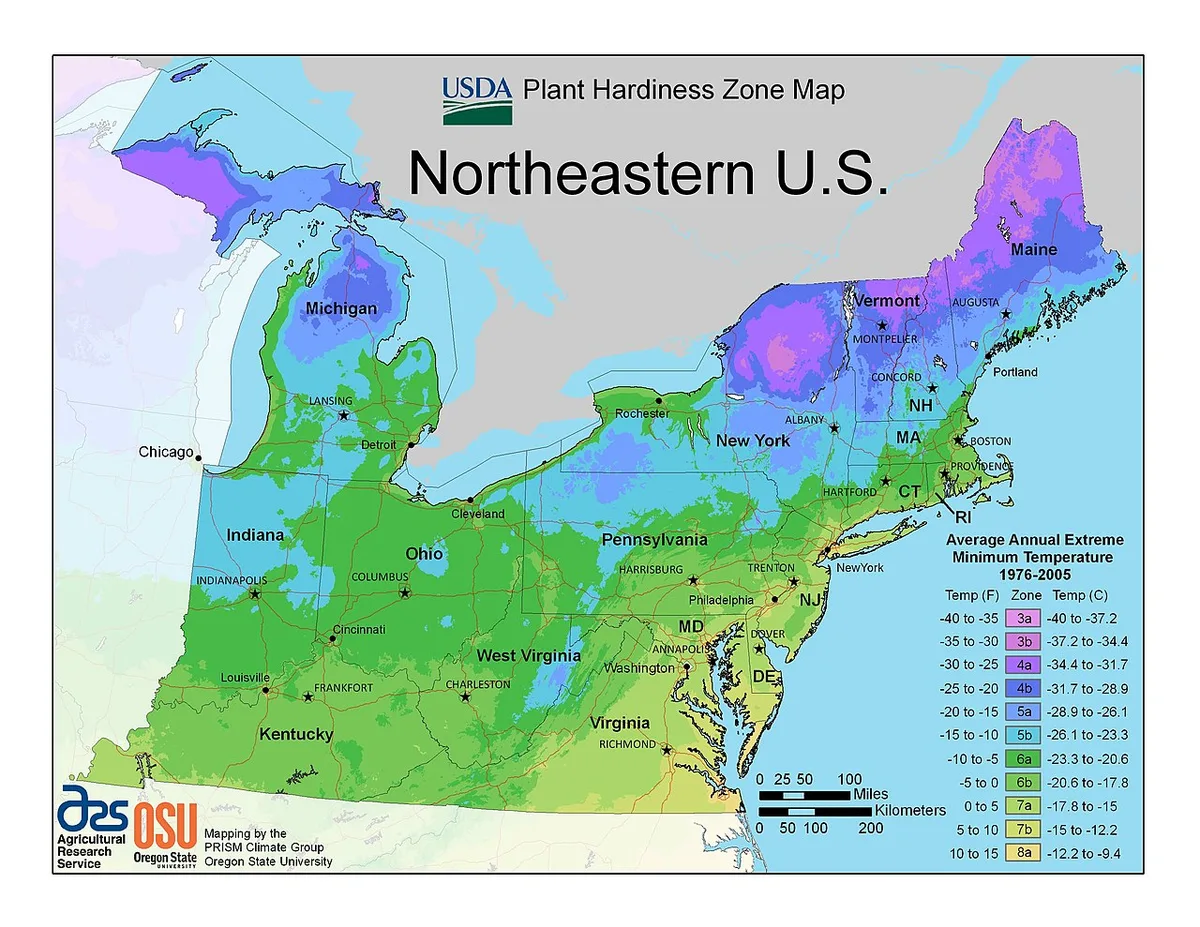
Use Michigan State University Extension’s frost date maps to find your local averages. If you’re within 10, 15 days of your average last frost in spring, hold off, even a single late freeze can set back new growth. In fall, count backward 6, 8 weeks from your average first frost to find your ideal planting week.
Assess Your Soil and Site Conditions
Dig a test hole 12 inches deep and fill it with water. If it drains within 2, 4 hours, you’re good to go in fall. If it takes longer, spring is safer, wet soil in winter equals root rot risk.
Also consider sun and wind:
- Full sun (6+ hours) is ideal, but arborvitae tolerate partial shade
- Plant on the north or east side of structures for natural windbreaks
- Avoid hot, dry slopes in southern exposures, these increase summer stress
Tree Type: Container vs. Balled-and-Burlapped
Container-grown trees have intact root systems and can be planted later into fall (up to early November in Zone 5b+) because they experience less shock. Balled-and-burlapped stock should go in earlier, ideally by late September to mid-October, since root disturbance is higher and recovery takes longer.
Always inspect roots before planting: healthy ones are white or light tan, not dark or mushy. Gently loosen circling roots on container trees to encourage outward growth.
Step-by-Step: Planting Arborvitae Right
Good timing means nothing if the planting process itself stresses the tree. Follow these steps to give your arborvitae the best possible start.
Prepping the Site
Clear weeds and grass from a 3, 4 foot diameter circle where each tree will go. For hedges, space plants 3, 5 feet apart depending on cultivar, check the tag; ‘Emerald Green’ needs about 3 feet, while ‘Green Giant’ requires 5, 6.
Amend heavy clay with compost, but avoid over-mixing, this can create a bathtub effect. In sandy soils, add organic matter to improve water retention.
Planting Process
- Dig a hole 2, 3 times wider than the root ball, but no deeper. The top of the root ball should sit level with or slightly above the soil surface.
- For container trees, tap the sides to loosen, then gently tease out roots. For B&B, remove burlap from the top third and cut any wire cages.
- Place the tree in the hole, backfill with native soil (no fertilizer!), and firm gently to eliminate air pockets.
- Water deeply immediately, about 5, 10 gallons per tree, to settle the soil.
First-Season Care
Mulch with 2, 3 inches of shredded hardwood or pine bark, keeping it 2, 3 inches away from the trunk to prevent rot. Water once or twice a week during the first growing season, deeply, so moisture reaches 8, 10 inches down. Skip fertilizer the first year; let roots focus on anchoring, not top growth.
Common Mistakes That Kill Arborvitae
Even with perfect timing, small errors can doom a planting. Watch for these frequent missteps:
- Planting too deep: Burying the root flare suffocates the tree. Always keep the top of the root ball at or slightly above grade.
- Overwatering in clay soils: Soggy roots rot fast. If your soil drains slowly, plant in spring and use raised mounds.
- Skipping mulch or piling it against the trunk: Mulch regulates moisture and temperature, but trunk contact invites pests and disease.
- Ignoring winter protection: Young trees in exposed sites need burlap windbreaks in Zone 4 and northern Zone 5 to prevent desiccation.
- Using high-nitrogen fertilizer too early: This pushes weak, frost-tender growth in fall. Wait until Year 2, and use slow-release formulas only.
Expert Tips for Michigan Gardeners
Staking isn’t always necessary, but if you’re planting in a windy area, like near Lake Michigan or open farmland, use two soft ties on opposite sides of the trunk. This lets the tree flex slightly, which encourages stronger root development. Avoid single-stake methods; they can girdle the trunk over time.
Don’t fertilize in the first year. New roots are fragile, and nitrogen pushes tender top growth that’s vulnerable to frost. If you must feed, wait until Year 2 and use a slow-release, balanced formula (10-10-10) at half the recommended rate.
For young trees in Zones 4 and northern 5, wrap the south and west sides with burlap screens in late fall. This cuts winter burn by reducing sunscald and wind desiccation. Remove the screens by mid-April to prevent overheating.
Final Decision Guide: When to Plant
Use this quick-reference flowchart based on your specific conditions:
If you have well-drained soil and live in Zone 5b, 6b:
→ Plant container-grown arborvitae from mid-September to mid-October. Roots will establish before freeze-up, and spring growth will surge.
If you’re in the Upper Peninsula (Zone 4a, 4b) or have heavy clay:
→ Aim for late April to early May, once soil temps hit 50°F. Fall planting risks winter damage in these colder, wetter zones.
If you’re using balled-and-burlapped stock:
→ Stick to spring (April, May) unless you’re in southern Michigan with excellent drainage, then early fall is acceptable.
If you missed both windows:
→ Hold your trees in a shady, protected spot and keep roots moist until the next suitable window. Never plant in summer heat or frozen ground.
This isn’t about rigid dates, it’s about matching your site, tree type, and local climate to the arborvitae’s natural rhythm. When in doubt, lean toward spring in the north and fall in the south.





