If you're wondering about the best time to overseed in Massachusetts, stop guessing and start watching your soil thermometer. Fall isn't just a season, it's a narrow window where cool-season grasses like Kentucky bluegrass and perennial ryegrass actually want to grow. Overseeding at the wrong time wastes seed, money, and effort, leaving you with patchy results and a lawn that struggles through summer.
In our research, we found that soil temperature consistently between 50, 65°F (10, 18°C) triggers reliable germination for Massachusetts lawns. That usually lands between mid-August and mid-September across most of the state, though microclimates in the Berkshires or Cape Cod can shift this by a week or two. Let’s break down exactly when, and how, to get it right.
Why Timing Isn’t Just About Calendar Dates
The real trigger for successful overseeding isn’t the calendar, it’s soil temperature, not air temperature. Even if daytime highs hit 75°F in early September, your soil might still be too warm for cool-season grass seed to germinate properly. Conversely, a cool snap in late October might feel “fall-like,” but if the ground has already dropped below 50°F, seedlings won’t establish before winter hits.
Massachusetts adds another layer of complexity thanks to its microclimates. Coastal areas like Gloucester stay milder longer, while inland valleys and western hills cool faster. A lawn in Springfield might be ready for seed two weeks earlier than one in Provincetown. Relying solely on the date ignores these critical local differences, and that’s why so many homeowners overseed too early or too late.
“Early fall” sounds simple, but in practice, it can backfire. Seed sown in late July often rots in hot, dry soil or gets outcompeted by weeds. Meanwhile, waiting until mid-October risks losing seedlings to an early frost, especially in Berkshire County, where first frost can arrive as soon as October 10. Timing isn’t just about picking a month, it’s about reading your lawn’s specific conditions.
The Sweet Spot: Mid-August to Mid-September
Soil temps consistently between 50, 65°F create what we call the germination Goldilocks zone, warm enough to wake up the seed, cool enough to encourage strong root development. During this window, cool nights paired with mild days reduce stress on young seedlings and give them time to establish before winter dormancy.
Most of Massachusetts hits this sweet spot from mid-August through mid-September. Coastal zones may stretch it to September 20, while western inland areas often peak closer to August 25. The key is consistency: three straight days of soil temps in range signal it’s go-time. You’ll also benefit from a built-in safety buffer, the average first frost date across the state lands after October 20, giving new grass 6, 8 weeks to toughen up.
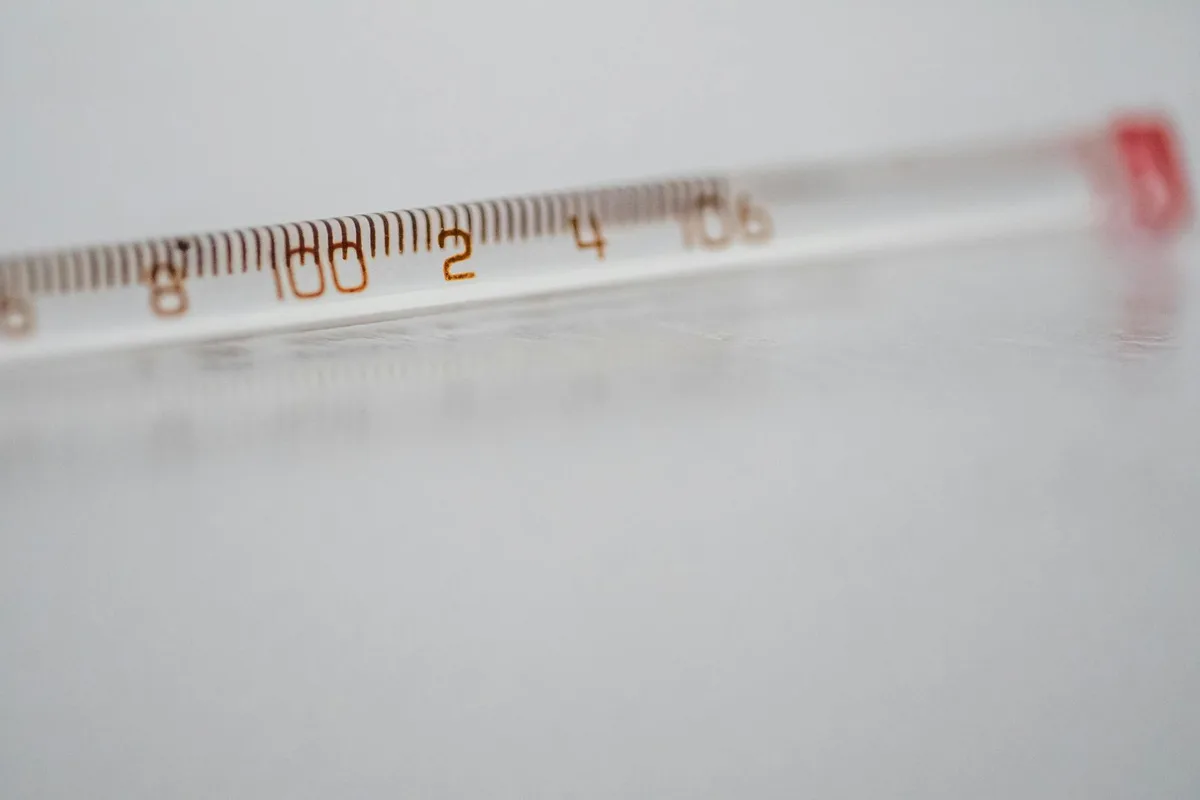
Don’t rely on air temps alone. Soil lags behind air by several degrees and stays more stable. A simple meat thermometer poked 2 inches into bare soil at 8 a.m. gives you the real story. If it reads 60°F and the forecast shows no heat spikes ahead, you’re in the zone.
When (and Why) to Skip Fall Overseeding
Sometimes, even within the ideal window, overseeding doesn’t make sense. Late September heatwaves can stall germination, leaving seed exposed to birds, erosion, or fungal rot. If daytime highs stay above 80°F into the first week of September, hold off, your seed will wait better in the bag than in baked soil.
Early October brings another risk: snow. Western Massachusetts, especially the Berkshires, can see snow as early as mid-October. If seedlings haven’t developed deep roots by then, they’ll heave out of frozen ground come spring. Similarly, if your lawn has thick thatch (over ½ inch) or compacted soil, throwing seed on top is practically guaranteed to fail.
Seed needs contact with soil, not a thatch mattress.
Spring overseeding is possible but comes with tradeoffs. While soil temps eventually reach the right range, you’ll battle crabgrass (which germinates at the same time) and summer drought stress. Plus, cool-season grasses grow slower in spring, giving weeds a head start. Only consider spring if you completely missed fall, and even then, prep aggressively.
Spring Overseeding: The Compromise Option
Yes, you can overseed in spring, but it’s a compromise, not a replacement for fall. Cool-season grasses like Kentucky bluegrass and fine fescue grow slower in spring due to shorter days and rising temperatures. This gives aggressive weeds like crabgrass a competitive edge, often outpacing your new seedlings.
Spring also compresses your establishment window. In Massachusetts, soil temps hit 50°F by late April, but summer heat arrives by June. That leaves just 6, 8 weeks for roots to develop before drought stress kicks in. Fall seedlings, by contrast, get 10, 12 weeks of cool, moist growth.
Plus, spring rains are less predictable, one dry spell can wipe out a newly seeded lawn.
If you must overseed in spring, aim for late April to early May, right after the last frost but before crabgrass pre-emergent applications (which also block grass seed). Use a fast-germinating blend like perennial ryegrass and water lightly but frequently. Even then, expect thinner results than a well-timed fall job.
Dormant Seeding: December–February Gamble
Dormant seeding, sowing seed in winter when the ground is frozen, sounds clever, but it’s a high-risk, low-reward tactic for most homeowners. The idea is that seed sits dormant until spring thaw, then germinates as soils warm. In theory, it beats spring weeds to the punch.
In practice, Massachusetts winters are unpredictable. A warm January thaw can cause partial germination, only for a February freeze to kill tender shoots. Heavy snowmelt or rain can wash seed downhill, leaving bare patches. Birds also find exposed seed easy pickings when food is scarce.
Dormant seeding works best for large, erosion-prone areas where mechanical seeding isn’t feasible, or as a last-resort patch job. If you try it, use a high-quality ryegrass blend (fastest spring green-up) and topdress with straw to reduce washout. Even then, don’t expect more than 30, 50% success, far below fall overseeding’s 80, 90% typical rate.