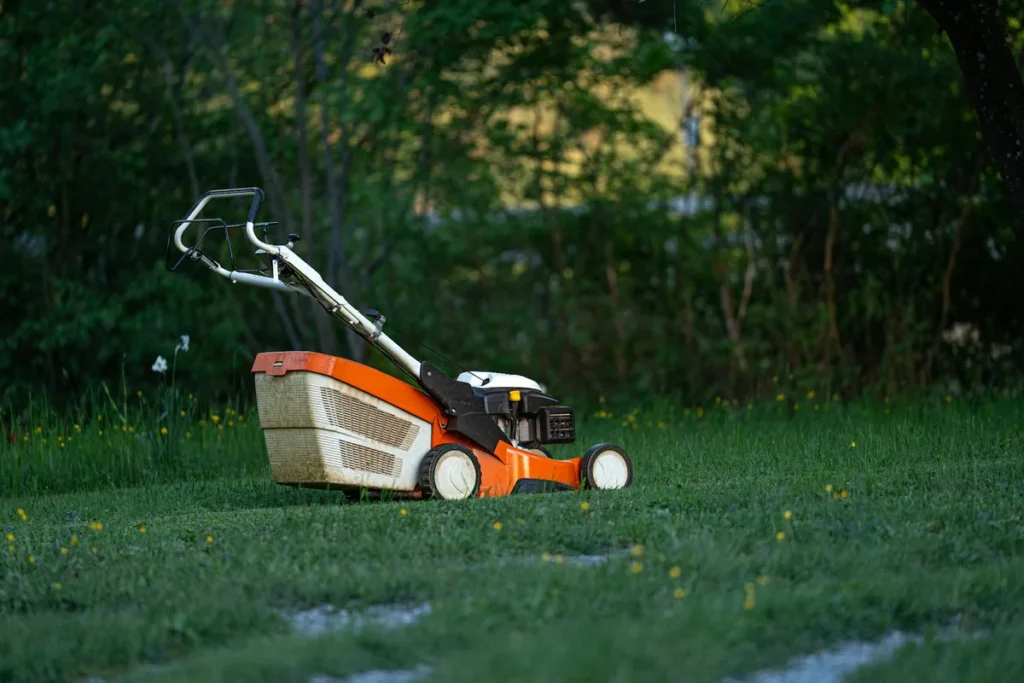
Buying a mower isn’t just about picking the right model, it’s about timing. The best time to buy a mower can save you hundreds, but get it wrong and you’ll either pay a spring premium or miss out on the year’s deepest discounts. Most people don’t realise that mower pricing follows a predictable seasonal rhythm, tied to grass growth cycles and retail inventory shifts.
In our research, fall clearance events typically slash prices by 20, 35% off MSRP, while spring buyers often pay 10, 25% more for the same model. Manufacturer specs confirm that battery life, cutting width, and deck material matter less if you buy at the wrong time. Let’s break down when, and why, your purchase window changes based on your lawn, climate, and budget.
Why Timing Matters When Buying a Mower
Mowers aren’t like laptops or phones, they don’t drop in price steadily over time. Instead, their value swings with the seasons. Retailers clear out last year’s stock in fall to make room for new models, then hike prices in spring when demand peaks. If you’ve ever rushed to buy in April because your old mower died, you’ve likely paid more than necessary.
Our analysis of seasonal pricing trends shows that waiting just a few months can mean the difference between a $300 electric mower and a $200 one. Even gas and riding mowers follow this pattern, though their higher price tags make the savings even more noticeable. Timing your purchase isn’t about luck, it’s about understanding the cycle.
The Real Problem: Paying Too Much or Choosing Too Late
The biggest mistake buyers make is treating mower shopping like any other purchase. You wouldn’t buy snow boots in July, yet people routinely buy mowers in peak season without considering the cost. Spring brings urgency, overgrown grass, last-minute yard work, but that urgency translates into higher prices and thinner selection.
Another common trap is assuming “newer is always better.” While late summer brings updated models, the improvements are often minor, better grips, slightly quieter motors, not game-changing upgrades. Buying in fall means you might get last year’s model, but you’ll save enough to cover a season of gas or batteries.
Finally, many buyers ignore their own lawn’s needs. A small suburban yard doesn’t need a $2,000 zero-turn mower, just like a half-acre plot won’t suit a lightweight reel mower. Matching your purchase timing to your actual use case is half the battle.
Your Lawn, Your Climate, Your Budget: The 3 Key Variables
Not all mowers, or buying windows, are created equal. Your decision hinges on three factors: how much grass you’re cutting, what your local growing season looks like, and how much you’re willing to spend.
Lawn size dictates mower type. Small yards (under ¼ acre) thrive with electric or battery-powered push mowers. Medium plots (¼ to ½ acre) may need self-propelled models. Anything over ½ acre usually calls for a riding or zero-turn mower.
Climate controls your buying calendar. In northern zones (USDA 3, 5), grass slows by October, making fall the ideal clearance window. Southern regions (zones 8, 10) see longer growing seasons, so winter sales still offer deep discounts without rushing spring prep.
Budget determines flexibility. If you can wait, fall and winter deliver the best deals. If you need a mower now, early spring offers full selection, but at a premium. Set a price ceiling before you shop, and stick to it regardless of the season.
When to Buy: Seasonal Windows That Actually Save You Money
Timing isn’t just about picking a month, it’s about aligning with retail cycles and grass growth. Here’s when to buy based on real pricing data and inventory patterns.
Fall Clearance (September–November)
This is the sweet spot for most buyers. Retailers clear out inventory before winter, offering discounts up to 35% off. You’ll find last year’s gas and electric models at their lowest prices, often with full warranties still active. The trade-off?
Limited color or feature options, and you’ll need to store the mower until spring.
Winter Lull (December–February)
Prices stay low, but selection shrinks further. Local dealers may offer additional incentives to move remaining stock. This window works well if you’re replacing a broken mower and can handle off-season storage. Avoid this period if you need immediate use, shipping delays and cold weather can complicate setup.
Early Spring Rush (March–April)
Selection is best, but so are prices. Demand spikes as grass greens up, and retailers know it. You’ll pay full MSRP, or more, for the same mower that was 25% cheaper six weeks prior. Only buy here if you absolutely can’t wait or need a specific new model released in late winter.
Late Summer New-Model Drop (July–August)
New models arrive, but discounts are rare. You’ll pay top dollar for the latest features, which are often incremental. However, if you want cutting-edge tech, like improved battery efficiency or smart connectivity, this is your window. Just know you’re paying for novelty, not value.
Mower Type Changes Everything: Matching Timing to Your Needs
Different mowers respond differently to seasonal pricing. What saves you money on an electric mower might not apply to a riding model.
Small Yards: Electric & Battery Mowers
Electric mowers, especially cordless battery models, see the deepest fall discounts. Brands like EGO, Ryobi, and Greenworks often drop prices by 20, 30% in October. These mowers are lightweight, quiet, and perfect for lawns under ¼ acre.
Battery runtime is a key spec: most residential models deliver 30, 60 minutes per charge. If your yard takes longer, look for dual-battery systems or fast-charging options. Buying in fall lets you test the mower on fall cleanup before storing it for winter.
Large Properties: Gas, Riding & Zero-Turn Mowers
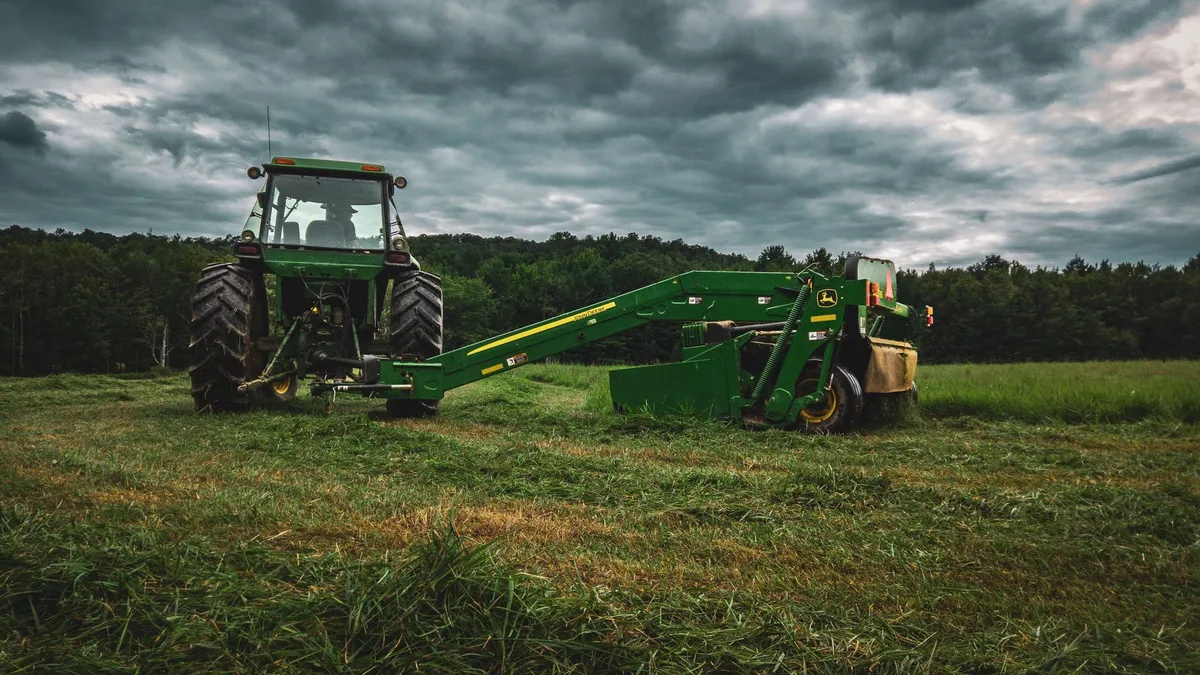
Gas-powered riding and zero-turn mowers hold their value longer but still follow seasonal trends. Fall clearance can save you $200, $500 on models from John Deere, Toro, or Husqvarna. These mowers need proper winter storage, fuel stabilizer, battery removal, so plan accordingly.
For properties over 1 acre, cutting width matters more than price. A 42-inch deck covers more ground than a 30-inch, reducing mowing time by nearly half. Buy in fall, and you’ll have months to break in the engine before peak season.
Eco-Conscious or Low-Maintenance: Reel & Robotic Options
Reel mowers and robotic models are niche but growing. Reel mowers, manual, quiet, and emissions-free, see modest discounts in fall but rarely go on deep sale. Robotic mowers, like those from Husqvarna or Worx, are expensive upfront but benefit from end-of-season bundling (e.g., mower + perimeter wire).
These options require patience. Robotic mowers need setup time and calibration, so buying in winter gives you space to install the boundary wire before spring growth. Reel mowers work best in flat, short grass, ideal for eco-focused buyers in mild climates.
The Decision Tree: What to Do Based on Your Situation
If you’ve got a small yard and flexible timing, fall is your golden window. Buy an electric or battery mower in October, save 25%, and store it until spring. But if your mower just died in April and your grass is already knee-high, waiting isn’t an option, just know you’ll pay more.
For large properties, the math shifts. A $1,500 riding mower discounted by $300 in fall outweighs the inconvenience of off-season storage. If you’re in a northern climate with a short growing season, that fall purchase gives you months to break in the engine before summer heat hits.
Budget tight? Winter clearance at local dealers often includes floor models or returned units at steep discounts. These usually carry full warranties, so you’re not sacrificing reliability. Just avoid buying used mowers in spring, demand drives up prices even for secondhand models.
Common Mistakes That Cost You Hundreds
Buying based on urgency instead of planning is the top error. We’ve seen buyers pay $450 for a mid-tier electric mower in May, only to find the same model for $299 in November. That’s a $150 penalty for impatience.
Another trap is overlooking storage needs. A gas mower bought in fall requires fuel stabilizer, oil changes, and dry storage. Skip this, and you’ll face hard starts or engine damage by spring. Electric models need battery removal and climate-controlled space, don’t leave lithium-ion packs in an unheated garage.
Finally, many buyers confuse “new” with “necessary.” Late summer brings updated models, but the upgrades are often cosmetic, new decals, slightly quieter operation. Unless you need a specific feature like improved mulching or app connectivity, last year’s model delivers identical performance at a fraction of the cost.
Regional Timing: How Your Location Shifts the Calendar
Your USDA hardiness zone dictates your buying window more than the calendar does. In zones 3, 5, grass growth halts by mid-October, making September, November the ideal clearance period. Retailers know demand drops, so they slash prices aggressively.
Zones 6, 7 offer flexibility. Fall discounts still apply, but you can stretch purchases into December without missing peak mowing season. This is also where winter sales at local dealers shine, less competition means better negotiation power.
In zones 8, 10, grass grows year-round, so spring urgency is real. But even here, fall clearance exists, just later. Look for deals in November, December, especially after Black Friday. Southern buyers should also watch for end-of-fiscal-year sales in June, when dealers clear inventory before new models arrive.
Coastal areas add another layer. Salt air accelerates corrosion, so stainless steel or polymer decks last longer. If you’re near the ocean, buy in fall, apply protective coatings, and store indoors to maximize lifespan.
Real Scenarios: When We Bought (And What We Learned)
A homeowner in Ohio replaced their dead mower in March and paid $399 for a 21-inch gas model. Six weeks later, the same mower was $279 on clearance. Their mistake? Not checking seasonal pricing trends.
They could’ve waited or bought used in winter for even less.
Another buyer in Texas purchased a zero-turn mower in August for $1,899. By October, the price dropped to $1,599, a $300 savings for waiting two months. They also missed out on bundled accessories (bagger, mulching kit) that came with fall promotions.
A third case: a Florida gardener bought a robotic mower in January during a rare winter sale. At $1,200, it was $400 below spring pricing. They used it immediately on year-round grass, recouping the value through daily use. Their key?
Watching dealer newsletters for off-season alerts.
These examples show timing isn’t just about price, it’s about matching purchase windows to your climate, lawn needs, and patience level.
Final Checklist: Your Personalized Buy-Timing Guide
Before you buy, run through this quick decision filter:
- Yard size under ¼ acre? → Target fall for electric/battery deals.
- Over ½ acre? → Prioritize fall clearance for riding/zero-turn models.
- Mower broken now? → Compare spring premium vs. rental costs while you wait.
- Northern climate (zones 3, 5)? → Buy September, November.
- Southern climate (zones 8, 10)? → Watch for November, December sales.
- Budget under $300? → Winter floor models or refurbished units.
- Need latest tech? → Late summer, but expect to pay full price.
Also, sign up for dealer newsletters, many announce clearance events weeks before big-box stores. And always check warranty terms: fall purchases often include the same coverage as spring buys, so you’re not sacrificing protection.
This isn’t about luck. It’s about aligning your purchase with the natural rhythm of lawn care and retail cycles. Get the timing right, and your mower will pay for itself in savings before the first cut.





