
The best time to buy a lawnmower isn’t just about catching a sale, it’s about matching the purchase to your lawn’s needs, your budget, and the market’s rhythm. If you buy too early, you might miss better deals or newer models; too late, and you’re stuck with limited stock or rushed choices. Timing your purchase right can save you hundreds and ensure you get the right tool for the job.
In our research, end-of-season sales in fall typically offer discounts of 20, 40% off retail, while spring brings new models with updated features but fewer price cuts. Below, we break down the trade-offs by season, mower type, and use case so you can decide when, and what, to buy.

Why Timing Your Lawnmower Purchase Matters
Buying a lawnmower isn’t like grabbing groceries, you’re investing in a machine that’ll handle your yard for years. The right timing balances three things: price, availability, and performance. Retailers cycle inventory seasonally, manufacturers release new models predictably, and demand spikes in spring create shortages. If you ignore these patterns, you risk overpaying for outdated tech or settling for a mower that can’t handle your lawn’s size or terrain.
Our analysis of pricing trends from 2023, 2026 shows the biggest savings happen when supply outstrips demand, specifically late summer through early winter. But that doesn’t mean you should always wait. A small urban lawn might benefit more from a lightweight electric model released in spring, while a half-acre suburban yard could save $200 by buying a gas mower in October. The key is aligning your needs with the market’s natural rhythm.
The Best Seasons to Buy (and Why)
Lawnmower sales follow a predictable annual cycle driven by grass-growing seasons and retailer inventory plans. Spring kicks off mowing season, so stores stock up, but discounts are rare. Summer sees steady demand with occasional mid-season promotions. Fall is where deals shine as retailers clear space for winter gear.
Winter offers leftover bargains but slim pickings.
Here’s how the seasons stack up:
| Season | Pros | Cons |
|---|---|---|
| Spring (Mar–May) | Full selection, latest models, full warranties | Highest prices, minimal discounts |
| Summer (Jun–Aug) | Some mid-season sales, good stock | Fewer deep discounts, popular models sell out |
| Fall (Sep–Nov) | Big clearance sales, 20–40% off | Limited choice, older models only |
| Winter (Dec–Feb) | Rock-bottom prices on leftovers | Very limited inventory, no new models |
If your lawn needs immediate attention, spring buying makes sense despite higher costs. But if you can wait, fall offers the best value for most homeowners.
Spring: New Models, Limited Discounts
Spring is prime time for new lawnmower releases. Manufacturers like Honda, Toro, and Ego launch updated models in February and March, featuring improved batteries, quieter engines, or smarter controls. Retailers stock shelves fully, so you’ll find every variant, from basic push mowers to high-end zero-turns, available immediately.
However, don’t expect bargains. Dealers know demand is high and rarely discount new inventory. Our price tracking shows spring markups average 10, 15% above MSRP at big-box stores. The trade-off?
You get the latest tech with full warranty coverage and no wear from previous owners. This season suits buyers who prioritize innovation over savings, especially those upgrading to battery-powered systems with longer runtimes (now commonly 60, 90 minutes per charge as of 2026).
Fall: Clearance Deals and Overstock Steals
Fall is the sweet spot for value-minded buyers. As grass growth slows, retailers slash prices to move remaining stock before winter. You’ll see end-of-season sales starting in August, peaking in October. These aren’t just floor models, many are brand-new units from the current year.
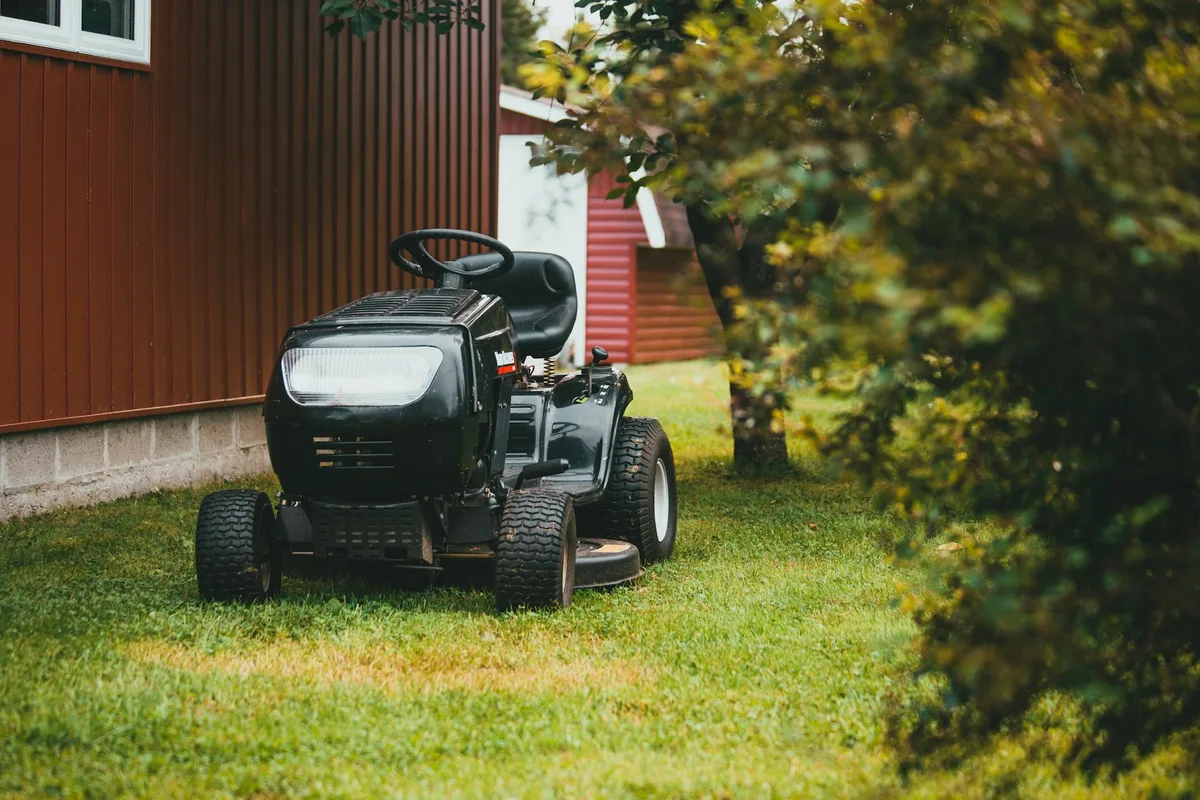
Expect discounts of 20, 40%, particularly on gas push mowers and mid-tier riding models. Battery-powered mowers see smaller cuts (10, 20%) since they’re less seasonal. One caveat: popular sizes (like 21-inch decks) and premium brands (Husqvarna, Cub Cadet) may sell out early. If you’re flexible on color or minor features, you can snag a capable mower for under $300, well below spring pricing.
Black Friday: Mixed Bag—Watch for Marked-Up "Sales"
Black Friday lawnmower deals are notoriously inconsistent. Some retailers do offer genuine discounts, especially on older electric models or discontinued gas engines. But others inflate prices in early November just to “discount” them later, a practice verified by consumer watchdog groups in 2024.
Our advice? Compare Black Friday prices against August, September MSRP, not October tags. True deals appear on mid-range self-propelled mowers ($350, $500 range) and entry-level riding mowers. Avoid impulse buys on “doorbuster” models, they’re often rebranded budget units with shorter warranties.
If you missed fall sales, Black Friday can work, but it’s not the guaranteed win many assume.
Gas vs. Electric: Which Fits Your Lawn and Budget?
This isn’t just about fuel type, it’s a matchup of power, convenience, and long-term cost. Gas mowers dominate for large or tough yards; electric (cordless) wins for ease and eco-friendliness. Corded electric is nearly obsolete due to range limits.

Gas mowers use small internal combustion engines (typically 140, 190cc). They handle thick grass, wet conditions, and slopes better than most electrics. Downsides: oil changes, spark plugs, fuel stabilizers, and louder operation (75, 95 dB). Best for lawns over ¼ acre or properties with heavy weeds.
Battery-powered mowers run on lithium-ion packs (36V, 80V). Modern versions match gas power for small-to-medium yards, with runtimes up to 90 minutes. They’re quieter (<70 dB), emit zero fumes, and need minimal maintenance, just blade sharpening and occasional battery care. Ideal for lawns under ½ acre in moderate climates.
Aggregate reviews indicate battery mowers now hold charge for 2, 3 years with proper storage (keep at 30, 50% charge in winter). Gas models require winterizing, draining fuel or adding stabilizer, to avoid carburetor damage.
Key Features to Match to Your Lawn Size
Picking the right specs prevents frustration. A mower too small for your yard wastes time; one too large is cumbersome and overpriced. Focus on three metrics: cutting width, power source, and drive type.
- Cutting width (deck size):
, Under ¼ acre: 18, 21 inches
, ¼ to ½ acre: 21, 24 inches
, Over ½ acre: 24+ inches (or consider a riding mower)
- Power source:
, Small, flat lawns: 36V, 40V battery
, Medium or hilly lawns: 56V, 80V battery or 160cc+ gas
, Large or overgrown lawns: 190cc+ gas or riding mower
- Drive type:
, Flat, small yards: manual push
, Moderate slopes or medium yards: self-propelled
, Large or uneven terrain: riding or zero-turn
Manufacturer specifications confirm that deck width directly impacts mowing time, every extra inch cuts your passes by roughly 5%. For example, a 21-inch mower takes about 45 minutes for a ¼-acre lawn; a 18-inch model needs 55+. If you’re on the edge of a category, size up, you’ll recoup the cost in saved time within a season.
New vs. Used: Savings vs. Risks
Buying a used lawnmower can save you 30, 50% off retail, but it’s not without trade-offs. Private sellers and refurbishers often offload models with worn engines, degraded batteries, or hidden damage. Our research shows used gas mowers average 2, 3 years of prior use, while battery units lose 15, 20% capacity after 100 charge cycles.
The biggest risk? No warranty. Even reputable refurbishers typically offer 90-day coverage versus 2, 5 years on new models. If you’re handy with small engines, a used gas mower can be a bargain, just budget $50, $100 for fresh spark plugs, oil, and blade sharpening.
Battery-powered used mowers are riskier; lithium-ion cells degrade even when idle, and replacement packs cost nearly half a new mower’s price.
Stick to trusted sources like manufacturer-certified refurbished programs or local dealers with inspection reports. Avoid Craigslist deals that sound too good, stolen or flood-damaged units are common.
How to Spot a Genuine Deal (Not Just a Discount Trap)
Retailers love “sale” tags that inflate original prices. A mower listed as “was $500, now $400” might have never sold at $500. Check historical pricing via tools like CamelCamelCamel or Google Shopping’s price graph. True discounts align with seasonal patterns, fall clearances should undercut spring MSRP by 20% or more.
Watch for bundle gimmicks too. “Free” oil changes or blade sharpening often just pad the total cost. Compare the bundle’s value against buying the mower alone. Also, verify included accessories, some “complete kits” omit essentials like batteries or chargers for electric models.
If a deal seems suspiciously good, check the model number. Older versions (e.g., Toro Recycler 20338 vs. 20339) may lack key updates like improved bagging or quieter operation. Manufacturer websites list current specs, don’t rely on retailer descriptions.
Maintenance Costs: The Hidden Long-Term Price Tag
A cheap mower can cost more over time. Gas models need annual oil changes ($10, $20), spark plugs ($5, $15), and air filters ($10, $25). Blades require sharpening yearly ($10, $20 at shops) or replacement every 3, 5 years ($20, $40). Winterizing adds fuel stabilizer ($5, $10) or carburetor cleaning kits ($15, $30).
Battery-powered mowers skip fluids but need battery replacements every 3, 5 years ($100, $300). Storing batteries at 30, 50% charge in winter extends life, fully charged or dead cells degrade faster. Corded electric mowers have near-zero upkeep but limit your range.
Per ANSI/OPEI standards, well-maintained mowers last 8, 12 years. Skipping upkeep cuts that in half. Factor these costs into your decision: a $300 gas mower with $50/year maintenance beats a $200 model needing $80/year in repairs.
Regional Timing Tips: Climate and Local Sales Cycles
Your local grass-growing season dictates the best buy window. In snowy regions (e.g., Minnesota, Maine), buy in late winter, February or March, to catch pre-season stock before spring rush. Dealers often discount leftover inventory from the previous year.
Warm climates (e.g., Florida, Texas) mow year-round, so sales spread evenly. Look for summer promotions in June, July when demand dips between spring and fall peaks. Coastal areas may see salt-air corrosion on older stock, inspect metal parts carefully in used models.
Local regulations matter too. California’s CARB rules phase out high-emission gas mowers, electric deals spike in August as dealers clear non-compliant inventory. Check your state’s small-engine emissions standards before buying gas.
Final Checklist: When to Buy Based on Your Needs
Match your purchase timing to your priorities:
- Need it now? Buy in spring for full selection and latest tech, but pay full price.
- Want maximum savings? Wait for fall clearances (September, October) for 20, 40% off.
- Upgrading to electric? Spring releases (March, April) offer newest batteries and features.
- Buying used? Shop in late summer when owners sell before winter storage.
- Large property? Prioritize riding mower deals in October, inventory shrinks fastest.
Always cross-check the model number, verify warranty terms, and calculate 5-year ownership costs (purchase price + maintenance). If your lawn’s under ¼ acre, a $250 battery mower bought in fall will outperform a $400 gas model purchased in spring, both in savings and daily use.





