Poking holes in your lawn might feel like a simple chore, but doing it at the wrong time can waste your effort and stress your turf. If you've rented a core aerator only to see no improvement, timing is probably the culprit. The best time of year to aerate lawn depends entirely on your grass type and your local growing season—not the calendar alone.
When you aerate during your grass's peak growth window, the holes become channels for water, oxygen, and nutrients to reach the roots. Aerate during dormancy or drought, and you're just creating stress points that invite weeds and disease. Learn the grass you have and when it actively grows, and you'll know exactly when to schedule this job.
Why Aeration Timing Is So Important
Core aeration relieves soil compaction, reduces thatch buildup, and gives roots room to expand. But the turf needs to be in an active growing phase to recover and fill in the holes. If grass is dormant, it can't heal itself quickly, leaving openings for weeds and disease to take hold.
Think of it like pruning a tree—you would not trim branches in the middle of winter because the plant cannot respond well. Your lawn works the same way. Soil temperature is often a better predictor of success than a specific date. Cool-season grasses respond best when soil temperatures sit between 55°F and 75°F, while warm-season grasses need soil warmth in the 75°F to 90°F range.
First Step: Identify Your Grass Type
You cannot pick the right aeration window until you know what you're growing. The two main categories behave differently.
Cool-season grasses—Kentucky bluegrass, tall fescue, perennial ryegrass—grow vigorously when temperatures are mild in spring and fall. They often go partially dormant during intense summer heat.
Warm-season grasses—Bermuda, Zoysia, St. Augustine—thrive once soil temperatures stay in the mid-70s and hold their green color through late summer. They go dormant and turn brown in winter.
Here is a quick field test to tell them apart:
- Leaf texture: Fine, narrow blades often indicate Bermuda or Zoysia. Wider, softer blades point to fescue or bluegrass.
- Growth pattern: Creeping above-ground runners suggest St. Augustine. Underground rhizome spreading is more typical of Kentucky bluegrass.
- Dormancy timing: If the lawn is brown in winter but green in summer, it is warm-season. Green during cool months with slow summer growth means cool-season.
When you are still unsure, take a small plug of turf to your local university extension office. County extension services routinely identify grass samples as part of their community outreach, and the help is typically free.
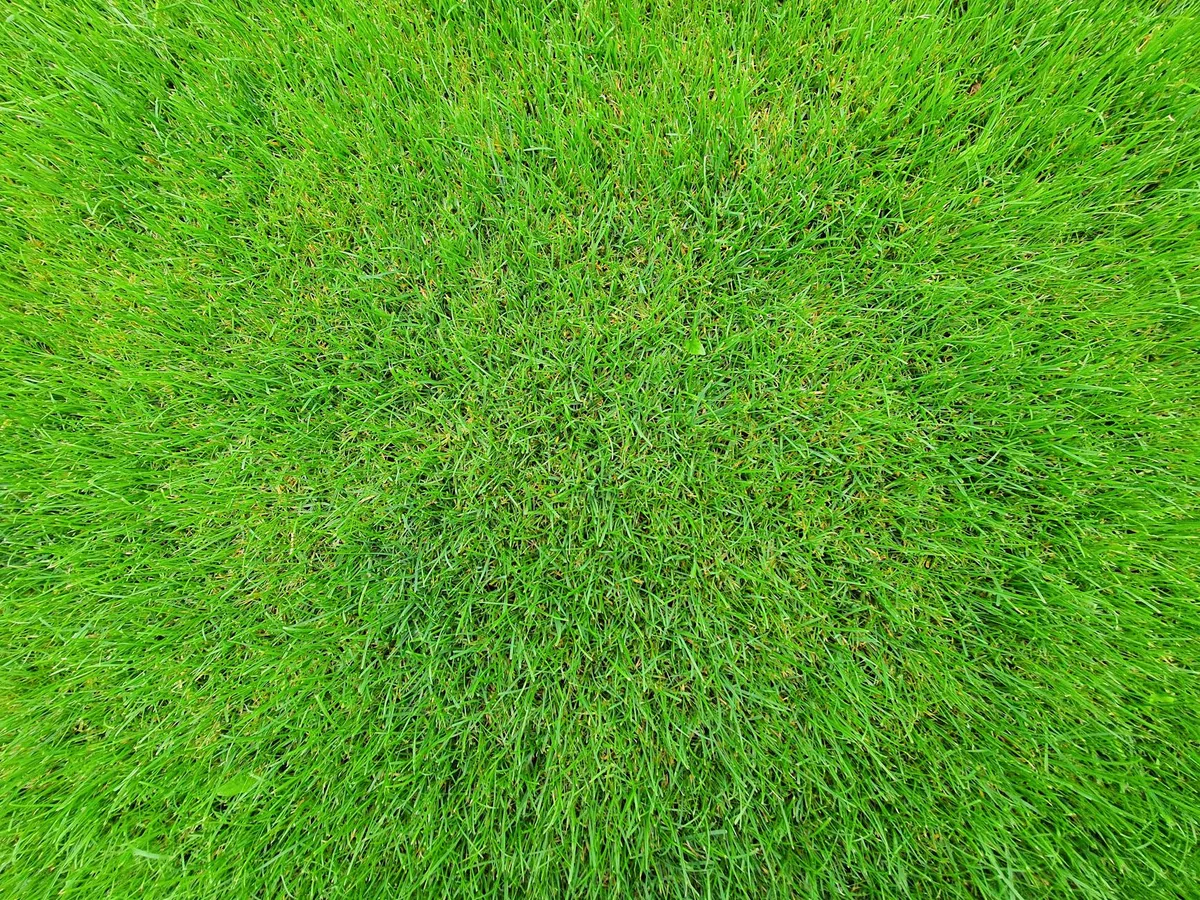
Checking the grass structure before aeration helps you choose the optimal month for your region.
When to Aerate Cool-Season Lawns
The best time to aerate cool-season grass is early fall, typically from late August through mid-October depending on your hardiness zone. The soil retains warmth from summer, while cooler air temperatures reduce stress on the grass. This combination promotes deep root development without heat pressure.
Fall is also the natural window for overseeding. The holes create perfect seed-to-soil contact, and the moderate temperatures give new seedlings the consistent moisture they need to germinate before winter arrives.
Spring aeration can work for cool-season grass, but it carries more risk. Spring brings a burst of weed seed germination, and delaying too long pushes your recovery window into summer heat. If spring is your only option, do it early in the season and pair it with a quality fertilization plan.
You might find more practical guidance in our piece on the best timing for spring care, which compares the two options side by side.
When to Aerate Warm-Season Lawns
Warm-season lawns need late spring to early summer aeration, generally May through June in most southern climates. Wait until soil temperatures consistently reach 75°F and the grass has fully greened up after dormancy. Aerating too early, while the grass is still recovering, can damage tender new growth.
Fall aeration for warm-season types is rarely needed unless you are preparing for winteroverseeding with ryegrass, and even then it should happen in late September rather than deep into fall.
In the transition zone, where cool- and warm-season grasses overlap, the smarter approach is to aerate twice on a split schedule: early fall for the cool-season sections and late spring for the warm-season patches. Just be careful not to aerate both areas in the same month, since each half of the lawn needs its own recovery period.
When NOT to Aerate: Dormancy, Drought, and Damage Risks
Knowing when to skip aeration is just as important as knowing when to schedule it. Avoid these situations:
- Dormant grass: Cold-dormant or summer-dormant turf cannot heal the wounds from aeration. Wait until it is actively growing again.
- Extreme drought: Hard, dry soil resists plug pullers, and the mechanical stress can damage already-stressed roots.
- Newly seeded lawns: Give young turf at least one full growing season before aerating. The roots need time to knit together.
- Soggy soil: Wet soil smears around the tines, especially in clay, and can create compaction instead of relieving it.
- Right after pre-emergent herbicide application: Aeration disturbs the barrier and reduces weed control.
If your lawn is thin or covered with more than a half-inch of thatch, aeration alone will not solve it. You will need to combine it with overseeding, topdressing, or fertilization—but only during the proper growing window.
The Right Conditions: Soil, Weather, and Moisture Checks
Even a perfect calendar date can fail if your soil and weather are not cooperating. Run through these checks the day before you aerate:
- Soil moisture: The soil should feel like a wrung-out sponge. If it is dry, water lightly one to two days ahead. If it is muddy, wait until it dries out.
- Soil temperature: Use a soil thermometer at a four-inch depth. Cool-season grass wants 55–75°F; warm-season grass wants 75–90°F.
- Forecast: Aim for three to five days of mild, rain-free weather after aeration, especially if you plan to overseed.

An accurate soil thermometer reading is the most reliable signal that your lawn is ready.
A quick test: step on the lawn. If your footprint bounces back quickly, the moisture level is right. If the impression lingers, the ground is too wet to work.
University extension turf programs provide detailed guidance on soil conditions for aeration, and your local office can help you interpret a soil test before you start.
Core Aeration vs. Spike Aeration: Why the Method Changes the Timing
Core aeration, which removes small plugs of soil, is the gold standard for relieving compaction and improving root growth. Spike aeration, which pokes holes with solid tines, can actually make compaction worse in heavy clay soils by smearing the sides of the holes.
Core aerators work best when soil is moist enough to hold a plug shape but not so wet that the plug collapses. That is why timing matters so much. On dry, hard soil, a core aerator cannot pull clean plugs, and you lose most of the benefit. Spike aerators are only useful for light surface loosening and should not be used on dense soils.
If you are dealing with serious compaction from foot traffic, vehicles, or new construction, core aeration during the correct growing season is non-negotiable. Spike tools might seem quicker, but they do not address the root issue.
Step-by-Step: How to Aerate at the Right Time
Follow this workflow to get maximum benefit with minimum stress on your turf:
- Mow low: Cut grass to about 1.5–2 inches a day before aerating. This lets the tines reach the soil without fighting tall blades.
- Water lightly: Apply about half an inch of water 24–48 hours ahead. The soil should feel damp, not soaked.
- Mark obstacles: Flag sprinkler heads, shallow irrigation lines, and buried cables before you run equipment.
- Aerate in a grid: Go over the lawn twice—once north-south, once east-west—for even coverage.
- Leave the plugs: Let them dry for a few days, then break them up with a rake or run the mower over them. They recycle nutrients back into the soil.
If you are overseeding, spread the seed immediately after aeration. The holes give seeds direct contact with the soil and align with the germination window for your grass type.
Common Mistakes That Waste Your Effort
Even with perfect timing, a few small errors can undo your work. Watch out for these:
- Aerating too frequently: Once a year is plenty for most lawns. Over-aerating stresses turf and invites weeds.
- Ignoring thatch: If thatch is thicker than half an inch, dethatch first, then aerate.
- Using the wrong equipment: Manual spike aerators are fine for tiny areas, but rent a powered core aerator for anything over 1,000 square feet.
- Skipping post-care: Aeration is not a one-and-done fix. Follow up with watering, fertilizing, or overseeding as needed.
If you accidentally aerated at the wrong time, focus on helping the lawn recover with consistent watering and proper blade height. Routine deck upkeep before your next mowing session will also reduce disease pressure during recovery.
Before you mow again, make sure you are using the proper blade height so the recovering turf does not get scalped.
Regional Guide: Best Months by U.S. Zone
Your hardiness zone provides a useful starting point. Here is a reference table for the most common regions:
| Region | Grass Type | Best Aeration Window |
|---|---|---|
| Northern U.S. (Zones 3–5) | Cool-season | Early September to mid-October |
| Upper Midwest (Zones 5–6) | Cool-season | Late August to late September |
| Transition Zone (Zones 6–7) | Mixed | September for cool-season; May for warm-season |
| Southern U.S. (Zones 8–10) | Warm-season | Late May to early July |
In coastal areas with mild winters, your window may stretch longer, but soil temperature should always override the calendar. Microclimates matter more than zone lines alone. If you are in a specific northern state, check regional planting calendars before you commit to a date.
Should You Aerate in Spring, Fall, or Both?
For cool-season lawns, fall is almost always better than spring. Spring aeration competes with crabgrass germination and leaves less time for roots to establish before summer stress. Fall aeration takes advantage of cooler air and natural rainfall.
Warm-season lawns rarely need fall aeration unless you are overseeding with ryegrass for winter color. Even then, late September is the usual cutoff. Aerating any later gives the warm-season grass no time to recover before dormancy.
The only situation where both seasons make sense is a transition-zone lawn with a mix of grass types. In that case, aerate the cool-season areas in fall and the warm-season areas in late spring—but do not hit the same turf twice in one year unless compaction is severe.
How Often Should You Really Aerate?
Most homeowners overestimate how frequently their lawn needs aeration. If you have average foot traffic, no heavy clay, and no thatch problem, once every two to three years is enough. High-use lawns with kids, pets, or frequent gatherings may need annual aeration, but always within the correct season.
Sandy or loamy soil drains well and resists compaction, so you can stretch the interval even further. Clay soil holds water and compacts easily, making more frequent aeration worthwhile—but never more than once per year. Over-aerating thins turf and opens the door to weeds.
Signs you need aeration now include water pooling after rain, a spongy feel underfoot from heavy thatch, or grass that browns quickly during dry spells despite regular watering.
What to Do Right After Aeration (and What to Skip)
The 48 hours after aeration are critical. Keep foot traffic off the lawn so the grass can redirect energy into root recovery. If you overseeded, water lightly but frequently—just enough to keep the seed moist, not the soil soggy.
- Avoid mowing for at least a week, unless the grass grows excessively tall.
- Hold off on pre-emergent herbicides if you overseeded. They block seed germination.
- Use fertilizer wisely: A starter fertilizer with phosphorus is useful alongside overseeding. A balanced formula is fine for established grass.
Suppressing weeds before aeration usually starts with a clean lawn. Clearing fallen foliage in the weeks before aeration gives the tines better access to the soil.
Renting vs. Buying an Aerator: What Makes Sense?
Renting a core aerator is the smart move for most homeowners. A walk-behind model typically costs $75–$120 per day, which is a small price compared to buying one outright. A quality machine sells for $400–$1,200, and the storage space alone can be a hassle.
Renting makes sense if your yard is over 1,000 square feet or has heavy compaction. For smaller yards under 500 square feet, a manual core aerator works fine and pays for itself in one use.
If you aerate every year and have a large property, buying can break even in three to four seasons. Just factor in maintenance, repairs, and storage. If you do not want to buy a dedicated aerator, the money is often better spent on a larger riding unit that handles regular maintenance across a big property.
Overseeding After Aeration: Timing and Tips
Aeration creates thousands of tiny pockets that are perfect for grass seed. Overseed within 24 hours for the best germination. Choose a seed mix matched to your region and existing grass type—cool-season blends for the north, warm-season blends for the south.
Spread seed evenly with a broadcast spreader at the rate listed on the bag. Lightly rake the surface to improve seed-to-soil contact, then water gently twice a day for the first two weeks. Keep the top inch of soil consistently moist until seedlings reach about an inch tall.
Do not overseed bare spots without aerating first. Compacted soil will not hold seed well, and germination will be spotty. If your lawn is heavy clay, the grass may struggle to root even with aeration; choose a seed variety matched to challenging soil conditions, or amend the soil first.
Final Decision Guide: Pick Your Perfect Aeration Window
Use this quick flowchart to lock in your plan:
- Cool-season grass in the north? Aerate early fall in September.
- Warm-season grass in the south? Aerate late spring in May or June.
- Transition zone with mixed grass? Split your schedule: September for cool-season, May for warm-season.
- Clay soil or heavy use? Add one aeration every two to three years.
- Thin lawn or bare patches? Combine aeration with overseeding in the correct season.
When in doubt, check your soil temperature and watch for active growth. If the grass is growing and the soil is warm, you are in the window. If the turf is dormant or crisp, wait until the next season.

Knowing whether your lawn leans cool-season or warm-season is the first step toward the right aeration date.
Frequently Asked Questions
Is it better to aerate in spring or fall?
For cool-season lawns, fall is better. For warm-season lawns, late spring is better. Aerating during the grass's active growth phase allows the turf to recover quickly and avoids opening the soil to weed pressure.
Can I aerate my lawn in the summer?
Only if you have warm-season grass and soil temperatures are high. Aerating cool-season grass in the middle of summer stresses the turf and can worsen drought damage.
How long after aeration can I mow?
Wait at least one week, or until the grass shows obvious recovery. If you overseeded, wait even longer so the seedlings can develop strong roots.
Do I need to water after aeration?
Yes. If you are not overseeding, water deeply once or twice a week to help roots recover. If you are overseeding, keep the top inch of soil consistently moist until germination.
How many times a year should I aerate?
Once a year at most. Most lawns only need aeration every two to three years. Over-aerating thins the turf and encourages weeds.
The Bottom Line
The best time of year to aerate lawn is tied to the grass's active growth cycle, not the calendar. For cool-season turf, aim for early fall when soil is warm and air is cool. For warm-season turf, wait until late spring after the grass fully greens up. Always verify soil moisture and soil temperature before you start, and leave the plugs on the lawn so they can recycle Nutrients back into the soil. When you match the right timing to the right method, aeration delivers the kind of thick, healthy turf that makes the rest of your lawn care routine easier.





