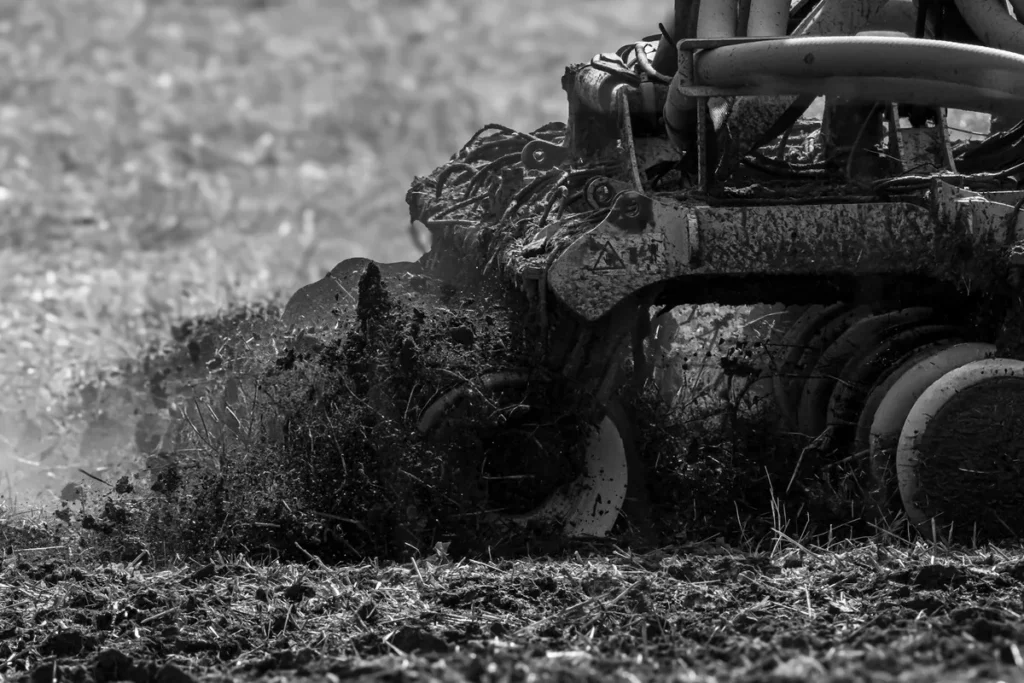
The best time to aerate and overseed lawn is not one date that works everywhere. It depends on your grass type, local climate, soil temperature, and the seasonal rhythms of your particular yard. Get the timing right and new seed settles into open soil, germinates quickly, and fills in thin patches. Get it wrong and you’ll watch the seed wash away, dry out, rot, or get eaten by birds before the roots ever take hold.
Aeration relieves compacted soil. Overseeding introduces new grass seed. But they only work together when you do them at the moment when grass is growing actively and soil conditions give seed a chance to germinate. This guide explains exactly how to find that window, why soil temperature matters more than air temperature, and what to do the day you actually aerate and seed.
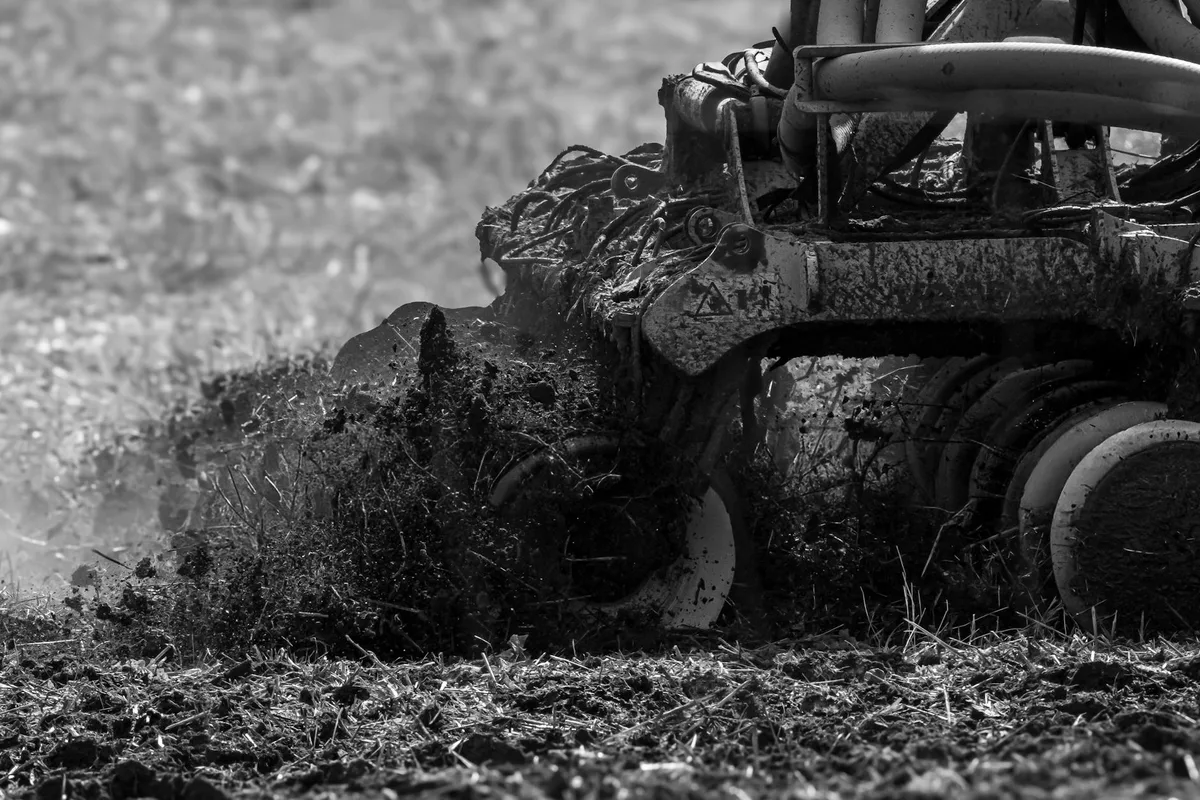
The moisture and soil plugs left behind are a sign that the soil beneath has finally opened up.
Why Timing Changes Everything
Aeration relieves compaction that blocks water, oxygen, and root growth. Overseeding introduces improved grass varieties that can fight off weeds and recover from sun damage. When you combine both at the right time? You get stronger roots, better seed-to-soil contact, and plants that fully root before winter as simple summer stress lands.
The problem is that every grass species has a rhythm. Cool-season grasses grow in spring and fall but there is short in summer heat. Warm-season grasses grow in the heat and turn dormant in winter. If you aerate or overseed while the grass is barely surviving, you are only stressing it further.
The seed itself also has a soil temperature trigger. Plant too early, the seed sits in cold earth without germination. Put it down too late, and the young seedlings are defeated by temperature, drought, frost, or weeds.
Start with Your Grass Type
Your first job is knowing whether you are managing a cool-season lawn or a warm-season lawn. These two groups are completely different calendars, completely different soil-trigger pointers, and you can't know if you are starting from the wrong answer.
| Grass Group | Common Examples | Active Growth | Soil Temp Target | Best Overseeding Window |
|---|---|---|---|---|
| Cool-season | Kentucky bluegrass, tall fescue, ryegrass | Spring and fall | 50–65°F (10–18°C) | Late summer to early fall |
| Warm-season | Bermuda, Zoysia, St. Augustine | Late spring and summer | 70°F and above (21°C+) | Late spring to early summer |
If you are misidentifying your grass, you are likely to aeraiet and overseed at the wrong time. In northern areas, where cool-season grass is nearly always the mix, fall is usually the best window. In southern Bermuda and Zoysia lawns, the exact same treatment is often best done in the spring.
Cool-Season Grasses
Kentucky bluegrass, tall fescue, fine fescue, and perennial ryegrass all stop pushing root growth in the heat of summer. That is what makes their ideal seeding time so predictable: finish your overseeding in early fall, and a soil temperatures fall naturally into the 50–65°F range while the summer heat has not yet dropped out.
The actual timelines depend on germination speed. During the germination phase, perennial ryegrass can sprout in as little as 5–14 days, but Kentucky bluegrass takes around 14–30 days. Because Kentucky bluegrass is so slow, it needs to be down sooner in the fall. You should also adjust the leaf height of your surroundings because bluegrass is extremely sensitive to scalping during recovery. The right mowing height for bluegrass matters for seed recovery.
For most northern regions, the window is late August through mid-October. Ideally, finish at least six weeks before your first hard frost. For northerners in New England, a more precise season-by-season planting schedule can help you narrow down to the week before it starts.
Warm-Season Grasses
Bermuda, Zoysia, and St. Augustine are summer lovers. They turn green when soil approaches 70°F, and they are at their best in spring and midsummer. That is exactly when they expect aeration and overseeding to be done — fertilizing the growth roots before they begin to recover and fill in.
Overseed in late spring or early summer, once the soil thermometer is clearly skipping 70–75°F. Doing it earlier means your seed is locked in an an active root system that is the only thing capable of surviving the heat after germination. Overseeding a warm-season lawn in fall, by contrast, leaves the seed unnoticed; the young plants will never harden off before winter.
Be careful with slow movers. Zoysia doesn't reform from seed as fast as Bermuda; it is far more likely to spread by soil plugs or container root. If you're working with Zoysia, an aeratiation step is still useful, but check into the plug-planting basics before very seed department.
Soil Temperature Is the Real Gatekeeper
Air temperature is what you feel from a forecast, but it is not what grass seed feels. Grass seeds live in the top inch of the soil, so soil temperature is the data that actually decides when germination will happen.
Use a soil thermometer and check 4 inches down, in the middle of your lawn. Do this in the early morning for three consecutive days. When the reading stays near approximately 50–65°F for your cool-season grass, you are in a greenlight. For warm-season lawns, you're waiting for a meaningful temperature of at least 70°F at the four-inch depth.
If you plug in the actual USDA hardiness for reference, the official USDA hardiness map is a good starting point for your region. But your local microclimate can shift the calendar by a week or more, so extension resources like Penn State Extension can be useful for regional cutting education.
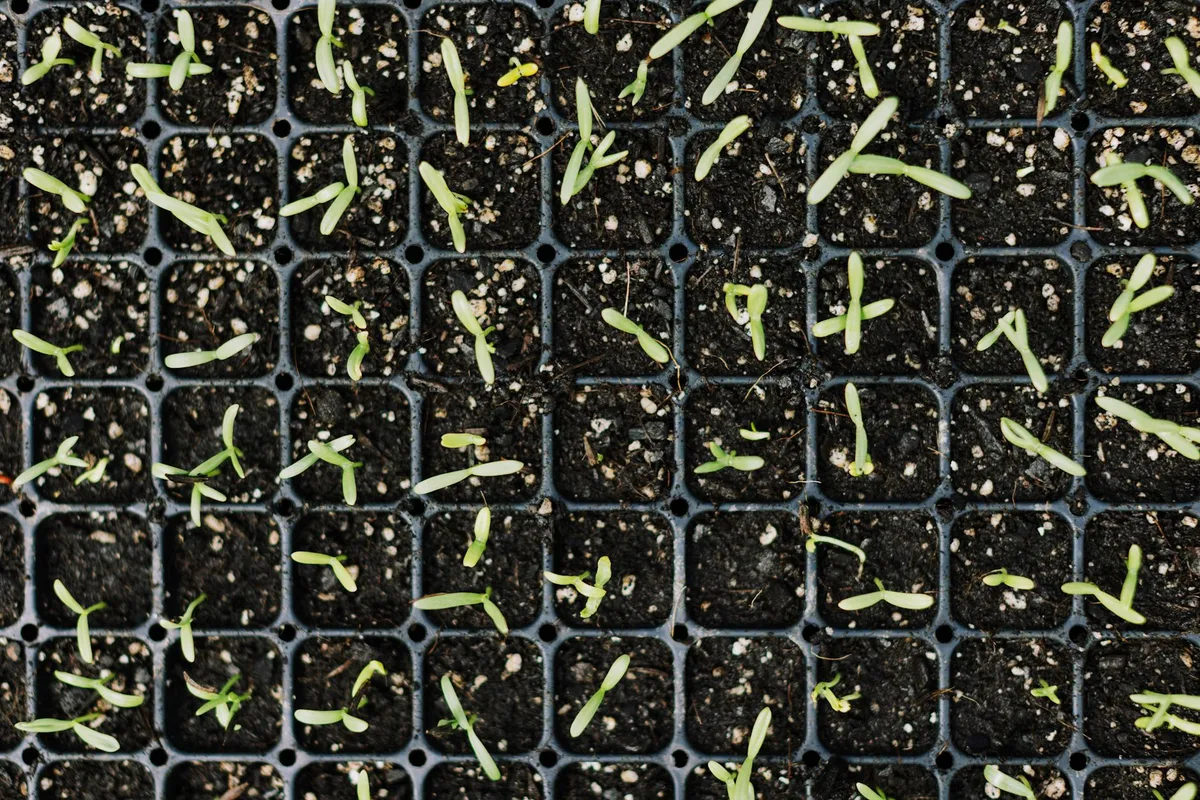
Wait for the thermometer number to stay steady before using it as your start date.
Seasonal Windows by Region
Knowing time is one thing, but lawn location in many ways rules. Recipes from these common zones give you a place to start:
Northern Lawns — Zones 3–6
Late summer to early fall is the golden moment. A northern lawn with cool-season grass is best seeded between late August and mid-October. The soil is still warm from summer while nighttime air is beginning to cool down, and the weed seed pressure is not as severe as in spring.
Spring overseeding in these zones does the same thing, but you have issues with crabgrass pre-emergent that prevents germination. If spring is the only tim, plan for late April or early May, and do not add any type of pre-emergent herbicide that year.
Transition Zone — Zones 6–7
The transition zone is tricky because cool-seasoning and warm-seasoning both may be present. Bermuda might stay green late into the year, while a adjacent fescue is starting to stress. For this unknown turf, fall is usually the better fix.
If you overseed fescue actively into a Bermuda lawn that's going dormant, before Late September is great: the existing Bermuda has stopped competing, the fescue gets the cooler surface immediately for the fertile germinating window. Then if it's a warm-season lawn that is simply thin, do your repair in late spring while it is actively waking healthy.
Southern Zones — 8–10
Warm-seasoning Bermuda and Zoysia dominate here, and the main repair window is spring, most often March into May, once it has risen into soil and plant growth always going. Wait for the lawn to green up slightly before you aerate, then overseed.
These are other southern lawns that lay down annual ryegrass in winter for green color. That's a temporary look, not a long-term seeding. Do not take it as a rehabilitation overseed in winter months; the root system is completely dormant.
Step-by-Step Process for Aeration and Overseed
Timing gives you a good foundation, but finishing correctly is just as important. Speed, seed contact, and water matter.
A Week Before Seeding
A soil pH test or a simple turf test before improves your results. Most cool-season grasses prefer a pH range from 6.0 to 7.0, and warm-seasoning grasses prefer soil conditions in the 5.8 to 7.0 range. Adding lime or sulfur before you seed when the result is obviously off is a huge benefit, and it is much easier to fix the soil at the seed in the same day.
Two or Three Days Before Seedly
Mow your lawn lower than normal, about 1.5 to 2 inches, and if possible bag the grass clippings, so that seed almost hits the soil instead enters piles under old cut grass. Lightly water a day before you plan to core aerate. It should be slightly damp, not soggy.
The Seeding Day
Run a core aeriator over the whole lawn in two directions. We no clear one wide process — one lane to the line, the other crossing at ninety degrees, giving more and more dense aeration coverage. Leave the plugs on the top. They fall apart on their own in a few days and add organic matter.
Use a broadcast spreader to put the seed down in a half-and-half pattern: first half spread long direction longitudinally, second half spread perpendicularly on a line. A light rake or drag-mat performed to gently work the seed into the aeration holes and break the caps.
If your soil is extremely thin, spread ¼ inch of compost over a newly seeded area. That topdressing helps the seed stay moist and adds valuable organic matter.
After Seeding
Keep the top of the soil continuously damp. Do not allow water to pool and soak up. For the first two weeks, that means at least two or three light waterings per day is usually necessary, especially if no rain falls. Once the seedlings start, you gradually transition to deeper water less often.
Delays the first mowing until the new lawn reaches about 3–4 inches in height. Avoid bagging the clippings on the first few cut. If you happen to get heavy foot traffic on the beautiful lawn, place a board or pad so that scattered people do not compress the soil around the seedlings. And if you are working a warm season zone, raise the deck up for your grass necessarily. A hot lawn burns more than just thinking leaf when on the edge of summer; the leaf height gives shade to the soil surface.
You can also use a shade measure and summer stepping from the mowing height.
Common Timing Mistakes to Avoid
Seed and Pre-Emergent Overlaps
Pre-emergent herbicides are dangerous directly against the seed. Crabgrass preventer included slightly, and the seed is supposed to be in that seeding pocket to catch rain. A pre-emergent applied six to eight weeks before seeding makes its germinates absolutely impossible. If your spring plan includes pre-emergent, do not overseed in that season.
Aeration While Parched
Do not aerate soil like dry cement. If the hard ground is without moisture, the aerator tines just bounce off the surface. Make sure the lawn is lightly watered before using a core aerator. On the other hand, do not aerate mud, that just clogs the core and smears the clay soil surfaces.
Spike Instead of Core
Spike aerators can actually increase compaction in heavy clay lawns. They simply push a narrow hole and compact the sides. Core aerators physically remove a plug of soil, which is what you want to create spaces that hold seed, air, and water. The type of tool makes a difference, and that decides your entire process.
Mowe Too Early
When new seedlings are still only 1 inch tall, they are fragile. A single pass of the mower will up-root them. Wait until the turf area averages at least 3 inches high in good seasonal growth, and only take off about a third of the height.
Side-by-Side: Spring vs. Fall
For cool-seasoning, the fall is still the best all-time period. It is because soil is naturally warm, weeds have passed their most aggressive growth, and rainfall tends to be more consistent. New seedlings then have a full cool season to develop roots that survive next in heat.
Spring can be used, but it is push back year-calendar: crabgrass is released later no longer is pre-efficient, the small seeds handle summer heat like under heater, and some weeds directly crowd it out. For a direct fall-vs-spring comparison you can see what stresses at either time.
For warm-seasoning grass in the South, it is reversed: the primary season is late spring into early summer because the soil needs to be truly warm. Fall seed of a warm season grass can lead to winter damage before the production.
If you are in spring and the grass is still dormant and covered largely by leaves, a normal spring mowing schedule is the first sign that the soil is beginning to work. Once the grass at just 3 inches high, your improved lawn mode can start earlier.
Frequently Asked Questions
Can I aerate and overseed your lawn in the same day?
Yes. In fact, that's the most effective way to do it. Aeration pulls soil plugs and opens the surface, then you drop, so it comes directly into those holes and lay the soil around them. Wait more than a week between the two, and the holes may start to close before seed reaches them.
Should I use peak spikes or core?
Core aeration is more practical. Spike cause more holes, but around the hole is tightened, and the compaction on heavy clay is actually worsened. A core/cut aerator removes small soil plugs, creates real space for the roots, and generates a germination seed.
Is it okay to overseed without aeration first?
You can, but the result usually isn't desirable. Seed that drops on the soil surface at the same is more likely to wash away, dry next to a bird snack, or die in touch, thatch, aeration shapes seed-soil contact and provides a huge increase in germination. For small bare patches, raking the soil is enough; for a whole lawn, aerator solves it.
How often do I need to aerate?
If a lawn gets heavy foot traffic from kids, pets, or parties, once in a year in fall is practical. A dormant-looking yard or strong thatch layer is the same. A lower amount friend based on how your recess actually compacts. For most home, annual core aeration before sowing is a strong schedule.
How soon after seeding will I see new grass?
A different seasonal group has a speed difference. Perennial ryegrass can grow in 5–12 days, tall fescu about 7–14 days, and Kentucky bluegrass in 14–30 days. Fine aureum still cloud the season, so don't panic if you've not passing a full ring in the first week. Continuous supply of water is the best way.
Do I need a bucket to catch the aeration debris?
No. The plugs should be left in place. They crumble over the next few days, releasing organic matter, reduce moisture, air, and bacteria back into the root zone. If you’re leaving the cast irritated, so seeding because the seed compatible skin against aer tunnel? Just can wipe yes but avoid raking; the top clean. A light rake can crush them but not dig them out is entirely no.
Conclusion
The root of a successful overseeding project is only about the date on the calendar. The best response is the moment when your soil temperature is appropriate, your species is in active growth, and the chance, as soon as it seeds you. That window differs from region to region, and the winning rule is to measure the soil before you are.
Use a core aeration rather than body uphill. Don't water derived as soaked grass valuable. Keep the pre-emergent away from new seed, and don't walk the mower over until the new seedlings have had a chance to establish. If you align the grass type and the soil conditions for the first time, you'll see that the difference between a thin, hard yard and a thick, resilient turf becomes just a matter of time. And the time is it.





