
Ever wondered how long your iridium spark plugs can last? As a car owner, you want your vehicle to run smoothly and efficiently.
Iridium spark plugs are known for their durability and performance, but how do they really stack up in terms of lifespan? Understanding their longevity can save you time, money, and unnecessary trips to the mechanic. Imagine driving with confidence, knowing your engine is firing on all cylinders.
Curious about what sets iridium spark plugs apart from the rest? Read on to discover the secrets behind their impressive lifespan and how they can keep your car running at its best.
Iridium Spark Plug Basics
Understanding the basics of iridium spark plugs can help you decide if they are the right choice for your vehicle. These plugs are known for their durability and performance, but what exactly sets them apart? Let’s break down the essentials so you know what you’re working with when you choose iridium spark plugs.
What Makes Iridium Special
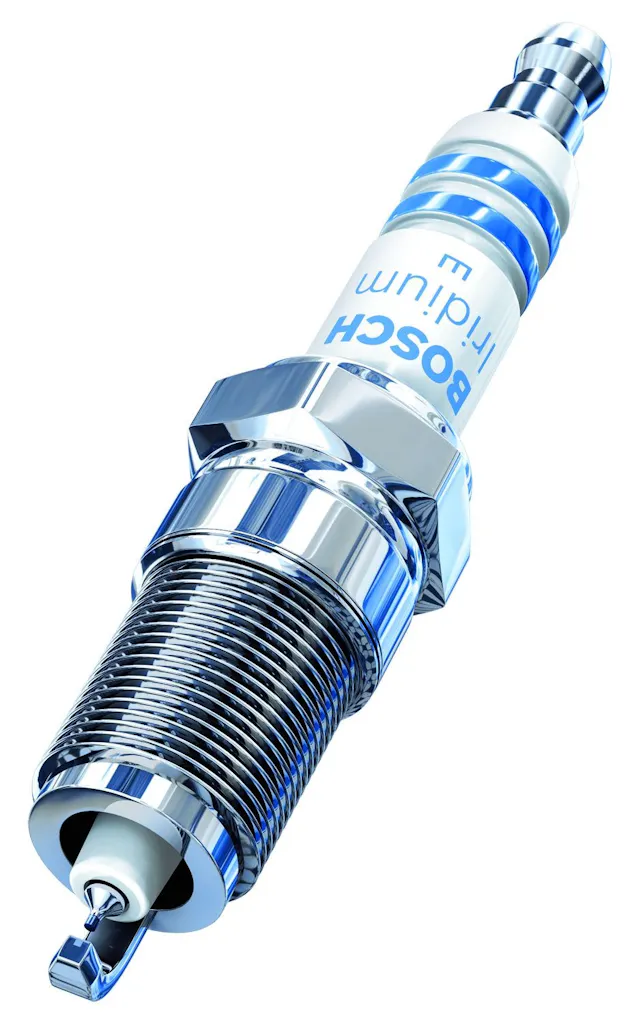
Iridium is a rare metal with a very high melting point—over 2,400°C (4,352°F). This makes iridium spark plugs much more resistant to wear and heat compared to traditional copper or platinum plugs.
The thin iridium tip allows for a smaller electrode, which improves the spark’s efficiency. A sharper spark means better combustion, which can boost your engine’s performance and fuel efficiency.
In my experience, switching to iridium plugs made a noticeable difference in my car’s smoothness and starting reliability, especially in cold weather. Have you ever struggled with rough starts or engine misfires? Iridium plugs might be the solution.
Common Uses In Vehicles
Iridium spark plugs are popular in a wide range of vehicles—from everyday sedans to high-performance sports cars. Manufacturers often recommend them for engines that demand precision and durability.
They’re especially common in newer models and vehicles with advanced ignition systems. If you drive a turbocharged or high-compression engine, iridium plugs can handle the extra stress better than standard plugs.
- Passenger cars aiming for longer maintenance intervals
- Motorcycles requiring reliable ignition under varying conditions
- High-performance vehicles where engine efficiency is critical
- Hybrid and fuel-efficient cars to maximize combustion
Do you know what kind of spark plugs your vehicle uses? Checking your owner’s manual can save you from unnecessary replacements and ensure you get the best performance out of your engine.

Credit: carfromjapan.com
Average Lifespan Of Iridium Spark Plugs
Understanding the average lifespan of iridium spark plugs can help you make smarter decisions about your vehicle’s maintenance schedule. These spark plugs are known for their durability and efficiency, but knowing how long they typically last ensures you get the best performance without unexpected breakdowns. Let’s break down what you can expect and what affects their longevity.
Typical Mileage Range
Iridium spark plugs usually last between 60,000 to 120,000 miles. This range is significantly higher than traditional copper or platinum plugs.
Many drivers find that their iridium plugs perform well for about 100,000 miles before showing signs of wear. However, some manufacturers claim even longer lifespans, sometimes up to 120,000 miles.
Have you checked your vehicle’s manual? It often provides a recommended replacement interval tailored to your specific engine and driving conditions.
Factors Affecting Longevity
Several factors influence how long your iridium spark plugs will last. Driving habits play a big role—frequent short trips or aggressive acceleration can wear plugs out faster.
Engine condition also matters. A well-maintained engine with proper fuel and air mixture helps extend spark plug life. On the other hand, issues like oil leaks or carbon buildup can reduce their lifespan.
- Fuel quality: Lower-quality fuel may cause deposits to form more quickly.
- Driving conditions: Stop-and-go traffic versus highway cruising affects wear.
- Maintenance routines: Regular tune-ups and inspections help catch problems early.
Think about your own driving style. Are you mostly on highways or city streets? This simple insight can help you predict when to inspect or replace your spark plugs.
Signs Of Worn Iridium Spark Plugs
Iridium spark plugs are known for their durability and efficiency. Still, they wear out over time and affect your vehicle’s performance. Recognizing the signs of worn iridium spark plugs helps keep your engine running smoothly. These signs often appear as changes in how your car drives or how the spark plugs look. Knowing these clues can save you from costly repairs and poor engine health.
Performance Issues
Worn iridium spark plugs cause several performance problems. You might notice your engine misfires or runs roughly. The car may hesitate when accelerating or lose power. Fuel efficiency can drop, leading to more frequent stops at the gas station. Starting the engine might take longer or feel weak. These issues show the spark plugs are not firing properly.
Visual Indicators
Visual checks reveal important signs of wear on iridium spark plugs. Look for:
- Electrode erosion or rounding of the tip
- Heavy black soot or carbon deposits
- White or blistered insulator, signaling overheating
- Cracks or chips on the ceramic part
- Oil or fuel fouling on the plug surface
Any of these signs mean the spark plug needs replacement. Regular inspection helps catch problems early and maintain engine health.

Credit: www.impreza5.com
Maintenance Tips To Extend Lifespan
Extending the lifespan of your iridium spark plugs requires more than just choosing the right brand. Proper care and routine maintenance make a huge difference in performance and durability. Let’s look at some practical tips that will help you get the most out of your spark plugs.
Proper Installation
Installing iridium spark plugs correctly is essential to avoid damage and ensure optimal function. Always use a torque wrench to tighten them to the manufacturer’s specifications. Over-tightening can crack the ceramic insulator, while under-tightening may cause poor contact and misfires.
Also, check the gap before installation. The right gap size impacts spark efficiency, so don’t rely solely on factory settings—adjust if necessary. Have you ever skipped this step and later noticed engine hesitation? That’s a clear sign proper installation matters.
Regular Inspections
Inspect your spark plugs regularly to catch wear and deposits early. Look for signs like erosion on the electrode, heavy carbon buildup, or any cracks. These issues can reduce performance and fuel efficiency.
Set a schedule to check them every 20,000 to 30,000 miles, even if they seem fine. Catching small problems early can save you from costly repairs down the road. What’s the last time you peeked under your hood?
Fuel Quality Impact
The quality of fuel you use directly affects the lifespan of your iridium spark plugs. Low-grade fuel often contains impurities that lead to carbon deposits and fouling. These deposits can cause misfires and reduce spark plug life.
Consider using higher-octane or cleaner fuels if your engine demands it. Adding fuel system cleaners occasionally can also help keep deposits at bay. Have you noticed your spark plugs looking dirtier after using a certain fuel brand? That’s a strong indicator fuel quality plays a role.
Comparing Iridium To Other Spark Plugs
Understanding how iridium spark plugs compare to other types is key when deciding what’s best for your vehicle. Different spark plugs offer varied benefits, and knowing these can help you get the most from your engine. Let’s break down how iridium stands out in terms of lifespan and cost-effectiveness.
Lifespan Differences
Iridium spark plugs typically last much longer than copper or platinum plugs. While copper plugs may need replacement every 20,000 to 30,000 miles, iridium plugs often stretch to 60,000 to 120,000 miles.
This longer lifespan is because iridium is a very hard and durable metal, which resists wear and erosion. I once switched my car’s spark plugs to iridium and noticed I didn’t have to replace them for years, saving me time and hassle.
Platinum plugs also offer good durability but usually don’t last as long as iridium. So, if you want fewer replacements and less maintenance, iridium is the better choice.
Cost Vs. Benefit
Iridium spark plugs cost more upfront than copper or platinum versions. You might pay two to three times as much for a set.
However, their longevity often balances out the initial expense. Fewer replacements mean less money spent over time and less frequent trips to the mechanic.
Think about your driving habits—if you drive a lot or want a hassle-free option, spending more now on iridium plugs might save you money and stress later.
Would you prefer paying more once or paying less often but more frequently? This question helps clarify what spark plug type fits your needs best.
Credit: www.moderntiredealer.com
When To Replace Iridium Spark Plugs
Knowing when to replace your iridium spark plugs can save you from unexpected engine troubles and keep your car running smoothly. Unlike standard spark plugs, iridium plugs last longer but still wear out over time. Paying attention to their condition and replacement intervals is key to maintaining optimal engine performance.
Recommended Replacement Intervals
Most manufacturers suggest replacing iridium spark plugs every 60,000 to 120,000 miles. However, this range varies depending on your vehicle’s make, model, and driving habits. Checking your owner’s manual is a good starting point, but don’t rely solely on mileage.
Regular inspections can reveal signs of wear before you hit the mileage mark. If you drive in tough conditions like stop-and-go traffic or dusty environments, consider replacing them earlier. Remember, replacing them on time helps maintain fuel efficiency and smooth starts.
Impact Of Delayed Replacement
Ignoring the replacement schedule can lead to several engine issues. Worn spark plugs may cause misfires, rough idling, or trouble starting your vehicle. These symptoms not only reduce performance but can increase fuel consumption.
Delaying replacement also risks damage to other engine components, leading to costly repairs. I once delayed changing my spark plugs, which resulted in a noticeable drop in acceleration and a higher gas bill. Don’t let small neglect turn into big expenses.
Have you noticed any hesitation or rough engine sounds lately? It might be time to check those iridium spark plugs before the problem worsens.
Choosing The Right Iridium Spark Plug
Choosing the right iridium spark plug is key for your engine’s health and performance. The right plug lasts longer and improves fuel efficiency. It also reduces misfires and keeps your engine running smoothly.
Consider factors like brand trust and engine compatibility. These ensure you get the best spark plug for your vehicle’s needs.
Brand Reliability
Pick a brand known for quality and durability. Reliable brands use better materials and strict testing. This means fewer failures and longer spark plug life. Brands with good reviews often offer warranties. These protect you against early defects and problems. Trustworthy brands have wide availability. So, replacements or upgrades become easier.
Compatibility With Your Engine
Choose plugs that match your engine’s specifications. Check your car manual or manufacturer’s guide for correct type and size. Using wrong plugs can cause poor ignition or damage. Iridium plugs come in different heat ranges. Pick one that fits your engine’s temperature needs. Correct compatibility ensures optimal combustion and power. It also prevents engine knocking and rough idling.
Frequently Asked Questions
How Long Do Iridium Spark Plugs Typically Last?
Iridium spark plugs usually last between 60,000 to 120,000 miles. Their durability is due to iridium’s high melting point. Proper maintenance can extend their lifespan significantly. Always check your vehicle’s manual for specific replacement intervals.
Are Iridium Spark Plugs Better Than Regular Ones?
Yes, iridium spark plugs offer better performance and longevity. They provide improved ignition, fuel efficiency, and reduced emissions. Their fine iridium tip resists wear, lasting longer than copper or platinum plugs. This makes them a cost-effective choice over time.
What Signs Indicate Iridium Spark Plugs Need Replacement?
Common signs include engine misfires, poor acceleration, and rough idling. Increased fuel consumption and difficulty starting the engine also suggest worn plugs. Regular inspection helps detect early wear and maintain optimal engine performance.
Can Driving Habits Affect Iridium Spark Plug Lifespan?
Yes, aggressive driving and frequent short trips can reduce spark plug life. Consistent high RPMs and stop-and-go traffic increase wear. Gentle driving and regular maintenance help maximize their durability and efficiency.
Conclusion
Iridium spark plugs usually last between 60,000 and 120,000 miles. They wear out slower than regular plugs. Regular checks help keep your engine running well. Changing them on time saves you money and trouble. Clean plugs burn fuel better and improve car performance.
Remember, good spark plugs mean smoother starts and less pollution. Keep an eye on your spark plugs for best results. Simple care goes a long way in car health.





