Are your spark plugs not performing as they should? Or maybe you’re just curious about how to keep your engine running smoothly?
Understanding what gapping spark plugs means could be the key to unlocking better engine performance and efficiency. This simple yet crucial maintenance task can make a significant difference in how your vehicle runs. By getting it right, you ensure that your engine receives the optimal spark it needs to operate efficiently.
If you want to maximize your vehicle’s performance and fuel efficiency, learning about gapping spark plugs is essential. Dive into this article to discover how this small adjustment can lead to big improvements, saving you time and money in the long run.
Role Of Spark Plugs
Spark plugs play a vital role in the engine’s operation. They ignite the air-fuel mixture inside the combustion chamber. This ignition starts the engine’s power cycle. Without spark plugs, engines cannot run efficiently or at all.
Spark Plug Function
Spark plugs create a small electrical spark. This spark ignites the fuel and air mix. The ignition produces controlled explosions. These explosions push the pistons down, powering the engine. Spark plugs also help remove heat from the combustion chamber.
Impact On Engine Performance
The condition of spark plugs affects engine smoothness. Worn or incorrectly gapped plugs cause misfires. Misfires lead to rough idling and less power. Properly gapped spark plugs ensure efficient burning. Efficient burning improves fuel economy and reduces emissions. Well-maintained spark plugs help the engine start quickly every time.
What Is Gapping
Understanding gapping is essential if you want your engine to run smoothly and efficiently. Gapping refers to the distance between the electrodes of a spark plug. This small space plays a big role in how well your spark plug ignites the air-fuel mixture inside the engine.
Definition Of Spark Plug Gap
The spark plug gap is the precise distance between the center and ground electrodes on a spark plug. This gap allows the electrical spark to jump across and ignite the fuel in the combustion chamber.
Each vehicle has a recommended gap size, often measured in thousandths of an inch or millimeters. If you’ve ever checked your spark plugs, you might have seen this tiny space, but did you realize how crucial it is?
Why Gap Size Matters
The size of the gap affects the strength and consistency of the spark. A gap that’s too small can cause a weak spark, leading to poor combustion and lower engine performance.
On the other hand, if the gap is too large, the spark may not jump across reliably, causing misfires or difficulty starting the engine. I once experienced a rough idle and hesitation, only to find out my spark plug gaps were off by a fraction—fixing them improved my car’s responsiveness immediately.
Have you checked your spark plug gap recently? Getting this right can save you from costly repairs and keep your engine running at its best.
Tools For Gapping
Gapping spark plugs correctly is crucial for your engine’s performance. The right tools make this task straightforward and precise. Without proper tools, you risk damaging the spark plug or setting an inaccurate gap, which can lead to misfires or poor fuel efficiency.
Common Gapping Tools
You’ll find several tools designed to help set the spark plug gap accurately. Each comes with unique benefits depending on your needs and experience.
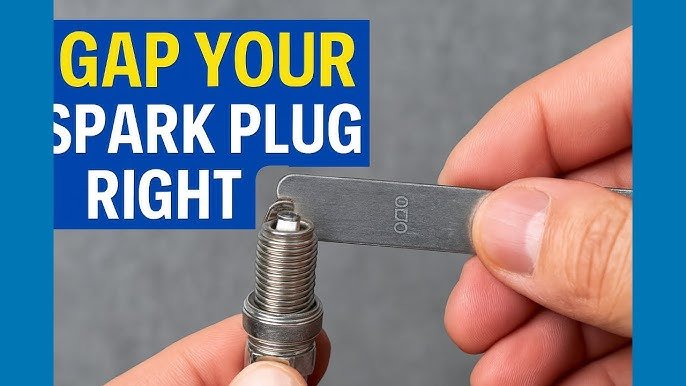
- Feeler Gauges:These are thin metal strips of various thicknesses used to measure and set the gap. They offer precision but require careful handling to avoid bending the electrode.
- Gap Wires or Gap Gauges:These are flexible wires with marked thicknesses. You slide the wire between the electrodes to check the gap. They’re simple and quick but less precise than feeler gauges.
- Coin-Style Gap Tools:These tools have stepped thickness levels resembling coins. They offer a quick reference and can be handy for rough checks.
- Adjustable Gap Tools:Some tools let you bend the ground electrode gently to widen or narrow the gap without risking damage.
How To Choose The Right Tool
Think about how often you’ll be gapping spark plugs and your comfort level with delicate tasks. If you’re a beginner or only adjust gaps occasionally, a gap wire or coin-style tool might be simpler.
If you want pinpoint accuracy, especially for performance tuning, a feeler gauge is the best choice. It’s also a good idea to get an adjustable tool to safely make fine adjustments without damaging the plug.
Ask yourself: do you prioritize speed or precision? What’s your budget? A combination of a feeler gauge and an adjustable gap tool usually covers all bases for most users.
How To Gap Spark Plugs
Gapping spark plugs is a simple task that can improve engine performance. It means setting the distance between the spark plug’s electrodes. This gap affects how the spark ignites the fuel-air mix inside the engine. Correct gapping helps the engine run smoothly and saves fuel.
Step-by-step Gapping Process
- Check the recommended gap size in your vehicle’s manual.
- Use a spark plug gap tool to measure the current gap.
- Slide the tool between the electrodes to see the space.
- Adjust the gap by gently bending the ground electrode.
- Re-measure with the tool to ensure the gap is correct.
- Repeat the adjustment until the gap matches the recommendation.
- Handle the spark plug carefully to avoid damage.
Tips For Accurate Measurement
- Use a flat feeler gauge or a wire gauge for precise checks.
- Measure the gap at several points along the electrode edge.
- Keep the gauge clean and free of oil or dirt.
- Do not force the electrode; it can break or weaken.
- Check the gap before installing the spark plug.
- Double-check the gap after any adjustment.
- Work in a well-lit area to see the electrodes clearly.
Effects Of Incorrect Gapping
Incorrect gapping of spark plugs can seriously affect your engine’s performance. Even a small deviation in the gap size can cause misfires, poor fuel efficiency, and rough idling. Understanding the effects of wrong gapping helps you maintain your engine’s health and save on costly repairs.
Signs Of Too Wide Gap
A gap that is too wide makes it harder for the spark to jump across the electrodes. This often leads to weak or inconsistent sparks, causing your engine to misfire frequently.
- Hard starting or failure to start
- Engine hesitation or stumbling during acceleration
- Increased fuel consumption
- Rough idling or engine surging
- Possible increase in exhaust emissions
Have you ever noticed your car struggling to start on a cold morning? A too-wide spark plug gap could be the culprit behind that frustrating experience.
Signs Of Too Narrow Gap
A gap that’s too narrow may produce a spark that’s too weak to ignite the air-fuel mixture efficiently. This often results in incomplete combustion and reduced engine power.
- Lower engine performance and sluggish acceleration
- Poor fuel economy despite regular driving habits
- Engine knocking or pinging sounds under load
- Carbon build-up on spark plugs due to incomplete combustion
If your vehicle feels less responsive or you notice a drop in fuel mileage, checking the spark plug gap might reveal a too-narrow setting. Adjusting it to the correct specification can restore your engine’s smooth operation.

Credit: www.youtube.com
Manufacturer Gap Specifications
Manufacturer gap specifications are crucial for spark plug performance. Each engine has a recommended gap size. This gap controls the spark that ignites the fuel-air mix. A correct gap ensures efficient combustion and smooth engine operation.
Ignoring the manufacturer’s gap can cause misfires, poor fuel economy, or damage. The specifications are based on engine design and ignition system. Following these guidelines helps maintain engine health and power.
Finding The Right Gap For Your Engine
The spark plug gap is usually listed in your vehicle’s manual. It may also be stamped on the spark plug box. The gap is measured in thousandths of an inch or millimeters.
Use a feeler gauge to check the gap before installation. The spark plug should match the exact specification. Too wide or too narrow gaps reduce engine efficiency.
Adjusting For Performance Upgrades
Performance upgrades might require adjusting the spark plug gap. High-performance engines often need a larger gap for a stronger spark. This helps burn fuel more completely at higher power levels.
Consult upgrade guides or experts before changing the gap. Incorrect adjustments can cause engine knocking or damage. Always test performance after making changes to the spark plug gap.
Maintaining Optimal Spark Plug Gap
Maintaining the correct spark plug gap is essential for your engine’s performance. The gap controls how the spark jumps between the electrodes, affecting combustion efficiency. If the gap is too wide or too narrow, your engine might misfire, waste fuel, or lose power.
Checking and adjusting the gap regularly can save you from costly repairs and improve fuel economy. I once ignored a small gap issue, which led to rough idling and poor acceleration. Fixing the gap brought the engine back to life instantly.
Routine Inspection Frequency
How often should you inspect your spark plug gap? Generally, it’s a good idea to check every 30,000 miles or during routine maintenance. However, if you notice engine hesitation or rough starts, inspect sooner.
Keep a feeler gauge handy and measure the gap carefully. It’s a quick process that can prevent bigger issues. Don’t wait for warning lights to appear—early checks are always better.
When To Replace Spark Plugs
Even with the perfect gap, spark plugs wear out over time. Replace them if you see damaged electrodes, heavy carbon buildup, or persistent engine misfires. Manufacturers typically recommend replacement every 60,000 to 100,000 miles.
Remember, worn plugs can’t maintain the right gap effectively. If you’re unsure, swapping old plugs for new ones is a smart move that can boost your engine’s health and performance.

Credit: www.youtube.com
Common Mistakes To Avoid
Gapping spark plugs might seem straightforward, but many make avoidable mistakes that impact engine performance. Paying attention to the details can save you from costly repairs and frustration. Understanding these common errors helps you get the gap just right for smooth operation.
Over-gapping Risks
Setting the spark plug gap too wide can cause weak or inconsistent sparks. This often leads to engine misfires, rough idling, and poor fuel economy. Have you noticed your car hesitating or stalling after a tune-up? Over-gapping could be the culprit.
Excessive gaps demand more voltage to create a spark, stressing your ignition system. This extra strain may lead to coil or ignition module failure over time. Avoid assuming a larger gap always means better performance; it usually backfires.
Under-gapping Consequences
A gap that’s too narrow reduces the spark’s ability to ignite the fuel-air mixture efficiently. This causes incomplete combustion, resulting in sluggish acceleration and increased emissions. You might feel your engine lacks power or struggles under load.
Under-gapping also encourages carbon buildup on the spark plug, shortening its lifespan. Have you ever wondered why your new plugs start fouling quickly? Too small a gap often plays a major role. Aim for the manufacturer’s specified gap to keep your engine running clean and strong.

Credit: craigscarcare.com
Frequently Asked Questions
What Does Gapping Spark Plugs Mean?
Gapping spark plugs means setting the correct distance between electrodes. This gap ensures proper spark for ignition. Correct gapping improves engine performance and fuel efficiency.
Why Is Gapping Spark Plugs Important?
Proper gapping ensures optimal spark strength. It prevents misfires, rough idling, and poor fuel economy. Correct gaps enhance engine power and smooth operation.
How Do You Measure Spark Plug Gaps?
Use a spark plug gap tool or feeler gauge. Insert the tool between electrodes and adjust until the gap matches specifications. Always follow vehicle manufacturer’s recommended gap.
Can Incorrect Spark Plug Gaps Damage The Engine?
Yes, incorrect gaps can cause misfires and incomplete combustion. This leads to engine knocking, reduced power, and higher emissions. Proper gapping prevents engine damage and maintains efficiency.
Conclusion
Gapping spark plugs helps your engine run smooth and strong. It ensures the spark jumps the right distance to ignite fuel. Without proper gaps, your car might stall or waste gas. Checking and setting the gap is simple and saves money.
Small fixes like this keep your vehicle healthy and lasting longer. Remember, a good gap means better starts and fewer problems. Take a moment to inspect spark plugs regularly. It makes a big difference in your car’s performance and fuel use.





