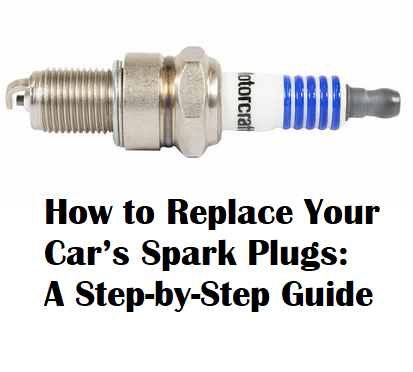
Have you ever felt your car running a bit rough or noticed a drop in fuel efficiency? It might be time to replace your spark plug.
While it may sound technical, swapping out a spark plug is something you can handle with a bit of guidance. Imagine saving money on mechanic fees and enjoying the satisfaction of fixing it yourself. You’ll discover just how simple it can be to keep your engine running smoothly.
Let’s dive in and see how you can master the art of replacing a spark plug with ease. Your car – and your wallet – will thank you.

Credit: www.youtube.com
Signs Of A Worn Spark Plug
Knowing the signs of a worn spark plug can save you time and money. Spark plugs are small but critical parts of your engine’s ignition system. When they wear out, your car’s performance drops noticeably. Recognizing these signs early helps you replace the spark plug before bigger issues arise.
Engine Misfires And Rough Idling
Have you ever felt your engine stutter or jerk while driving? That’s a classic sign of a failing spark plug. When a spark plug wears out, it struggles to ignite the fuel-air mixture consistently, causing the engine to misfire.
Rough idling is another clue. If your engine shakes or vibrates unusually when stopped, your spark plug might not be firing properly. Ignoring this can lead to further engine damage, so it’s smart to check your spark plugs right away.
Poor Fuel Efficiency
Are you filling up your tank more often than usual? Worn spark plugs can cause your engine to burn more fuel than necessary. This inefficiency happens because weak sparks don’t fully ignite the fuel, leading to wasted gas.
Tracking your fuel usage closely helps spot this problem. If your mileage drops suddenly without any change in driving habits, inspect your spark plugs. Swapping out old plugs often restores fuel economy quickly.
Difficulty Starting The Engine
Does your car hesitate or take longer to start? Old spark plugs can make starting your engine a real challenge. Without a strong spark, the fuel-air mixture won’t ignite properly, causing delays or multiple attempts to start.
Think about the last time your car struggled to turn over on a cold morning. That could be a worn plug failing under tough conditions. Replacing spark plugs can bring back smooth, reliable starts every time.

Credit: www.youtube.com
Tools And Materials Needed
Before you start replacing a spark plug, gathering the right tools and materials is crucial. Having everything ready not only saves time but also prevents frustration during the job. You’ll want to make sure your tools fit your specific vehicle model to avoid any damage or hassle.
Spark Plug Socket And Ratchet
A spark plug socket is specially designed to fit spark plugs perfectly. It usually has a rubber insert or magnet inside to hold the plug securely while you remove or install it.
Pair this socket with a ratchet wrench for the leverage you need to loosen or tighten the spark plug. If you’ve ever tried using a regular wrench, you know how awkward and risky it can be.
Choose a socket size that matches your spark plug—commonly 5/8 inch or 13/16 inch. Using the wrong size might strip the plug or damage the threads, which can lead to costly repairs.
Gap Gauge
The gap gauge helps measure the distance between the spark plug’s electrodes. This gap affects how well the spark ignites the fuel-air mixture in the engine.
Even new spark plugs might not have the correct gap for your vehicle, so adjusting it is essential. You can find simple wire gauges or feeler gauges at any auto parts store.
Getting the gap right improves fuel efficiency and engine performance. Have you checked your spark plug gap before installing? It’s a small step that makes a big difference.
Dielectric Grease And Anti-seize Compound
Dielectric grease is a non-conductive silicone-based lubricant that prevents moisture and dirt from causing corrosion on spark plug boots. Applying a small amount inside the boot can make future spark plug changes easier.
Anti-seize compound goes on the spark plug threads to prevent them from sticking in the engine’s cylinder head. This is especially important if you live in a humid or salty environment.
Be cautious not to over-apply anti-seize, as too much can affect the torque reading and cause the plug to be either too loose or too tight. Have you ever struggled with a seized spark plug? These materials save you from that hassle.
Preparing Your Vehicle
Preparing your vehicle properly before replacing a spark plug is essential for safety and efficiency. Taking time to set the right conditions can save you frustration and avoid damage. It also helps you understand your engine better, which is a great skill for any car owner.
Ensure Engine Is Cool
Never attempt to change a spark plug while the engine is hot. Hot engines can cause burns and make the spark plugs harder to remove. Wait at least 30 minutes after turning off your car to let the engine cool down completely.
Have you ever tried working on a hot engine? It’s not only uncomfortable but also risky. Cooling down your engine first protects your hands and tools from heat damage.
Locate The Spark Plugs
Finding the spark plugs can be tricky if you’re unfamiliar with your engine layout. Look for thick wires or ignition coils leading to the plugs. They’re usually positioned on the cylinder head and may be covered by other components.
Check your vehicle’s manual or search online for images specific to your car’s make and model. Knowing exactly where your spark plugs sit saves time and prevents accidental damage to other parts.
Remove Engine Covers If Necessary
Some engines have plastic covers or shields that need to be removed to access the spark plugs. These covers can be secured with screws or clips, so keep a proper screwdriver or socket set handy. Removing these covers carefully avoids breaking fragile parts.
Think about this: skipping this step might lead you to force parts and cause costly repairs. Taking a few extra minutes to remove engine covers properly makes the spark plug replacement process smoother and safer.

Credit: www.youtube.com
Removing Old Spark Plugs
Removing old spark plugs is a crucial step in maintaining your vehicle’s engine performance. It might seem straightforward, but taking the right precautions can save you from damaging delicate parts or facing stubborn plugs stuck in the cylinder head. Let’s walk through the process to ensure you can remove your spark plugs safely and effectively.
Disconnect Spark Plug Wires Or Coils
First, locate the spark plug wires or ignition coils connected to each plug. Gently pull the wire boot, not the wire itself, to avoid damage. If your car has coil-on-plug systems, carefully unbolt and lift the coils straight off.
Have you noticed how easy it is to accidentally tug on the wire and cause a hidden problem? Taking a moment here prevents costly repairs later.
Use Proper Socket To Unscrew Plugs
Use a spark plug socket with a rubber insert to grip the plug securely. Attach it to a ratchet with an extension to reach deep plugs without strain. Turn counterclockwise slowly—if it resists, don’t force it. Applying a little penetrating oil and letting it sit can help loosen stubborn plugs.
Have you ever struggled with a stuck spark plug? Using the right tool makes the job quicker and protects your engine threads.
Inspect Removed Spark Plugs
Once removed, examine each spark plug closely. Look for signs of wear like erosion, carbon buildup, or oil deposits. These clues tell you how your engine is running and if you need more than just a replacement, such as tuning or fixing leaks.
Noticing unusual wear patterns? It’s a chance to catch engine issues before they become serious problems.
Checking And Gapping New Spark Plugs
Checking and gapping new spark plugs ensures your engine runs smoothly. A correct gap helps the spark ignite the fuel-air mix efficiently. Too wide or too narrow a gap causes misfires and poor performance. Always check the gap before installation for the best results.
Verify Manufacturer’s Gap Specification
Find the correct gap size in your vehicle’s manual or on the spark plug box. The gap is usually measured in thousandths of an inch or millimeters. Use this specification to set the new spark plug correctly. Avoid guessing the gap size to prevent engine issues.
Adjust Gap With Gap Gauge
Use a spark plug gap gauge to measure the distance between electrodes. Slide the gauge between the electrodes gently. If the gap is too small, carefully widen it by bending the ground electrode. If it’s too large, close the gap slightly. Repeat measuring until the gap matches the specification.
Apply Anti-seize Compound
Apply a thin layer of anti-seize compound to the spark plug threads. This prevents the plug from sticking in the cylinder head. Use only a small amount to avoid affecting the torque. Proper application makes future removal easier and protects threads from damage.
Installing New Spark Plugs
Installing new spark plugs is a crucial part of maintaining your engine’s performance. Handling this step with care can save you from costly repairs later. Let’s break down how to do it right, so your engine runs smoothly and efficiently.
Insert Spark Plugs Carefully
Start by gently threading the new spark plug into the cylinder head by hand. This prevents cross-threading, which can damage the threads and lead to leaks. Avoid using tools at this stage—feel the plug seat naturally before moving on.
Have you noticed how a simple misalignment can cause major headaches? Taking your time here ensures a perfect fit every time. If the plug doesn’t spin easily, back it out and try again.
Tighten To Recommended Torque
Use a torque wrench to tighten the spark plug to the manufacturer’s recommended specification. Over-tightening can strip threads, while under-tightening can cause poor compression or vibration issues. Check your vehicle manual or spark plug packaging for the exact torque value.
Don’t guess—precision matters. If you don’t have a torque wrench, try to get one; it’s a small investment for long-term engine health. Remember, even hand-tightening without a wrench should feel snug but not forced.
Reconnect Spark Plug Wires Or Coils
After installing the spark plugs, reconnect the spark plug wires or ignition coils carefully. Ensure each wire or coil matches the correct cylinder to maintain the firing order. A misplaced wire can cause misfires, rough idling, and poor fuel economy.
Press the boot firmly onto the plug until you feel or hear a click. Loose connections reduce spark efficiency and can leave you wondering why your engine isn’t running right. Double-check your work before closing the hood.
Final Checks And Testing
After installing a new spark plug, final checks and testing ensure everything works well. These steps help spot issues early. Proper checks improve engine performance and prevent future problems. Follow this simple guide to confirm your spark plug replacement was successful.
Double Check Connections
Check the spark plug wire or ignition coil connection carefully. Make sure it fits tightly and does not wiggle. Loose connections cause misfires and poor engine performance. Inspect the spark plug boot for cracks or damage. Replace any damaged parts before starting the engine.
Start Engine And Listen For Smooth Operation
Turn on the engine and listen closely. The engine should run smoothly without hesitation or rough idling. Pay attention to any unusual sounds like popping or sputtering. These may mean a spark plug is not firing correctly. If the engine runs rough, turn it off and recheck the spark plug and connections.
Monitor Performance And Fuel Economy
Drive your vehicle normally for a few days. Notice any changes in acceleration and power. Improved fuel economy often follows a good spark plug replacement. Watch for reduced engine misfires and smoother running. If problems persist, re-inspect the spark plug or consult a mechanic.
Frequently Asked Questions
How Often Should Spark Plugs Be Replaced?
Spark plugs usually need replacement every 30,000 to 100,000 miles. Check your vehicle’s manual for exact intervals. Regular replacement ensures optimal engine performance and fuel efficiency. Worn spark plugs can cause misfires and poor acceleration, so timely replacement is crucial.
What Tools Do I Need To Replace Spark Plugs?
You need a spark plug socket, ratchet wrench, extension bar, and a gap gauge. Additionally, use a torque wrench to tighten plugs to the manufacturer’s specifications. Having anti-seize lubricant and dielectric grease can also help during installation.
How Do I Check If A Spark Plug Is Faulty?
Look for signs like worn electrodes, heavy deposits, or cracks on the spark plug. Engine misfires, rough idling, or poor fuel economy also indicate faulty plugs. Use a multimeter or spark tester to confirm if the spark plug is malfunctioning.
Can I Replace Spark Plugs Myself Safely?
Yes, with basic mechanical skills and the right tools, you can replace spark plugs safely. Ensure the engine is cool before starting. Follow your vehicle’s manual instructions carefully to avoid damaging threads or electrical components.
Conclusion
Replacing a spark plug can save you money and keep your engine strong. Follow each step carefully to avoid mistakes. Use the right tools and check the gap before installing. A clean spark plug helps your car run smoother and use fuel better.
Regular checks prevent bigger problems later. Take your time, and don’t rush the job. With practice, this task becomes easier. Now, your engine will start easier and run more reliably. Simple care makes a big difference.





