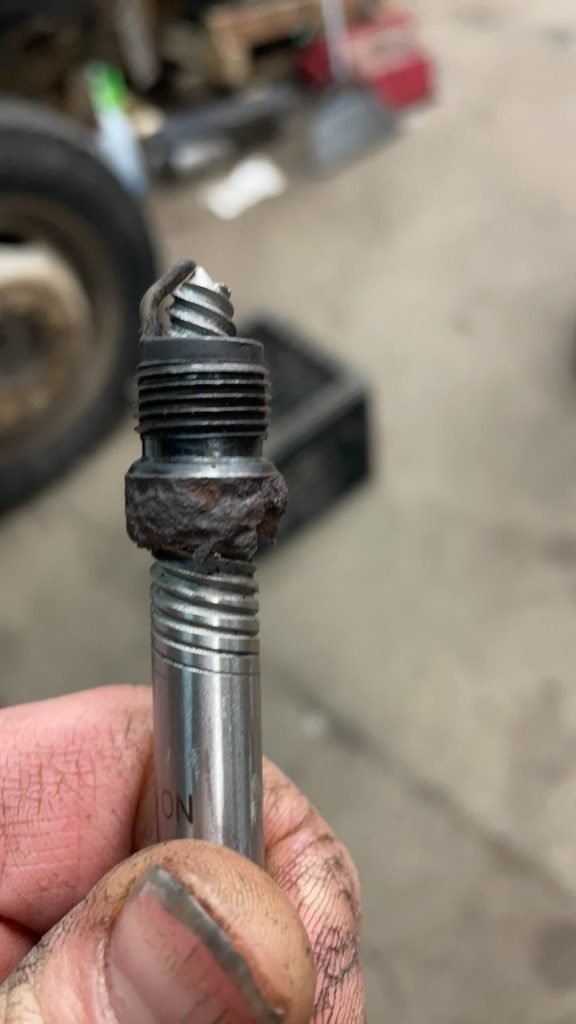
You’re in the middle of a routine car maintenance job when you hit a major roadblock: a broken spark plug. This tiny piece of equipment can turn into a massive headache if it snaps off in your engine.
Don’t worry, though—you’re not alone, and you’re certainly not stuck. Imagine feeling the confidence of a seasoned mechanic as you tackle this issue head-on. In this guide, you’ll discover straightforward steps to free that broken spark plug without the stress.
Say goodbye to frustration and hello to a smooth-running engine. Ready to dive in and get your hands a little dirty? Let’s get that spark plug out and your car back on the road.

Credit: www.odyclub.com
Tools Needed
Getting a broken spark plug out of your engine can be frustrating without the right tools. Having the proper equipment not only makes the job easier but also prevents damage to your engine components. Let’s break down the tools you’ll need to tackle this task effectively.
Essential Tools
- Socket wrench with spark plug socket:A deep socket designed specifically for spark plugs helps you reach and turn the plug without slipping.
- Breaker bar or ratchet:Adds the leverage you need to loosen tight spark plugs, especially if they’ve been in place for a long time.
- Penetrating oil:Applying this can loosen rust or debris that might be holding the broken spark plug in place.
- Magnetic pickup tool:Useful for retrieving small broken pieces that might fall into the engine.
- Safety gloves and goggles:Protect your hands and eyes from sharp fragments or debris during the removal process.
Optional Tools For Stubborn Plugs
- Spark plug extractor kit:This specialized tool grips the inside of the broken plug, allowing you to twist it out when a socket won’t fit.
- Left-hand drill bits:These can sometimes drill into the broken plug and unscrew it as you drill.
- Compressed air:Blowing out debris before and after loosening the plug keeps the area clean and reduces the risk of damage.
- Torque wrench:While not necessary for removal, it ensures proper tightening when installing a new spark plug afterward.
Have you ever tried pulling out a broken spark plug without the right tools? It’s easy to damage your engine or make the problem worse. Investing in these tools saves you time and frustration, turning a tough job into a manageable one.
Safety Precautions
Handling a broken spark plug requires careful attention to safety. Ignoring precautions can lead to injury or damage to your engine. Before you start, make sure you understand the risks and prepare properly.
Protective Gear
Always wear safety glasses to protect your eyes from metal shards or debris. Gloves are essential to shield your hands from sharp edges and hot engine parts. Consider wearing long sleeves to prevent scratches and burns while working in tight spaces.
Have a fire extinguisher nearby. Working with spark plugs involves dealing with flammable fuel residues, so safety is not just about personal protection but also fire prevention.
Preventing Engine Damage
Disconnect the battery before you begin to avoid accidental electrical shocks. Use the correct tools to prevent stripping the spark plug socket or breaking the plug further. Applying too much force can damage the cylinder head, so work patiently and steadily.
Have you ever tried pulling out a broken spark plug only to strip the threads? Using a proper extraction tool or drill bit designed for spark plugs can save you from costly repairs. Keep your workspace clean to avoid dirt entering the engine during the process.
Preparing The Area
Preparing the area before removing a broken spark plug is crucial. It helps prevent dirt or debris from falling into the engine, which can cause more damage. Taking time to set up the workspace properly saves you frustration and extra repairs later on.
Cleaning Around The Plug
Start by cleaning the area around the spark plug thoroughly. Use compressed air or a soft brush to remove dust, dirt, and grease. This step reduces the risk of contaminants entering the cylinder once the broken plug is out.
If you don’t have compressed air, a vacuum cleaner can work well to suck up loose debris. Wiping the surface with a clean rag soaked in a mild degreaser also helps, but avoid pushing dirt deeper into the hole.
Accessing The Spark Plug
Accessing the broken spark plug often means removing engine covers, wires, or other components blocking your way. Check your vehicle’s manual for the exact location and any specific instructions.
Make sure you keep all removed parts organized so you can easily reassemble everything afterward. Having a magnetic tray or small containers for bolts and screws can be a lifesaver.
Are you prepared to spend a bit of time here? Rushing through this step might make the removal process harder or cause accidental damage to nearby parts.

Credit: www.reddit.com
Removing The Broken Spark Plug
Removing a broken spark plug can be tricky but possible with the right tools. The key is to stay patient and avoid damaging the engine’s threads. Use gentle force and take your time. Here are some simple ways to extract a broken spark plug safely.
Using A Spark Plug Extractor
A spark plug extractor is a special tool designed for this task. It grips the broken plug securely and helps turn it out. Insert the extractor into the spark plug hole carefully. Turn it counterclockwise slowly to loosen the plug. Avoid rushing to prevent thread damage. The extractor’s design gives you better control and grip.
Applying Penetrating Oil
Spraying penetrating oil can loosen stuck spark plugs. Spray the oil around the broken plug and let it sit for 10-15 minutes. The oil seeps into tight spaces and reduces rust or corrosion. This makes turning the plug easier. Repeat the process if the plug still feels tight before trying to remove it.
Using Pliers Or Vice Grips
If part of the spark plug is exposed, use pliers or vice grips. Grip the broken piece firmly but gently. Turn slowly to unscrew the plug from the engine. Avoid squeezing too hard to prevent further breakage. These tools give you more leverage for stubborn plugs.
Dealing With Stuck Or Stripped Plugs
Dealing with stuck or stripped spark plugs can be tricky. These plugs often refuse to budge, making removal tough. The metal threads may have fused due to heat or corrosion. Stripped plugs lose their grip, complicating the process. Careful techniques can prevent damage to the cylinder head. Patience and the right tools are key to success.
Heating The Cylinder Head
Heat expands metal, loosening stuck spark plugs. Use a heat gun or propane torch carefully. Avoid overheating to protect engine parts. Apply heat around the plug area for a few minutes. Let the metal expand and contract naturally. This process helps break the rust and corrosion bonds. Always cool the area slowly after heating.
Tapping And Loosening Techniques
Gentle tapping can break rust seals around the plug. Use a small hammer or a wrench handle for tapping. Tap lightly around the spark plug base. Avoid hard hits that might crack the cylinder head. After tapping, try turning the plug with a socket wrench. Use steady, even pressure to avoid stripping threads. Repeat tapping and loosening until the plug moves freely.
Credit: www.bmwlt.com
Installing A New Spark Plug
Installing a new spark plug is a crucial part of keeping your engine running smoothly after removing a broken one. The right installation ensures proper engine performance and prevents future damage. Paying attention to details like thread cleanliness and torque can save you from costly repairs down the road.
Cleaning The Threads
Before you put in the new spark plug, make sure the threads in the cylinder head are clean and free from debris. Dirt or old thread sealant can cause the spark plug to seat improperly or even damage the threads.
Use a thread chaser or a clean wire brush to gently clean the threads. Avoid using excessive force; you want the threads smooth, not worn out.
Have you ever tried installing a spark plug without cleaning the threads first? The resistance you feel is a sign that dirt is trapped, which can lead to cross-threading or poor connection.
Proper Torque Application
Applying the correct torque when tightening your new spark plug is essential. Too tight, and you risk stripping the threads or cracking the ceramic insulator. Too loose, and the spark plug may come loose or cause poor engine performance.
Check your vehicle’s manual for the recommended torque specs. If you don’t have a torque wrench, you can tighten the spark plug by hand until it’s snug, then give it a small additional turn—usually about a quarter turn.
Remember, over-tightening is a common mistake that can lead to expensive repairs. How confident are you in your ability to feel the right tightness without a torque wrench?
Preventing Future Breakage
Preventing future breakage of spark plugs saves time and money. Taking simple steps helps keep spark plugs intact and your engine running smoothly. Careful handling and regular checks reduce the risk of damage. A few good habits make a big difference.
Regular Maintenance Tips
- Check spark plugs during routine vehicle service.
- Clean spark plug threads gently to avoid dirt build-up.
- Use a torque wrench to tighten plugs to the right level.
- Replace spark plugs on schedule, usually every 30,000 miles.
- Inspect spark plug wires for cracks or wear.
- Keep the engine area clean to prevent debris damage.
Choosing The Right Spark Plugs
Select spark plugs that match your vehicle’s specifications. Use plugs recommended in the owner’s manual. Avoid cheap or incompatible spark plugs that may break easily. Consider plugs made with durable materials like iridium or platinum. These last longer and resist wear better. Proper plugs improve engine performance and prevent damage.
Frequently Asked Questions
How Do I Remove A Broken Spark Plug Safely?
Use penetrating oil to loosen the plug. Let it sit for 15 minutes. Use a spark plug extractor tool carefully to avoid damaging the threads. Work slowly and avoid forcing the plug out.
What Tools Are Needed To Extract A Broken Spark Plug?
You need penetrating oil, a spark plug extractor, a ratchet wrench, and possibly a drill. These tools help loosen and carefully remove the broken spark plug without damaging the engine.
Can I Remove A Broken Spark Plug Without Special Tools?
It’s possible but not recommended. Special tools ensure you don’t damage the cylinder head. Using common tools risks stripping threads or breaking the plug further.
How Long Does It Take To Remove A Broken Spark Plug?
It usually takes 15 to 30 minutes depending on the plug’s condition. Patience and careful work are essential to avoid damaging engine parts.
Conclusion
Removing a broken spark plug takes patience and the right tools. Start slowly and avoid forcing parts. Keep your workspace clean and organized. Small steps prevent bigger problems later. With care, you can fix it yourself. This saves time and money.
Remember, safety always comes first during repairs. Practice makes the process easier next time. Don’t rush; take your time to avoid damage. This simple guide can help you handle spark plug issues confidently.





