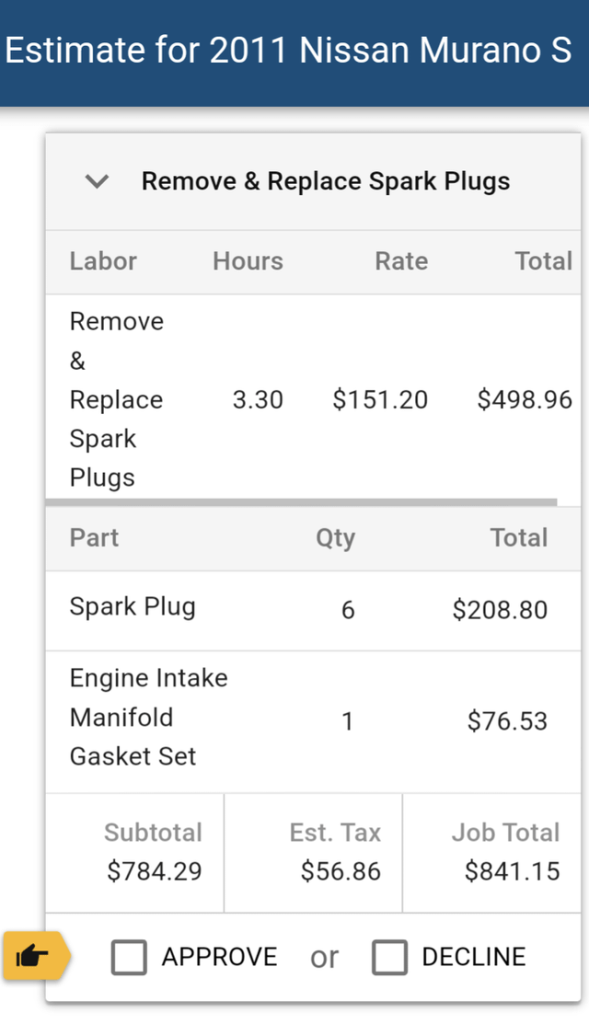
Ever wondered how much replacing your spark plugs will set you back? You’re not alone.
Whether you’re hearing odd noises from your engine or your car just isn’t running as smoothly as it used to, spark plug replacement might be on your to-do list. But before you head to the mechanic, it’s crucial to know what costs to expect.
Understanding the price range can help you make informed decisions and avoid any surprises. We’ll break down the expenses involved in replacing spark plugs, helping you to plan your budget and ensure your car continues to run efficiently. Stick around to learn how you can save money while keeping your vehicle in top shape.
Factors Influencing Spark Plug Replacement Cost
Understanding the factors that influence spark plug replacement cost can help you plan your vehicle maintenance budget more effectively. These costs vary widely depending on several key elements. Knowing what affects the price lets you make smarter decisions and avoid unexpected expenses.
Type Of Spark Plugs
The type of spark plug you choose plays a big role in the total cost. Standard copper plugs are usually the cheapest option, but they don’t last as long. Iridium or platinum spark plugs cost more upfront but can improve performance and last much longer, which might save you money over time.
Have you ever paid more for a part only to replace it again soon after? Investing in higher-quality spark plugs can reduce how often you need replacements.
Vehicle Make And Model
Your vehicle’s make and model significantly affect spark plug costs. Luxury or performance cars often require specialized spark plugs that are pricier. Additionally, some models have harder-to-reach spark plugs, increasing labor time and overall expense.
Think about your last maintenance visit—did the mechanic mention anything about your car’s specific parts being costly or complicated to replace?
Labor Charges
Labor costs vary depending on the mechanic’s rates and how difficult the replacement is. If your spark plugs are easy to access, expect lower labor fees. However, some engines require removing other components, which can increase labor time and cost.
Checking local labor rates and asking for an estimate beforehand can prevent surprises when you pick up your car.
Additional Repairs
Sometimes, replacing spark plugs reveals other issues like worn ignition coils or damaged wiring. These additional repairs add to your total bill. It’s smart to budget for potential extra costs, especially if your vehicle hasn’t been serviced recently.
When was the last time you had a full ignition system check? Ignoring small problems can lead to bigger, costlier repairs later.

Credit: www.whocanfixmycar.com
Average Cost Breakdown
Understanding the average cost breakdown for spark plug replacement helps plan your budget. Costs depend on parts, labor, and whether you choose to do it yourself or hire a professional. Knowing these details avoids surprises and guides smart decisions.
Parts Price Range
Spark plugs vary by type and brand. Standard plugs usually cost between $2 and $10 each. High-performance or platinum plugs can range from $10 to $30 each. Vehicles with more cylinders require more spark plugs, increasing total parts cost.
Labor Cost Estimates
Labor costs depend on the vehicle and location. Mechanics typically charge $40 to $100 per hour. Most spark plug replacements take 1 to 2 hours. Expect labor fees between $40 and $200 in total. Some cars have harder-to-reach plugs, raising labor time and cost.
Diy Vs Professional Replacement
Replacing spark plugs yourself saves money on labor. Basic tools and knowledge are necessary. Mistakes can cause engine damage or poor performance. Professionals ensure proper installation and avoid risks. Choose DIY only if confident with car maintenance. Otherwise, hire a trusted mechanic for safety and quality.
When To Replace Spark Plugs
Knowing when to replace your spark plugs can save you from costly repairs and keep your engine running smoothly. Spark plugs don’t last forever, and timing their replacement correctly helps maintain fuel efficiency and engine power. Let’s look at some clear indicators and guidelines to help you decide the right moment for a spark plug change.
Mileage Guidelines
Most manufacturers recommend replacing spark plugs every 30,000 to 100,000 miles, depending on the type of spark plug and your vehicle model.
Standard copper plugs usually need replacement closer to 30,000 miles, while platinum and iridium plugs can last up to 100,000 miles.
If you drive mostly in stop-and-go traffic or harsh conditions, consider replacing them sooner to avoid performance issues.
Signs Of Worn Spark Plugs
Pay attention to how your car behaves. If you notice rough idling, trouble starting, or decreased fuel economy, worn spark plugs might be the cause.
You might also experience engine misfires or a noticeable drop in acceleration.
In some cases, your car’s check engine light may come on, signaling a spark plug or ignition issue.
Impact On Engine Performance
Worn spark plugs can cause incomplete combustion, which lowers engine efficiency and power.
This leads to increased fuel consumption and higher emissions, affecting both your wallet and the environment.
Replacing spark plugs at the right time ensures your engine fires properly, delivering smooth acceleration and reliable performance every time you hit the road.
Choosing The Right Spark Plugs
Choosing the right spark plugs is key to your car’s performance and fuel efficiency. The right plug ensures smooth engine operation and prevents misfires. Different cars need different spark plugs based on engine type and driving conditions. Knowing the types, heat ranges, and brands helps make a smart choice.
Material Types
Spark plugs come in various materials, affecting durability and performance. Copper plugs are common and affordable but wear out faster. Platinum plugs last longer and offer better performance than copper. Iridium plugs are the most durable and provide excellent spark quality. They cost more but often save money over time by lasting longer.
Heat Range Considerations
Heat range shows how fast a plug clears heat from the combustion chamber. A colder plug handles higher engine temperatures. A hotter plug works better in cooler engines or stop-and-go driving. Choosing the correct heat range prevents engine knocking and fouling. Always select plugs suited to your vehicle’s engine specs and driving style.
Brand Comparisons
Many brands offer quality spark plugs, but some stand out for reliability. NGK and Bosch are popular for their consistent quality and wide availability. Denso plugs often fit Asian car models well and have good durability. AC Delco is a trusted brand for GM vehicles. Checking reviews and warranties helps pick the best brand for your needs.
Tips To Reduce Replacement Costs
Reducing spark plug replacement costs doesn’t have to be complicated or expensive. With a few smart habits and a bit of planning, you can keep your vehicle running smoothly without breaking the bank. Let’s look at practical tips that can help you save money while ensuring your car performs at its best.
Regular Maintenance
Keeping up with your car’s regular maintenance schedule is key to avoiding unexpected spark plug problems. Clean spark plugs and timely inspections prevent damage that leads to costly replacements.
Have you ever skipped a routine check only to face a bigger repair bill later? Staying on top of maintenance helps you catch small issues early, saving money in the long run.
Buying Parts Online
Shopping for spark plugs online often gives you access to better prices than local stores or dealerships. You can compare brands and read customer reviews to pick quality parts without overspending.
Just be sure to verify compatibility with your vehicle’s make and model. Buying the right spark plug online can cut your part costs by up to 40%.
Combining Repairs
Does your car need other repairs? Combining spark plug replacement with other scheduled services, like oil changes or air filter replacements, can reduce labor costs.
Mechanics typically charge less per job when you bundle services. Next time you visit your auto shop, ask if combining repairs can save you money.

Credit: www.youtube.com
Common Mistakes To Avoid
Replacing spark plugs is essential for vehicle health. Avoiding common mistakes saves money and effort. Many drivers face issues by overlooking simple errors. Knowing these pitfalls helps maintain engine performance and reduces repair costs.
Ignoring Symptoms
Ignoring signs like rough idling or poor fuel economy can worsen engine damage. Early spark plug issues show through misfires or slow acceleration. Delaying replacement increases repair expenses. Always check for warning signs promptly.
Using Wrong Spark Plugs
Choosing incorrect spark plugs harms engine efficiency and lifespan. Different cars require specific types based on size and heat range. Using incompatible plugs may cause poor ignition or damage. Always verify the right spark plug for your vehicle model.
Skipping Professional Help
Attempting spark plug replacement without expert knowledge risks improper installation. Incorrect gaps or torque can lead to engine problems. Professionals ensure the job is done safely and correctly. Their skills prevent costly mistakes and extend vehicle life.

Credit: www.reddit.com
Frequently Asked Questions
How Much Does Spark Plug Replacement Cost On Average?
The average cost for spark plug replacement ranges from $100 to $300. Labor and parts influence the price. High-performance vehicles may cost more. DIY replacements reduce expenses. Prices vary by location and vehicle model.
What Factors Affect Spark Plug Replacement Price?
Replacement cost depends on spark plug type, vehicle model, labor rates, and location. Iridium or platinum plugs cost more. Complex engine designs increase labor time. Dealerships typically charge higher prices than independent shops.
How Often Should Spark Plugs Be Replaced?
Spark plugs typically last 30,000 to 100,000 miles. Check your vehicle’s manual for specific intervals. Worn plugs cause poor fuel economy and engine issues. Regular replacement ensures optimal engine performance and fuel efficiency.
Can I Replace Spark Plugs Myself To Save Money?
Yes, DIY replacement can save money. Ensure you have the right tools and knowledge. Follow vehicle manual instructions carefully to avoid damage. If unsure, professional service is recommended for safety and accuracy.
Conclusion
Spark plug replacement costs vary by car and location. Parts usually cost between $5 and $20 each. Labor fees depend on the mechanic’s rates and time taken. Regular replacement keeps your engine running smoothly. Ignoring worn spark plugs can cause poor fuel economy.
Budgeting for this maintenance helps avoid bigger repairs later. Check your car’s manual for recommended replacement intervals. Staying on schedule saves money and prevents breakdowns. Simple and affordable care protects your vehicle’s performance.





