
Are you hearing strange noises from your engine or noticing a dip in your car’s performance? It might be time to replace your spark plugs.
But how much will it really cost you? Understanding the cost of getting your spark plugs replaced can save you from unexpected expenses and help you make informed decisions about your vehicle’s maintenance. We’ll break down the factors that influence the price and help you get the best deal.
Stay with us as we uncover tips and insights that could keep your engine running smoothly without burning a hole in your wallet.

Credit: www.amazon.com
Spark Plug Replacement Costs
Understanding the cost of spark plug replacement helps you plan your car maintenance budget better. Spark plugs are crucial for your engine’s performance, and knowing what influences their replacement cost lets you avoid unexpected expenses. Let’s break down the costs so you can make an informed decision.
Average Price Range
The cost of replacing spark plugs typically falls between $50 and $200. This range includes both parts and labor, but the exact figure depends on your vehicle and service provider.
Spark plugs themselves can cost from $5 to $20 each. Since most cars have 4 to 6 spark plugs, parts alone might be around $20 to $120.
Labor charges vary widely, generally between $40 and $100. Some shops may charge more if the plugs are harder to access.
Factors Affecting Cost
- Car Make and Model:Luxury or high-performance vehicles often require specialized spark plugs, increasing the price.
- Type of Spark Plug:Iridium and platinum plugs are more expensive but last longer than standard copper plugs.
- Labor Complexity:Vehicles with engines in tight spaces demand more time and effort, raising labor costs.
- Geographic Location:Service costs vary by region; urban areas usually have higher rates than rural ones.
- Additional Repairs:If your spark plugs are seized or damaged, removal might require extra work.
Diy Vs Professional Service
Replacing spark plugs yourself can save you $50 to $100, mainly on labor. However, you need the right tools and some mechanical know-how to avoid damaging the plugs or engine.
If you enjoy hands-on projects and have a clear guide, DIY can be rewarding and cost-effective. But if your engine design is complex or you’re unsure, professional service ensures the job is done correctly and safely.
Ask yourself: Are you comfortable working on your engine? Do you have the tools needed? If not, the peace of mind from a professional service might be worth the extra cost.
Types Of Spark Plugs
Spark plugs play a key role in your car’s engine performance. Different types of spark plugs suit different engines and budgets. Choosing the right type affects fuel efficiency and engine life. Here are the common types of spark plugs you might encounter.
Copper Spark Plugs
Copper spark plugs have a solid copper core. They conduct heat well and offer reliable performance. These plugs are affordable and easy to replace. However, they wear out faster than other types. Copper plugs work best for older cars or engines with low compression.
Platinum Spark Plugs
Platinum spark plugs last longer than copper ones. They have a platinum tip that resists wear. These plugs provide better ignition and fuel efficiency. Platinum plugs cost more but need replacement less often. They suit newer vehicles and moderate driving conditions.
Iridium Spark Plugs
Iridium spark plugs are the most durable and efficient. Iridium is harder and melts at higher temperatures. These plugs improve engine start and reduce misfires. They are pricier but offer long service life. Iridium plugs fit high-performance and modern engines.
When To Replace Spark Plugs
Knowing when to replace spark plugs helps keep your car running smoothly. Old or worn spark plugs can cause many engine problems. Timely replacement saves money on repairs and improves fuel efficiency. Pay attention to mileage, signs of wear, and engine performance to decide the right time for replacement.
Mileage Guidelines
Most spark plugs last between 30,000 and 100,000 miles. Standard copper plugs need replacement closer to 30,000 miles. Platinum or iridium plugs usually last up to 100,000 miles. Check your car’s manual for exact recommendations. Regular inspections help avoid sudden failures.
Signs Of Wear
Look for physical damage or deposits on the spark plugs. Worn electrodes appear rounded or eroded. Black, oily, or sooty plugs indicate engine problems. Misfires, rough idling, or trouble starting are common signs. Inspect spark plugs during oil changes or tune-ups.
Impact On Engine Performance
Old spark plugs cause poor fuel economy and weak acceleration. The engine may hesitate or stall during driving. Starting the car can become slow or difficult. Replacing worn spark plugs restores smooth engine operation. It also reduces harmful emissions and improves overall performance.

Credit: www.amazon.com
Saving Tips On Replacement
Replacing spark plugs can be costly, but smart choices help save money. These tips reduce expenses without cutting quality. Proper planning and knowledge make a difference.
Choosing The Right Parts
Select spark plugs that match your car’s make and model. Using the correct type prevents damage and ensures better performance. Avoid cheap plugs that wear out quickly. Quality parts last longer and save money over time.
Timing Your Replacement
Check your vehicle’s manual for recommended intervals. Changing plugs too early wastes money. Waiting too long harms engine efficiency. Watch for signs like rough idling or poor fuel economy. Timely replacement keeps your car running smoothly and reduces repair costs.
Finding Reliable Mechanics
Choose a trusted mechanic with good reviews and fair prices. Ask friends or read online feedback. Avoid very low-cost shops that may use poor parts or service. A skilled mechanic saves money by doing the job right the first time.
Installation Process
Replacing spark plugs is more than just a quick swap; understanding the installation process helps ensure your engine runs smoothly and efficiently. Knowing what tools you need and how to avoid common pitfalls can save you time and money. Let’s break down the key parts of installing spark plugs so you feel confident tackling this task yourself.
Tools Needed
- Spark plug socket:This special socket fits snugly around the plug to avoid damage during removal and installation.
- Ratchet wrench:Provides the leverage needed to loosen and tighten spark plugs without slipping.
- Extension bar:Helps reach deep-seated spark plugs in some engines.
- Torque wrench:Ensures plugs are tightened to the manufacturer’s specifications to avoid over- or under-tightening.
- Gap gauge:Measures the gap between the electrodes on the spark plug, which must match your engine’s requirements.
- Anti-seize compound:Prevents plugs from getting stuck in the cylinder head due to corrosion.
Step-by-step Replacement
Start by letting your engine cool down completely to avoid burns. Remove the ignition coil or spark plug wire connected to the plug you want to replace.
Use the spark plug socket attached to the ratchet and extension bar to carefully loosen and remove the old spark plug. Check the gap on your new spark plug with a gap gauge and adjust if necessary to match your vehicle’s specs.
Apply a small amount of anti-seize compound to the threads of the new plug, but avoid getting any on the electrode. Screw the new spark plug in by hand to prevent cross-threading, then tighten it with a torque wrench to the recommended torque.
Reconnect the ignition coil or spark plug wire, and repeat the process for the remaining plugs.
Common Mistakes To Avoid
- Not checking the gap:An incorrect gap can cause misfires and poor engine performance.
- Over-tightening plugs:This can strip the threads or break the plug, leading to expensive repairs.
- Skipping the anti-seize compound:Without it, plugs may seize in the cylinder head over time, making future removal difficult.
- Forgetting to reconnect ignition components properly:Loose or improperly connected wires can cause engine misfires.
- Using the wrong spark plug type:Always check your vehicle’s manual; the wrong plug can affect fuel efficiency and damage the engine.
Have you ever tried to replace your spark plugs but ran into unexpected issues? Taking the time to understand the installation process and avoiding these mistakes can make the job smoother and protect your engine’s health. What’s the most challenging part of spark plug replacement you’ve faced?
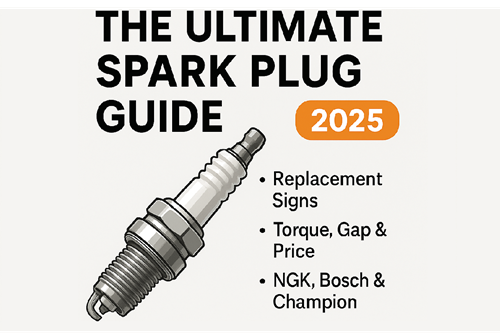
Credit: modernautoparts.co.za
Frequently Asked Questions
How Much Does Spark Plug Replacement Cost?
Spark plug replacement usually costs between $100 and $200. The price depends on your car’s make, model, and labor fees. Parts alone cost $10 to $30 each. Labor can add $40 to $100. High-performance or luxury cars may cost more.
How Often Should Spark Plugs Be Replaced?
Spark plugs should generally be replaced every 30,000 to 100,000 miles. It depends on the type of spark plugs and your vehicle’s manufacturer recommendations. Regular inspection helps maintain engine efficiency and fuel economy. Worn plugs can cause misfires and poor performance.
Can I Replace Spark Plugs Myself?
Yes, you can replace spark plugs yourself if you have basic tools and knowledge. Follow your vehicle’s manual for correct plug type and gap. Take safety precautions and work carefully to avoid damaging the engine. Otherwise, consider professional service.
What Factors Affect Spark Plug Replacement Cost?
Cost depends on spark plug type, vehicle model, and labor charges. Iridium or platinum plugs cost more than copper ones. Labor fees vary by location and mechanic expertise. Additional repairs may increase the total cost if issues are found.
Conclusion
Replacing spark plugs usually costs between $50 and $150. Prices depend on car type and labor charges. Doing it on time keeps your engine running smooth. Delaying replacement may cause poor fuel economy and engine problems. Choose a trusted mechanic for the best results.
Regular spark plug checks save money and avoid trouble. Keep your car healthy and drive safely. Simple maintenance helps your vehicle last longer. Spark plug replacement is a small step with big benefits.





