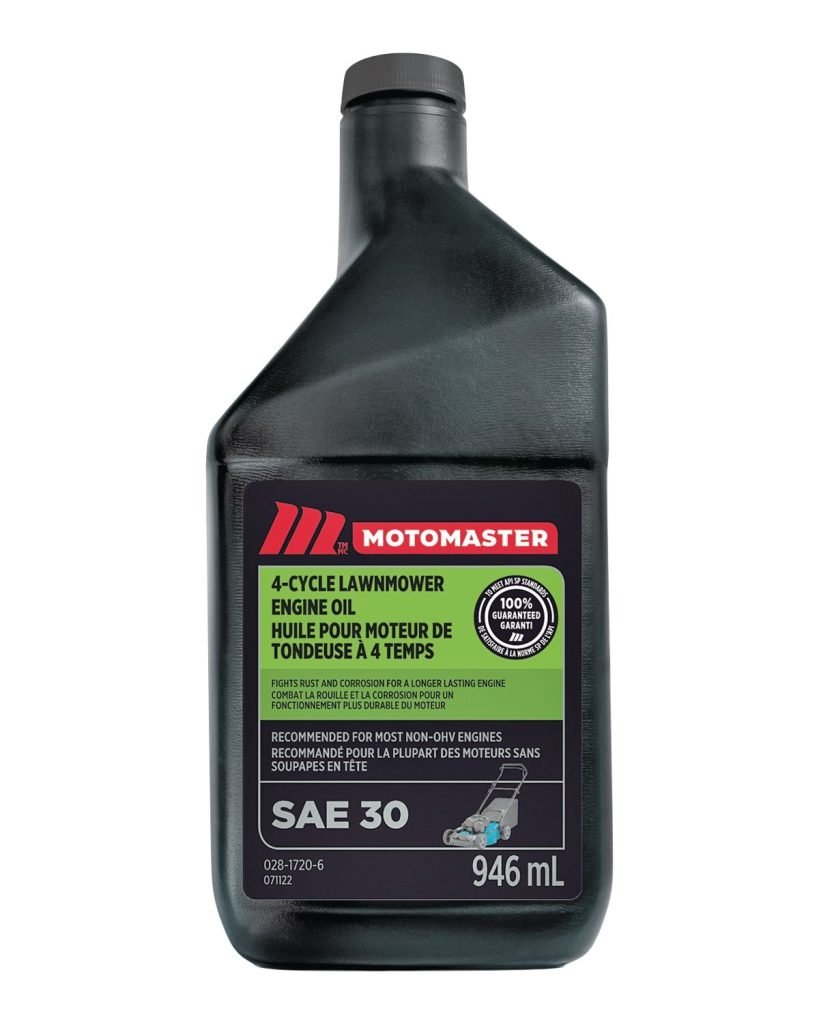
Choosing the right oil for your lawn mower can feel like a daunting task, especially when you’re standing in the aisle, surrounded by countless options. Yet, this simple decision can make a significant difference in the performance and lifespan of your machine.
You want your lawn mower to run smoothly and efficiently, right? Well, the type of oil you use plays a crucial role in that. In this guide, you’ll discover exactly what oil you should be putting in your lawn mower to keep it in top shape.
Don’t let a simple mistake turn into an expensive repair. Read on to ensure you’re giving your mower the care it deserves, and enjoy a beautifully manicured lawn with less hassle.

Credit: www.amazon.ca
Choosing The Right Oil
Choosing the right oil for your lawn mower is key to keeping it running smoothly. The oil lubricates the engine parts and prevents wear. Using the wrong oil can cause damage or reduce mower performance. Understanding the types of oils and their properties helps you pick the best one.
Types Of Lawn Mower Oils
Lawn mowers mainly use two types of oils:
- Single-grade oil:Offers a consistent thickness at one temperature. Common in older mowers.
- Multi-grade oil:Works well in different temperatures. It flows easily when cold and protects when hot.
Look for oils labeled SAE 30 or 10W-30, as these are popular for small engines.
Synthetic Vs Conventional Oils
Synthetic oils are made from chemical compounds. They last longer and protect better in extreme heat. Conventional oils come from refined crude oil. They are cheaper but need changing more often. For heavy use or hot climates, synthetic oil is a better choice. For light use, conventional oil works fine.
Viscosity Grades Explained
Viscosity means how thick or thin the oil is. It affects how well the oil flows at different temperatures.
| Grade | Temperature | Use |
|---|---|---|
| SAE 30 | Warm | Most common for lawn mowers |
| 10W-30 | Cold and warm | Good for varying climates |
| 5W-30 | Cold | Best for cold weather starting |
Choose the viscosity based on your local climate and mower type.
Oil Requirements By Engine Type
Different lawn mower engines need different types of oil. Choosing the right oil helps your mower run smoothly and last longer. Understanding oil needs by engine type keeps your mower in top shape.
2-stroke Engines
These engines mix oil with gasoline for fuel. Using the correct 2-stroke oil is important to avoid engine damage. Regular motor oil will not work because it does not mix properly.
Use high-quality 2-stroke oil made for small engines. The oil ratio is usually 50:1 or 40:1, depending on the mower’s manual. This mix keeps the engine lubricated and cool.
4-stroke Engines
4-stroke engines have a separate oil tank. They do not mix oil with gasoline. Use SAE 30 or 10W-30 oil, depending on the temperature and mower model.
Change the oil after every 25 hours of use. This keeps the engine clean and prevents wear. Always check the owner’s manual for the right oil type and oil change schedule.
Electric Vs Gasoline Engines
Electric mowers do not need oil. They run on batteries or electricity, so no engine oil is required. This makes maintenance easier and cleaner.
Gasoline mowers need oil based on their engine type. Follow the oil guidelines for either 2-stroke or 4-stroke engines. Using the correct oil type extends the life of gasoline mowers.
How To Check And Change Oil
Knowing how to check and change the oil in your lawn mower keeps it running smoothly. Fresh oil protects the engine from damage and helps it last longer. Regular oil checks prevent costly repairs and maintain mower performance.
Checking the oil is quick and simple. Changing the oil takes more time but is necessary for good mower health. Both tasks require basic tools and safety care.
When To Change Oil
Change the oil after the first 5 hours of use on a new mower. After that, change it every 50 hours or once a season. Use the mower’s manual for exact guidelines. Change oil more often if you mow in dusty or hot conditions.
Step-by-step Oil Change Guide
- Run the mower a few minutes to warm the oil.
- Turn off the mower and disconnect the spark plug wire.
- Place a container under the oil drain plug.
- Remove the drain plug and let the oil drain completely.
- Replace the drain plug securely once draining finishes.
- Use a funnel to pour in new oil.
- Check the oil level with the dipstick and add more if needed.
- Reconnect the spark plug wire.
- Start the mower to check for leaks and proper oil flow.
Tools Needed For Oil Change
- Oil drain pan or container
- Wrench to remove drain plug
- Funnel for pouring oil
- Clean rag for wiping dipstick
- New oil recommended by the mower’s manual
- Gloves to keep hands clean
Signs Of Oil Problems
Knowing the signs of oil problems in your lawn mower can save you from costly repairs and downtime. Ignoring these signs may lead to engine damage that’s hard to fix. Keep an eye out for these common issues that often point to oil trouble.
Oil Leaks
Spotting oil leaks around your mower is an immediate red flag. You might notice dark, sticky spots under your mower after use. This not only wastes oil but can also cause the engine to run dry, leading to serious damage.
Check seals and gaskets regularly—these are common leak points. If you see oil pooling or dripping, address it quickly before it worsens. Have you ever ignored a small leak only to face a bigger problem later?
Engine Overheating
Oil lubricates and cools the engine. When the oil level is low or the oil is dirty, your engine can overheat. You might smell a burning odor or see steam rising from the mower.
Overheating can cause parts to warp or seize up. Make sure you check the oil level often, especially during long mowing sessions. Could a quick oil check be the simple fix your mower needs to stop overheating?
Excessive Smoke
Smoke coming from your mower’s exhaust is a clear sign of oil issues. Blue or gray smoke usually means oil is burning inside the engine. This can happen if you use the wrong oil type or if the oil level is too high.
White smoke might indicate a coolant leak but often relates to oil problems as well. Don’t ignore unusual smoke—it’s your mower’s way of telling you something is wrong. What would you do if your mower started smoking mid-mow?
Maintaining Peak Performance
Maintaining peak performance of your lawn mower depends heavily on proper oil care. Oil keeps the engine parts moving smoothly and prevents wear and tear. Clean and fresh oil helps your mower run longer and start easier. Neglecting oil maintenance can cause engine damage and reduce mower life. Follow these simple tips to keep your mower in top condition.
Regular Oil Checks
Check the oil level before every use or at least once a month. Use the dipstick to measure the oil level. The oil should be between the minimum and maximum marks. Look at the oil color; it should be clear or light amber. Dark or dirty oil needs changing. Add the correct type of oil if the level is low. Avoid overfilling, as it can cause engine damage.
Proper Storage Tips
Store your lawn mower in a dry, cool place to protect the engine. Before long storage, change the oil to prevent sludge buildup. Run the engine for a few minutes to warm the oil for easy draining. Drain the fuel or add a fuel stabilizer to avoid fuel problems. Cover the mower to keep dust and moisture away. Proper storage helps maintain oil quality and engine health.
Using Oil Additives
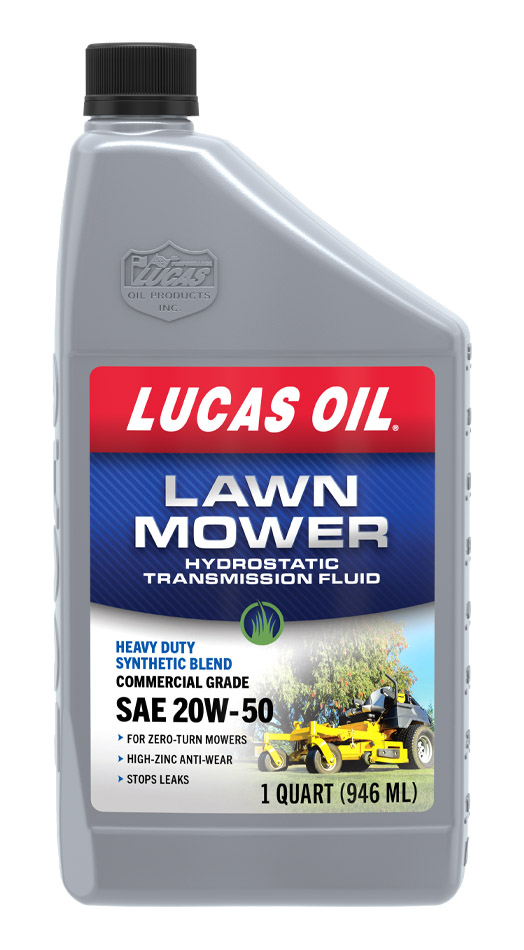
Oil additives can improve engine performance and reduce wear. They help clean engine parts and prevent rust. Use additives recommended by the mower manufacturer. Do not mix different types of additives as this may harm the engine. Always read the product label for proper use and safety. Oil additives can extend engine life when used correctly.
Credit: www.lucasoil.com
Common Mistakes To Avoid
Using the right oil and caring for your lawn mower properly keeps it running smoothly. Many people make simple mistakes that harm the engine or reduce its lifespan. Avoiding these common errors saves time and money. Learn what to watch out for when handling lawn mower oil.
Using Wrong Oil Type
Choosing the wrong oil can damage your mower’s engine. Lawn mowers usually need specific oil types, such as SAE 30 or 10W-30. Check your mower’s manual for the recommended oil. Using automotive oil or oil with the wrong viscosity causes poor lubrication. This leads to engine wear and overheating.
Ignoring Oil Change Schedule
Old oil loses its ability to protect the engine. Many people forget to change oil regularly. Changing oil keeps the engine clean and running well. Follow the manufacturer’s advice on how often to change the oil. Write down the date and hours of use to track oil changes easily.
Overfilling Or Underfilling Oil
Adding too much or too little oil harms the engine. Overfilling causes excessive pressure, leading to leaks or smoke. Underfilling means poor lubrication and increased engine wear. Use the dipstick to check the oil level. Fill oil only to the recommended mark for safe operation.

Credit: lawnsmartkc.com
Frequently Asked Questions
What Type Of Oil Is Best For Lawn Mowers?
Use SAE 30 oil for most lawn mowers in warm weather. For cold climates, 10W-30 synthetic oil works well. Always check your mower’s manual for the recommended oil type to ensure optimal performance and engine longevity.
How Often Should I Change Lawn Mower Oil?
Change the oil after every 25 hours of use or once per mowing season. Regular oil changes keep the engine running smoothly and prevent damage. Always replace the oil filter if your mower has one, following the manufacturer’s guidelines.
Can I Use Automotive Oil In Lawn Mowers?
Yes, you can use automotive oil if it matches the mower’s recommended viscosity. Typically, 10W-30 automotive oil suits many lawn mowers. Avoid oils with additives designed for car engines, as they may harm small mower engines.
What Happens If I Use Wrong Oil In Lawn Mower?
Using incorrect oil can cause poor engine lubrication, overheating, and increased wear. This reduces mower efficiency and may lead to costly repairs. Always use the oil type specified in your mower’s manual to maintain engine health.
Conclusion
Choosing the right oil keeps your lawn mower running smooth. Use the oil type recommended in your mower’s manual. Regular oil changes help prevent engine damage and improve performance. Clean oil means a longer mower life and better grass cutting.
Don’t skip this simple step to save time and money. Proper oil care makes mowing easier and more efficient. Take care of your mower, and it will take care of your lawn. Simple, smart maintenance pays off every season.





