A lush, healthy lawn starts with the right mowing schedule in spring. Cutting too early, too short, or too infrequently stresses the grass and invites weeds. Knowing when and how often to mow — based on your grass type, local weather, and equipment readiness — sets your yard up for a season of deep green growth. This guide gives you a clear, actionable schedule backed by turf science and practical maintenance steps.
 Credit: www.lawnstarter.com
Why Spring Mowing Timing Matters
As soil temperatures rise above 50°F, cool-season grasses (fescue, bluegrass, ryegrass) enter a rapid growth phase. Warm-season grasses (Bermuda, zoysia, St. Augustine) follow as temperatures consistently exceed 65°F. Mowing too early — before the grass has fully broken dormancy — can tear the roots and delay recovery. Conversely, waiting too long forces you to cut more than one-third of the blade height, which shocks the plant and leaves it vulnerable to disease.
The University of Minnesota Extension lawn care guidance recommends starting your regular mowing routine when the grass reaches about 3 inches tall, regardless of the calendar date. That’s your signal to mow, not a specific day in April.
Setting Your Spring Mowing Frequency
Weekly vs. Biweekly – The Real Answer
For most lawns, mowing once every 5 to 7 days during peak spring growth is ideal. This keeps the grass at a consistent height and prevents the need for heavy cuts. If you let the grass grow for two weeks, you’ll likely violate the one-third rule — cutting off more than a third of the leaf blade stresses the plant and reduces its ability to photosynthesize.
When to adjust:
- Rainy weeks: Heavy rain can push growth an extra inch or more. Mow every 5 days.
- Dry spells: Growth slows. Stretch to 7–10 days, but never let the grass exceed 4 inches for cool-season types.
- Shaded lawns: Grass grows slower in shade. You may need to mow only every 10 days.
The One-Third Rule in Practice
Never remove more than one-third of the grass blade in a single mowing. If your grass is 4 inches tall, set the deck to cut at 2.5–3 inches. If it’s taller than 4.5 inches, mow at a higher setting first, then lower it a few days later. This two-step approach prevents shock and keeps the lawn dense.
Ideal Mowing Height by Grass Type
The correct height changes with the season. In spring, a slightly higher cut protects the crown from late frosts and encourages deeper root growth. The table below shows the recommended spring mowing heights for common grass types.
| Grass Type | Spring Mowing Height (inches) |
|---|---|
| Bermuda | 1.0 – 1.5 |
| Zoysia | 1.0 – 2.0 |
| Fescue (tall) | 2.5 – 3.5 |
| Kentucky Bluegrass | 2.0 – 3.0 |
| Perennial Ryegrass | 2.0 – 2.5 |
| St. Augustine | 2.5 – 3.5 |
Raise the blade by 0.5 inches if you’re mowing in the shade or after a dry period.
Essential Spring Lawn Care Steps Before and After Mowing
Pre-Mowing Checklist
A quick inspection saves time and protects your equipment.
- Remove debris: Sticks, stones, and toys can damage the mower deck or throw objects. Walk the lawn first.
- Check for moisture: Mow only when the grass is dry. Wet grass clumps, clogs the deck, and spreads disease. If dew is heavy, wait until late morning.
- Sharpen the blades: Dull blades tear grass instead of cutting it cleanly, leaving ragged edges that turn brown. Many homeowners overlook this step. A simple check — if the blade feels dull or you see frayed grass tips, sharpen it. You can use a file or a bench grinder. For detailed guidance, see how to tell if mower blades need sharpening — it’s a quick visual check that prevents subtle damage.
- Set the correct deck height: Measure the grass height and adjust your mower so the cut removes no more than one-third.
Post-Mowing Maintenance
After each cut, these habits keep your mower running smoothly and your lawn recovering fast.
- Clean the underside of the deck: Grass clippings and sap build up quickly, especially in spring. A clean deck prevents rust and improves cutting efficiency. If you have a pressure washer, you can use it — but be careful with bearings and seals. The proper technique for cleaning the deck is covered in how to clean mower deck with pressure washer, a straightforward job that takes 10 minutes.
- Inspect the lawn: Look for bare spots, pest signs, or unusual discoloration. Early spring is the best time to overseed thin areas.
- Water wisely: If the soil is dry, water deeply after mowing to encourage root growth. Aim for 1 inch of water per week, including rainfall.
- Store the mower properly: Keep it in a dry, covered area. If you plan to store it for any extended period (like a vacation), winterizing precautions are still useful — refer to how to store lawn mower for winter for the same principles of draining fuel or adding stabilizer.
Common Spring Mowing Mistakes to Avoid
Scalping: Cutting Too Short
Scalping — cutting the grass so low that you see brown stems — is the most common spring mistake. It exposes the soil to sunlight, encouraging weed seeds to germinate. It also stresses the root system, making the lawn less drought-tolerant. Always keep the mower deck at the recommended height. If you’ve let the grass grow long, raise the deck and do a gradual reduction over several days.
Mowing in the Wrong Direction
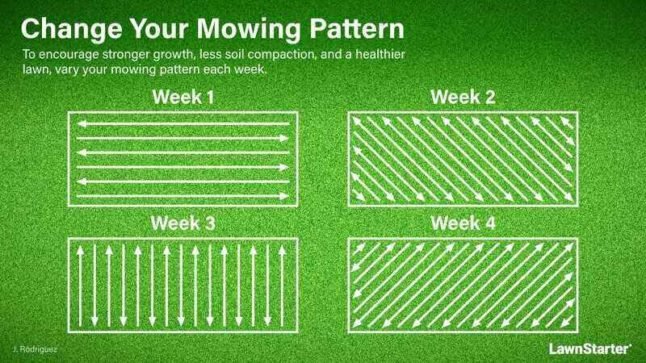
Mowing the same pattern every week compacts the soil and leans the grass blades. Alternate your direction each time: north-south one week, east-west the next. This upright growth creates a denser, more uniform lawn.
Mowing Wet Grass
Even a light dew can cause problems. Wet clippings stick to the deck, clog the discharge chute, and pile up in clumps that smother the grass beneath. Disease spreads more easily in wet conditions. Wait until the grass is fully dry — usually late morning to early afternoon is best.
Ignoring Blade Balance
An unbalanced blade creates vibration that damages the mower’s spindle bearings and leaves an uneven cut. After sharpening, always balance the blade. If you’re using a Dremel or a file, check the balance by hanging the blade on a nail — it should stay level. For more detail, the article on can mower blades be sharpened with Dremel covers balancing steps as well.
Tools and Equipment for Spring Mowing Success
Choosing the Right Mower
- Small lawns (under ¼ acre): A push mower (gas or electric) is sufficient. Battery-powered mowers are quieter and require less maintenance — no fuel, oil changes, or spark plugs.
- Medium lawns (¼–½ acre): A self-propelled mower saves effort. Look for a cutting width of 21–22 inches.
- Large lawns (over ½ acre): A riding mower or zero-turn mower speeds up the job. If you own a zero-turn, be aware that engine stalling is common in spring if the mower has been sitting — check out why is my zero turn mower engine stalling for troubleshooting tips before you start.
Blade Maintenance Schedule
- Sharpen every 10–15 hours of mowing (roughly once a month in spring).
- Replace blades annually or when they become bent, chipped, or excessively worn.
- Check blade balance after every sharpening.
If you’re unsure whether your blades need work, a simple test: if the grass tips look brown or frayed a day after mowing, it’s time to sharpen. Sandpaper can work for minor touch-ups, but for a full edge, learn whether can mower blades be sharpened with sandpaper is effective — it’s a good emergency method but not a long-term solution.
Frequently Asked Questions
How often should I mow my lawn in spring?
Mow every 5 to 7 days during active growth. Adjust based on rainfall and grass height — never let the grass exceed 4 inches for cool-season types or 3 inches for warm-season types.
What is the best time of day to mow?
Late morning to early afternoon (10 a.m. to 2 p.m.). The grass is dry, and the sun is high enough to quickly dry any remaining moisture. Avoid early morning dew and evening when grass stays wet overnight.
Should I change mower settings for spring?
Yes. Raise the cutting height by 0.5–1 inch compared to your summer setting. This protects the crown from late frosts and encourages deeper roots. As the season progresses, gradually lower the height to your summer target.
How do I know if my grass is ready for the first spring mow?
Wait until the grass is actively growing — about 3 inches tall — and the soil temperature is consistently above 50°F (cool-season) or 65°F (warm-season). A soil thermometer is a cheap investment for accuracy.
Can I leave grass clippings on the lawn?
Yes, if they are short and dry. Clippings decompose quickly and return nitrogen to the soil. If the clippings are long or wet, bag them to avoid smothering the grass.
Conclusion
A successful spring mowing schedule is not about a fixed date — it’s about watching your grass and responding to its growth. Start when the grass reaches 3 inches, mow every 5–7 days, obey the one-third rule, and keep your equipment in top shape. Sharp blades, proper height, and a clean deck are the foundation of a lawn that stays thick, green, and weed-free all season. A little attention each week now saves you hours of repair work later.





