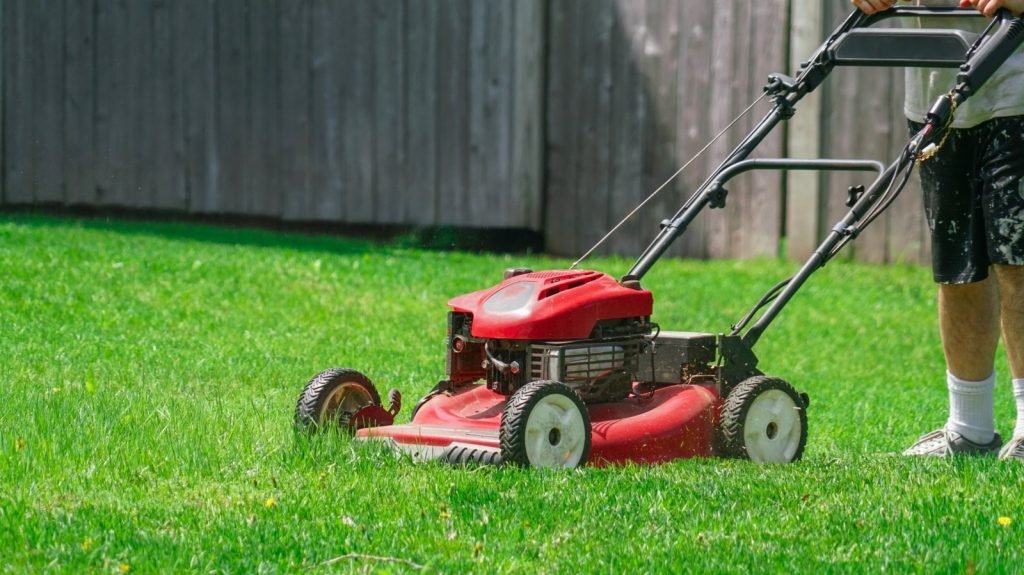
When it comes to maintaining your lawn, your trusty mower is a vital tool. But have you ever paused to think about what type of gas it needs to run efficiently?
The fuel you choose can significantly impact your mower’s performance and lifespan. Understanding the right kind of gas is not just about following a manual; it’s about ensuring your mower works efficiently every time you fire it up. We’ll guide you through the ins and outs of lawn mower fuel.
By the end, you’ll be confident in your fuel choice, ensuring smooth operation and a beautifully manicured lawn. So, let’s dive into the details and make sure you’re fueling your mower the right way.
Credit: www.hunker.com
Common Lawn Mower Fuels
Lawn mowers run on different types of fuels depending on the engine type. Choosing the right fuel is key for smooth operation and long engine life. Here are the common fuels used in lawn mowers today.
Gasoline
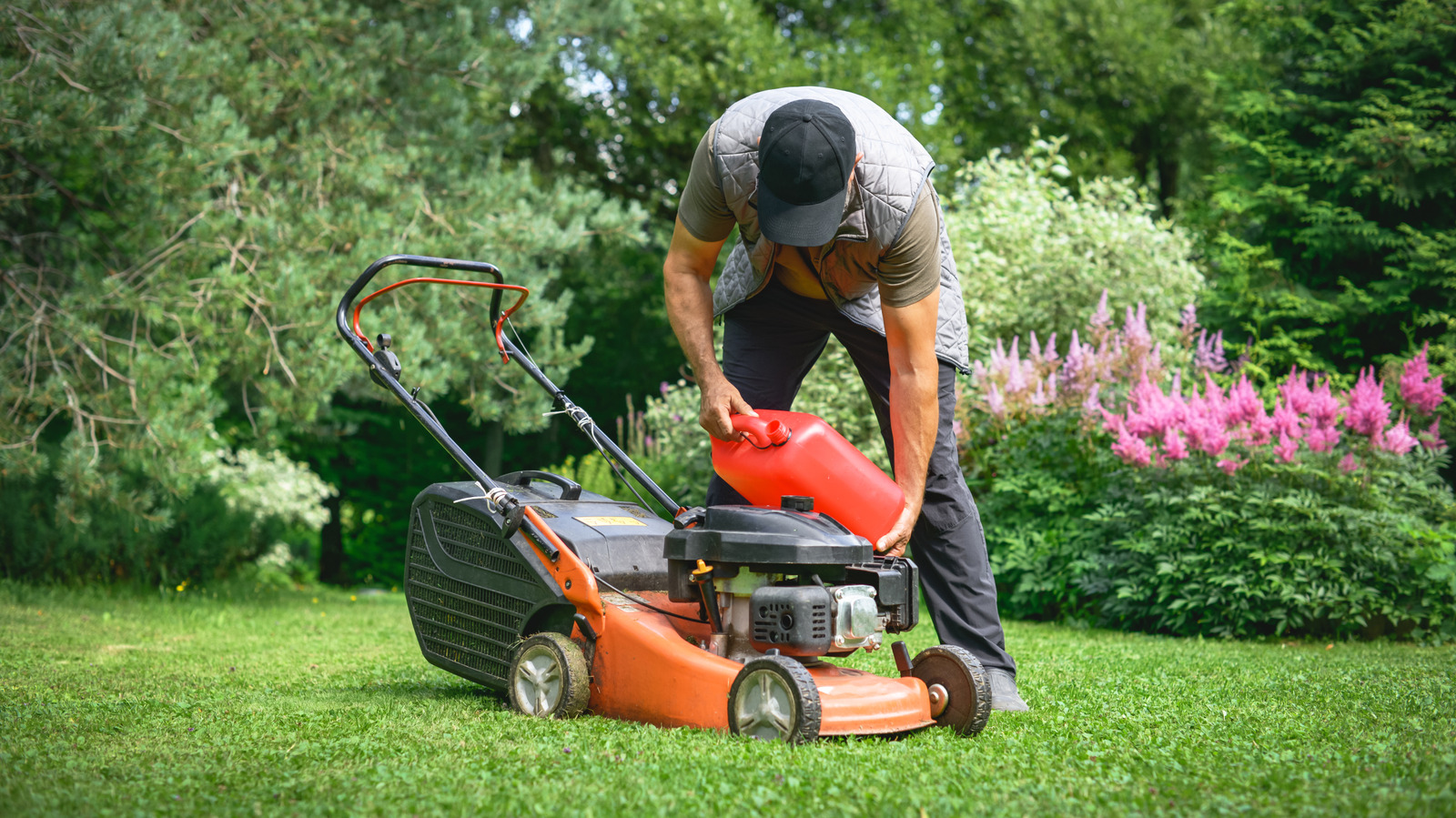
Gasoline is the most common fuel for lawn mowers. It powers small, two-stroke and four-stroke engines. Regular unleaded gasoline with an octane rating of 87 or higher works well. Always use fresh gasoline to avoid engine problems. Avoid gasoline with more than 10% ethanol content unless the mower allows it.
Ethanol Blends
Ethanol blends mix ethanol with gasoline to reduce pollution. The most common is E10, which contains 10% ethanol. Many lawn mowers can run on E10 safely. Higher ethanol blends like E15 or E85 may cause engine damage. Check the mower’s manual before using ethanol fuels.
Diesel And Alternatives
Diesel fuel is rare in lawn mowers but used in some large, commercial models. Diesel engines are more fuel-efficient and last longer. Biodiesel, a renewable alternative, can work in diesel mowers. It burns cleaner and reduces emissions. Always confirm compatibility with the mower’s engine before using diesel or alternatives.
Propane
Propane is a clean-burning fuel option for lawn mowers. It produces fewer emissions than gasoline or diesel. Propane mowers are quieter and need less maintenance. These mowers use a propane tank instead of a fuel tank. Propane offers long storage life and quick refills. Some newer models accept propane as a fuel choice.
Credit: www.homedepot.com
Two-stroke Vs Four-stroke Engines
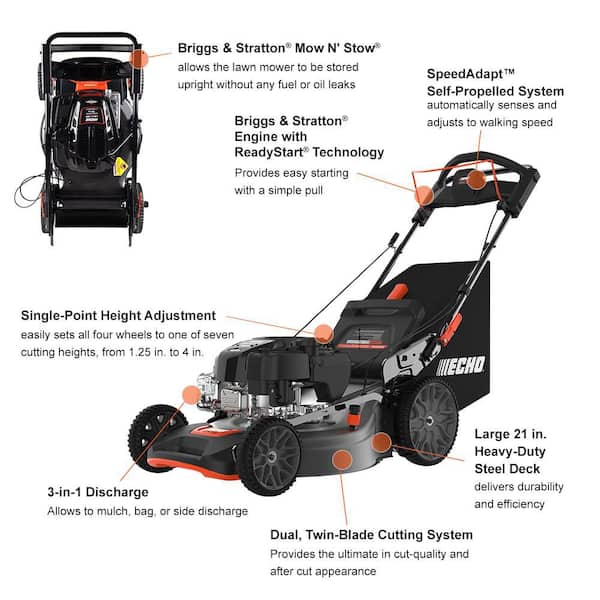
Choosing between two-stroke and four-stroke engines for your lawn mower affects more than just power—it changes how you handle fuel and maintenance. Each engine type has unique needs that impact performance and your overall mowing experience.
Fuel Requirements For Two-stroke
Two-stroke engines require a special fuel mix. You must combine gasoline with oil, usually at a ratio specified by the manufacturer, like 50:1 or 40:1. This mixture lubricates the engine since two-stroke motors don’t have a separate oil reservoir.
Mixing fuel incorrectly can cause serious engine problems or poor performance. Always use fresh gasoline and the right type of two-stroke oil. If you’ve ever smelled a strong oil scent while mowing, that’s the oil burning in the fuel mix—part of the two-stroke process.
Fuel Requirements For Four-stroke
Four-stroke engines run on regular gasoline only—no oil mixed in the fuel. They have a separate compartment for engine oil, which means the fuel you buy is simpler to handle. This setup often makes four-stroke mowers more user-friendly and cleaner burning.
Regular oil changes are essential to keep a four-stroke engine running smoothly. If you prefer less hassle with fuel mixing, four-stroke models might suit your needs better. Have you noticed how some mowers run quieter and cleaner? That’s often a four-stroke at work.
Choosing The Right Fuel
Choosing the right fuel for your lawn mower affects its performance, lifespan, and the environment. Using the correct type ensures your mower runs smoothly and avoids costly repairs. Let’s look at what to consider when selecting fuel for your machine.
Manufacturer Recommendations
Always check the owner’s manual for the fuel type your mower needs. Some models require regular unleaded gasoline, while others might call for a mix of gas and oil, especially two-stroke engines. Ignoring these guidelines can lead to engine damage or void your warranty.
Have you ever tried using a different fuel than recommended? It often results in rough starts or poor cutting performance. Stick to the manufacturer’s advice—it saves you money and frustration.
Fuel Efficiency Considerations
Fuel efficiency matters if you mow frequently or have a large yard. Gasoline with higher octane doesn’t always mean better fuel economy. Instead, focus on fresh, clean fuel and keep your mower well-maintained.
Using fuel stabilizers can help your mower run longer between fill-ups. Also, avoid letting the gas sit unused for months—it loses potency and can clog your engine. How often do you check your fuel quality before mowing?
Environmental Impact
Gasoline-powered mowers emit pollutants, so choosing cleaner fuel options can reduce your carbon footprint. Some mowers run on ethanol-blended fuels, which burn cleaner but may cause issues in older engines.
Consider using mower models compatible with alternative fuels or electric power if reducing emissions is a priority. Small changes in fuel choice and mower upkeep can make a big difference to the environment around your home.
Fuel Storage Tips
Storing fuel properly is crucial to keep your lawn mower running smoothly and to avoid hazards. Mishandling gasoline can lead to poor engine performance or even dangerous situations. Paying attention to how you store fuel not only extends its usability but also ensures your safety and the safety of those around you.
Proper Containers
Use containers specifically designed for gasoline storage. These containers are made from materials that resist corrosion and prevent leaks. Look for containers with tight-fitting caps and built-in spouts for easy pouring.
Avoid using old food or beverage containers, as they are not made to hold fuel and can cause dangerous spills or contamination. Brightly colored containers, usually red for gasoline, help you quickly identify the fuel type and prevent mix-ups.
Shelf Life Of Fuels
Gasoline doesn’t stay fresh forever. Typically, it lasts about one to three months before it starts to degrade and lose effectiveness. Adding a fuel stabilizer can extend its shelf life up to a year, which is useful if you don’t use your mower frequently.
Stale fuel can cause your mower to run rough or fail to start. If you notice a strong smell or a change in color, it’s time to replace the fuel. Always rotate your stored fuel to use the oldest first, keeping your mower’s engine happy and healthy.
Safety Precautions
Store gasoline in a cool, well-ventilated area away from direct sunlight and heat sources. Keep it out of reach of children and pets to prevent accidental ingestion or fire hazards. Never store fuel inside your home or near appliances that produce sparks.
Always fill your mower’s tank outdoors to avoid inhaling fumes. If you spill fuel, clean it up immediately with absorbent materials and dispose of them properly. Are you confident your current fuel storage setup meets these safety standards?
Common Fuel Problems
Fuel is the lifeblood of your lawn mower’s engine, but it can also be a source of trouble if not handled properly. Common fuel problems can cause your mower to stall, lose power, or even fail to start. Understanding these issues helps you keep your mower running smoothly and saves you time and money on repairs.
Fuel Contamination
Fuel contamination happens when dirt, water, or debris gets into your gas tank. Even a small amount of water can cause sputtering or engine misfires. I once found tiny particles clogging my mower’s fuel filter, which made it hard to start.
Always use clean, fresh fuel and store it in a sealed container. Avoid filling your mower in dusty or wet conditions. Regularly check and replace your fuel filter to keep contaminants out of the engine.
Engine Issues From Wrong Fuel
Using the wrong type of fuel can severely damage your mower’s engine. Many mowers require unleaded gasoline with a specific octane rating. Filling your mower with fuel mixed with ethanol or diesel can cause poor performance or permanent damage.
Ask yourself: Are you sure the gas you’re using matches your mower’s requirements? Check your owner’s manual to confirm the right fuel type. Using improper fuel often leads to costly repairs that you can avoid with a simple check.
Preventive Maintenance
Regular maintenance is your best defense against fuel problems. Drain old fuel before storing your mower for long periods to prevent gum buildup. Add a fuel stabilizer if you expect to keep fuel in the tank for more than 30 days.
Keep your mower’s fuel system clean by inspecting fuel lines and replacing filters when needed. These small steps can extend your mower’s life and improve its reliability. How often do you perform fuel system checks on your mower?
Future Trends In Lawn Mower Fuels
The world of lawn mower fuels is shifting rapidly. Traditional gasoline is still common, but new options are gaining ground. These future trends not only aim to reduce environmental impact but also improve your mowing experience. Let’s look at some promising alternatives that might soon power your lawn mower.
Biofuels
Biofuels come from natural, renewable sources like plants and vegetable oils. They burn cleaner than regular gasoline, producing fewer harmful emissions. Some mowers can already run on ethanol blends or biodiesel, which means less pollution without sacrificing power.
Using biofuels could also lower your reliance on fossil fuels. Imagine fueling your mower with something made from leftover cooking oil or crops grown nearby. It’s a practical way to support local agriculture and reduce waste.
However, not all mowers are compatible with biofuels yet. Before switching, check your mower’s manual or ask the manufacturer. Would you consider trying biofuels if it meant a smaller carbon footprint and supporting sustainable farming?
Electric And Battery Alternatives
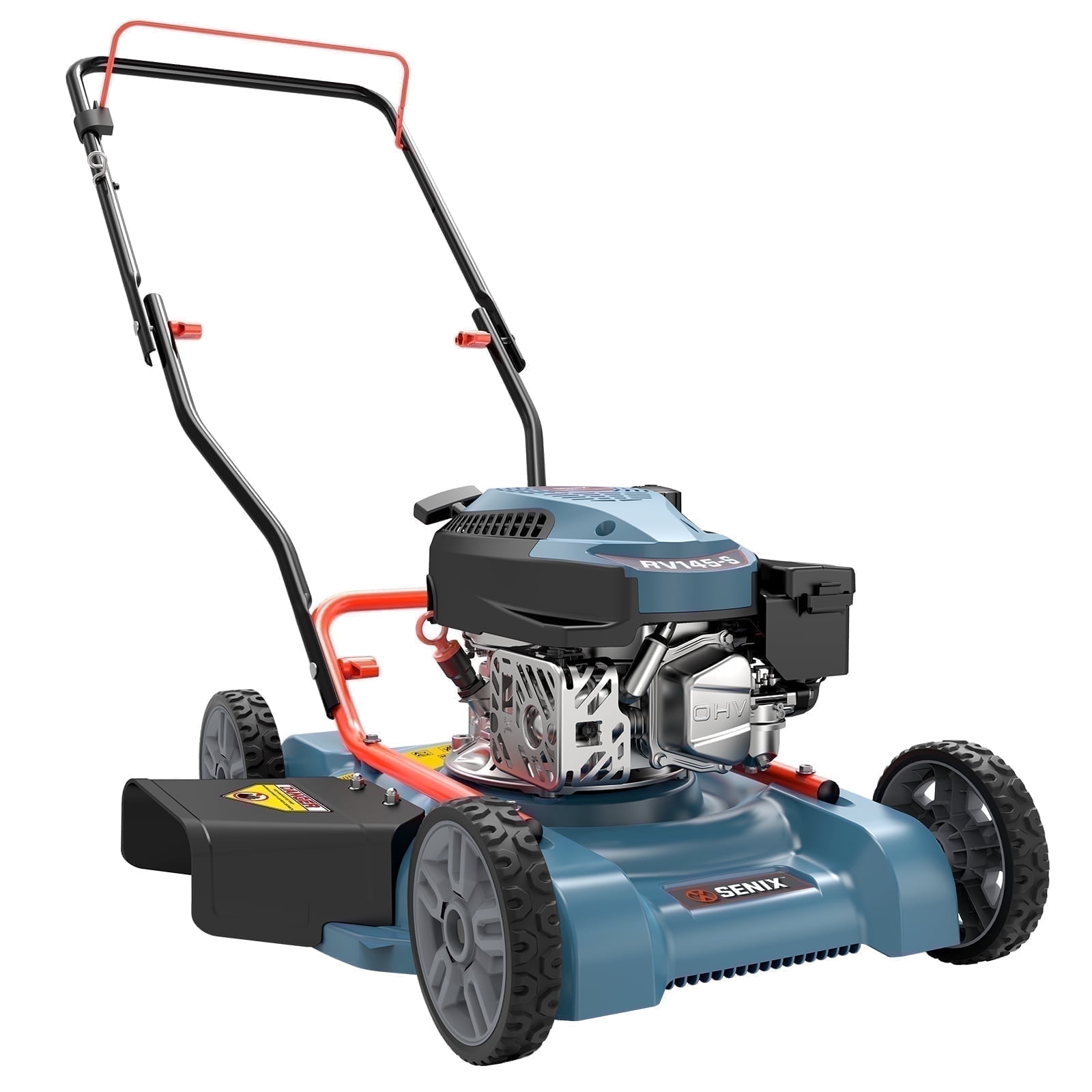
Electric mowers powered by batteries are changing the game. They run quietly, need less maintenance, and don’t emit exhaust gases. If you’ve ever struggled with a noisy, smelly mower, you’ll appreciate how peaceful and clean these alternatives are.
Battery technology is improving fast. New models offer longer run times and faster charging. You can mow a large yard without worrying about running out of power mid-task.
Plus, electric mowers are easier to start and lighter to handle. This makes them perfect if you want a hassle-free mowing experience. Could this be the future for your lawn care routine?
Credit: www.walmart.com
Frequently Asked Questions
What Type Of Gas Do Most Lawn Mowers Use?
Most lawn mowers use regular unleaded gasoline with an octane rating of 87 or higher. Avoid using ethanol blends above 10%, as they can damage the engine.
Can I Use Diesel Fuel In My Lawn Mower?
No, diesel fuel is not suitable for lawn mowers. These machines are designed to run on gasoline, not diesel, for proper engine performance.
Is Mixing Oil With Gas Necessary For Lawn Mowers?
It depends on the mower type. 2-stroke engines require a gas-oil mix, while 4-stroke engines use gasoline and separate oil.
What Happens If I Use The Wrong Gas In A Lawn Mower?
Using the wrong gas can cause engine damage, poor performance, and increased emissions. Always use the recommended fuel type for your mower.
Conclusion
Choosing the right gas keeps your lawn mower running well. Most mowers use regular unleaded gasoline. Some require a mix of gas and oil. Always check your mower’s manual before filling the tank. Using the wrong fuel can cause damage or poor performance.
Clean fuel helps your mower last longer. Keep gas fresh and store it safely. This simple care saves time and money. Now, you can mow your lawn with confidence.





