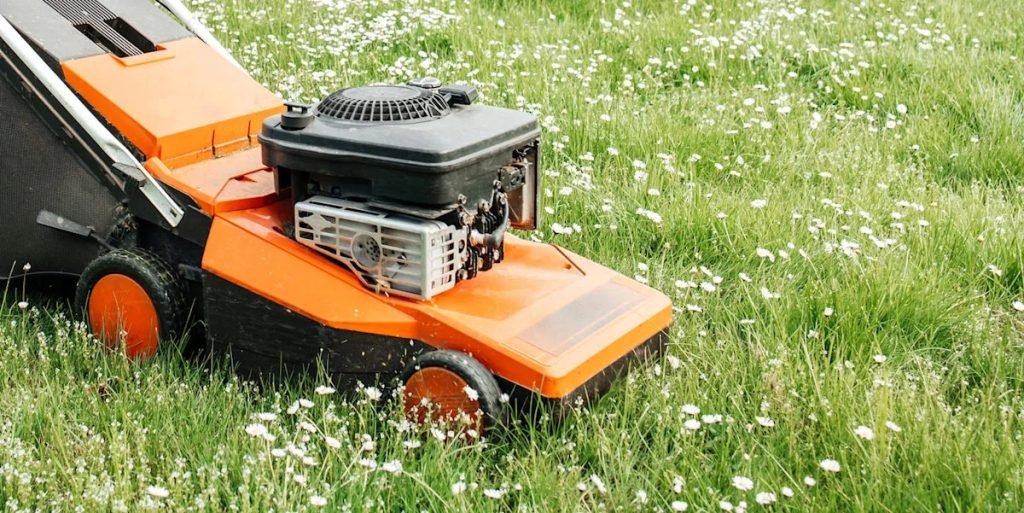
Have you ever stopped to think about what happens to the tiny creatures living in your lawn when you mow it? Your regular mowing routine might be doing more than just keeping your yard neat—it could be affecting the wildlife right outside your door.
If you care about the birds, insects, and small animals sharing your space, this is something you don’t want to overlook. Keep reading to discover how mowing impacts wildlife and what simple changes you can make to protect the natural world while still enjoying a beautiful lawn.
Impact Of Mowing On Wildlife
Mowing lawnscan lead to the loss of habitatfor many small animals. Tall grass and wildflowers provide places for birds, insects, and small mammals to live and hide. Cutting the grass too short removes these safe spaces.
Nesting sitesare often disturbed by frequent mowing. Birds and insects build nests close to or in the grass. Mowing can destroy these nests, leaving young animals vulnerable and unable to survive.
- Insect populationsalso suffer from regular mowing.
- Many insects rely on wild plants for food and shelter.
- Cutting grass removes flowers and leaves less food for pollinators like bees and butterflies.
- Fewer insects mean less food for birds and other wildlife.

Credit: uk.news.yahoo.com
How Mowing Affects Plant Diversity
Mowing lawnsoften cuts down native plantsthat wildlife depend on. These plants provide foodand shelterfor many insects and birds.
When native plants are removed, invasive speciescan take over easily. These invaders grow fast and crowd out native plants. This lowers the plant diversityin the area.
| Impact | Description |
|---|---|
| Reduction in Native Plants | Mowing cuts down important native plants that support wildlife. |
| Spread of Invasive Species | Invasive plants grow faster and replace native plants after mowing. |
Timing And Frequency Matter
Best seasons to mowhelp protect wildlife. Spring and early summer are critical for many animals. Mowing during these times can destroy nests or hideouts. Late summer and fall are safer for mowing, as most animals have grown or moved on. Avoid mowing in early spring when new life begins.
Ideal mowing intervalsbalance lawn health and wildlife safety. Mowing every 2 to 3 weeks allows grass to grow tall enough for animals to hide. Frequent mowing can harm insects and small creatures. Longer intervals give wildlife time to thrive and find shelter.
| Season | Recommended Mowing Frequency | Wildlife Impact |
|---|---|---|
| Spring | Limit or delay mowing | Protects nests and young animals |
| Summer | Every 2-3 weeks | Allows habitat for insects and birds |
| Fall | Every 3 weeks or less | Supports late-season wildlife activity |

Credit: medium.com
Wildlife-friendly Lawn Care Tips
Creating spaces where animals can live is key. Let some areas grow wild with native plants. These provide food and shelter for birds, bees, and butterflies. Keep old tree stumps and logs. They offer homes for insects and small animals.
Traditional mowing cuts down plants too often. This stops flowers from growing and reduces food for wildlife. Try mowing less often and leave some grass taller. This helps insects and ground-nesting birds.
- Use a mower with a higher cutting height.
- Leave patches of grass unmowed as safe zones.
- Plant wildflower strips to attract pollinators.
- Let dandelions and clover grow; they feed bees.
- Remove only dead leaves and avoid over-cleaning.
Benefits Of Leaving Natural Areas
Leaving natural areas unmowed helps protect habitats for birds, insects, and small animals. It supports biodiversity and allows plants to grow fully, providing food and shelter for wildlife. This simple act can make a big difference in local ecosystems.
Supporting Pollinators
Natural areas provide food and shelter for many pollinatorslike bees and butterflies. These creatures help plants grow by moving pollen. Mowing too often removes flowers and stops pollinators from thriving. Leaving patches of grass and wildflowers helps keep pollinators healthyand active. This supports the whole garden or ecosystem.
Encouraging Biodiversity
Wild areas offer homes for many animals, including insects, birds, and small mammals. Different plants and animals work together to keep nature balanced. Mowing less often lets these creatures build nests and find food. This helps increase the varietyof life in your yard and supports a stronger environment.
Community Efforts And Policies
Communities create rules to protect wildlife by limiting lawn mowing during nesting seasons. These policies help keep animals safe and support local ecosystems. Many encourage leaving wild areas untouched to preserve natural habitats.
Local Wildlife Initiatives
Local communities work hard to protect wildlife. They create wildlife-friendly gardens to help animals. These gardens provide shelter and food for small creatures. Volunteers plant native flowers and shrubs. This attracts bees, butterflies, and birds. Community groups also organize wildlife awareness events. These events teach people about protecting local species. Schools join in by creating student wildlife clubs. Kids learn how to care for the environment.Lawn Care Regulations
Some areas have rules for lawn care. These regulations help protect the environment. People must limit pesticide use. Pesticides can harm insects and small animals. Communities also encourage using electric lawn mowers. They make less noise and pollution. Lawn height rules are also important. Taller grass gives cover to small animals. It also helps retain moisture in the soil. Following these rules supports local wildlife. It makes neighborhoods more eco-friendly. `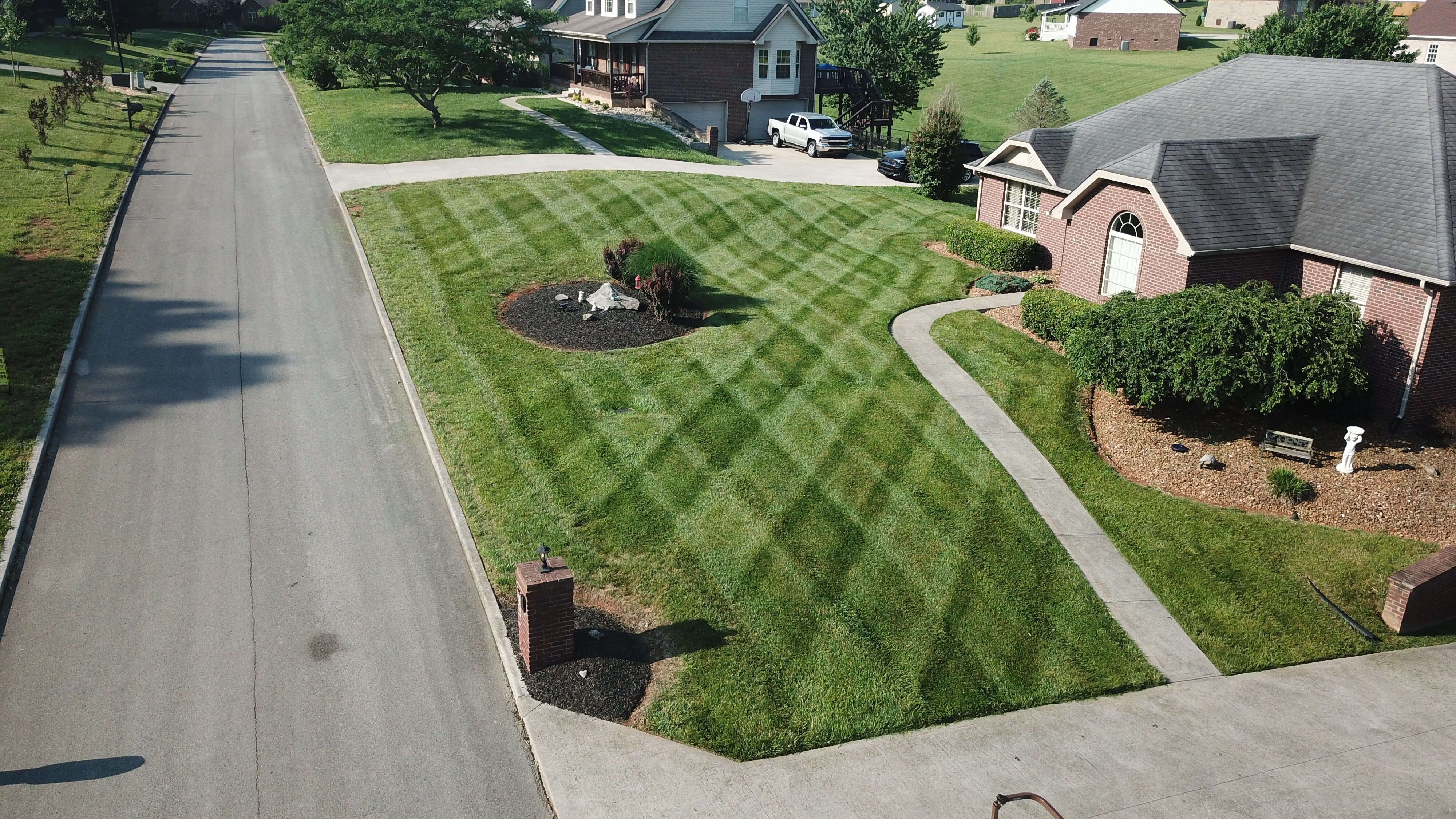
Credit: blog.grasshoppermower.com
Frequently Asked Questions
Does Mowing Harm Wildlife Habitats?
Mowing can destroy habitats by cutting tall grasses and wildflowers. This reduces shelter and food sources for insects, birds, and small mammals. Less frequent mowing supports wildlife by preserving natural vegetation and promoting biodiversity in your lawn.
How Often Should I Mow To Protect Wildlife?
Mow your lawn less frequently, ideally every 2-3 weeks. This allows plants to grow and produce seeds, supporting pollinators and other animals. Avoid mowing during peak breeding seasons to minimize disturbance to wildlife.
Can Mowing Impact Pollinators Like Bees?
Yes, frequent mowing removes flowering plants that bees rely on for nectar. Leaving some areas unmowed encourages flowers to bloom, providing essential food for pollinators and helping maintain a healthy ecosystem in your yard.
What Mowing Practices Benefit Local Wildlife?
Use a higher mower setting to keep grass longer. Leave clippings to provide nutrients and shelter. Create unmowed patches or wildflower areas to offer habitats and food for various wildlife species.
Conclusion
Mowing your lawn often can harm local wildlife. It removes homes and food sources for many small animals. Letting grass grow longer helps birds, insects, and other creatures survive. Try mowing less often or only part of your yard. Small changes make a big difference for nature.
Everyone can help wildlife by caring for their lawn wisely. A healthy yard supports both people and animals. Think about nature next time you mow.





