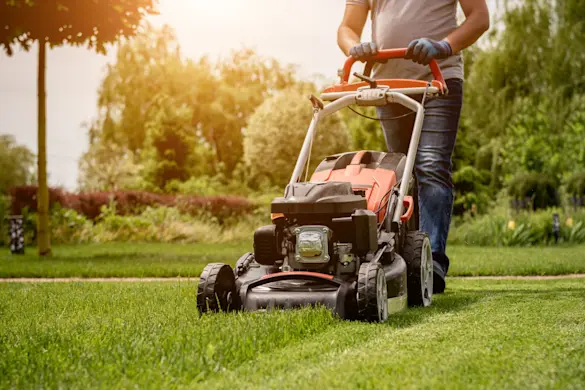
Are you wondering if you can mow your lawn in early fall? You’re not alone.
As the seasons change, you might hesitate, unsure if mowing now will help or harm your grass. The truth is, mowing your lawn at the right time in early fall can make a big difference in how healthy and green it stays through the colder months.
Keep reading to discover the best tips and timing to keep your lawn looking its best, even as the leaves start to fall. Your lawn’s future will thank you!

Credit: www.countryliving.com
Benefits Of Mowing In Early Fall
Mowing in early fallhelps grass stay strong and green. It keeps the grass healthy by cutting old blades, so new growth can shine. This process makes the lawn thick and full.
Cutting the lawn before winter prepares grass for the cold season. It stops grass from getting too long, which can cause damage when frost arrives. A neat lawn also helps water reach the roots better.
Regular mowing reduces risks of pests and diseases. Short grass is less likely to hide bugs or fungus. This keeps the lawn cleaner and safer all year.

Credit: www.aol.com
Ideal Mowing Frequency
During early fall, grass growth slows down due to cooler temperatures. Mowing frequency should be adjusted to avoid cutting too often. Lawns usually need mowing every 10 to 14 days in this season. Cutting grass too short weakens it before winter.
Watch for signs that grass needs mowing:
- Grass heightexceeds 3 inches.
- Uneven growthwith taller patches.
- Grass bladesappear ragged or dense.
Keep mower blades sharp to ensure clean cuts. This helps grass heal faster and stay healthy. Proper mowing supports lawn strength through the fall and winter months.
Best Mowing Techniques For Fall
Maintain an optimal mowing heightbetween 2.5 to 3 inches for most lawns. This height protects roots and helps grass store energy for winter.
Use sharp bladesto make clean cuts. Dull blades tear grass, causing stress and making it prone to disease.
- Check blade sharpness before each mow.
- Sharpen blades at least twice per season.
Avoid scalpingby not cutting grass too short. Scalping weakens grass and exposes soil, allowing weeds to grow.
Raise the mower deck slightly as fall progresses. This helps grass stay healthy and recover from summer heat.
Preparing Lawn Equipment For Fall
Mowing your lawn in early fall helps keep grass healthy and neat before winter. It also prepares equipment for colder months ahead. Regular mowing controls weeds and promotes strong root growth.
Seasonal Maintenance Tips
Clean your lawnmower after every use. Remove grass clippings and dirt. Sharpen the blades for better cutting. Check the oil and refill if low. Inspect the spark plug and replace if needed. Look at the air filter; clean or change it. Tighten any loose screws or bolts. Check the tires for pressure and fill them properly. Make sure all safety features work well.
Storage Recommendations
Store your lawnmower in a dry place. Cover it to keep dust away. Empty the gas tank before storage. This prevents engine problems. Use a fuel stabilizer if gas remains. Keep the battery charged and remove it if possible. Hang small tools on hooks to save space. Organize the garage or shed for easy access. Label storage bins for quick identification.
Common Mistakes To Avoid
Mowing wet grasscan damage your lawn and mower. Wet blades clog the mower and tear grass unevenly. Grass clippings may clump and block sunlight from reaching the lawn. Always wait for the grass to dry before mowing.
Cutting too shortstresses grass roots. Short grass dries quickly and invites weeds. Keep your mower blades set high to protect the lawn. Aim to remove no more than one-third of the grass height at a time.
Neglecting lawn debrisleaves dead leaves and sticks on the grass. These block air and light, causing brown spots. Rake or blow debris away before mowing. Clean grass stays healthy and green.

Credit: www.grassseedonline.co.uk
Additional Yard Care Tips For Early Fall
Fertilizing in early fallhelps grass store food for winter. Use a fertilizer with more potassium to strengthen roots. Avoid too much nitrogen; it can grow leaves but weaken roots.
Aerationopens holes in the soil to let air, water, and nutrients reach roots. This helps the lawn breathe and grow better. Aeration also reduces soil compaction, making it easier for roots to spread.
Overseedingfills bare spots and makes lawns thicker. Spread grass seed evenly over the lawn after aeration. Choose seed types that match your current grass and climate for best results.
Frequently Asked Questions
Can You Mow The Lawn In Early Fall?
Yes, you can mow the lawn in early fall. It helps keep grass healthy and prepares it for winter. Mowing prevents weeds and promotes strong roots for spring growth.
How Often Should You Mow Your Lawn In Early Fall?
Mow your lawn every 7 to 10 days in early fall. Grass growth slows down, so less frequent mowing is needed. Adjust based on weather and grass type.
What Mowing Height Is Best For Early Fall?
Set your mower to 2. 5 to 3 inches in early fall. This height protects roots, conserves moisture, and reduces stress on grass during cooler months.
Should You Mow Wet Grass In Early Fall?
Avoid mowing wet grass in early fall. Wet grass can cause uneven cuts and damage your lawn. Wait until the grass is dry for the best results.
Conclusion
Mowing your lawn in early fall helps keep grass healthy and neat. Grass grows slower but still needs cutting. Avoid cutting too short to protect roots from cold. Regular mowing stops weeds and keeps lawn green longer. Pay attention to weather and grass condition.
A well-mowed lawn looks better and stays strong through fall. Simple care now brings a healthy yard next spring. Keep your mower ready and enjoy a tidy lawn this season.





