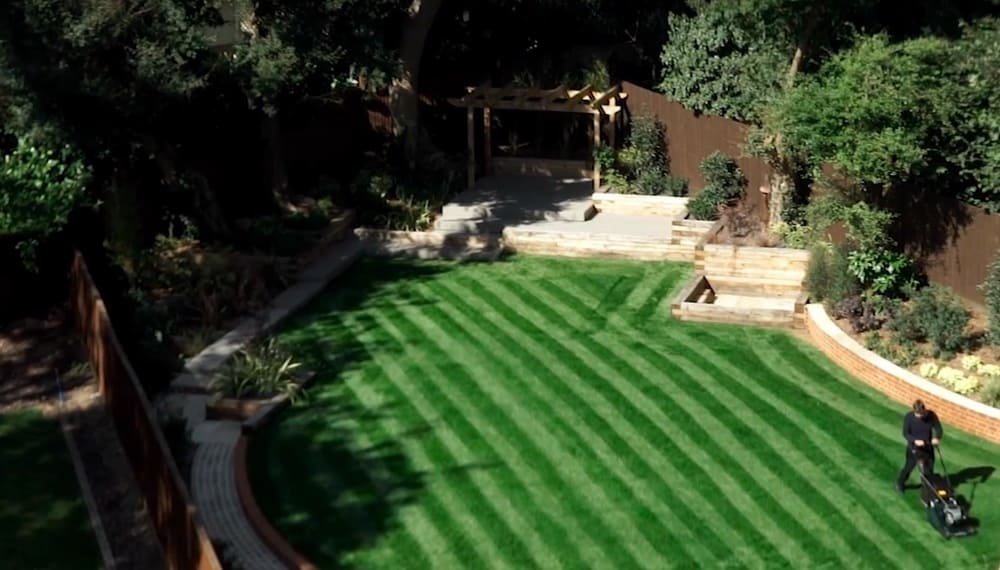
Want your shaded yard to look just as stunning as a sunlit one? You might think striping a lawn is only for open, sunny spaces, but that’s not true.
With the right techniques, you can create those eye-catching stripes even where sunlight is limited. Imagine stepping outside to a beautifully striped lawn that makes your shaded yard the envy of the neighborhood. You’ll discover simple, effective ways to stripe your lawn in the shade and transform your outdoor space.
Ready to learn the secrets that professionals use? Keep reading—you’re about to unlock the full potential of your shaded yard.
Choosing The Right Grass
Shade-tolerant grass varietiesgrow well with less sun. They stay green and healthy in shadowed spots. Some good types include:
- Fine Fescue:Grows well in low light and cool climates.
- St. Augustine Grass:Thrives in warm, shady areas.
- Zoysia Grass:Tolerates shade and is drought resistant.
Choosing the right grass helps your lawn look nice and striped, even in shade.
Preparing soil in shaded areas is important for grass growth. Use these tips:
- Test soil to check nutrients and pH levels.
- Add organic matter like compost to improve soil texture.
- Ensure good drainage to prevent water buildup.
- Loosen soil to help roots spread easily.
Healthy soil lets shade-loving grass grow strong and striped.
Mowing Techniques For Stripes
Choose a mower that cuts evenly and cleanly for clear stripes. Reel mowers work well on flat lawns and produce sharp lines. Rotary mowers are common and can create stripes with proper settings. Set the mower height slightly higher in shaded areas to keep grass healthy.
Adjust mower speed to avoid tearing grass blades. Slow, steady passes create better contrast. Overlap each row slightly for smooth, continuous stripes.
| Mower Type | Best Use | Setting Tips |
|---|---|---|
| Reel Mower | Flat, smooth lawns | Sharp blades, medium height |
| Rotary Mower | Most lawns, uneven terrain | Higher cut in shade, slow speed |
Shaded yards have less light, making stripes hard to see. Create contrast by mowing in different directions each time. This bends grass blades to reflect light differently. Use a sharp mower blade to avoid ragged edges that blur stripes.
- Mow when grass is dry for cleaner cuts.
- Use sunlight angles to your advantage.
- Try mowing early or late in the day.
Stripe Patterns That Work
Simple stripe patterns suit shaded yards best. They use broad, straight lines that create a neat look. Complex designs can be hard to see under tree shadows. Keep patterns easy to make the stripes clear.
Adjusting patterns for shade means using wider stripes. Thin stripes may blend with shaded grass and lose contrast. Changing stripe direction helps too. Try diagonal or curved lines to catch light differently.
| Pattern Type | Best Use | Shade Adjustment |
|---|---|---|
| Simple | Shaded areas | Wide stripes, straight lines |
| Complex | Sunny areas | Use with caution in shade |
| Directional Change | Mixed light | Diagonal or curved stripes |
Lighting And Growth Challenges
Shaded yards face uneven sunlight, which makes lawn striping tricky. Grass grows slower in shaded spots. This can cause patchy growthand dull stripes. Choose grass types that tolerate shade. This helps keep stripes visible and healthy.
Supplemental lighting can improve lawn growth. Use grow lightsto add light to dark areas. LED lights work well because they save energy. Place lights carefully to avoid burning grass. Turn lights on for a few hours daily, especially during cloudy days. This helps grass stay green and strong.
| Lighting Option | Benefits | Usage Tips |
|---|---|---|
| LED Grow Lights | Energy efficient, safe for grass | Use 3-4 hours daily, keep distance |
| Fluorescent Lights | Affordable, good for small areas | Use close to grass, avoid heat |
| Natural Light Reflection | Free, eco-friendly | Use mirrors or light-colored surfaces |
Watering And Fertilizing Tips
Water shaded lawns lightly to avoid waterlogging and encourage deep root growth. Use a slow-release fertilizer to nourish grass without overwhelming it. Fertilize during early spring and late summer for best results.
Hydration Needs In Shade
Plants in shade need less water. Too much water can harm them. Check the soil often. It should feel slightly damp. Water early in the day. This helps prevent mold. Use a gentle spray to avoid soil erosion.Fertilizer Choices For Healthy Turf
Choose fertilizers with balanced nutrients. These keep the grass healthy. Look for slow-release types. They feed the grass over time. Organic options are gentle and safe. Avoid too much fertilizer. This can burn the grass. Always follow package instructions. `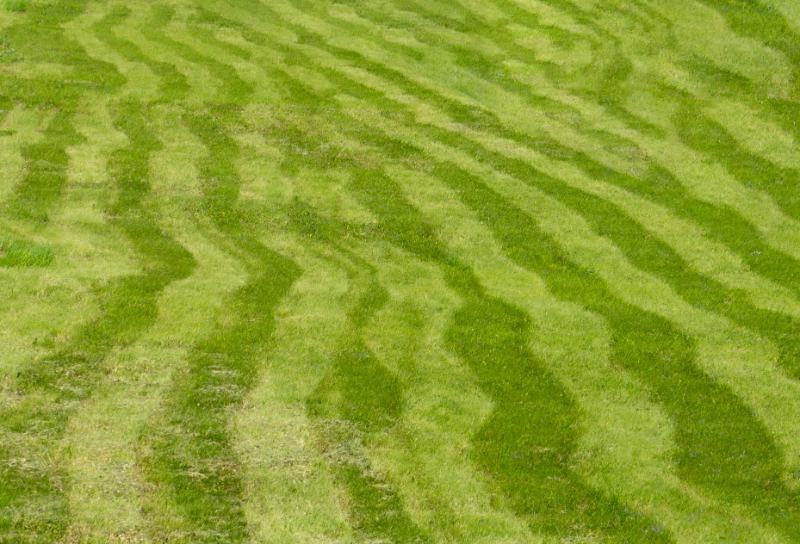
Credit: www.lawnstarter.com
Troubleshooting Common Issues
Patchy grassappears when shaded areas lack enough sunlight. Grass needs lightto grow strong and green. Choose shade-tolerant grass types like fescue or ryegrass. Water deeplybut less often to encourage roots to grow deep. Avoid walking on wet grass to prevent damage.
Keep soil healthy by adding organic matter. Mulch around trees to keep moisture in and reduce weeds. Rake gentlyto remove dead grass and allow air to reach roots.
Diseases spread faster in wet, shaded yards. Water early in the day to let grass dry before night. Remove leaves and debris to stop mold and fungus. Use fungicideonly if disease appears. Healthy grass fights disease better.
Maintenance For Long-lasting Stripes
Regular mowinghelps keep the lawn healthy and stripes clear. Mow often enough to avoid cutting more than one-third of the grass blade. This keeps grass strong and green. Change the mowing direction each time. This helps create the striped effect and prevents soil compaction.
Seasonal carechanges are important for shaded yards. In spring and fall, adjust your mowing height to let grass grow thicker. During hot summer months, mow a bit higher to protect grass roots from heat stress. Water deeply but less often to encourage deep roots. This helps grass stay green and stripes stay sharp.
| Season | Care Tips |
|---|---|
| Spring | Mow at medium height; water regularly; fertilize lightly. |
| Summer | Mow higher; water deeply less often; watch for heat stress. |
| Fall | Mow medium height; aerate soil; apply fertilizer for root growth. |

Credit: www.brightview.com
Credit: www.gardeningknowhow.com
Frequently Asked Questions
How Do I Stripe A Lawn With Heavy Shade?
Use shade-tolerant grass and mow when dry. Adjust mower height higher for shaded areas. Use lighter stripe patterns to avoid stressing grass.
What Grass Types Work Best For Shaded Lawns?
Fine fescues, St. Augustine, and Zoysia grasses thrive well in shade. Choose grass suited for your region’s shade level.
Can Lawn Striping Damage Grass In Shaded Yards?
Improper mowing height or wet mowing can harm grass. Stripe gently and keep mower blades sharp for healthy grass.
How Often Should I Mow A Shaded Lawn For Striping?
Mow every 5-7 days during growing season. Avoid cutting more than one-third of grass height to reduce stress.
Conclusion
Striping a lawn in a shaded yard takes patience and care. Choose the right grass that grows well in shade. Mow with sharp blades and follow a clear pattern. Water and fertilize regularly to keep grass healthy. Watch your yard change with each stripe you create.
Small steps bring big results. Enjoy the fresh look and the calm feeling of your striped shaded lawn.





