
Are you wondering when the best time to mow your fine fescue lawn is? Timing your mowing just right can make a huge difference in how healthy and green your grass looks.
Mowing too soon or too late can stress your lawn and slow its growth. You’ll discover simple tips to know exactly when to mow your fine fescue, helping you keep your yard looking its absolute best all season long. Keep reading to learn how to make your lawn care routine easier and more effective!
Ideal Mowing Time
Fine fescuegrows best in cool seasons like spring and fall. It slows down in hot summer months. Mowing should match these seasonal growth patternsto keep the grass healthy and green.
The optimal temperature rangefor fine fescue is between 60°F and 75°F. Mowing during this range helps avoid stress on the grass. Avoid mowing when temperatures are above 85°F to prevent damage.
- Morning mowingis best to avoid dew that can clog the mower.
- Mowing in the eveningcan help the grass recover overnight.
- Avoid mowing under direct midday sunto protect the grass.
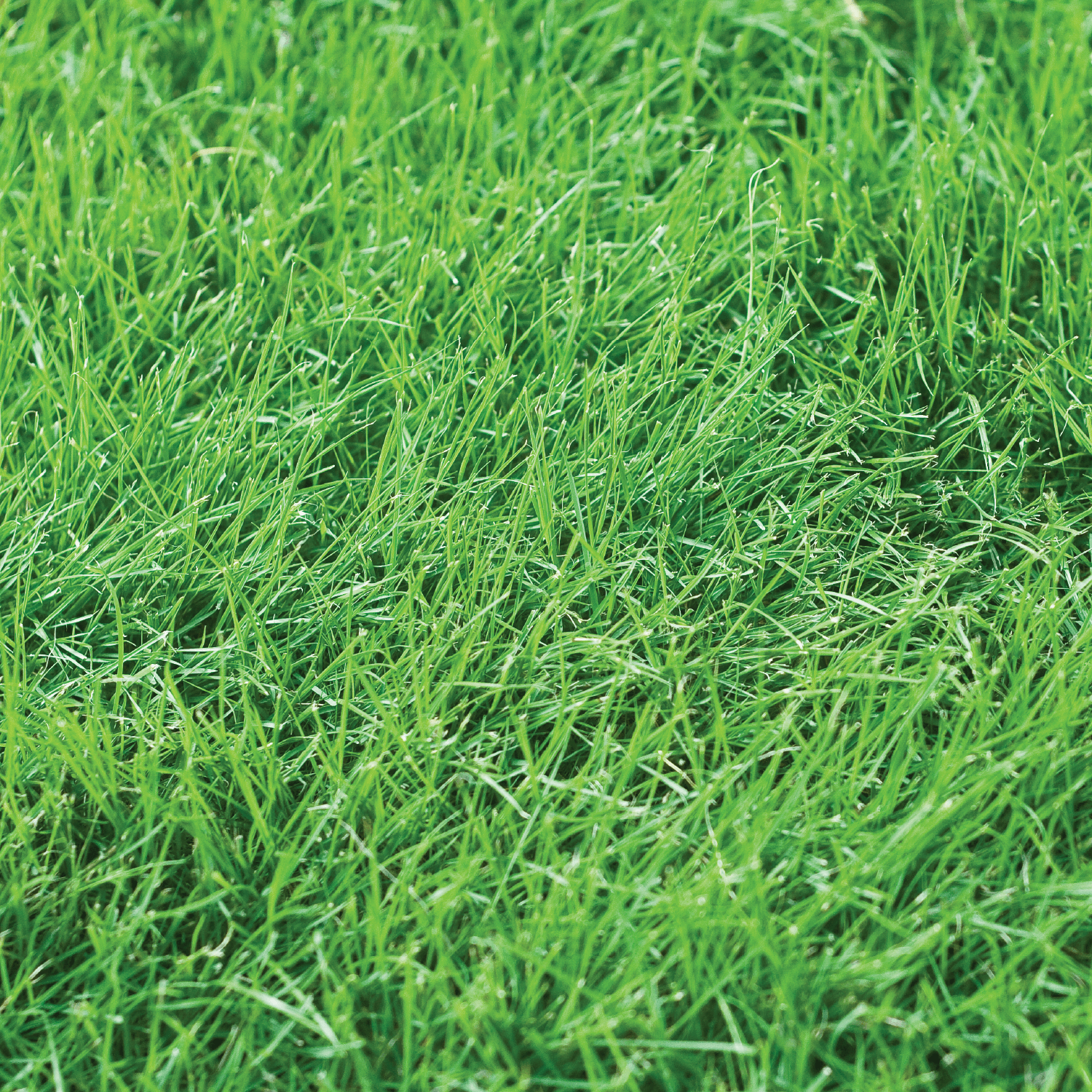
Credit: naturesseed.com
Mowing Frequency
Fine fescue grass grows slowly but needs regular cutting to stay healthy. Mow it about once every 7 days during the growing season. This keeps the grass neat and helps it grow strong.
Weather affects how often you should mow. In dry or hot weather, grass grows slower, so mow less often. During cool and wet weather, grass grows faster and needs more frequent mowing.
- Grass height above 3 inchesmeans it’s time to mow.
- Uneven growthshows some areas need cutting sooner.
- Thick or tall patchesshould be trimmed more often.
- Yellow or brown tipsmean the grass is stressed and needs care.
Mowing Height
Recommended cutting heightfor fine fescue is between 1.5 to 2.5 inches. This helps keep the grass healthy and strong. Cutting it shorter than this can stress the grassand make it weak.
Cutting too shortcan cause brown spotsand invite weeds. It also makes the grass more likely to dry outand get damaged from heat or cold.
Adjusting height by seasonis important. In spring and fall, keep the grass a bit taller, about 2.5 inches. During summer, cut it slightly shorter to about 1.5 to 2 inches. This helps the grass survive different weather conditions better.

Credit: www.lawnsite.com
Tools And Techniques
Choose a mower with adjustable height settings. Reel mowers work best for fine fescue. They cut grass cleanly and quietly. Electric mowers are also a good option. They are quiet and eco-friendly. Gas mowers are powerful for large lawns. Ensure the mower is lightweight and easy to handle.
Keep mower blades sharp for a clean cut. Check blades regularly for damage. Use a file to sharpen dull blades. Always disconnect the mower from power before maintaining. Clean the blades after each use. Remove grass clippings to prevent rust. Store blades in a dry place.
- Mow in different directions each time.
- Avoid mowing in the same pattern.
- Change the direction to avoid grass leaning.
- Overlapping helps achieve an even cut.
- Leave grass clippings on the lawn for nutrients.
Post-mowing Care
Water the lawn lightly after mowing to help grass recover. Avoid heavy watering that may cause disease. Early morning watering is best to reduce evaporation. Keep soil moist but not soggy for healthy roots.
Fertilize fine fescue with a balanced, slow-release fertilizer. Apply fertilizer during the growing season for best results. Avoid too much fertilizer to prevent burning the grass. Follow package instructions carefully.
- Leave clippings on the lawn to return nutrients to the soil.
- Use a mulching mower to chop clippings finely.
- Remove clippings only if they form thick mats that block light.
- Clippings help keep the soil moist and reduce weeds.

Credit: extension.psu.edu
Common Mowing Mistakes
Over-mowingcan weaken fine fescue grass. Cutting too short removes too many leaves. This stresses the grass and slows growth. It also allows weeds to take over. Grass should be mowed only when needed and not too short.
Ignoring signs of lawn stressis common. Grass turning brown or thinning means it needs care. Mowing during these times can harm the lawn more. Watch for stress and adjust mowing schedules to help grass recover.
Mowing wet grasscauses many problems. Wet blades do not cut cleanly, leading to ragged edges. This invites disease and pests. Wet clippings can clump and block sunlight. It is best to wait for grass to dry before mowing.
Frequently Asked Questions
When Is The Best Time To Mow Fine Fescue?
Mow Fine Fescue in early spring and fall when growth is active. Avoid mowing during summer heat to prevent stress.
How Often Should Fine Fescue Be Mowed?
Mow Fine Fescue every 7 to 10 days during active growth. Adjust frequency based on weather and growth rate.
What Height Should Fine Fescue Be Mowed At?
Maintain Fine Fescue at 2. 5 to 3. 5 inches tall. This height promotes healthy roots and reduces weed growth.
Can Mowing Fine Fescue Too Short Harm It?
Yes, mowing too short stresses Fine Fescue, causing brown patches. Always keep blades sharp and avoid cutting below 2. 5 inches.
Conclusion
Mowing fine fescue at the right time keeps it healthy and green. Cut the grass when it grows about three inches tall. Avoid mowing too short to protect the roots. Regular mowing helps prevent weeds and keeps the lawn neat.
Water your lawn properly after mowing to reduce stress. Pay attention to weather and soil conditions for the best results. A well-maintained fine fescue lawn looks beautiful and lasts longer. Small steps make a big difference in lawn care.





