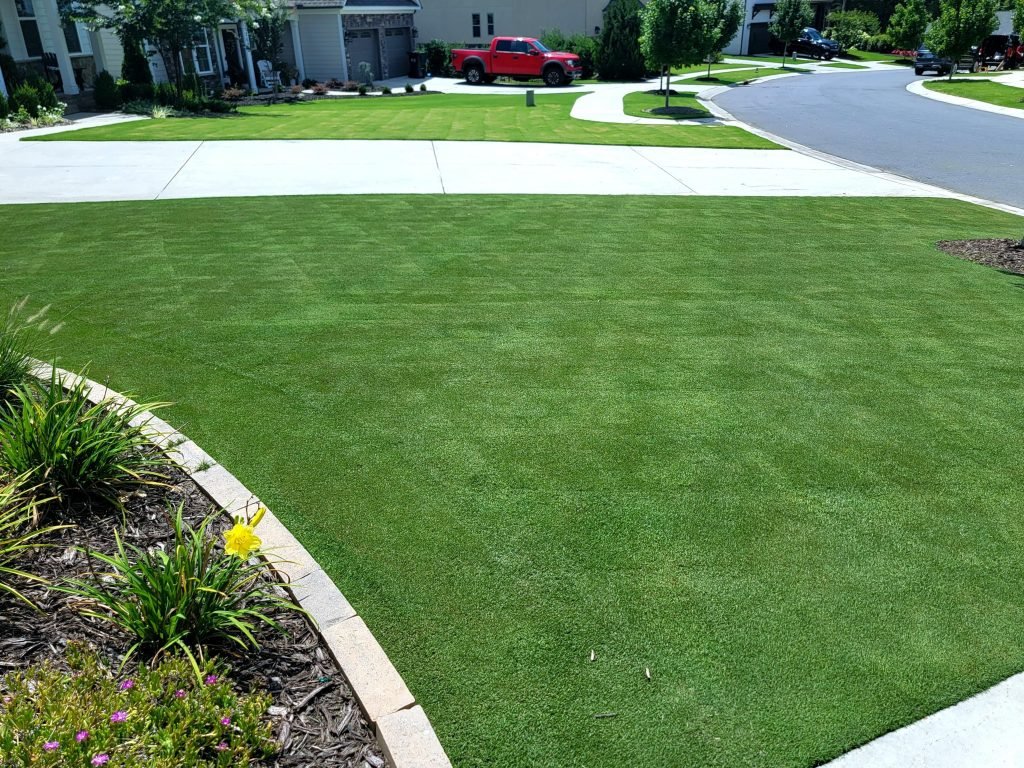
Are you tired of using harsh chemicals on your lawn but still want it to look green and healthy? You’re not alone.
Many people want a beautiful yard without risking their family’s health or harming the environment. The good news is, you can achieve a lush lawn without relying on chemicals. You’ll discover simple, natural ways to mow and care for your grass that save you money and keep your outdoor space safe.
Keep reading—you’re about to learn easy steps that will transform your lawn care routine for the better.
Choosing The Right Mower
Choosing the right mower helps keep your lawn healthy and chemical-free. Manual reel mowersare quiet and eco-friendly. They cut grass by spinning blades without gas or electricity. Electric mowersrun on batteries or power cords and are easier to use on bigger lawns. They do not produce harmful fumes.
Reel mowers offer many benefits:
- Safe for kids and petsbecause they have no sharp, fast blades.
- Better for grass healthsince they cut cleanly without tearing.
- Quiet operationhelps avoid noise pollution.
- Low maintenanceand no fuel needed.
Keeping your mower in good shape is important:
- Sharpen blades regularly for clean cuts.
- Clean the mower after each use to remove grass and dirt.
- Check wheels and handles for smooth movement.
- For electric mowers, charge batteries properly and store safely.

Credit: www.reddit.com
Grass Selection And Care
Selecting native grass varietieshelps lawns grow strong without chemicals. These grasses need less water and resist pests naturally. They fit well with local climate and soil, reducing care work.
Seeding and overseeding techniqueskeep grass thick and healthy. Spread seeds evenly over bare spots or thin areas. Overseeding in early fall or spring works best for growth. Water gently to help seeds sprout.
| Natural Fertilizing Methods | Benefits |
|---|---|
| Compost | Improves soil health and adds nutrients slowly |
| Grass Clippings | Return nutrients to lawn, reduce waste |
| Corn Gluten Meal | Prevents weed seeds and feeds grass |
| Organic Mulch | Keeps moisture and protects soil |
Mowing Techniques For Healthy Lawns
Optimal mowing heightkeeps grass strong and green. Cut grass too short, and it gets weak. Grass should stay around 2.5 to 3 inches tall. This helps roots grow deep and hold water better. Taller grass also blocks weeds and sun damage.
Mowing frequency tipsdepend on grass growth speed. Mow often enough to cut no more than one-third of the grass blade. This prevents stress and keeps the lawn healthy. Usually, mowing once a week works well in spring and summer. Less often in cooler months.
- Avoid scalpingby not cutting grass too low.
- Scalping causes bare spots and weak grass.
- Reduce stressby mowing when grass is dry.
- Use a sharp mower blade for clean cuts.
Weed Control Without Chemicals
Mowing the lawn regularly keeps weeds from growing tall and spreading seeds. Cutting grass at the right height blocks sunlight, stopping weeds from taking over. Using a sharp mower blade helps create clean cuts that promote healthy grass growth without chemicals.
Hand Weeding Strategies
Pulling weedsby hand is simple and effective. Use a small trowel to dig roots out. This prevents weeds from growing back. Pull weeds when the soil is moist. It’s easier and less tiring. Make it a fun family activity. Kids can help too. Wear gloves to protect your hands. Check your lawn regularly for new weeds.Using Mulch To Suppress Weeds
Mulchblocks sunlight from reaching weed seeds. It keeps the soil moist and healthy. Use bark chips, straw, or grass clippings. Spread mulch evenly over the soil. Leave a gap around plant stems. This prevents rot and disease. Mulch also adds nutrients to the soil. It helps your lawn grow strong.Encouraging Beneficial Plants
Plant flowersthat attract helpful insects. These insects eat weeds and pests. Marigolds and daisies are good choices. They add color to your lawn. Choose plants that grow well in your climate. Native plants require less care. They adapt better to local conditions. This means less work for you. `Watering Practices
Set a regular watering scheduleto keep your lawn healthy. Early morning watering helps reduce evaporation. Avoid watering during midday when sun is strongest.
Collecting rainwatersaves money and supports the environment. Use barrels or containers to catch rain from your roof. This water can hydrate your lawn naturally.
Choose drought-resistant grassesto reduce water needs. These grasses survive with less water and stay green longer. They help maintain a lush lawn without extra watering.

Credit: jimsmowing.com.au
Natural Pest Management
Attracting helpful insectslike ladybugs and bees can keep pests away. Planting flowers such as marigolds and daisies invites these insects. They eat harmful bugs and help plants grow better.
Homemade pest repellents are safe and easy to make. Mix water with garlic, soap, or chili powder to spray on your lawn. These natural sprays keep pests off without harming the grass or beneficial insects.
Avoiding chemical pesticides is best for a healthy lawn and environment. Chemicals can hurt bugs that help your garden. Use natural methods and keep your lawn strong to fight pests on its own.
Composting And Soil Health
Creating organic composthelps feed your lawn naturally. Use kitchen scraps, leaves, and grass clippings. Keep the compost pile moist and turn it often. This speeds up decay and makes rich soil.
Improving soil structure means better water and air flow. Add compost to break up heavy clay soil or to lighten sandy soil. Healthy soil holds nutrients well, helping grass grow strong.
- Use fresh grass clippings as mulch around plants.
- Leave small clippings on the lawn to return nutrients.
- Avoid thick layers to prevent smothering the grass.
- Grass clippings add nitrogen, an essential nutrient for soil.

Credit: www.reddit.com
Frequently Asked Questions
How Can I Maintain A Healthy Lawn Without Chemicals?
Mow regularly at the right height to promote grass growth. Use organic compost to enrich soil naturally. Water deeply but infrequently to encourage strong roots. Remove weeds manually or with natural solutions like vinegar.
What Are Natural Alternatives To Chemical Weed Killers?
Vinegar, boiling water, and corn gluten meal work well. These options target weeds without harming grass. Apply carefully to avoid damaging desirable plants. Regular mowing and mulching also help suppress weed growth naturally.
How Often Should I Mow My Lawn Naturally?
Mow once a week during the growing season. Keep mower blades sharp for clean cuts. Avoid cutting more than one-third of grass height at once. This promotes healthy, dense turf and reduces stress on the lawn.
Can Organic Compost Replace Chemical Fertilizers?
Yes, organic compost improves soil health and nutrient content. It releases nutrients slowly, feeding grass naturally. Compost enhances soil structure and moisture retention. Regular application supports sustainable lawn growth without chemicals.
Conclusion
Mowing your lawn without chemicals helps keep it healthy and green. You protect the soil and the environment at the same time. Simple tools and good habits make a big difference. Regular mowing, proper blade height, and natural care work well.
Your lawn grows strong and weeds stay away naturally. Enjoy a fresh, safe yard for your family and pets. Small changes bring lasting results. Try these tips and see the benefits yourself. Clean, green lawns are possible without harsh chemicals.





