Are you wondering if it’s still a good idea to mow your lawn in late summer? You might be unsure whether cutting the grass now will help or harm your yard.
The truth is, mowing at the right time can keep your lawn healthy and looking great, even as the season changes. But if you get it wrong, you could stress your grass and invite problems. Keep reading to discover simple tips that will help you make the best decision for your lawn’s health and appearance as summer winds down.
Your lawn will thank you!
:max_bytes(150000):strip_icc()/GettyImages-1483054706-a8892686291a4c5497142565018005a5.jpg)
Credit: www.southernliving.com
Mowing Basics For Late Summer
Ideal mowing heighthelps keep grass healthy in late summer. Set your mower between 2.5 to 3 inches. This height lets grass grow strong roots and saves water. Cutting too short can stress grass and cause brown spots.
Frequency of mowingdepends on how fast your grass grows. Mow about once a weekor every 5 to 7 days. Avoid cutting more than one-third of the grass blade at a time. This keeps your lawn green and lush.
Best time of day to mowis early morning or late afternoon. Grass is dry then, which helps mower work better. Avoid mowing in the heat of midday to stop grass from drying out or getting damaged.
Lawn Care Challenges In Late Summer
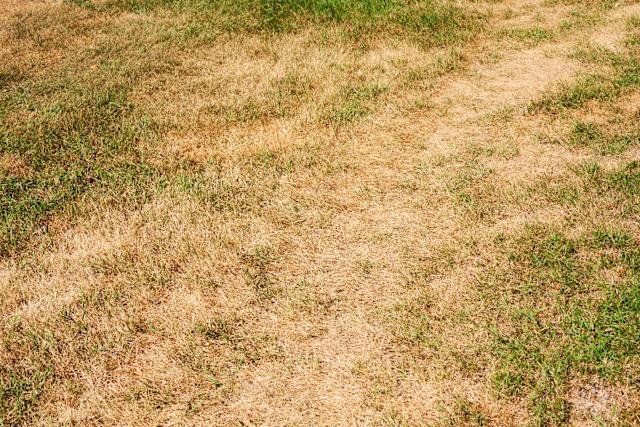
Late summer often brings heat stressto lawns. Grass may turn brown and dry. This happens because high temperatures make the grass lose water fast. Grass needs water to stay green and healthy.
Drought conditionsare common in late summer. Without enough rain, lawns suffer. Soil becomes hard and dry. Grass roots struggle to get moisture. Watering early in the morning helps the grass survive.
Common lawn diseasescan spread more easily in late summer. Warm and wet weather creates a perfect place for fungi. Watch for spots or patches on the grass. Treating the lawn quickly can stop the disease from spreading.
Techniques For Healthy Grass
Keeping the lawn mower blade sharpis very important for healthy grass. A sharp blade cuts the grass cleanly, helping it heal faster. Dull blades tear the grass, causing stress and brown tips. This can make the lawn look uneven and unhealthy.
Grass clippings can be managed in two ways. Leaving clippings on the lawn adds natural fertilizer. It helps keep moisture and nutrients in the soil. Removing clippings prevents thick layers that block sunlight and air. Choose the method that fits your lawn’s needs best.
Watering right after mowing is key. Water the lawn deeply but not too often. This helps grass roots grow strong and stay healthy. Avoid watering too much, which can lead to fungus and disease.
:max_bytes(150000):strip_icc()/GettyImages-1192014583-3a73013b726f4de78ed9c65dc8062be3.jpg)
Credit: www.thespruce.com
Choosing The Right Grass Type
Choosing the right grass type affects how often you should mow, especially in late summer. Some grasses grow slower and need less cutting. Knowing your grass helps keep your lawn healthy and green.
Warm-season grasses love the heat. They grow best in summer. Bermuda and Zoysia are popular types. These grasses need full sun. They turn brown when it’s cold. Mowing is easy with these grasses. Cool-season grasses like mild weather. Fescue and Ryegrass grow well in spring. They stay green longer in cold. They can handle some shade. Mow them high to keep them healthy. They need less water compared to warm-season grasses. The transition zone is tricky for grass. Both warm and cool grasses can grow here. Tall Fescue is a good choice for this area. It can handle different weather. Mixing grass types can also work. This helps lawns stay green all year. `Additional Late Summer Lawn Tips
Fertilizinghelps grass grow strong before cooler weather. Use a slow-release fertilizerto feed the lawn for weeks. Avoid too much nitrogen; it can stress grass in hot months.
Aerationopens soil so air, water, and nutrients reach roots better. It helps with soil compactionafter summer heat. Aerate lawns with heavy foot traffic or thick grass.
- Weed controlis key. Pull weeds early to stop spreading.
- Use pre-emergent herbicidesto block new weed seeds.
- Spot treat with post-emergent herbicideson visible weeds.

Credit: www.countryliving.com
Frequently Asked Questions
Can You Mow Lawn During Late Summer Heat?
Yes, you can mow your lawn in late summer. Mow early in the morning or late evening to avoid heat stress. Use a sharp blade and raise the mower height to protect grass roots and retain moisture.
How Often Should You Mow Lawn In Late Summer?
In late summer, mow your lawn once every 7 to 10 days. This frequency helps maintain healthy grass without stressing it. Adjust based on growth rate and weather conditions to keep the lawn neat and strong.
Should Lawn Mower Blade Be Higher In Late Summer?
Yes, raising the mower blade in late summer is beneficial. Taller grass shades roots, reduces water evaporation, and protects against heat stress. Aim for a cutting height of 3 to 4 inches during hot, dry months.
Is It Harmful To Mow Dry Lawn In Late Summer?
Mowing a dry lawn can stress grass and damage blades. Water your lawn a day before mowing if it’s dry. This keeps grass healthy and reduces the risk of tearing or scalping during mowing.
Conclusion
Mowing your lawn in late summer helps keep it healthy and neat. Cut grass regularly but avoid cutting too short. Water your lawn well after mowing to reduce stress. Watch for dry patches and treat them quickly. A well-maintained lawn looks good and stays green longer.
Late summer mowing supports strong grass growth before cooler months. Simple care now pays off with a beautiful lawn later. Keep it steady, and your yard will thank you.





