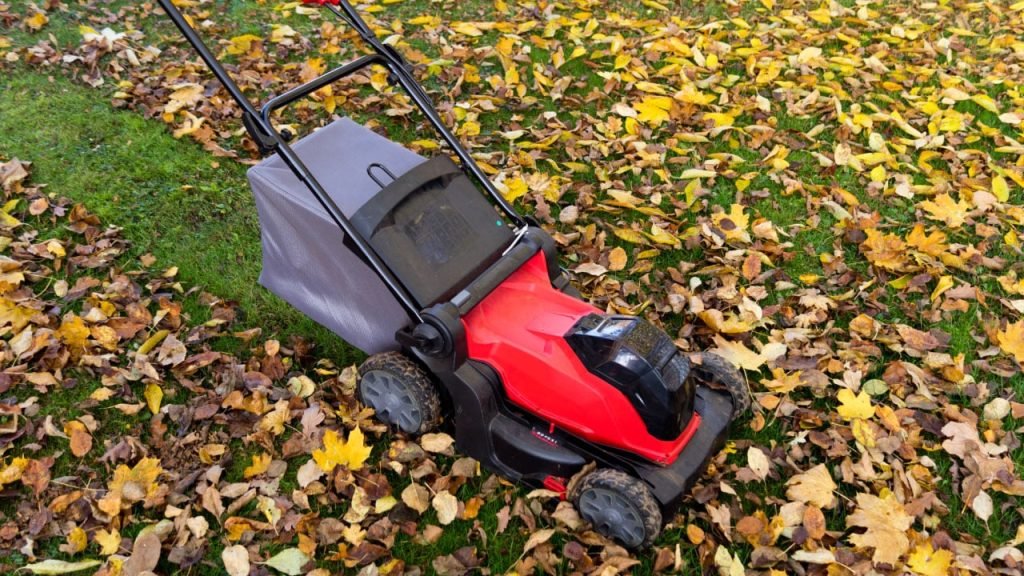
Have you ever wondered what happens if you mow your lawn too short in the fall? It might seem like a simple task, but cutting your grass too short at this crucial time can cause problems you didn’t expect.
Your lawn needs extra care to stay healthy through the colder months, and mowing too low can make it weaker and less ready for winter. Keep reading to find out why the right mowing height matters and how you can protect your lawn from common fall mistakes.
Your grass will thank you!

Credit: www.reddit.com
Fall Mowing Basics
The ideal grass heightin fall helps protect roots during cold months. Cutting grass too short can stress it and cause damage. Grass should be kept around 2.5 to 3 inchestall to stay healthy.
Seasonal grass growth patternsslow down in fall as temperatures drop. Grass needs more height to catch sunlight and store energy for winter. Short grass loses more moisture and can freeze easier.
- Longer grass blades protect soil from erosion.
- Leaves and snow sit better on taller grass, reducing mold risks.
- Healthy grass regrows faster in spring after a gentle fall cut.
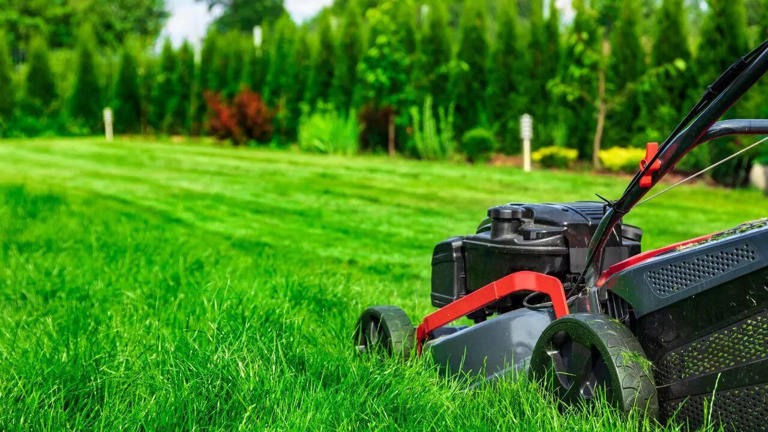
Credit: www.msn.com
Consequences Of Mowing Too Short
Mowing grass too short in fall can cause several problems. It weakens root systems, making grass less able to absorb water and nutrients. This weak root growth harms the lawn’s health over time.
Short mowing also leads to an increased risk of disease. Grass cut too low is more open to fungi and pests. This can cause brown spots and patches.
Another issue is reduced nutrient storage. Grass stores food in its roots during fall. Cutting too short lowers these reserves, making grass weaker in winter.
Higher stress from coldis common with short grass. Thin turf struggles to protect itself from frost and freezing temperatures. This can cause grass to die or go dormant too early.
Signs Of Lawn Damage
Grass may turn brown or patchy after cutting too short in fall. Roots weaken, making lawn vulnerable to cold and pests. Thin, bare spots often appear where grass struggles to grow.
Discoloration And Thinning
Grass may turn yellow or brownafter being cut too short. This happens because the grass loses its ability to protect itself. The lawn looks thin and weak. It struggles to grow back healthy.
Patchy Growth
Some areas of the lawn may grow unevenly. There will be spots with little or no grass. These patches are easy to see and make the lawn look bad.
Soil Exposure
Short grass lets the soil show. This can cause problems like dry soiland more weeds. Exposed soil also means the lawn can get damaged more easily by cold or rain.

Credit: www.youtube.com
Preventive Lawn Care Tips
Cutting grass too short in fall weakens roots and leaves lawn vulnerable to cold damage. Grass struggles to store energy, reducing its chance to survive winter. Taller grass helps protect soil and keeps lawn healthier for spring growth.
Proper Mowing Techniques
Mow your lawn carefully to keep it healthy. Cut only the top third of the grass blades. This helps the grass stay strong and green. Avoid mowing too low to prevent weak roots.
Adjusting Mower Settings
Set your mower blade at the right height. Adjust settings based on grass type and weather. A taller setting helps grass fight against weeds and pests. Remember, sharp blades cut cleanly and protect the grass.
Optimal Mowing Schedule
Follow a regular mowing schedule for best results. Mow once a week during the growing season. In fall, mow less frequently as grass grows slower. This helps your lawn prepare for winter.
Recovery Strategies
Overseedinghelps fill bare spots and thickens the lawn. Choose grass seed that matches your current lawn type for best results. Spread seeds evenly and cover them lightly with soil to protect from birds and wind.
Fertilizationshould be done in early fall to support root growth. Use a fertilizer rich in phosphorus and potassium to strengthen the grass. Avoid too much nitrogen, which can stress the lawn before winter.
Wateringis crucial after overseeding and fertilizing. Keep the soil moist but not soggy to help seeds germinate. Water lightly every day until the grass grows strong, then reduce frequency but increase depth.
Tools And Equipment Maintenance
Keeping mower blades sharp is important. Dull blades tear grass, causing damage. Sharp blades cut cleanly, helping grass heal fast.
Check blade sharpness before fall mowing. Use a file or sharpening tool. Balance blades after sharpening to avoid mower vibration.
| Calibration Aspect | Why It Matters | How to Check |
|---|---|---|
| Cutting Height | Prevents cutting grass too short | Adjust height settings on mower |
| Blade Alignment | Ensures even grass cutting | Inspect blade position and tighten bolts |
| Throttle and Speed | Keeps mower running smoothly | Test mower speed and adjust controls |
Frequently Asked Questions
What Happens If You Mow Grass Too Short In Fall?
Mowing too short in fall stresses grass and weakens roots. It reduces the grass’s ability to store nutrients. This leads to poor winter survival and slower spring growth. Keeping grass at a proper height protects it during cold months.
Why Is Proper Mowing Height Important In Fall?
Proper mowing height helps grass retain moisture and nutrients. It prevents soil exposure that can cause weed growth. Correct height also supports root development. This promotes healthy turf that withstands winter and recovers quickly in spring.
Can Mowing Too Short Cause Lawn Diseases In Fall?
Yes, mowing too short damages grass blades and exposes soil. This creates an environment for fungal diseases to develop. Weak grass is less resistant to pathogens. Maintaining appropriate height reduces disease risk and keeps your lawn healthy.
How Does Short Mowing Affect Soil Health In Fall?
Short mowing exposes soil to erosion and temperature fluctuations. It decreases organic matter and beneficial microorganisms in the soil. Healthy soil supports strong grass growth. Protecting soil with proper mowing helps maintain lawn vitality during fall and winter.
Conclusion
Cutting grass too short in fall can harm your lawn’s health. It weakens roots and exposes soil to cold weather. This makes grass less ready for winter and spring growth. Keep mower blades at the right height to protect your lawn.
Healthy grass grows strong and stays green longer. Taking care now saves you work later. Small steps bring big improvements to your yard. Remember, good lawn care means watching blade height closely. Your grass will thank you with a lush, green look next season.





