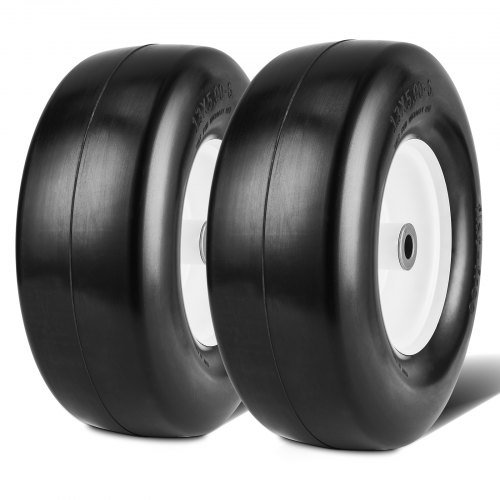
Have you ever wondered if your mower tires can be tubeless? If you’re tired of dealing with flat tires or constant maintenance, this question might be on your mind.
Tubeless tires offer benefits like fewer punctures and easier repairs, but are they really an option for your mower? Keep reading to discover how tubeless mower tires work, whether they’re right for you, and what you need to know before making the switch.
By the end, you’ll have a clear answer that can save you time and frustration on your next mowing day.
Mower Tire Types
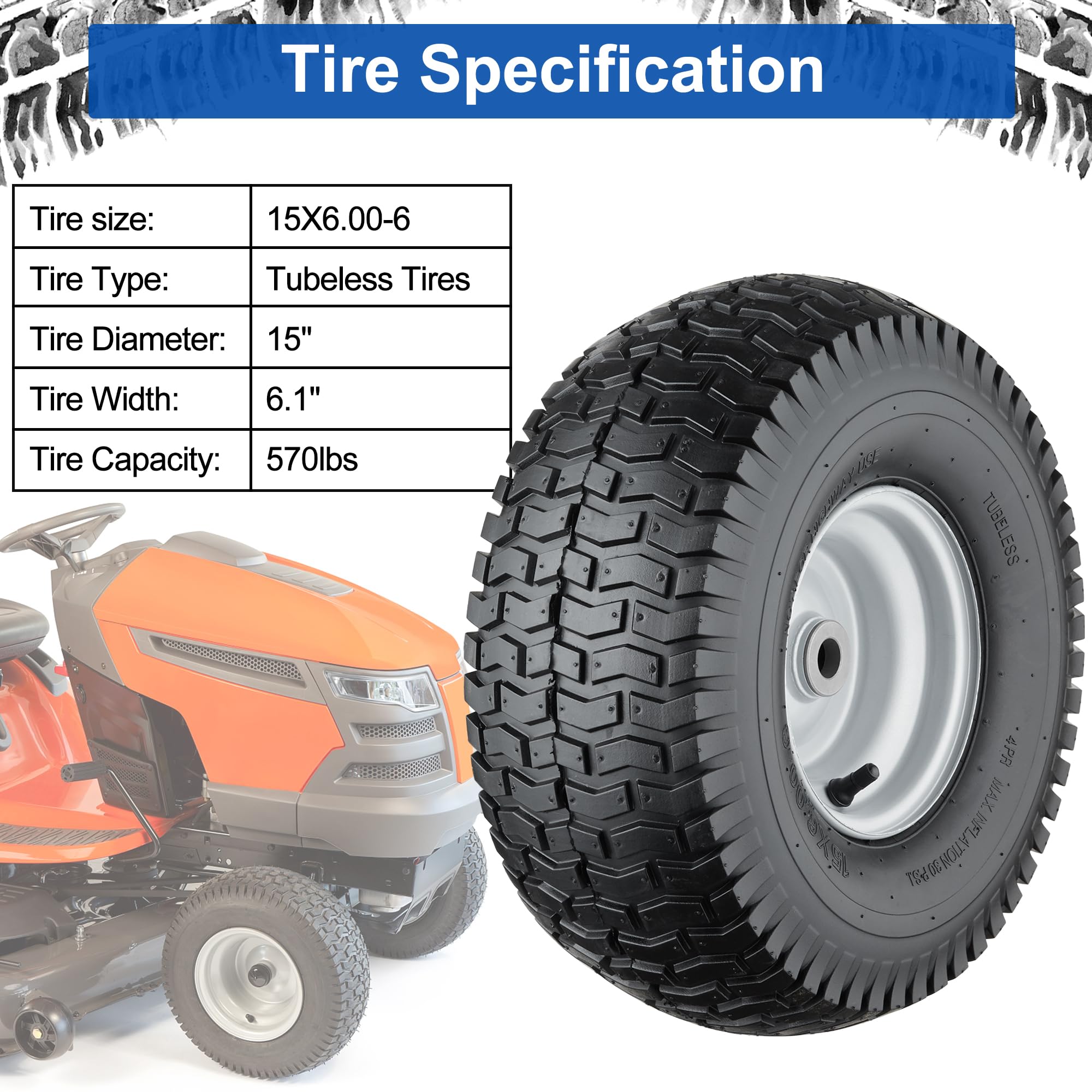
Mower tires come in two main types: tubeand tubeless. Tube tires have an inner tube that holds the air. Tubeless tires do not need a tube; the tire itself seals the air inside. Tubeless tires usually weigh less and are easier to repair from small punctures.
Tube tires are common in older or smaller mowers. They can be more prone to flats if the tube gets damaged. Tubeless tires fit tightly on the rim, which helps prevent leaks and makes them more durable.
| Material | Properties |
|---|---|
| Rubber | Flexible, provides good grip on grass and soil |
| Plastic | Lightweight, often used in smaller or toy mowers |
| Polyurethane | Durable, resistant to wear and cuts |
Credit: www.amazon.ca
Advantages Of Tubeless Mower Tires
Tubeless mower tiresoffer several benefits over traditional tires with tubes. They are known for improved puncture resistance. Without a tube inside, small nails or thorns cause fewer problems. The tire can maintain air pressure even after minor punctures.
Another key advantage is better air retention. Tubeless tires hold air longer, reducing the need for frequent inflation. This means less maintenance and more time spent mowing your lawn.
These tires also provide enhanced performance. They can absorb shocks better, leading to a smoother ride. This makes mowing easier and more comfortable, especially on rough ground.
- Less chance of sudden flat tires
- More durable and long-lasting
- Saves time on tire repairs
- Improves mower handling and control
Challenges With Tubeless Tires
Mower tires can face air leaks and sealing problems when made tubeless. These tires need strong rims and tight seals to work well without tubes. Maintenance can be harder due to frequent punctures and rim damage risks.
Installation Difficulties
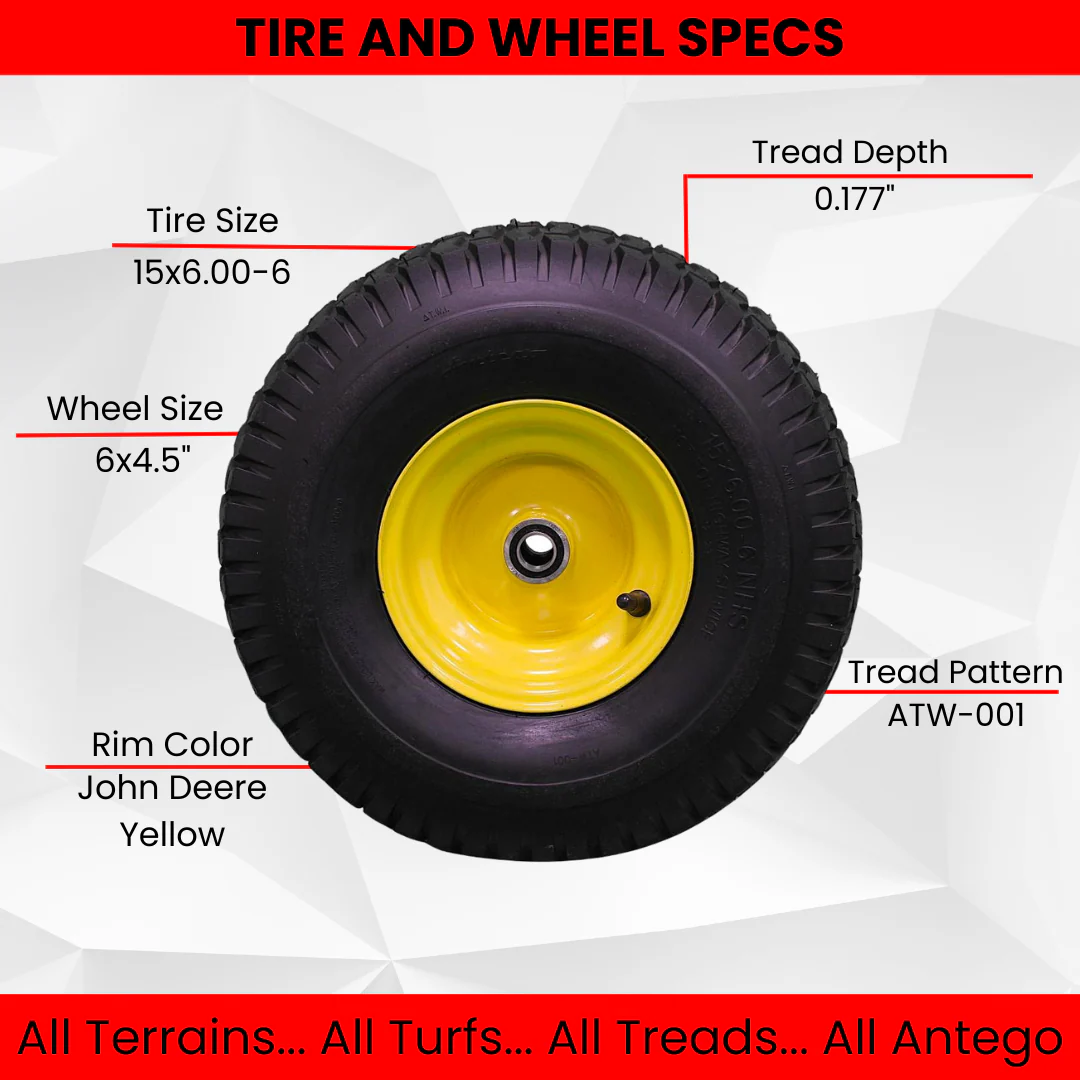
Installing tubeless mower tires can be tricky. The tire bead must seal perfectly to the rim. This requires a special rim design and tools. Without proper sealing, air will leak out quickly.
Compatibility Issues
Not all mower rims fit tubeless tires. Some rims are made only for tires with tubes. Changing to tubeless may need new rims. It can add cost and effort.
Maintenance Considerations
Tubeless tires need regular checks for leaks. Small holes can be fixed with sealant. But big damage means tire replacement. Tubeless tires might be harder to repair than tubed tires.
Credit: antegowheels.answerbase.com
Converting To Tubeless Tires
To convert mower tires to tubeless, gather some key tools and materials. You’ll need a strong tire lever and air compressor. A valve stem is also important. Don’t forget a tubeless tire sealant for better sealing. A tire bead breaker can help too. Ensure you have a clean rag for wiping surfaces. A soap solution is useful for checking leaks. All these items are crucial for a smooth conversion.
Begin by removing the wheel from the mower. Use a tire lever to take off the tire. Clean the rim thoroughly with a rag. Place the valve stem in the rim hole. Apply tubeless tire sealant inside the tire. Use the tire lever to fit the tire back on the rim. Inflate the tire with the air compressor. Check for leaks using a soap solution. Ensure the tire bead is correctly seated.
- Wear gloves to protect your hands.
- Ensure the mower is on a stable surface.
- Check the tire pressure regularly.
- Use the right tools to avoid damage.
- Keep children away during the process.
Maintaining Tubeless Mower Tires
Regular checks help keep tubeless mower tiresin good shape. Look for cracks, cuts, or bulges on the tire surface. These signs show the tire may need repair or replacement.
Keep the air pressureat the level the manufacturer suggests. Low air pressure can cause poor performance and tire damage. High pressure might make the ride rough and wear the tire fast.
- Use a tire gauge to check pressure often.
- Adjust pressure before using the mower.
Fixing puncturesquickly stops air leaks and keeps the tire safe. Small holes can often be patched without removing the tire. Bigger damage might need a new tire.
- Clean the area around the hole well.
- Use a tubeless tire repair kit.
- Follow the kit instructions carefully.
When To Choose Tubeless Tires
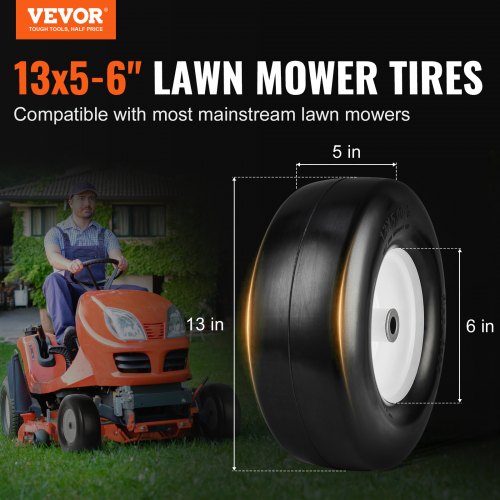
Tubeless mower tiresare best for frequent use in rough areas. They offer fewer flats and easier repairs. These tires work well on uneven ground and sharp objects. They hold air better, so less maintenance is needed.
| Cost | Benefit |
|---|---|
| Higher initial price | Less frequent repairs |
| Requires special rims | Better air retention |
| May need expert installation | Improved mower stability |
- Experts say tubeless tires suit heavy use.
- Choose tubeless for tough or rocky soil.
- Regular lawns may not need tubeless tires.
Credit: www.vevor.ca
Frequently Asked Questions
Can Mower Tires Be Converted To Tubeless?
Yes, many mower tires can be converted to tubeless with proper rims and sealants. Tubeless tires reduce flats and improve performance.
Are Tubeless Mower Tires More Durable?
Tubeless mower tires often last longer due to fewer punctures. They also maintain pressure better and reduce maintenance needs.
What Are The Benefits Of Tubeless Mower Tires?
Tubeless mower tires offer better traction, fewer flats, and smoother rides. They also require less air pressure monitoring.
Can All Mower Rims Support Tubeless Tires?
Not all mower rims support tubeless tires. Check if your rim has a proper bead seat for sealing tubeless tires.
Conclusion
Mower tires can be tubeless, but not all models suit them. Tubeless tires offer fewer flats and easier maintenance. They also provide better air retention than tube tires. Still, you must check your mower’s wheel design first. Some wheels need inner tubes to fit properly.
Choose tires based on your mower’s needs and terrain. Proper care extends tire life and improves performance. Tubeless tires can be a good choice for many mowers. Think about your mower’s use before making a switch.





